Dizziness is one of those symptoms that sounds simple until you try to describe it. Are you spinning? Floating? About to faint? Walking like the floor suddenly turned into a trampoline? The word “dizzy” can mean several different sensations, and each one points doctors toward a different possible cause.
The good news: many cases of dizziness are not dangerous and improve with time, hydration, medication changes, inner-ear treatment, or balance therapy. The not-so-fun news: dizziness can occasionally be a warning sign of a serious problem, especially when it appears suddenly with weakness, chest pain, trouble speaking, severe headache, fainting, or vision changes.
This guide explains the common causes of dizziness, how doctors figure out what is happening, what treatments may help, and when dizziness deserves urgent medical attention. Think of it as a user manual for your internal balance systemthe one that usually works quietly until it decides to host a tiny carnival ride inside your head.
What Is Dizziness?
Dizziness is not a disease by itself. It is a symptom. People use the word to describe several sensations, including vertigo, lightheadedness, imbalance, wooziness, or feeling faint. Because the causes can range from mild dehydration to inner-ear disorders to heart or neurological problems, the details matter.
Vertigo
Vertigo is the feeling that you or your surroundings are spinning, tilting, rocking, or moving when nothing is actually moving. It often comes from the vestibular system, which includes parts of the inner ear and brain that help control balance. Vertigo may worsen when you turn your head, roll over in bed, bend down, or look up.
Lightheadedness
Lightheadedness feels more like you might faint. It may happen when standing up too quickly, skipping meals, becoming dehydrated, overheating, or taking certain medications. Blood pressure changes, low blood sugar, anemia, and heart rhythm problems can also cause this type of dizziness.
Disequilibrium
Disequilibrium means feeling unsteady or off balance, especially while walking. It can be related to inner-ear problems, nerve issues in the feet, muscle weakness, vision problems, medication side effects, or neurological conditions.
Common Causes of Dizziness
Dizziness has many possible causes. Some are temporary and easy to fix; others need medical evaluation. The pattern of dizzinesshow it feels, how long it lasts, and what triggers itis often the biggest clue.
1. Benign Paroxysmal Positional Vertigo (BPPV)
BPPV is one of the most common causes of vertigo. It happens when tiny calcium crystals in the inner ear move into the wrong place. These crystals are small, but apparently dramatic. When they shift, they can send confusing motion signals to the brain, causing brief spinning episodes.
BPPV often causes vertigo when rolling over in bed, looking up, bending over, or turning the head quickly. Episodes usually last less than a minute, though the nausea and “off” feeling may linger. Treatment often involves canalith repositioning maneuvers, such as the Epley maneuver, performed by a trained clinician or physical therapist.
2. Vestibular Neuritis and Labyrinthitis
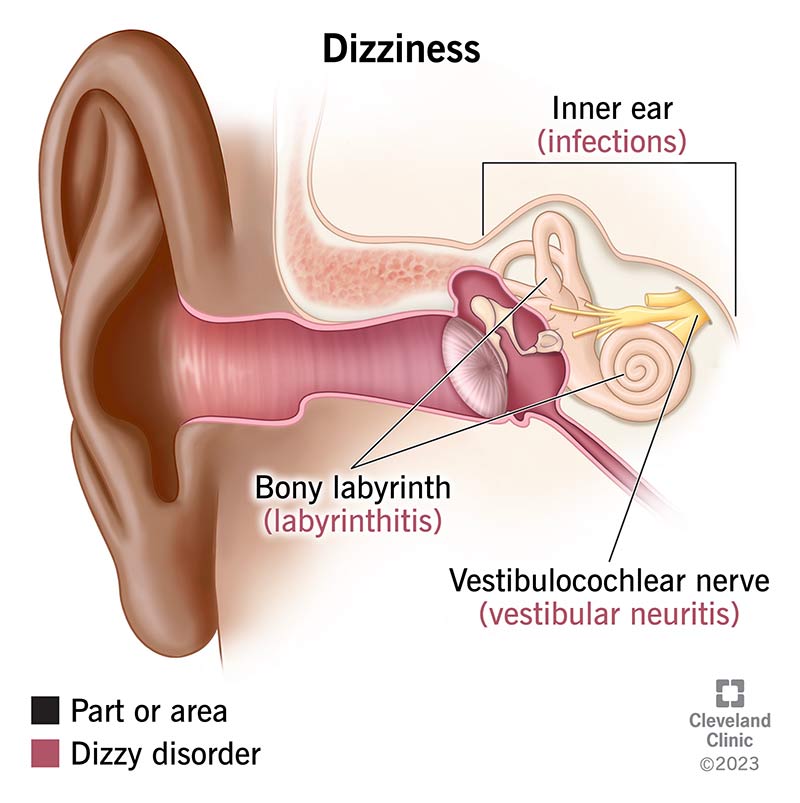
Vestibular neuritis is inflammation of the vestibular nerve, often after a viral infection. It can cause sudden, intense vertigo that lasts hours to days. Labyrinthitis is similar but may also affect hearing because it involves inflammation in the inner ear structures related to both balance and hearing.
Symptoms may include spinning, nausea, vomiting, imbalance, and difficulty walking straight. Treatment may include short-term anti-nausea or motion-sickness medications, fluids if vomiting is severe, and vestibular rehabilitation exercises once the worst symptoms settle.
3. Ménière’s Disease
Ménière’s disease is an inner-ear condition that can cause repeated vertigo attacks, hearing loss, ringing in the ear, and a feeling of fullness or pressure in one ear. Episodes may last from minutes to hours.
Treatment may include reducing sodium, limiting alcohol and caffeine, managing stress, using medications for nausea or vertigo during attacks, and sometimes diuretics or specialist procedures. Anyone with vertigo plus hearing changes should be evaluated by a healthcare professional.
4. Vestibular Migraine
Not all migraines come with a pounding headache. Vestibular migraine can cause dizziness, vertigo, motion sensitivity, nausea, and balance problems. Some people also have light sensitivity, sound sensitivity, visual aura, or a history of migraine headaches.
Treatment usually focuses on identifying triggers, improving sleep, staying hydrated, eating regular meals, reducing stress, and using migraine-specific medications when needed. Vestibular therapy may also help when motion sensitivity or imbalance sticks around.
5. Dehydration and Heat
Dehydration can lower blood volume and make it harder for the body to maintain steady blood pressure. The result may be lightheadedness, especially when standing. Heat exhaustion can also cause dizziness, heavy sweating, weakness, headache, nausea, and rapid pulse.
Mild dehydration may improve with fluids and rest. Severe dehydration, confusion, fainting, or symptoms after extreme heat exposure require medical attention. Your body is not a cactus; it does need water.
6. Blood Pressure Changes
Orthostatic hypotension happens when blood pressure drops after standing up. It can cause lightheadedness, blurry vision, weakness, or fainting. It may be linked to dehydration, certain medications, prolonged bed rest, nervous system disorders, or age-related blood pressure regulation changes.
Simple steps may help, such as standing slowly, drinking enough fluids, avoiding sudden position changes, and reviewing medications with a clinician. Persistent symptoms should be evaluated, especially if fainting occurs.
7. Medication Side Effects
Many medications can cause dizziness, including some blood pressure drugs, sedatives, sleep aids, antidepressants, anti-seizure medicines, muscle relaxers, and medications that affect the inner ear. Taking several medications at once can increase the risk.
Never stop a prescribed medicine suddenly without medical advice. Instead, bring a complete list of prescriptions, over-the-counter drugs, and supplements to your healthcare provider. Sometimes the solution is a dose adjustment, a timing change, or switching to a different medication.
8. Low Blood Sugar
Low blood sugar can cause dizziness, shakiness, sweating, hunger, weakness, confusion, irritability, and rapid heartbeat. It may happen after skipping meals, exercising without enough fuel, drinking alcohol without food, or using diabetes medications.
People with diabetes should follow their care plan for treating low blood sugar. Anyone with confusion, loss of consciousness, or repeated episodes needs prompt medical attention.
9. Anxiety and Panic Attacks
Anxiety can cause dizziness through rapid breathing, muscle tension, adrenaline surges, and heightened body awareness. Panic attacks may bring dizziness along with chest tightness, racing heart, sweating, trembling, and a sense of doom.
Although anxiety-related dizziness is real, it should not be assumed until other causes are considered, especially if symptoms are new, severe, or different from past episodes. Treatment may include breathing strategies, therapy, lifestyle changes, and medication when appropriate.
10. Heart and Circulation Problems
Dizziness can occur when the brain is not getting enough blood flow. Possible causes include abnormal heart rhythms, heart valve problems, heart attack, severe anemia, internal bleeding, or circulation issues. Dizziness with chest pain, shortness of breath, fainting, palpitations, or sudden weakness should be treated as urgent.
11. Neurological Causes
Less commonly, dizziness may be related to stroke, transient ischemic attack, multiple sclerosis, seizure disorders, brain tumors, concussion, or other neurological conditions. Sudden dizziness with trouble walking, double vision, slurred speech, facial drooping, numbness, weakness, confusion, or a severe headache is an emergency.
When to Get Emergency Help
Seek emergency care right away if dizziness or vertigo is new, severe, or sudden and appears with any of the following:
- Chest pain or shortness of breath
- Fainting or loss of consciousness
- Sudden severe headache
- Weakness, numbness, or facial drooping
- Trouble speaking, confusion, or difficulty understanding speech
- Double vision or sudden vision loss
- Difficulty walking, severe imbalance, or loss of coordination
- New hearing loss with vertigo
- Persistent vomiting or signs of dehydration
- Dizziness after a head injury
These symptoms do not automatically mean something catastrophic is happening, but they are not “wait and see” symptoms. In stroke care, heart emergencies, and severe dehydration, time matters.
How Doctors Diagnose Dizziness
The diagnosis begins with a careful history. A clinician may ask what the dizziness feels like, when it started, how long episodes last, what triggers them, whether hearing changed, what medications you take, and whether you have symptoms such as headache, fainting, weakness, chest pain, or nausea.
Common Exam Steps
A physical exam may include checking blood pressure while lying down and standing, examining the ears, watching eye movements, testing balance and walking, and performing a neurological exam. For suspected BPPV, the Dix-Hallpike maneuver may help trigger characteristic eye movements and vertigo. In acute continuous vertigo, trained clinicians may use specialized eye-movement testing to help distinguish inner-ear causes from more serious central causes.
Tests That May Be Used
Not everyone with dizziness needs blood tests, imaging, or advanced testing. If the exam is reassuring and symptoms fit a common inner-ear pattern, treatment may begin without extensive testing. However, tests may be needed when dizziness is unexplained, recurrent, severe, linked with hearing loss, associated with neurological signs, or connected to possible heart or metabolic problems.
Possible tests include blood work, electrocardiogram, hearing test, balance testing, MRI, CT scan, or referral to an ear, nose, and throat specialist, neurologist, cardiologist, or vestibular physical therapist.
Dizziness Treatment: What Actually Helps?
Dizziness treatment depends on the cause. That may sound like a medical cliché, but in this case it is the whole game. Treating BPPV like dehydration will not help much. Treating a heart rhythm problem with ginger tea is also not the winning strategy.
Canalith Repositioning for BPPV
For BPPV, canalith repositioning maneuvers are often very effective. The Epley maneuver is designed to guide loose inner-ear crystals back where they belong. A clinician can identify which ear and canal are involved and perform the correct maneuver. Some people can later learn home maneuvers, but first-time vertigo should be assessed so serious causes are not missed.
Vestibular Rehabilitation Therapy
Vestibular rehabilitation is a specialized form of physical therapy that trains the brain to adapt to balance-system problems. Exercises may involve head movements, eye tracking, walking balance, posture control, and gradual exposure to movements that trigger symptoms. It can help with many peripheral and central causes of dizziness, including persistent imbalance after vestibular neuritis, BPPV recovery, concussion-related dizziness, and chronic motion sensitivity.
Short-Term Medications
Medications such as meclizine, anti-nausea drugs, or other vestibular suppressants may be used for short-term relief during severe vertigo or vomiting. However, long-term use is not always helpful and may slow the brain’s natural compensation process. These medications can also cause drowsiness and increase fall risk, especially in older adults.
Treating Fluid, Food, and Blood Pressure Triggers
If dizziness is related to dehydration, treatment may be as simple as fluids, electrolytes, rest, and avoiding overheating. If low blood sugar is the issue, regular meals and appropriate diabetes management are important. If blood pressure drops when standing, a clinician may recommend hydration, compression stockings, slow position changes, medication review, or targeted treatment depending on the cause.
Migraine Management
Vestibular migraine treatment often includes consistent sleep, hydration, stress reduction, trigger tracking, regular meals, exercise, and migraine medications when needed. Some people benefit from preventive medicines or supplements recommended by a clinician. Because vestibular migraine can mimic other disorders, diagnosis matters.
Ménière’s Disease Management
Ménière’s disease may be managed with dietary sodium reduction, limiting caffeine and alcohol, diuretics, anti-nausea medicines during attacks, vestibular therapy, hearing care, and specialist treatments for difficult cases. Hearing symptoms are an important clue, so do not ignore ringing, pressure, or hearing loss.
Home Care Tips for Mild Dizziness
If dizziness is mild and you do not have emergency warning signs, these steps may help while you arrange care or monitor symptoms:
- Sit or lie down until the dizziness passes.
- Avoid driving, climbing ladders, or using dangerous equipment during symptoms.
- Drink water, especially after sweating, illness, or alcohol use.
- Eat a balanced snack if you may have skipped meals.
- Stand up slowly from bed or a chair.
- Use good lighting at night to reduce fall risk.
- Write down triggers, duration, symptoms, and medications.
- Ask a clinician before using motion-sickness medications repeatedly.
Home care is not a substitute for medical evaluation when dizziness is severe, repeated, unexplained, or accompanied by concerning symptoms.
How to Prevent Dizziness Episodes
Not every case of dizziness can be prevented, but many triggers can be reduced. Stay hydrated, avoid skipping meals, limit alcohol, rise slowly, keep blood pressure and blood sugar conditions well managed, review medications regularly, protect your head from injury, and treat ear infections or migraine symptoms early.
For people prone to vertigo or imbalance, fall prevention is essential. Remove loose rugs, install grab bars if needed, keep walkways clear, wear supportive shoes, and avoid rushing in the dark. Your hallway should not become an obstacle course with decorative pillows and one suspiciously mobile laundry basket.
Living With Dizziness: Real-Life Experiences and Practical Lessons
People who deal with dizziness often describe it as frustrating because it is invisible. You can look perfectly normal while feeling like your brain has opened too many browser tabs. One person may feel dizzy for ten seconds when rolling over in bed; another may feel unsteady for weeks after an inner-ear infection. The experience varies, but several practical lessons show up again and again.
First, tracking symptoms helps. A dizziness diary may sound overly formal, but it can be surprisingly useful. Write down when the episode happened, what you were doing, how long it lasted, whether the room spun, whether you felt faint, what you ate, how much water you drank, what medications you took, and whether hearing, headache, nausea, or vision changes occurred. Patterns often appear. Maybe dizziness hits after long computer sessions. Maybe it happens when you skip breakfast. Maybe it appears only when turning to the left in bed, which can suggest positional vertigo.
Second, dizziness can make people anxious, and anxiety can make dizziness feel worse. This does not mean the symptom is “all in your head.” Balance signals literally go to your head. When the body feels unstable, the nervous system may go on high alert. Slow breathing, sitting down, focusing on a fixed point, and reminding yourself that the episode will pass may help reduce panic while you seek proper care.
Third, people often underestimate safety. During a dizzy spell, even a short walk to the bathroom can become a dramatic adventure. Sit down early. Turn on lights. Hold railings. Do not drive until you know what is causing the dizziness and symptoms are controlled. If you live alone and episodes are frequent, consider keeping your phone within reach and letting someone trusted know what is happening.
Fourth, recovery can take patience. After vestibular neuritis or a severe vertigo episode, some people expect to feel normal immediately once the spinning stops. Instead, they may feel foggy, tired, or unsteady for days or weeks. Vestibular rehabilitation can feel odd at first because it may intentionally provoke mild symptoms to train the brain. Done correctly, it can be a powerful tool.
Finally, getting evaluated is worth it. Dizziness is common, but that does not make it meaningless. A good clinician can often narrow the cause with careful questions and a focused exam. The right diagnosis can turn a scary mystery into a manageable planand sometimes, into a quick maneuver that tells those tiny inner-ear crystals to stop redecorating.
Conclusion
Dizziness can come from the inner ear, brain, heart, blood pressure, hydration status, medications, anxiety, blood sugar, or several other causes. The most important first step is describing the sensation clearly: spinning, faintness, imbalance, or general wooziness. From there, the pattern, triggers, duration, and associated symptoms guide diagnosis and treatment.
Many cases improve with simple measures, vestibular therapy, repositioning maneuvers, medication adjustments, migraine management, hydration, or treatment of an underlying condition. But sudden severe dizziness with neurological symptoms, chest pain, fainting, severe headache, trouble walking, or new hearing loss needs urgent care. When your balance system sends an alarm, it is better to check the smoke detector than argue with the beeping.
Note: This article is for general educational purposes and should not replace professional medical advice, diagnosis, or treatment. Seek medical care for new, severe, repeated, or unexplained dizziness.