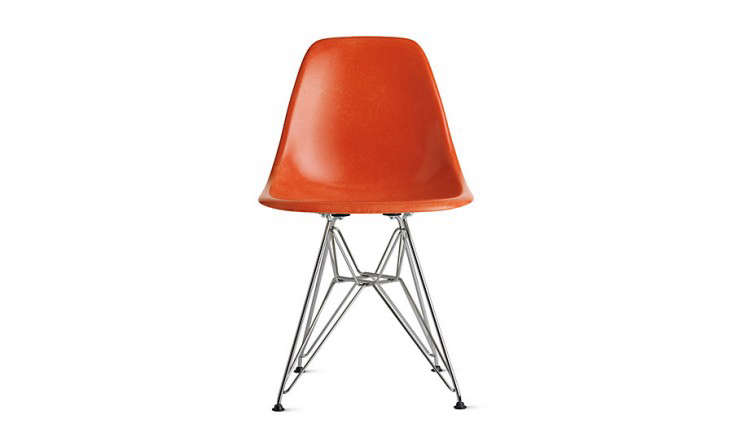
The Eames Molded Fiberglass Wire-Base Side Chair is one of those rare pieces of furniture that can sit quietly in a room and still make everyone else look like they tried too hard. It is simple, sculptural, practical, colorful, collectible, and just a little bit smug about being right for more than seven decades. Designed by Charles and Ray Eames, the chair belongs to the legendary Eames Shell Chair family, a group of designs that helped define mid-century modern furniture and changed the way people thought about affordable, mass-produced seating.
At first glance, it looks almost effortless: a molded fiberglass shell, a graceful bucket-like seat, and a wiry metal base with cross-bracing that resembles a tiny architectural structure. But that easy charm is the result of serious experimentation. The Eameses were not just making “a nice dining chair.” They were asking a bigger question: could modern design be comfortable, durable, beautiful, adaptable, and accessible at the same time? The answer, apparently, had four wire legs and looked fantastic beside a walnut table.
This article explores the history, design, materials, comfort, styling potential, buying considerations, and lived experience of the Eames Molded Fiberglass Wire-Base Side Chair. Whether you are furnishing a dining room, building a mid-century modern collection, or simply wondering why design lovers get emotional about a chair, this guide will help you understand why the Eames wire-base side chair still matters.
What Is the Eames Molded Fiberglass Wire-Base Side Chair?
The Eames Molded Fiberglass Wire-Base Side Chair is an armless side chair with a one-piece molded fiberglass shell mounted on a steel wire base. In Eames naming language, this type is often associated with the DSR model: Dining Height Side Chair Rod Base. “Dining height” explains its practical use, “side chair” means no arms, and “rod base” refers to the metal wire base. In everyday design slang, the base is often called the “Eiffel” base because its angled rods and cross-struts bring to mind the famous Paris tower. Not a bad comparison for something that also has excellent legs.
The chair’s appeal comes from contrast. The fiberglass shell is organic and gently curved, while the wire base is geometric and architectural. The shell looks soft even when it is firm. The base looks delicate but is structurally confident. Together, they create a design that feels light, modern, and surprisingly versatile.
A Short History: From Experiment to Icon
Charles and Ray Eames were relentless experimenters. Before the fiberglass shell chair, they had already explored molded plywood, wartime production methods, and new ways of shaping materials for the human body. Their goal was not decoration for decoration’s sake. They believed design should solve problems with intelligence, economy, and warmth.
The shell chair story is closely tied to the 1948 International Competition for Low-Cost Furniture Design organized by the Museum of Modern Art in New York. The postwar period created a real need for flexible, affordable furniture that could work in smaller homes and modern interiors. The Eameses entered seating concepts that explored a single shell shaped to fit the body and paired with different bases. The idea was radical: one comfortable seat form, many possible uses.
The earliest attempts involved metal, but metal proved too costly and difficult for the kind of mass production the Eameses imagined. Fiberglass-reinforced plastic offered a better path. It could be molded into complex curves, produced in quantity, colored, and left visible rather than hidden under upholstery. In 1950, Herman Miller introduced the Eames fiberglass shell chairs, and modern furniture got one of its most recognizable silhouettes.
Why Fiberglass Was Such a Big Deal
Today, fiberglass may sound familiar, but in residential furniture of the late 1940s and early 1950s, it was a daring material. Fiberglass had been used in industrial and military contexts, where beauty was not exactly the main agenda. Charles and Ray Eames saw something others missed: the material’s visible fibers, subtle color variation, and molded strength could become part of the chair’s personality.
The fiberglass shell is not perfectly flat or sterile. It has texture, depth, and tiny visual irregularities. Those striations are not flaws; they are the material telling you, “Yes, I am real.” Vintage collectors often prize early shells because the fibers can appear almost painterly, especially in colors like parchment, greige, elephant hide gray, seafoam green, orange, and red. The chair is industrial, but it does not feel cold. It has a handmade-looking soul inside a mass-produced object.
Modern fiberglass versions from Herman Miller revived the original character through updated manufacturing processes designed to be safer for workers and better aligned with contemporary environmental standards. This matters because the best design icons do not simply freeze in time. They adapt while protecting what made them special in the first place.
The Wire Base: Light, Strong, and Very Photogenic
The wire base is one of the chair’s most recognizable features. Its thin steel rods create a structure that looks airy but performs with confidence. The cross-bracing gives the chair stability while keeping the visual footprint light. This is why the Eames Molded Fiberglass Wire-Base Side Chair works so well in small apartments, dining rooms, studios, and offices. It does not visually crowd a space.
The base also makes the chair easy to pair with different interiors. Against a wood table, it adds a crisp modern edge. On a concrete floor, it looks gallery-ready. In a colorful kitchen, it becomes playful. In a minimalist room, it brings just enough shape to keep things from becoming emotionally unavailable.
Comfort: The Waterfall Edge and Body-Friendly Shell
The chair is famous not only because it looks good but because it works. The molded shell is shaped to cradle the sitter, with a curved back and a gently scooped seat. One of the most important comfort details is the waterfall front edge, which helps reduce pressure on the thighs. That feature sounds small until you sit through dinner, dessert, coffee, and a conversation about someone’s new sourdough starter. Then it becomes very important.
Because the chair is armless, it slides easily under tables and allows flexible movement. This makes it especially useful as a dining chair, desk chair, side chair, or occasional seating. It is not a deep lounge chair, and it is not trying to be one. Its comfort comes from ergonomic shaping, visual lightness, and everyday usability.
How to Style the Eames Molded Fiberglass Wire-Base Side Chair
In a Dining Room
The most obvious use is around a dining table. A set of matching Eames fiberglass wire-base side chairs creates a clean, iconic look. For a warmer approach, mix shell colors around a wood table. Parchment, gray, orange, and green can create a collected-over-time feeling without becoming chaotic. The chair’s slim wire base also helps large dining sets look less heavy.
In a Home Office
As a desk chair, the wire-base side chair works best for shorter work sessions or design-forward spaces where style matters as much as task ergonomics. It is perfect for a writing desk, bedroom workstation, or creative studio. Add a seat pad if you plan to sit for longer periods.
In an Entryway or Bedroom
One chair near an entry table can become a useful landing spot for bags, shoes, or the jacket you swear you are going to hang up later. In a bedroom, it can serve as a reading perch, vanity chair, or sculptural accent. Unlike bulky accent chairs, the Eames wire-base side chair adds design presence without eating half the room.
In Commercial Spaces
The Eames shell chair family has appeared in offices, schools, cafés, waiting areas, and public interiors for decades. The reason is simple: the design is durable, recognizable, and adaptable. It brings personality without shouting. In a café, it says “good taste.” In a design studio, it says “we know our history.” In a waiting room, it says “at least the chair is interesting.”
Vintage vs. Modern: Which One Should You Choose?
Choosing between a vintage Eames fiberglass chair and a modern authentic production depends on your priorities. Vintage chairs carry history. They may show patina, fiber variation, original labels, older shock mounts, and period-specific colors. For collectors, these details are part of the charm. A vintage shell can feel like a small design artifact, especially if it has aged gracefully.
Modern authentic versions offer consistency, warranty coverage, and updated materials. They are ideal for buyers who want the Eames look and experience without worrying about brittle fiberglass, worn mounts, mismatched bases, or questionable online listings. For everyday use, a current production chair may be the easier choice.
Either way, authenticity matters. Because the Eames shell chair is widely copied, buyers should look for reputable sellers, manufacturer certificates, labels, correct proportions, quality shock mounts, and accurate base construction. A bargain that looks “almost Eames” may become less charming when the base wobbles like a nervous deer.
Materials, Details, and Quality Signs
An authentic fiberglass shell should have depth and visible fiber character. The surface may include tiny cavities or subtle variations, especially in fiberglass versions. These are not necessarily defects. They are part of the material language. The wire base should feel stable, well-finished, and properly attached to the shell through shock mounts that allow a small degree of flex.
Important quality details include clean edges, balanced proportions, smooth glides, strong base welds, and a shell that feels supportive rather than flimsy. If buying used, inspect the shock mounts carefully. Loose or replaced mounts can affect value and safety. Also check for cracks around mounting points, heavy fading, or repairs that were done with more enthusiasm than skill.
Why the Chair Still Feels Modern
Many mid-century pieces are admired because they look vintage. The Eames Molded Fiberglass Wire-Base Side Chair is different: it still looks current. Its shape is so resolved that it does not need nostalgia to survive. The chair works in Scandinavian interiors, industrial lofts, modern farmhouses, colorful apartments, and minimalist homes. It can sit beside a marble table or a thrifted desk and somehow make both look intentional.
The secret is adaptability. Charles and Ray Eames designed the shell chair as a system, not a single precious object. Different shells, bases, colors, heights, and upholstery options allowed the chair to move through changing lifestyles. That flexible thinking is why the design has lasted. It was never just a chair; it was a platform for living.
Care and Maintenance
For everyday care, dust the shell regularly and wipe it with a soft damp cloth. Avoid harsh abrasives, aggressive solvents, or scrubbing pads that can damage the finish. Fiberglass has character, but it does not want to be attacked like a dirty grill pan. For the metal wire base, keep it dry and clean, especially near the feet and glides. If the chair is used on wood floors, make sure the glides are appropriate and in good condition.
Keep fiberglass chairs out of prolonged direct sunlight when possible, especially vintage pieces. UV exposure can affect color over time. If you own a vintage chair, treat it like usable design history: enjoy it, but do not abuse it. It has already survived decades of dinner parties, office moves, and possibly someone’s regrettable 1970s carpet.
Buying Tips for the Eames Molded Fiberglass Wire-Base Side Chair
Check the Source
Buy from authorized dealers, respected vintage shops, established auction platforms, or sellers with strong documentation. Authenticity is especially important because the shell chair’s fame has inspired countless reproductions.
Decide How You Will Use It
If the chair will be part of daily dining, prioritize condition, stability, and easy maintenance. If it is mainly a collectible or accent piece, vintage patina may matter more than flawless function.
Measure Your Space
The wire-base side chair is compact, but you should still measure table height, leg clearance, and walking space. Its armless design helps it tuck under tables, making it useful for smaller rooms.
Consider Color Carefully
Neutral tones are flexible, while brighter shell colors can become the visual star of a room. A single orange or seafoam chair can wake up a quiet corner. Four bright colors around one table can be wonderful, but only if the rest of the room is ready for that much personality.
Real-Life Experience: Living With an Eames Molded Fiberglass Wire-Base Side Chair
Living with an Eames Molded Fiberglass Wire-Base Side Chair is a little different from simply admiring one online. In photos, the chair is an icon. In real life, it becomes part of your daily rhythm. You pull it out in the morning while drinking coffee. You notice how the wire base catches light from the window. You slide it back under the table and appreciate that it does not make the room feel crowded. It is a design object, yes, but it is also a hardworking piece of furniture that understands the assignment.
The first thing many people notice is the shell. Fiberglass has a warmer presence than ordinary plastic. It has texture and visual depth, so the chair does not look flat or disposable. When sunlight hits the surface, the tiny fibers create a quiet shimmer. It is subtle, not sparkly, which is good because nobody wants a dining chair behaving like a disco ball before breakfast. The material gives the chair a sense of age and craft even when the form is clean and industrial.
The second thing is the base. The wire structure looks delicate, but it gives the chair a confident stance. In a small apartment, this matters. Chunky chairs can make a dining area feel tight, while the Eames wire base almost disappears. You get the function of a proper chair without the visual weight of a bulky frame. It is especially helpful around round tables, small breakfast nooks, and multipurpose rooms where every square foot has a job.
Comfort is better than many people expect. The chair is not padded like a lounge chair, but the molded shape supports casual sitting well. For meals, conversations, laptop sessions, and quick reading breaks, it feels natural. The waterfall edge is a small detail that makes a large difference. It helps the front of the seat feel less sharp against the legs, which is one reason the chair remains practical rather than merely pretty. For longer workdays, a seat pad can add softness without ruining the silhouette.
Styling the chair is also surprisingly easy. One chair can stand alone in a hallway or bedroom and look intentional. A pair can frame a small café table. A full set can make a dining room feel polished but not stiff. The fiberglass shell brings personality, while the wire base keeps everything light. This balance is why the chair can live with vintage rugs, modern lighting, plain white walls, exposed brick, walnut cabinets, or even a slightly chaotic bookshelf that claims to be “organized by vibe.”
The best experience, however, is how quietly useful the chair becomes. It does not demand attention every day. It simply improves the room by being well considered. That is the genius of Charles and Ray Eames: they created furniture that feels democratic, intelligent, and human. The Eames Molded Fiberglass Wire-Base Side Chair is not just a chair you look at. It is a chair you use, move, admire, and eventually wonder how your room ever looked complete without it.
Conclusion
The Eames Molded Fiberglass Wire-Base Side Chair remains one of the clearest examples of why mid-century modern design still has such staying power. It combines comfort, material innovation, visual lightness, and everyday function in a form that feels as fresh now as it did in the 1950s. The molded fiberglass shell offers warmth and character, while the wire base gives the chair architectural elegance without heaviness.
For design collectors, it is a historically important object. For homeowners, it is a practical and stylish side chair. For decorators, it is a flexible tool that can sharpen a room instantly. And for anyone who has ever underestimated the emotional power of a really good chair, the Eames wire-base side chair is a persuasive little argument with four very photogenic legs.
Note: This article is written for web publication in original American English, based on verified design history, manufacturer information, museum records, and reputable furniture references. No raw source links or unnecessary citation placeholders are included in the HTML body.