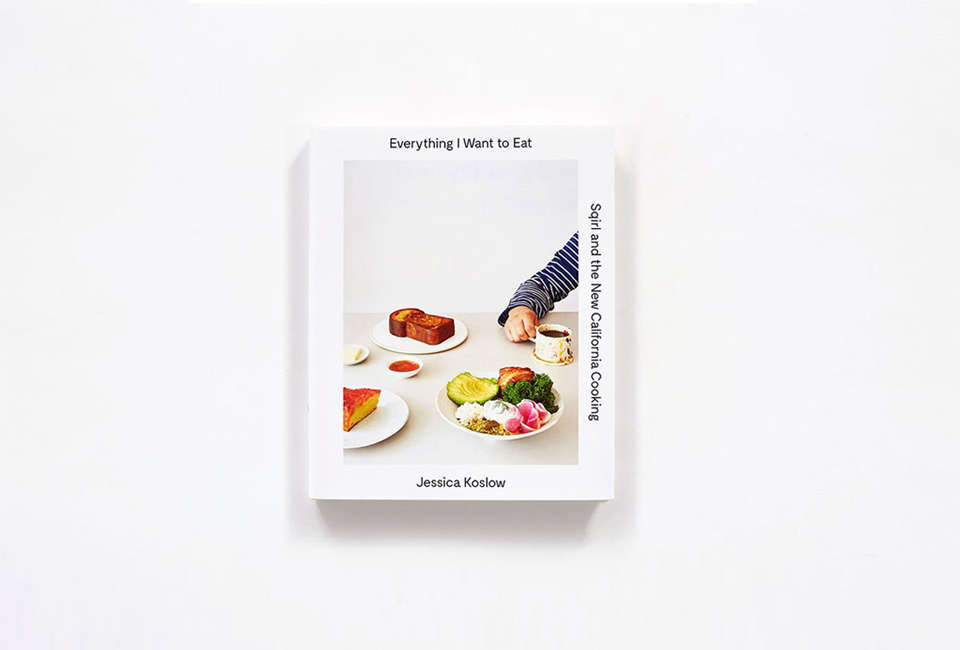
Some cookbooks tell you what to make for dinner. Everything I Want to Eat: Sqirl and the New California Cooking is more ambitious: it tries to explain why a certain kind of Los Angeles food became almost impossible to resist. Think deeply toasted bread wearing an unreasonable amount of ricotta, jewel-colored jam, brown rice sharpened with lemon, vegetables treated like main characters, and breakfast that apparently never received the memo about ending at 10:30 a.m.
Published by Abrams on October 4, 2016, Jessica Koslow’s first cookbook grew out of Sqirl, the Los Angeles restaurant that itself developed from Koslow’s small-batch preserves business. The book contains more than 100 recipes and presents a market-driven approach in which grains, vegetables, fruit, eggs, fermented condiments, seafood, meat, and desserts comfortably occupy the same culinary universe.
That universe is what the subtitle calls New California Cooking. It is colorful without being merely decorative, health-conscious without behaving like punishment, and casual without being careless. Most importantly, it helped define a style of food that traveled far beyond Southern California.
What Is Everything I Want to Eat?
At its simplest, Everything I Want to Eat is the Sqirl cookbook. But describing it that way is like calling California a place where they grow avocados. Technically correct. Spectacularly incomplete.
The book collects signature Sqirl ideas including the sorrel-pesto rice bowl, burnt brioche toast with ricotta and seasonal preserves, raspberry-cardamom jam, grain-and-vegetable combinations, milk made from almonds and hazelnuts, and desserts such as chocolate cookies with fleur de sel. Rather than forcing everything into an old-fashioned appetizer-main-dessert structure, its organization follows ingredients and broader themes, reinforcing the idea that modern meals do not always need rigid categories.
That organizational choice matters. A bowl of rice with pesto, feta, preserved lemon, greens, and an egg could be breakfast, lunch, dinner, or the meal you eat while standing at the kitchen counter wondering why you own six chairs. The food is flexible because contemporary eating is flexible.
Sqirl and the Birth of a Very Los Angeles Cookbook
Sqirl’s story began with preserves. Koslow worked with California fruit and developed jams that emphasized the character of particular varieties rather than simply making everything taste like sweetened fruit paste. The restaurant followed in 2012, and dishes such as its sorrel rice bowl and oversized brioche toast helped turn the small Virgil Village operation into an influential all-day destination. The Los Angeles Times later credited Sqirl with helping reshape how restaurants around the country approached breakfast and all-day dining.
Jam Is Not Just for Toast
Preserving fruit is central to the Sqirl identity, but the larger lesson is about concentration. A good preserve captures a season and keeps its personality alive after the fruit itself has disappeared from the market.
This philosophy explains why jam becomes more than a breakfast accessory in Koslow’s food. Sweetness can meet cheese, roasted vegetables, rich bread, spice, herbs, or savory sauces. Food & Wine documented Sqirl’s jam-stuffed brioche French toast, while Serious Eats highlighted the restaurant’s treatment of distinctive California berry varieties.
The result is food built on contrast: sweet against salty, creamy against acidic, soft against crunchy. Nothing is allowed to spend too much time being boring.
What Does “New California Cooking” Actually Mean?
California cuisine has long been associated with seasonality, farmers’ markets, excellent produce, and a willingness to borrow techniques and flavors from many traditions. The Sqirl version keeps those principles but turns the brightness dial considerably higher.
An Eater profile described Koslow’s cooking as an effort to create substantial food without relying primarily on the richness of animal fat. Acidity and condiments often do the heavy lifting instead. The famous sorrel-pesto rice bowl demonstrates the method particularly well: brown rice gains layers of sharpness and depth from sorrel, preserved lemon, fermented chile, and tangy cheese.
1. Start With Excellent Ingredients
This cooking style assumes that a carrot should taste strongly of carrot and a plum should be allowed to act like a plum. Seasonal ingredients are not buried beneath elaborate sauces simply because the chef owns a blender.
The relationship with growers is therefore part of the cooking. KCRW’s coverage of the cookbook included one of the farmers Koslow worked with, illustrating how sourcing and restaurant cooking intersect in the Southern California food system.
2. Add Acid Until the Dish Wakes Up
Lemon juice, preserved citrus, cultured dairy, fermented hot sauce, vinegar, pickles, and tart fruit repeatedly appear around the Sqirl style of cooking. Acid is not merely seasoning here. It is architecture.
A rich grain bowl without acidity can feel sleepy. Add preserved lemon and a bright herb sauce, and suddenly everyone is awake and looking for a fork.
3. Make Vegetables Interesting, Not Merely Virtuous
There is a major difference between eating vegetables because someone told you to and eating vegetables because the plate looks so good that the chicken has become nervous about its job security.
Recipes associated with Koslow include caramelized kabocha squash paired with bitter greens, sprouted chickpea socca topped with herbs and yogurt, and a sprouted grain dish combining buckwheat, quinoa, citrus, herbs, and spiced prawns. These examples demonstrate how texture, spice, herbs, and acidity transform produce and grains into complete dishes rather than obligatory side servings.
The Famous Sqirl Dishes That Define the Book
Sorrel-Pesto Rice Bowl
If one dish could explain the entire Sqirl philosophy, the sorrel-pesto rice bowl would make a strong candidate. Brown rice creates the foundation. Sorrel brings herbal acidity. Preserved lemon adds another dimension of citrus. Fermented chile supplies heat and tang. Cheese contributes salinity and richness.
The brilliance is not that every ingredient is exotic. Most are not. The brilliance is the layering. Each component performs a separate job, which is a useful lesson for home cooks trying to understand why one bowl tastes exciting while another tastes suspiciously like meal preparation performed under protest.
Burnt Brioche Toast, Ricotta, and Jam
Then there is the toast. The absurdly thick, dramatically browned, ricotta-covered toast became one of Sqirl’s visual signatures. Condé Nast Traveler described its scale as intentionally playful and nostalgic, while Bon Appétit noted just how recognizable the brioche, ricotta, and jam combination had become.
Calling it “toast” almost feels unfair. This is toast after acquiring a publicist.
Yet there is a serious technique underneath the spectacle. Thick bread allows for a crisp exterior and soft interior. Aggressive browning develops bitterness and caramelized flavor. Mild ricotta becomes a creamy buffer between deeply toasted bread and concentrated fruit.
Crispy Rice and Grain Bowls
The cookbook also captures the period when grain bowls escaped the health-food niche and became genuinely desirable restaurant food. Sqirl’s crispy brown rice combinations used fried or toasted grains to introduce crunch alongside herbs, vegetables, spice, and acidic dressings.
Food52’s published version of Sqirl’s crispy brown rice “kabbouleh” credits both Jessica Koslow and Ria Barbosa and shows how puffed brown rice can act almost like a savory crunchy garnish rather than a plain starch.
A Cookbook That Looks Like Los Angeles
The visual identity of Everything I Want to Eat received nearly as much attention as its recipes. Bon Appétit selected it among its standout cookbooks of 2016 and praised a design approach that avoided the familiar rustic-linen aesthetic then common in food publishing. The Los Angeles Times similarly described the volume as closer to an art book, using unusual compositions, neighborhood personalities, cooks, and food photography to build a broader portrait of Sqirl’s world.
This matters because the book is not simply communicating instructions. It is communicating a place.
The photographs and layouts suggest Southern California without resorting to palm-tree wallpaper. Instead, the personality comes through in produce, people, ceramics, unconventional plating, sunlight, and the slightly chaotic confidence of a busy neighborhood restaurant.
Is the Sqirl Cookbook Practical for Home Cooks?
Yes, with one important qualification: practical does not necessarily mean effortless.
Some restaurant cookbooks quietly assume you maintain three stocks, two dehydrators, and an employee whose entire job is peeling hazelnuts. Everything I Want to Eat is substantially more approachable, but it does not flatten restaurant cooking into five-ingredient shortcuts.
Maria Zizka, who collaborated on the cookbook and has discussed translating restaurant recipes for domestic kitchens, has emphasized feasibility rather than simplistic ease: recipes should work with equipment real home cooks are likely to own.
That distinction describes the book well. A recipe may ask you to make multiple components, preserve something, toast a grain, prepare a sauce, or wait overnight. The reward is learning techniques that can escape the original recipe.
Techniques You Can Reuse Everywhere
- Build grain bowls from contrasting textures rather than simply piling toppings onto rice.
- Use preserved citrus, vinegar, cultured dairy, and fermented condiments to balance richness.
- Toast bread aggressively enough to create real flavor.
- Treat jam and fruit preserves as ingredients for savory cooking.
- Combine raw and cooked versions of vegetables for textural contrast.
- Use herbs generously instead of sprinkling three leaves on top as an apology.
- Cook eggs with enough attention that yolk, white, and texture all contribute to the dish.
Bon Appétit, for example, documented Koslow’s “fry-baking” approach to eggs, designed to fully set the whites while protecting a runny yolk. It is the sort of small technique that remains useful long after you stop following a recipe word for word.
Why the Cookbook Was Influential
Looking back, many characteristics that once made Sqirl unusual now seem almost ordinary: all-day cafés, serious toast, grain bowls, fermented condiments, seed-heavy snacks, vegetable-forward menus, photogenic breakfast, and restaurant food comfortable with vegan or vegetarian substitutions.
That familiarity is partly evidence of influence. Epicurious included the book among notable fall 2016 releases, while Eater positioned Sqirl among restaurants driving contemporary trends. Food52 later continued documenting Sqirl ideas such as turmeric millet granola, showing how the restaurant’s habit of combining nostalgia with unexpected techniques extended well beyond its original famous dishes.
The enduring lesson is not “put avocado on everything.” The stronger lesson is to build meals from excellent ingredients, intense condiments, contrasting textures, and enough flexibility to make breakfast resemble dinner and dinner resemble something you accidentally invented at 3 p.m.
An Important Note About Restaurant Cookbooks and Credit
There is also later context worth acknowledging. In 2020, former Sqirl employees publicly raised concerns about working conditions, food-safety practices, and how credit had been assigned for some restaurant dishes. Reporting by the Los Angeles Times explored the complicated question of recipe ownership and noted claims from former employees that they had contributed to recipes or dishes associated with Sqirl and the cookbook. Koslow responded that many restaurant recipes were collaborative or originated with members of the kitchen team, while cookbook collaborator Maria Zizka emphasized that cookbooks are generally produced through the work of many people.
That history does not erase the cookbook’s culinary importance, but it makes a useful point for modern readers: restaurant culture is collective. A chef’s name may appear on the cover, while the food itself often reflects cooks, pastry chefs, farmers, recipe developers, photographers, editors, and many other contributors.
Who Will Enjoy Everything I Want to Eat?
This book is especially appealing to cooks who enjoy farmers’ market produce, California cuisine, brunch recipes, grain bowls, homemade preserves, vegetable-forward meals, unusual condiments, and recipes that teach ideas rather than simply provide instructions.
It is less suitable for someone seeking only ultra-fast weeknight cooking. You can certainly extract quick ideas from it, but the book is happiest when you are willing to make components and treat Saturday cooking as entertainment rather than an emergency response to hunger.
It also rewards visual readers. If cookbooks regularly end up on your coffee table because they are too attractive to imprison beside the microwave, this one understands you.
Conclusion: More Than Fancy Toast
Everything I Want to Eat: Sqirl and the New California Cooking captures a particular moment when Los Angeles breakfast, farmers’ market cooking, preserves, grains, fermented flavors, and vegetable-centered dishes were combining into something that felt new.
The book’s strongest contribution is a way of thinking. Start with ingredients worth tasting. Create contrast. Add acid. Preserve what is fleeting. Make vegetables exciting. Respect texture. Do not assume healthy food needs to whisper sadly from the corner of the plate.
And yes, sometimes slice the bread ridiculously thick.
Cooking From the Sqirl Mindset: A 500-Word Home-Kitchen Experience
A realistic experience of cooking from Everything I Want to Eat begins before anything reaches the stove. The first noticeable change is how you shop. Instead of walking into a grocery store thinking, “I need vegetables,” you begin wondering which vegetable actually looks good today. Suddenly the bunch of herbs with crisp leaves matters. The ripe apricots matter. A lemon stops being a yellow object purchased in a net bag and becomes an ingredient whose acidity might rescue dinner.
The second lesson arrives when you attempt a grain bowl. At first, the number of components can look mildly ridiculous. Rice is already food, you may argue. Why does it need pesto, preserved citrus, cheese, greens, chile, and an egg?
Then you eat everything together.
The rice gives chew. The greens provide freshness. Something fermented provides acidity and heat. Cheese contributes salt and richness. A soft egg turns into a sauce. Suddenly the bowl makes sense because no single component is responsible for being delicious all by itself.
This changes the way leftovers look. Yesterday’s brown rice is no longer sad refrigerator cargo. Add a sharp dressing, crispy seeds, herbs, roasted vegetables, and something creamy, and it becomes lunch. The Sqirl approach makes leftovers feel less like evidence of poor meal planning and more like ingredients waiting for a second career.
Toast provides another useful revelation. Most home toast is cooked until it becomes technically brown. Sqirl-style toast encourages more courage. Let the surface become dark enough to taste deeply roasted. Keep the center tender. Add creamy ricotta, yogurt, avocado, or another rich spread, followed by fruit preserves or something acidic.
The difference is texture. Ordinary toast is a platform. Properly cooked thick toast becomes part of the dish.
Preserves also begin migrating around the kitchen. A tart apricot jam can sit beside cheese. Berry preserves can enter a vinaigrette. Tomato jam can transform a sandwich. The refrigerator door starts looking less like condiment storage and more like a small flavor laboratory.
Not everything is effortless. A multi-component recipe can consume more bowls than expected. Some ingredients require planning. Sprouting, fermenting, preserving, or preparing grains in advance does not cooperate with the modern desire to decide what is for dinner seven minutes before dinner.
But that inconvenience is part of what makes the book educational. You stop judging recipes only by how quickly they produce food and start noticing whether they teach reusable skills.
After several meals inspired by the book, perhaps the biggest shift is confidence. You become more comfortable substituting one green for another, changing a grain, adding acidity when something tastes flat, or introducing crunch when a bowl feels monotonous. You begin tasting the structure of a dish instead of treating the written recipe as legislation.
That is probably the best experience associated with Everything I Want to Eat. The goal is not to transform a home kitchen into Sqirl. It is to understand enough of the restaurant’s culinary grammar that you can begin forming your own sentences.
Eventually you open the refrigerator, see rice, herbs, yogurt, half a lemon, some roasted squash, and a jar of something aggressively fermented, and think: I can work with this.
At that point, the cookbook has done something more useful than teaching you one hundred recipes. It has taught you how to want dinner differently.
Note: This article is an original editorial synthesis based on published cookbook information, culinary reporting, recipe coverage, and historical reporting about Sqirl. Recipe descriptions are summarized for commentary and do not reproduce the cookbook’s full recipes or instructions.