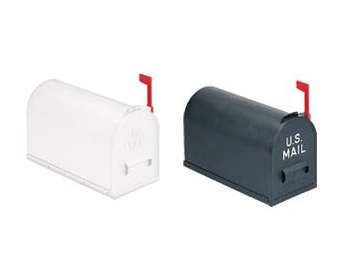
The Flambeau Classic #2 Rural Mailbox is not the kind of home upgrade that makes people gasp like you just installed a marble waterfall in the foyer. It is better than that: it is useful every single day, quietly handles bills, catalogs, seed packets, birthday cards, small packages, and the occasional mysterious envelope that makes everyone in the house ask, “Who ordered something?”
For homeowners with curbside delivery, a rural mailbox is more than a container on a post. It is the first small handshake between your property and the outside world. The Flambeau Classic #2 Rural Mailbox, commonly associated with model numbers such as T-R7003WT in white and related #2 poly mailbox listings, is designed for that traditional American roadside setup: practical, roomy, weather-ready, and simple enough that it does not need a 47-page instruction manual or a support group.
This guide looks at what makes the Flambeau Classic #2 mailbox appealing, how it compares with other rural mailbox options, what to know before installation, and how to make it last. We will also talk about curb appeal, postal guidelines, maintenance, and the real-life experience of using a large plastic rural mailbox through ordinary American weather, which is rarely ordinary.
What Is the Flambeau Classic #2 Rural Mailbox?
The Flambeau Classic #2 Rural Mailbox is a post-mounted, rural-style mailbox made for curbside mail delivery. It follows the familiar rounded-top mailbox shape many people associate with country roads, suburban streets, and long driveways where the mailbox is the unofficial neighborhood landmark.
Unlike small wall-mounted boxes near a front door, this type of mailbox is meant to sit beside the road on a post. The “#2” label generally points to a larger rural mailbox size, making it more generous than a compact standard mailbox. That extra room matters if your household receives magazines, envelopes, padded mailers, prescription refills, checks, replacement phone chargers, seed catalogs, or those “small” online orders that somehow arrive in a box big enough to house a raccoon.
Key Product Features
Product listings for the Flambeau Classic #2 rural mailbox commonly highlight a molded plastic or copolymer construction, interior struts for added strength, a roomy interior, front access, and traditional rural styling. Some listings mention a door mail slot or lockable security features, while others identify specific #2 variants as non-locking. Because mailbox model details can vary by retailer and SKU, buyers should always confirm the exact version before purchasing.
Several listings describe #2 Flambeau poly mailbox variants with approximate dimensions around 22.5 inches long, 10.75 inches wide, and 14.5 inches high. That puts it in the extra-large mailbox category for many homeowners. In plain English, it is large enough to be practical without looking like you installed a miniature garage at the curb.
Why Choose a Plastic Rural Mailbox?
Traditional rural mailboxes are often made from galvanized steel, aluminum, plastic, polymer, or decorative cast materials. The Flambeau Classic #2 Rural Mailbox leans into the plastic/polymer category, which has several real-world advantages.
1. Rust Resistance
Plastic mailboxes do not rust the way steel mailboxes can. That is a major benefit in wet climates, snowy regions, coastal areas, and places where road salt is part of winter life. A steel mailbox can be durable, but once paint chips and moisture finds a way in, rust begins its slow little villain arc. A plastic rural mailbox avoids that issue almost completely.
2. Lightweight Installation
A plastic mailbox is usually easier to handle during installation than a heavy metal or cast aluminum box. If you are mounting it on a post yourself, that lighter weight makes measuring, leveling, and fastening less awkward. Your back will appreciate this. Your knees may still file a complaint, but at least the mailbox will not feel like a small safe.
3. Weather-Friendly Design
Mailboxes live outdoors 24/7. They face rain, heat, snow, wind, dust, UV exposure, lawn sprinklers, bugs, birds, and the occasional neighborhood basketball. A molded mailbox with reinforced internal structure can handle daily weather well, especially when installed properly and cleaned occasionally.
4. Simple Traditional Appearance
The Flambeau Classic #2 keeps a familiar rural profile. It is not trying to become a sculpture, a futuristic pod, or a mailbox that looks like it belongs to a secret agent. That classic shape fits farmhouses, ranch homes, cottages, traditional suburban homes, and practical driveways where function comes first.
USPS Mailbox Placement: What Homeowners Should Know
Before installing the Flambeau Classic #2 Rural Mailbox, it is important to understand basic USPS curbside mailbox guidelines. In general, curbside mailboxes should be positioned so the mail carrier can safely deliver mail from the vehicle without leaving the route vehicle.
Common USPS guidance says curbside mailboxes are typically installed with the mailbox floor or mail entry point 41 to 45 inches above the road surface. The mailbox door is usually placed 6 to 8 inches back from the curb or road edge. Homeowners should contact the local post office before installing or replacing a mailbox because road conditions, rural routes, snowplow clearance, and local delivery requirements can differ.
This is one of those small details that saves big headaches. A mailbox installed too far from the curb can force the carrier to stretch like a yoga instructor. A mailbox installed too close can get clipped by mirrors, plows, or passing vehicles. A mailbox installed too low can make delivery awkward; too high, and it becomes mailbox basketball. The goal is boring perfection: easy to reach, safe to approach, and stable enough to survive daily service.
Installation Tips for the Flambeau Classic #2 Rural Mailbox
Installing a rural mailbox is usually a manageable DIY project, especially if you already have a sturdy post. Still, do not underestimate the importance of measuring twice and digging once. Mailbox installation is simple, but simple projects have a funny way of becoming weekend sagas when someone says, “We probably do not need the level.” You do. Use the level.
Choose the Right Post
The mailbox post should be sturdy, safe, and compatible with the mailbox mounting pattern. Many homeowners use a treated 4-by-4 wood post, a metal mailbox post, or a decorative sleeve system over a wood core. Avoid overly rigid, hazardous roadside structures such as massive masonry columns or heavy steel supports unless local rules allow them and they are properly set back. Roadside safety matters.
Check Mounting Hardware
Depending on the version purchased, the Flambeau Classic #2 may require mounting screws, a mounting board, or an adapter plate. Do not assume every mailbox includes all hardware. Retail listings vary. Before the old mailbox comes down, open the box, confirm the hardware, and make sure your post or platform matches the new mailbox base.
Set the Height Carefully
Measure from the road surface, not simply from the ground around the post. This matters if your road has a raised curb or shoulder slope. Aim for the USPS-friendly range and confirm with the local post office if your road has unusual conditions.
Add Clear Address Numbers
Your house number should be visible and easy to read. If the mailbox is on a different street from the house entrance, include the full street address. Use weather-resistant numbers with strong contrast. A beautiful mailbox with invisible numbers is like a name tag written in lemon juice: technically there, practically useless.
Design and Curb Appeal
A mailbox is small, but it can still influence curb appeal. The Flambeau Classic #2 Rural Mailbox has a simple shape, which makes it flexible. It can blend into the landscape or become part of a neat roadside vignette.
Pair It With a Clean Post
A fresh white or black mailbox looks best when the post is straight, clean, and proportionate. If the post is leaning like it just heard bad news, the whole setup looks neglected. Before installing the mailbox, inspect the post for rot, cracks, rust, loose hardware, or wobbling.
Use Landscaping Wisely
Low-maintenance plants around the mailbox can look charming, but keep them away from the carrier’s access path. Avoid thorny bushes, tall ornamental grasses, or anything that attracts bees right beside the door. Your mail carrier should not have to fight a botanical security system to deliver a birthday card.
Keep the Look Consistent
Match the mailbox color to your house trim, fence, shutters, or driveway accents. White can look crisp and traditional. Black can look classic and grounded. A simple rural mailbox works well when the surrounding details are tidy: fresh post, clear numbers, trimmed grass, and no leaning stack of “temporary” bricks that have been temporary since 2018.
Durability: What to Expect Over Time
The Flambeau Classic #2 Rural Mailbox is built for everyday residential use. Molded plastic construction helps resist rust and reduces maintenance compared with some metal boxes. Interior reinforcement, often described as strut construction in product listings, can help improve rigidity and shape retention.
Still, no mailbox is indestructible. Plastic can fade after long UV exposure. Hinges and doors can loosen with repeated use. Latches can wear. Snowplows, thrown gravel, strong winds, and careless drivers can all cause damage. The best approach is not to expect immortality, but to support longevity with good installation and basic care.
Maintenance Checklist
- Wash the mailbox with mild soap and water a few times per year.
- Check that the door opens and closes smoothly.
- Tighten mounting screws when needed.
- Replace faded or peeling address numbers.
- Inspect the post after storms, heavy snow, or lawn equipment bumps.
- Keep plants trimmed so the carrier has clear access.
Flambeau Classic #2 vs. Metal Mailboxes
A common question is whether a plastic rural mailbox is better than a metal one. The honest answer: it depends on your climate, budget, style preference, and how much maintenance you want to do.
A metal mailbox can feel more rigid and may offer a classic crisp finish, especially in galvanized steel or aluminum. However, steel can rust if scratched or neglected. Aluminum resists rust better but may cost more. Decorative cast mailboxes can look beautiful, but they are often heavier and more expensive.
The Flambeau Classic #2 Rural Mailbox makes sense for homeowners who want a lightweight, rust-resistant, roomy, traditional mailbox without overcomplicating the purchase. It is not trying to compete with luxury architectural mailboxes that cost more than a small appliance. It is built for practical curbside delivery, and that is exactly its charm.
Who Is This Mailbox Best For?
The Flambeau Classic #2 Rural Mailbox is a strong fit for homeowners who receive regular curbside delivery and want extra capacity without moving into parcel-vault territory. It is especially useful for rural homes, suburban homes with roadside delivery, rental properties, workshops, farm lanes, and homes where mail volume is more “healthy stack” than “single postcard.”
Best Use Cases
This mailbox is best for households that receive magazines, envelopes, catalogs, small padded mailers, and multiple days of mail. It is also a good option for homeowners who want a mailbox that resists rust and does not demand much maintenance. If you travel frequently or receive many packages, you may still want a dedicated locking parcel box or mail hold service for security. A large rural mailbox is convenient, but it is not a bank vault wearing a flag.
Buying Tips Before You Click “Add to Cart”
Because the Flambeau Classic #2 Rural Mailbox has appeared in multiple retailer listings and related model variants, check the details before buying. Confirm the color, dimensions, lock status, included hardware, USPS approval wording, and return policy. If the listing mentions a mail slot or locking feature, inspect product photos and specifications carefully. If security is a priority, choose a clearly identified locking mailbox that meets your needs.
Also measure your current setup. A larger #2 mailbox may need a wider mounting board or post adapter than a smaller box. It is better to discover that before removing the old mailbox, not while standing next to the road holding a screwdriver and questioning every decision that led to this moment.
Common Mistakes to Avoid
Installing Without Local Confirmation
USPS guidance is a strong starting point, but local post offices may have specific recommendations based on route vehicles, road shoulders, snowplows, or traffic patterns. A quick confirmation can prevent delivery problems.
Using Weak or Rotten Posts
A strong mailbox on a failing post is like putting new tires on a shopping cart. The whole thing still wobbles. Replace damaged posts before installing a new mailbox.
Forgetting Visibility
Clear house numbers matter for mail delivery, emergency services, guests, contractors, and anyone trying not to circle the block three times. Use large, readable numbers on the mailbox or post.
Ignoring Drainage and Weather Exposure
Install the mailbox level and secure, but also consider how rain, snow, and road splash hit the box. A mailbox sitting in a low, muddy, spray-heavy area will need more cleaning and may age faster.
Real-World Experience With the Flambeau Classic #2 Rural Mailbox
Living with a large rural mailbox like the Flambeau Classic #2 is mostly an exercise in appreciating small conveniences. You notice it most on the days when the mail is awkward: a thick envelope from the insurance company, a gardening catalog the size of a travel magazine, a padded mailer containing one tiny replacement part, and three pieces of regular mail that somehow slide everywhere like they are training for the Olympics.
The extra capacity is the first thing that feels useful. A small mailbox can become overcrowded quickly, especially if the household receives magazines or several days of mail. With a larger #2-style mailbox, the mail has room to lie flatter, which helps reduce bent envelopes and crushed corners. It also makes retrieval easier because you are not performing a delicate extraction procedure every time a catalog gets wedged against the door.
The plastic construction is another practical advantage. In rainy weather, the mailbox does not develop the same rust anxiety that comes with older steel boxes. You still need to keep it clean, especially if road dust, pollen, or sprinkler overspray builds up, but maintenance feels simple. A quick wash with mild soap and water can make it look presentable again. This is especially nice in rural or semi-rural settings where dust is not an occasional visitor; it is basically a roommate.
Door function matters more than people expect. A mailbox door that closes securely helps protect mail from wind-driven rain and prevents letters from escaping into the roadside wilderness. Over time, it is worth checking the latch and hinge area. If the door starts feeling loose, do not ignore it. Small adjustments early can prevent bigger annoyances later.
Another experience-based lesson is that installation quality affects everything. A straight, stable post makes even a simple mailbox look intentional. A crooked post makes even a brand-new mailbox look tired by Wednesday. Taking time to measure the height, align the box, and tighten the hardware pays off every day. It also helps your mail carrier, which is one of those quiet neighborly gestures that does not require a casserole.
For curb appeal, the Flambeau Classic #2 works best when it is treated as part of the property, not an afterthought. Add clean address numbers. Trim grass around the base. Keep decorations tasteful and seasonal. A small reflective number panel can help with visibility, especially in rural areas where houses may sit back from the road. If the mailbox is white, occasional cleaning keeps it bright. If it is black, dust may show more in dry areas, but the classic look pairs well with many post styles.
The biggest limitation is security. A standard rural mailbox is convenient, but it is not designed to replace a locking parcel drop box or secure package locker. If mail theft is common in your area, consider a dedicated locking mailbox, a parcel box, USPS Informed Delivery, or mail hold options when traveling. The Flambeau Classic #2 is best understood as a practical, roomy, everyday mailbox for regular delivery rather than a high-security storage solution.
Overall, the experience is pleasantly boring in the best possible way. A good mailbox should not be dramatic. It should open, close, hold mail, resist weather, show your address clearly, and avoid becoming a neighborhood problem. The Flambeau Classic #2 Rural Mailbox does that job with a familiar shape and useful capacity. It is the kind of product you stop thinking about once it is installed correctly, and for a mailbox, that is a compliment.
Final Thoughts
The Flambeau Classic #2 Rural Mailbox is a practical choice for homeowners who want a roomy, rust-resistant, traditional post-mounted mailbox. Its large rural profile makes it useful for everyday mail, catalogs, and small envelopes, while its molded construction helps reduce the maintenance concerns associated with rust-prone metal boxes.
Before buying, confirm the exact model, color, dimensions, hardware, and locking details. Before installing, check USPS placement guidance and local post office recommendations. After installation, keep it clean, visible, and secure. Do those things, and this mailbox can become exactly what a good mailbox should be: dependable, low-drama, and always ready for whatever the mail truck brings next.
Note: This article is written in a publication-ready format and synthesized from current product information, USPS curbside mailbox guidance, and U.S. home-improvement best practices. Source links are intentionally omitted from the article body as requested.