Some desserts require a stand mixer, three specialty pans, and the patience of a person assembling miniature furniture. Graham cracker sandwiches require none of those things. They are sweet, creamy, pleasantly crunchy, and ready with little more than a bowl, a spoon, and enough self-control not to eat the filling before assembly.
This easy graham cracker sandwiches recipe combines honey-flavored crackers with a smooth peanut butter and cream cheese filling. The result falls somewhere between a sandwich cookie, a no-bake cheesecake bite, and the after-school snack you wish had been waiting in your childhood kitchen.
The basic recipe takes about 15 minutes to prepare and can be served immediately for maximum crunch, refrigerated for a softer cookie-like texture, or frozen for a cool dessert. Better yet, the filling is easy to customize with chocolate, fruit, marshmallow cream, jam, sprinkles, or whatever delicious mischief happens to be hiding in the pantry.
Recipe note: The standard version contains peanuts, wheat, and dairy. Allergy-friendly substitutions are included below. Because the filling contains cream cheese, keep the finished sandwiches refrigerated when they are not being served.
Why Graham Cracker Sandwiches Work So Well
Graham crackers have a lightly sweet, toasted flavor that plays well with rich fillings without competing with them. Their crisp texture provides structure, while their mild notes of honey, cinnamon, and whole grain balance the creamy peanut butter mixture.
The filling is intentionally thicker than frosting. Cream cheese gives it body and a gentle tang, peanut butter adds richness and a salty roasted flavor, and powdered sugar sweetens the mixture without making it grainy. Vanilla rounds everything out, while a pinch of salt prevents the dessert from tasting like it wandered into a sugar factory and forgot the way home.
Time also changes the character of these no-bake graham cracker sandwiches. Eat one immediately and the crackers remain crisp. Chill the assembled sandwiches for an hour and the filling firms while the crackers soften slightly. Leave them refrigerated overnight and they develop a tender, cake-like bite similar to an icebox dessert.
Easy Graham Cracker Sandwiches Recipe
Preparation time: 15 minutes
Optional chilling time: 30 minutes
Total time: 15 to 45 minutes
Yield: 12 graham cracker sandwiches
Cooking method: No-bake
Ingredients
- 12 whole honey graham cracker sheets
- 4 ounces block-style cream cheese, softened
- 1/2 cup creamy peanut butter
- 1/3 cup powdered sugar, sifted if lumpy
- 1 teaspoon pure vanilla extract
- 1/8 teaspoon fine salt
- 1 to 2 teaspoons milk, only if needed
Optional Decorations
- Mini chocolate chips
- Rainbow or chocolate sprinkles
- Finely chopped roasted peanuts
- Crushed graham crackers
- Melted semisweet or milk chocolate
- Freeze-dried strawberry crumbs
Equipment
- Medium mixing bowl
- Electric hand mixer or sturdy spoon
- Rubber spatula
- Butter knife or small offset spatula
- Baking sheet or large plate
- Parchment paper, if dipping the sandwiches in chocolate
How to Make Graham Cracker Sandwiches
Step 1: Prepare the Graham Crackers
Break each whole graham cracker sheet along the perforated line to create 24 squares. Work gently and support the cracker with both hands. Graham crackers are cooperative until the exact moment you need them to look presentable.
Arrange the squares in pairs on a clean work surface. Pairing them before adding the filling makes assembly faster and prevents a last-minute search for matching tops.
Step 2: Make the Creamy Filling
Place the softened cream cheese and peanut butter in a medium bowl. Beat with an electric mixer on medium speed for about one minute, or mix vigorously with a sturdy spoon, until completely smooth.
Add the powdered sugar, vanilla extract, and salt. Beat again until the mixture is creamy, fluffy, and evenly blended. Scrape the bottom and sides of the bowl so no streaks of cream cheese remain.
The filling should be soft enough to spread but firm enough to stay between the crackers. When it seems unusually stiff, mix in milk one teaspoon at a time. Avoid adding too much liquid, or the sandwiches may become soggy and the filling may attempt a dramatic escape through the edges.
Step 3: Fill the Sandwiches
Spoon approximately one tablespoon of filling onto the flat side of 12 graham cracker squares. Spread it into an even layer, stopping about 1/4 inch from the edges.
Place the remaining cracker squares on top with their flat sides facing the filling. Press very gently until the filling moves toward the edges. Do not squeeze hard; these are dessert sandwiches, not stress balls.
Step 4: Decorate
Serve the sandwiches plain or roll the exposed filling edges in mini chocolate chips, sprinkles, chopped peanuts, or crushed graham crackers. Press the toppings lightly into the filling so they stay attached.
For chocolate-dipped graham cracker sandwiches, melt chocolate in a microwave-safe bowl in 20-second intervals, stirring after each interval. Dip one side or one corner of each sandwich into the melted chocolate. Place the dipped sandwiches on parchment paper and refrigerate until the coating is firm.
Step 5: Serve or Chill
Serve immediately for a crisp snack. For a firmer filling and slightly softer crackers, refrigerate the sandwiches for 30 to 60 minutes. They can also be frozen until solid for a refreshing warm-weather dessert.
Tips for the Best Graham Cracker Sandwiches
Soften the Cream Cheese Properly
Cold cream cheese does not blend smoothly and may leave stubborn white lumps in the filling. Let it stand at room temperature for about 30 minutes before mixing. Cut it into small cubes to help it soften faster.
Use Conventional Creamy Peanut Butter
Traditional creamy peanut butter creates the most stable filling. Natural peanut butter can work, but it must be stirred extremely well because separated oil may make the mixture loose. When using natural peanut butter, begin without milk and add extra powdered sugar if necessary.
Keep the Filling Away From the Edges
Leaving a narrow border around each cracker gives the filling space to spread when the top is added. This small detail is the difference between tidy sandwich cookies and a peanut butter landslide.
Decide Which Texture You Prefer
For crisp crackers, assemble the sandwiches shortly before serving. For a tender, lunchbox-cookie texture, refrigerate them for several hours. For a frozen dessert, place the sandwiches in a single layer until firm and then transfer them to an airtight container.
Make Smaller Bites for Parties
Break each graham cracker sheet into four rectangles instead of two squares. Use about two teaspoons of filling per sandwich. These smaller portions are easier to serve on dessert trays and considerably less dangerous around a white shirt.
Flavor Variations
Chocolate Peanut Butter Graham Cracker Sandwiches
Add two tablespoons of unsweetened cocoa powder to the filling and increase the powdered sugar by one tablespoon. Roll the edges in mini chocolate chips or dip half of each sandwich in melted chocolate.
Peanut Butter and Jelly Sandwiches
Spread the peanut butter filling on one cracker and a thin layer of strawberry, raspberry, or grape jam on the other. Keep the jam layer modest because too much moisture softens the crackers quickly.
Banana Peanut Butter Sandwiches
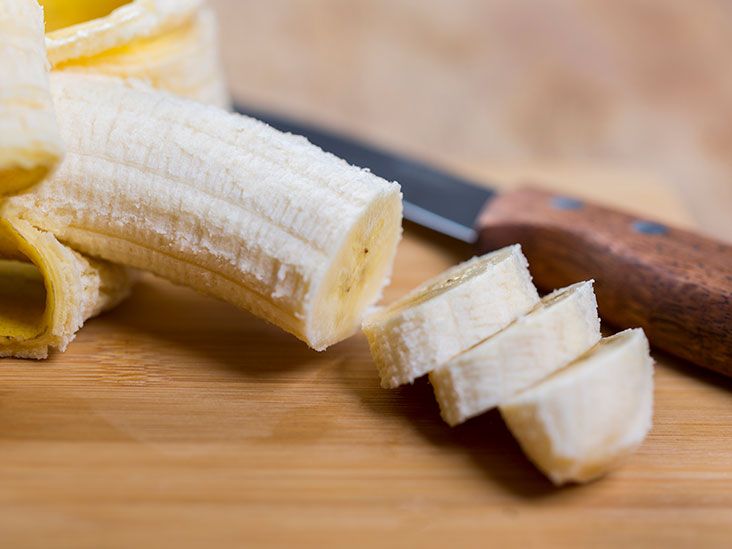
Add two or three very thin banana slices to each sandwich. Serve these right away or refrigerate briefly. Fresh banana releases moisture and darkens over time, so this variation is not ideal for preparing a day in advance.
Strawberry Cheesecake Sandwiches
Reduce the peanut butter to two tablespoons and increase the cream cheese to eight ounces. Mix in 1/2 cup powdered sugar, vanilla, and two tablespoons of finely crushed freeze-dried strawberries. Roll the exposed edges in additional strawberry crumbs.
S’mores Graham Cracker Sandwiches
Replace half of the peanut butter with marshmallow cream. Add a few miniature chocolate chips to the filling or spread melted chocolate over the inside of one cracker. This version delivers familiar s’mores flavor without requiring a campfire, a roasting stick, or an argument about who burned the marshmallows.
Frozen Graham Cracker Sandwiches
Fold 1/2 cup whipped topping into the finished peanut butter filling. Assemble the sandwiches and freeze them in a single layer for at least one hour. The whipped topping produces a lighter texture that remains easier to bite when frozen.
Cookie Butter Sandwiches
Replace the peanut butter with cookie butter. Since cookie butter is already sweet, begin with only two tablespoons of powdered sugar and adjust to taste.
Nut-Free Version
Use sunflower seed butter or a school-safe cookie spread in place of peanut butter. Check every package label when preparing food for someone with an allergy, because graham crackers, chocolate, and decorations may be processed in facilities that handle common allergens.
Dairy-Free Version
Substitute dairy-free block-style cream cheese and use plant-based milk only if the filling needs thinning. Confirm that the graham crackers and chocolate decorations are dairy-free as well.
Serving Ideas
Graham cracker sandwiches are simple enough for an afternoon snack but flexible enough for a party. Arrange several flavors on a platter and identify each one with a small label. Chocolate peanut butter, strawberry cheesecake, and s’mores versions create an easy dessert board without turning the kitchen into a competitive baking program.
Serve the sandwiches with cold milk, hot chocolate, coffee, or fresh fruit. For a summer dessert, place a frozen sandwich in a bowl with sliced strawberries. For birthdays, roll the filling edges in colorful sprinkles. During the holidays, use crushed peppermint candy, cinnamon sugar, or festive decorations.
A build-your-own station is another entertaining option. Set out graham cracker squares, two or three fillings, and bowls of toppings. Guests can assemble their own combinations, which conveniently shifts responsibility for unusual flavor decisions away from the host.
Storage and Make-Ahead Instructions
Refrigerator Storage
Place the sandwiches in a single layer in an airtight container. When stacking is necessary, separate the layers with parchment or waxed paper. Refrigerate for up to three days.
The crackers will gradually soften as they absorb moisture from the filling. This is not necessarily a flaw. On the first day, they retain some crunch; by the second day, they resemble soft sandwich cookies; by the third, the texture is closer to a tender icebox cake.
Freezer Storage
Freeze the assembled sandwiches in a single layer on a baking sheet until solid, about one hour. Transfer them to a freezer-safe airtight container, placing parchment between layers. For the best flavor and texture, enjoy them within one to two months.
Allow frozen sandwiches to stand at room temperature for approximately five minutes before eating. This short rest softens the filling enough for a comfortable bite while keeping the dessert pleasantly cold.
Food-Safety Reminder
Sandwiches made with cream cheese, whipped topping, yogurt, or cut fresh fruit should remain refrigerated. Do not leave perishable versions at room temperature for more than two hours, or more than one hour in temperatures above 90°F. For outdoor parties, keep the container over ice and return unused sandwiches to refrigeration promptly.
Troubleshooting Common Problems
Why Is My Filling Too Runny?
The cream cheese may have been overly warm, the peanut butter may have contained separated oil, or too much milk was added. Refrigerate the filling for 15 to 20 minutes. If it remains loose, mix in powdered sugar one tablespoon at a time.
Why Is the Filling Difficult to Spread?
The cream cheese was probably too cold. Let the mixture stand for several minutes and stir again. Add one teaspoon of milk only when needed.
Why Did the Graham Crackers Become Soft?
Moist fillings naturally soften graham crackers. Assemble the sandwiches immediately before serving when a crisp texture is important. Use freeze-dried fruit instead of fresh fruit for make-ahead versions.
Why Do the Crackers Break During Assembly?
The filling may be too stiff, or too much pressure is being applied. Spread the filling before placing the top cracker, and press with a flat hand using only light pressure.
Frequently Asked Questions
Can I Make Graham Cracker Sandwiches Without Cream Cheese?
Yes. Use peanut butter mixed with marshmallow cream, chocolate-hazelnut spread, frosting, whipped topping, cookie butter, or softened ice cream. Storage requirements depend on the chosen filling.
Can I Use Chocolate or Cinnamon Graham Crackers?
Absolutely. Chocolate graham crackers pair especially well with peanut butter, marshmallow, strawberry, and vanilla fillings. Cinnamon crackers work nicely with apple butter, maple-flavored filling, or cream cheese.
Can Children Help Make This Recipe?
Yes. Children can pair the crackers, spread filling with a butter knife, and roll the edges in toppings. An adult should handle melted chocolate, allergy checks, and any appliance use.
Can These Be Packed in a Lunchbox?
They can, but versions containing cream cheese or other dairy ingredients should be packed with a frozen cold pack in an insulated lunch bag. For a less perishable option, use peanut butter and a small amount of jam without cream cheese.
How Do I Keep the Sandwiches Crisp?
Prepare the filling in advance, refrigerate it separately, and assemble the sandwiches shortly before serving. A thin coating of melted chocolate on the inside of each cracker can also create a moisture barrier.
Kitchen Experience: What Making Graham Cracker Sandwiches Is Really Like
The First Batch Is Usually the Messiest
The first sandwich often receives far too much filling. It looks generous and impressive until the top cracker is added and a cream cheese-peanut butter wave rolls over every edge. By the second or third sandwich, the correct amount becomes obvious: approximately one tablespoon, spread evenly with a small border. The process quickly develops a rhythmcracker, filling, top, gentle pressand the remaining sandwiches come together in minutes.
Breaking the graham crackers can also require a little practice. Pressing directly on the perforation may snap a sheet unevenly. Holding the sheet close to the center line and bending it gently produces cleaner squares. A few broken pieces are almost inevitable, but they are useful for crushing into decorative crumbs. In other words, the recipe has already developed its own recycling program.
The Texture Changes More Than Expected
A freshly assembled sandwich is defined by contrast. The cracker snaps, the filling is soft, and the roasted peanut flavor arrives immediately. After 30 minutes in the refrigerator, the filling becomes firmer and easier to eat neatly. Several hours later, moisture begins softening the inside surface of the crackers while the outside remains relatively sturdy.
Overnight refrigeration creates an entirely different dessert. The crackers lose most of their crunch and become tender, almost like thin cake layers. Some people prefer the fresh version, while others deliberately prepare the sandwiches a day ahead because they enjoy that softer icebox-cookie texture. Neither approach is wrong; the best timing depends on whether the goal is crunch or tenderness.
Assembly Becomes an Activity
When families make these together, the decorations tend to become the main event. One person carefully rolls the edges in miniature chocolate chips. Another adds enough sprinkles to make the plate visible from low orbit. Someone inevitably combines chocolate, chopped peanuts, strawberry crumbs, and marshmallow bits on a single sandwich and announces that it is the deluxe version.
A simple assembly station keeps the activity manageable. Pair the crackers before starting, place the filling in the center of the table, and offer toppings in shallow bowls. Small spoons reduce spills, while parchment paper catches loose decorations. Even imperfect sandwiches look inviting when arranged together on a tray.
Frozen Sandwiches Are Often the Surprise Favorite
The freezer changes the recipe from a snack into something closer to a compact ice cream sandwich. A lighter filling made with whipped topping freezes especially well. The graham crackers soften slightly but remain firm enough to hold, and the cold peanut butter filling tastes less intensely sweet.
The best experience comes after allowing a frozen sandwich to rest for several minutes. Straight from the freezer, the filling may be too firm and the cracker more likely to split. After a short rest, the center becomes creamy while the exterior stays cold. Individually wrapping the sandwiches also makes them convenient for quick desserts, although labeling the container may be unnecessary because everyone in the house will already know exactly where they are.
The Simplest Version Often Wins
Chocolate coatings and elaborate toppings make beautiful party treats, but the plain sandwich remains difficult to beat. Its appeal comes from recognizable flavors and contrasting textures rather than complicated technique. It is inexpensive, scalable, and forgiving enough to accommodate substitutions.
The most useful lesson is to treat the recipe as a flexible formula: two crisp graham crackers, one creamy filling, and an optional contrasting ingredient. Peanut butter can meet jam, chocolate can meet marshmallow, and cream cheese can meet strawberry. Once that formula is understood, the pantry effectively becomes a dessert menu.
A No-Bake Recipe Worth Keeping
Graham cracker sandwiches prove that an easy dessert does not have to be boring. The basic combination of crisp crackers and creamy peanut butter filling is satisfying on its own, yet adaptable enough for holidays, lunchboxes, parties, and frozen summer treats.
Make them fresh when you want crunch, refrigerate them for a softer cookie texture, or freeze them for a simple alternative to ice cream sandwiches. Whichever version reaches the table, expect the tray to empty considerably faster than the recipe took to prepare.