Heart disease is one of those phrases people hear so often that it can start to sound like background noiseright up until a doctor says, “Let’s talk about your blood pressure,” and suddenly the room gets very quiet. The good news? Understanding heart disease does not require a medical degree, a lab coat, or the ability to pronounce “atherosclerosis” on the first try.
In plain English, heart disease refers to several conditions that affect how the heart works, how blood flows through the arteries, how the heart beats, or how well the heart pumps blood. Some types develop slowly over many years. Others appear suddenly and demand immediate medical attention. The tricky part is that heart disease can be loud, quiet, dramatic, subtle, or annoyingly vaguelike a smoke alarm that sometimes whispers.
This guide explains the major types of heart disease, the most common causes and risk factors, and the symptoms that should never be ignored. It is written for real people with real schedules, real stress, and possibly a snack drawer that could use a little supervision.
What Is Heart Disease?
Heart disease is an umbrella term for conditions that affect the heart and blood vessels. The most familiar type is coronary artery disease, which happens when plaque builds up inside the coronary arteries and reduces blood flow to the heart muscle. But heart disease can also involve abnormal heart rhythms, weak heart muscle, damaged valves, heart failure, or heart problems present at birth.
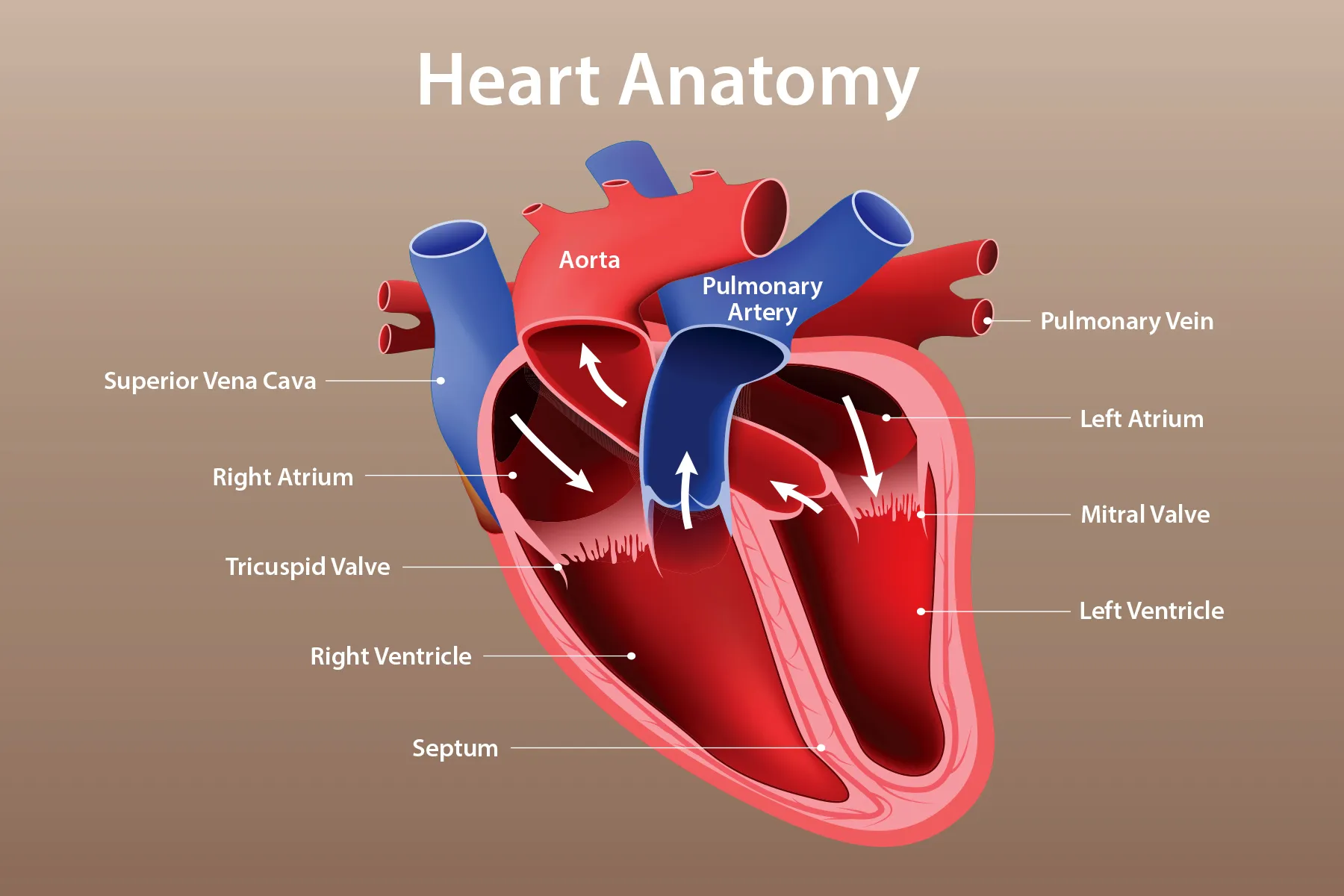
Think of the heart as a hardworking pump with plumbing, wiring, doors, walls, and a power supply. Coronary arteries are the plumbing. The electrical system controls the beat. Valves are the doors that keep blood moving in the right direction. The heart muscle is the engine. When one part struggles, the whole system can feel the effects.
Why Heart Disease Matters
Heart disease remains a major health issue in the United States because it is common, serious, and sometimes silent. Many people do not notice early warning signs, especially when symptoms are mild, come and go, or feel like indigestion, fatigue, stress, or “I probably just need coffee.” Unfortunately, coffee is talented, but it cannot unclog arteries.
The encouraging part is that many heart disease risks can be reduced. You cannot change your age or family history, but you can work with a healthcare professional to manage blood pressure, cholesterol, blood sugar, smoking, physical activity, nutrition, sleep, and weight. Prevention is not about becoming perfect. It is about giving your heart fewer problems to solve before breakfast.
Main Types of Heart Disease
1. Coronary Artery Disease
Coronary artery disease, often called CAD or coronary heart disease, is the most common type of heart disease. It develops when plaque made of cholesterol, fat, calcium, and other substances builds up inside the arteries that supply blood to the heart. Over time, those arteries narrow, making it harder for oxygen-rich blood to reach the heart muscle.
CAD may cause chest pain, chest pressure, shortness of breath, fatigue, or symptoms during physical activity. In some cases, the first obvious sign is a heart attack. That is why routine checkups matter, especially for people with high blood pressure, high cholesterol, diabetes, smoking history, obesity, or a strong family history of early heart disease.
2. Heart Attack
A heart attack occurs when blood flow to part of the heart is severely reduced or blocked. This often happens when plaque in a coronary artery ruptures and a clot forms. Without enough blood and oxygen, heart muscle can be damaged.
Classic symptoms include chest pain or pressure, but symptoms can also include shortness of breath, pain in the arm, back, neck, jaw, or shoulder, nausea, sweating, dizziness, or unusual tiredness. Women may experience chest discomfort, but they are also more likely to notice symptoms such as back pressure, shortness of breath, indigestion-like discomfort, nausea, or extreme fatigue. If symptoms suggest a heart attack, call emergency services immediately. This is not the moment to “walk it off” like a dramatic movie hero.
3. Heart Failure
Heart failure does not mean the heart has stopped. It means the heart cannot pump blood as well as the body needs. The heart may be too weak, too stiff, or overworked by conditions such as coronary artery disease, high blood pressure, valve disease, diabetes, or previous heart attacks.
Common symptoms include shortness of breath, fatigue, swelling in the feet, ankles, legs, or abdomen, rapid weight gain from fluid retention, and trouble lying flat without feeling breathless. Heart failure is often long-term, but treatment, lifestyle changes, and medical monitoring can help many people manage it.
4. Arrhythmias
An arrhythmia is an irregular heartbeat. The heart may beat too fast, too slow, or in an uneven pattern. Some arrhythmias are harmless, while others can increase the risk of stroke, fainting, heart failure, or sudden cardiac events.
Symptoms may include palpitations, fluttering in the chest, racing heartbeat, dizziness, fainting, shortness of breath, chest discomfort, or unusual fatigue. Causes can include problems with the heart’s electrical system, high blood pressure, coronary artery disease, heart muscle disease, valve problems, thyroid disease, electrolyte imbalance, certain medications, or sleep apnea.
5. Heart Valve Disease
The heart has four valves that open and close to keep blood moving forward. Valve disease happens when a valve becomes too narrow, too stiff, or leaky. When valves do not work properly, the heart may have to pump harder.
Symptoms can include shortness of breath, chest discomfort, fatigue, dizziness, fainting, swelling, or a heart murmur. Some people are born with valve problems, while others develop them due to aging, infections, rheumatic fever, heart attack, or calcium buildup.
6. Cardiomyopathy
Cardiomyopathy refers to diseases of the heart muscle. The heart may become enlarged, thickened, stiff, or weakened. When the muscle cannot pump effectively, blood flow suffers and heart failure may develop.
Some forms of cardiomyopathy run in families. Others may be linked to high blood pressure, heart attacks, viral infections, alcohol misuse, certain cancer treatments, pregnancy-related complications, or metabolic conditions. Symptoms often include fatigue, breathlessness, swelling, dizziness, or irregular heartbeat.
7. Congenital Heart Disease
Congenital heart disease refers to heart problems present at birth. These may involve the heart’s walls, valves, arteries, or veins. Some congenital heart defects are detected in infancy, while milder defects may not be found until later in life.
Symptoms can vary widely. In babies, signs may include bluish skin, poor feeding, rapid breathing, or slow growth. In older children or adults, symptoms may include shortness of breath, fatigue, fainting, abnormal heartbeat, or reduced ability to exercise.
Common Causes and Risk Factors
High Blood Pressure
High blood pressure makes the heart work harder than it should. Over time, that extra pressure can damage arteries, thicken the heart muscle, and increase the risk of heart attack, stroke, heart failure, kidney disease, and other complications. It is often called a silent risk factor because many people feel fine until damage has already started.
High Cholesterol
Cholesterol is not automatically bad. The body needs it. The problem comes when LDL cholesterol, often called “bad” cholesterol, contributes to plaque buildup in arteries. HDL cholesterol, often called “good” cholesterol, helps carry cholesterol away from arteries. A healthy cholesterol plan may include nutrition changes, physical activity, weight management, and medication when recommended.
Smoking and Tobacco Use
Smoking damages blood vessels, lowers oxygen in the blood, raises blood pressure, and increases the risk of plaque buildup and blood clots. Vaping and nicotine exposure are not harmless shortcuts. The heart is not impressed by clever packaging.
Diabetes and High Blood Sugar
Diabetes increases the risk of heart disease because high blood sugar can damage blood vessels and nerves that help control the heart. Many people with diabetes also have high blood pressure, abnormal cholesterol levels, or obesity, which can stack risks together like a very unfair game of Jenga.
Unhealthy Diet
A diet high in saturated fat, trans fat, added sugar, sodium, and highly processed foods can raise the risk of high blood pressure, high cholesterol, obesity, and diabetes. A heart-supportive eating pattern usually emphasizes vegetables, fruits, beans, lentils, whole grains, nuts, seeds, fish, lean proteins, and healthy fats.
Physical Inactivity
The heart is a muscle, and muscles like to be used. Regular movement helps improve blood pressure, cholesterol, blood sugar, weight, sleep, mood, and circulation. You do not need to train like an Olympic athlete. Walking, biking, swimming, dancing, gardening, and taking the stairs all count. Your heart does not care whether your workout outfit matches.
Family History and Age
Family history can increase risk, especially when a parent or sibling developed heart disease at an early age. Age also matters because blood vessels can stiffen and plaque can build up over time. However, family history is not destiny. It is more like a weather forecast: useful information that helps you prepare.
Stress, Sleep, and Lifestyle Patterns
Chronic stress may contribute to high blood pressure, inflammation, poor sleep, overeating, smoking, and skipping exercise. Poor sleep can also affect blood pressure, weight, blood sugar, and hormones. Heart health is not only about what is on your plate. It is also about what is on your calendar, in your habits, and sometimes in your group chat at midnight.
Symptoms of Heart Disease
Heart disease symptoms depend on the type of condition, but several warning signs deserve attention:
- Chest pain, pressure, tightness, squeezing, or discomfort
- Shortness of breath during activity or at rest
- Pain or discomfort in the jaw, neck, back, arm, or shoulder
- Unusual fatigue or weakness
- Dizziness, fainting, or lightheadedness
- Fluttering, racing, or irregular heartbeat
- Swelling in the feet, ankles, legs, or abdomen
- Nausea, indigestion-like discomfort, or cold sweats
- Reduced ability to exercise or do normal activities
Some symptoms are easy to dismiss. A person may blame breathlessness on being out of shape, chest discomfort on spicy food, or fatigue on a busy week. Sometimes that is true. Sometimes it is not. If symptoms are new, severe, recurring, or linked with exertion, it is smart to get medical advice.
When to Seek Emergency Help
Call emergency services right away if you or someone nearby has chest discomfort that lasts more than a few minutes, shortness of breath, pain spreading to the arm, jaw, neck, back, or shoulder, sudden weakness, fainting, cold sweats, nausea, or unusual severe fatigue. Do not drive yourself to the hospital during possible heart attack symptoms. Do not wait to see if it becomes “more obvious.” Hearts are important, but they are not always excellent communicators.
How Heart Disease Is Diagnosed
A healthcare professional may begin with a medical history, family history, physical exam, and discussion of symptoms. Common tests may include blood pressure checks, cholesterol testing, blood sugar testing, electrocardiogram, echocardiogram, stress testing, coronary calcium scan, CT angiography, cardiac MRI, or coronary angiography. The right test depends on symptoms, risk level, age, medical history, and what the clinician needs to rule in or out.
Prevention and Daily Heart Health
Heart disease prevention is not one grand heroic act. It is usually a collection of small, repeatable decisions. Eat more plants. Move more often. Quit tobacco. Sleep enough. Take prescribed medications. Know your numbers. Manage stress. Keep follow-up appointments. Ask questions when something does not make sense.
A practical heart-health routine might look like this: check blood pressure regularly, choose water more often than sugary drinks, add vegetables to two meals a day, walk after dinner, schedule an annual physical, take cholesterol or blood pressure medication exactly as prescribed, and create a sleep schedule that does not treat bedtime like a vague suggestion.
Living With Heart Disease
Being diagnosed with heart disease can feel overwhelming, but many people continue to live active, meaningful lives with the right care plan. Treatment may include lifestyle changes, medications, cardiac rehabilitation, procedures, surgery, or ongoing monitoring. The key is partnership: patient, clinician, family, and sometimes a very patient pill organizer.
People with heart disease often benefit from learning their personal warning signs, keeping a list of medications, tracking symptoms, asking about safe exercise, and knowing when to seek urgent care. Emotional health also matters. Anxiety, frustration, or fear after a heart diagnosis is common, and support from professionals, family, or support groups can make the journey less lonely.
Real-World Experiences Related to Heart Disease: Types, Causes, and Symptoms
Many heart disease stories begin quietly. A person notices they are more tired than usual. Stairs feel steeper. A normal walk around the block suddenly requires a pause. At first, it is easy to blame life: work is busy, sleep is bad, the weather is hot, or the dog keeps choosing the longest possible route. But when fatigue keeps returning, especially with shortness of breath or chest pressure, that “little thing” deserves attention.
One common experience is the slow discovery of high blood pressure. Someone goes to a routine appointment expecting a quick checkup and maybe a polite lecture about vegetables. Then the blood pressure reading is higher than expected. The person feels surprised because nothing hurts. That is the strange part about many heart disease risk factors: they do not always announce themselves. High blood pressure, high cholesterol, and elevated blood sugar can work quietly for years. The lesson is simple but powerful: regular screening can catch risks before they become emergencies.
Another familiar experience involves confusing symptoms. A person may feel chest tightness after climbing stairs and assume it is heartburn. Someone else may notice jaw discomfort, nausea, or unusual sweating and think it is anxiety or something they ate. Women, in particular, may have symptoms that are less dramatic than the movie version of a heart attack. Instead of clutching the chest and collapsing, symptoms may feel like pressure, exhaustion, shortness of breath, back discomfort, or indigestion. The practical takeaway is not to panic over every twinge, but to respect symptoms that are new, unexplained, intense, or connected to activity.
Families also play a major role in heart-health experiences. A person who watches a parent manage coronary artery disease may become more aware of cholesterol and blood pressure earlier in life. Family history can be uncomfortable to discuss, but it is useful information. Knowing that a close relative had early heart disease can encourage earlier checkups, better prevention, and more informed conversations with a doctor.
Lifestyle change is another real-world chapter, and it is rarely perfect. Many people imagine heart-healthy living as a dramatic transformation: goodbye pizza, hello endless kale. In reality, lasting progress often looks smaller and more realistic. It may mean walking 20 minutes after school or work, cooking at home more often, switching to lower-sodium foods, adding fruit at breakfast, quitting smoking with support, or taking medication consistently. Tiny habits may not look impressive on social media, but the heart appreciates boring consistency.
There is also the emotional side. A heart diagnosis can make people feel fragile, frustrated, or scared. Some worry about exercise. Others feel guilty about past habits. But guilt is not a treatment plan. A better approach is curiosity: What are my numbers? What symptoms should I watch for? Which habits matter most for my situation? What medicines do I need, and why? What activities are safe? Good questions can turn fear into action.
The most encouraging experience many people share is that heart health can improve. Blood pressure can come down. Cholesterol can be managed. Fitness can return gradually. Symptoms can be treated. Risks can be reduced. Heart disease is serious, but it is not always a locked door. With medical care, everyday prevention, and attention to warning signs, many people regain confidence and build a healthier routine one practical step at a time.
Conclusion
Heart disease includes several conditions, from coronary artery disease and heart failure to arrhythmias, valve disease, cardiomyopathy, and congenital heart defects. Its causes often involve a mix of biology, lifestyle, medical conditions, and family history. The most important message is this: do not wait for dramatic symptoms before caring about your heart.
Know your blood pressure, cholesterol, and blood sugar. Pay attention to chest discomfort, shortness of breath, unusual fatigue, swelling, dizziness, or irregular heartbeat. Build habits that support your heart instead of making it work overtime. And if symptoms suggest a heart attack, call emergency services immediately. Your heart has one job, but it is a big one. Treat it like the overachiever it is.