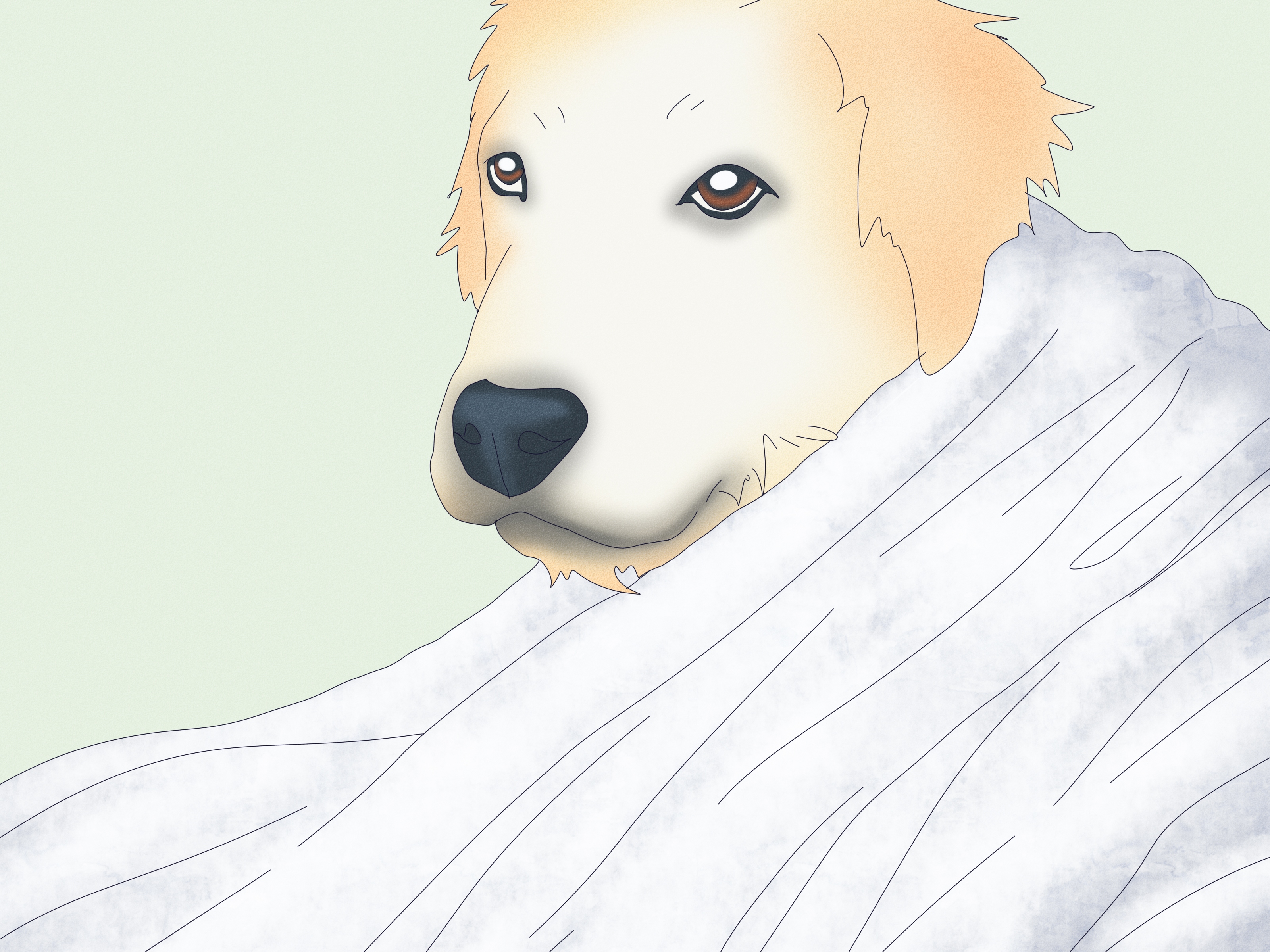
Bathing a pregnant dog is a little like preparing a spa day for a very important, slightly suspicious queen. She may want comfort. She may want snacks. She may also stare at the bathtub as if it personally betrayed her bloodline. The good news is that, in most healthy pregnancies, a gentle bath can be perfectly fine when done carefully, calmly, and with the right supplies.
The goal is not to make your dog smell like a tropical fruit basket. The goal is to keep her clean, comfortable, and safe without putting pressure on her belly, stressing her out, chilling her, or turning your bathroom into a canine water park. Pregnant dogs can be more sensitive than usual, especially in the later weeks, so every part of the bath should be slow, supportive, and practical.
This guide explains how to bathe a pregnant dog in 11 clear steps, including when to bathe her, what products to use, how to lift or guide her safely, and what to avoid. You will also find real-life experience tips at the end, because anyone who has ever washed a dog knows that “just give her a bath” is usually famous last words.
Is It Safe to Bathe a Pregnant Dog?
Yes, it is usually safe to bathe a pregnant dog, as long as she is healthy, the bath is gentle, and you avoid unnecessary stress. A bath may be helpful if she is dirty, has odor, has urine or discharge on her coat, or needs to be cleaned before whelping. Many owners give a careful bath about a week before the expected due date so the mother is cleaner when her puppies arrive.
However, timing matters. If your dog is close to labor, panting heavily, nesting intensely, refusing food, trembling, having contractions, or showing unusual discharge, skip the bath and call your veterinarian. Bath time is not the moment to test everyone’s emotional strength. If there is any medical concern, your vet’s advice wins.
How to Bathe a Pregnant Dog: 11 Steps
1. Check Whether She Actually Needs a Bath
Before turning on the water, ask a simple question: does she need a full bath, or would spot cleaning do the job? Pregnant dogs do not need extra baths just because they are pregnant. Overbathing can dry the skin, especially if shampoo is used too often. If only her paws, rear area, or belly fur are dirty, a warm damp cloth may be enough.
A full bath makes sense when her coat is visibly dirty, smelly, sticky, or uncomfortable. It can also help if she has long fur that collects debris. Keep the bath purposeful and short. This is hygiene, not a shampoo commercial.
2. Choose the Right Time
Pick a calm part of the day when your dog is relaxed, not hungry, not exhausted, and not already anxious. Avoid bathing her right after a big meal because a pregnant belly plus a slippery tub plus a full stomach is not a great combination.
If she is in her final week of pregnancy, be extra careful. Some dogs begin nesting, hiding, or acting restless as labor approaches. If she seems uncomfortable or unusually clingy, postpone the bath. A slightly less shiny dog is better than a stressed mother-to-be.
3. Gather Supplies Before You Start
Pregnant dogs are not known for patiently waiting while you run around looking for towels. Prepare everything first. You will need a non-slip mat, several towels, a cup or handheld sprayer, lukewarm water, dog-safe shampoo, a washcloth, treats, and a brush. For long-haired dogs, have extra towels ready because their coats hold water like a dramatic sponge.
Place supplies within arm’s reach. The less you move around, the more secure your dog will feel. If possible, have another trusted person nearby to help comfort her or hand you supplies.
4. Brush Her Coat Gently First
Brush your dog before the bath to remove loose fur, dirt, and tangles. Wet mats become tighter and harder to remove, so deal with small tangles before water enters the story. Use gentle strokes and avoid tugging around the belly, nipples, and rear area.
For double-coated or long-haired breeds, brushing also helps shampoo spread more evenly and makes rinsing easier. If your dog dislikes brushing, keep the session short. A few calm minutes are better than a wrestling match with a brush.
5. Use Lukewarm Water Only
Water temperature is important. Use lukewarm water, not hot and not cold. Hot water can make her uncomfortable, while cold water may cause stress or chilling. Test the water on the inside of your wrist, just as you would for a baby bath.
Keep the water level low. Pregnant dogs may feel less balanced than usual, especially in the later stages. A shallow, controlled bath is safer than a deep tub. If your dog is small enough for a sink, make sure the surface is secure and she cannot jump out.
6. Help Her Into the Bath Safely
If your dog can walk into a shower or tub with a low entry, guide her slowly. Do not rush or pull her. For large dogs, a walk-in shower may be safer than lifting. For small dogs that need to be lifted, support the chest and hindquarters while avoiding pressure on the abdomen.
Never lift a pregnant dog by the belly. Never let her jump in or out of the tub. Her center of gravity may be different, and a slip could injure her or the puppies. The non-slip mat is not optional; it is the quiet hero of the entire operation.
7. Wet the Coat Slowly
Start wetting her coat from the neck down, avoiding the face, ears, nose, and eyes. Use a cup or a handheld sprayer on low pressure. Loud water pressure can frighten some dogs, and a startled pregnant dog can become very difficult to manage safely.
Talk to her in a calm voice. Praise her often. Give treats if she will take them. Your goal is to keep the bath boring in the best possible way. No surprises, no sudden splashes, no dramatic “oops” moments.
8. Apply a Gentle Dog-Safe Shampoo
Use a mild shampoo made specifically for dogs. Avoid human shampoo, harsh fragrances, flea shampoos, medicated products, essential oil-heavy formulas, or anything your veterinarian has not approved. Pregnant dogs may have more sensitive skin, so simple and gentle is best.
Massage the shampoo lightly through the coat, working from the neck toward the tail. Be especially gentle around the belly and mammary area. Do not scrub hard. If her rear area needs cleaning, work carefully and rinse well. Keep shampoo away from her vulva, eyes, ears, and mouth.
9. Rinse Thoroughly
Rinsing is where many baths go wrong. Shampoo left in the coat can irritate the skin, especially if the dog licks or chews afterward. Rinse until the water runs clear and the coat no longer feels slippery.
Take your time, but do not make the bath longer than necessary. Pregnant dogs can tire faster. If she becomes anxious, pause, reassure her, and continue gently. A clean dog is good; a panicked dog is not the goal.
10. Clean the Face With a Damp Washcloth
Do not pour water over her head. Use a damp washcloth to wipe her face, muzzle, and around the eyes. This gives you more control and lowers the chance of water entering her ears or nose.
If the ears need attention, wipe only the outer area and entrance gently. Do not push cotton swabs into the ear canal. If you notice odor, redness, heavy wax, swelling, or discharge, contact your veterinarian instead of trying to deep-clean the ears yourself.
11. Dry Her Completely and Keep Her Warm
Drying matters as much as washing. Use soft towels and gently blot the coat. Do not rub aggressively over the belly. If your dog has a thick coat, use several towels. A blow dryer may be used only if your dog is comfortable with it and it has a cool or low setting. Keep it moving and never aim heat directly at her belly or nipples.
After the bath, keep her indoors in a warm, draft-free area until she is fully dry. Give praise, water, and a calm place to rest. She just completed a maternity spa appointment, and frankly, she deserves excellent customer service.
Important Safety Tips When Bathing a Pregnant Dog
Avoid Stress Above Everything
Stress is the main thing you are trying to prevent. A quick, calm bath is better than a long, perfect one. If your dog shakes, pants heavily, tries to escape, growls, or seems overwhelmed, stop and switch to spot cleaning.
Do Not Use Flea or Medicated Shampoo Without Vet Approval
Some flea treatments and medicated shampoos may not be appropriate during pregnancy. Always ask your veterinarian before using any medicated product on a pregnant dog. “Natural” does not always mean safe, especially when essential oils or strong botanical ingredients are involved.
Protect Her Belly
Never press, scrub, squeeze, or lift by the abdomen. The belly should be handled gently at all times. When washing under the body, use light hand support and let her stand comfortably.
Watch for Signs of Labor
If your dog is nesting, restless, refusing food, licking the vulva repeatedly, producing discharge, or having contractions, do not bathe her. Set up her whelping area and contact your veterinarian if you are unsure whether labor has started.
When Should You Call the Veterinarian?
Call your veterinarian before bathing if your dog has a high-risk pregnancy, a history of difficult births, bleeding, green or foul-smelling discharge, fever, weakness, vomiting, severe itching, skin infection, or signs of labor. Also call if she slips, falls, or seems painful after a bath.
Your vet can also recommend the best shampoo for your dog’s skin and coat. This is especially helpful for dogs with allergies, hot spots, dermatitis, yeast issues, or heavy skin folds. Bulldogs, pugs, shar-peis, and other wrinkle champions may need extra drying in folds to prevent moisture problems.
Common Mistakes to Avoid
Bathing Too Often
A pregnant dog does not need frequent baths unless she gets dirty or your vet recommends it. Too many baths can dry out her skin and make her itchy.
Using Strong Fragrances
That “spring meadow explosion” shampoo may smell nice to you, but dogs have sensitive noses. Strong scents can irritate or annoy them. Choose mild, low-fragrance products.
Letting Her Jump Out
Pregnant dogs should not jump out of tubs, sinks, or grooming areas. Guide or lift her carefully with proper support. Slips are one of the biggest bath-time risks.
Leaving Her Damp
A damp coat can make her chilly and uncomfortable. Dry her thoroughly, especially in thick fur, under the chest, around the belly, between toes, and inside skin folds.
Extra Experience Tips for Bathing a Pregnant Dog
From real-world dog care experience, the best pregnant dog bath is usually the least dramatic one. Owners often imagine they need to give a full, luxurious bath with deep cleaning, perfect brushing, and a coat so fluffy it could star in a pet food commercial. In reality, your pregnant dog may only need a practical wash focused on comfort.
One useful habit is to create a “bath station” before your dog even enters the room. Put towels on the floor, set the shampoo nearby, test the sprayer, and remove anything she could knock over. Dogs notice chaos. If you are scrambling, dropping bottles, and muttering at the showerhead, she may decide this is clearly a dangerous ritual and attempt a soggy escape.
Another tip is to use traction everywhere. A non-slip mat in the tub is important, but so is a towel or mat outside the tub. Many dogs slip after the bath because the floor is wet and their paws are damp. Pregnant dogs need extra stability, so prepare the exit path before you start.
If your dog is nervous, skip the sprayer at first and use a cup. Some dogs tolerate a gentle cup rinse much better than a noisy shower hose. You can also let her sniff the shampoo bottle, towels, and washcloth before the bath. It sounds silly, but dogs gather information through scent. A quick sniff inspection can make the process feel less suspicious.
For dogs with long coats, do not aim for perfection in one session. Brush gently before the bath, wash carefully, and do a second light brushing after she is fully dry. Trying to remove every knot while she is wet and tired can turn a normal bath into a grooming marathon. Pregnant dogs deserve comfort, not a beauty pageant.
Owners of small dogs should be especially careful with sinks. A kitchen or laundry sink may seem convenient, but the height increases fall risk. If you use a sink, keep one hand on your dog at all times and never turn away. For large dogs, a walk-in shower is often easier because she does not need to climb over a tub wall.
Pay close attention to body language. A relaxed pregnant dog may stand quietly, lean into your hand, or take treats. A stressed dog may freeze, pant, tuck her tail, lick her lips, tremble, or try to leave. If stress rises, shorten the bath. You can always clean the remaining area later with a damp cloth.
After the bath, give her a comfortable resting spot with clean bedding. This is also a good time to check her skin, paws, nipples, and belly for redness, swelling, irritation, ticks, mats, or unusual discharge. Do not poke or squeeze anything. Just observe. If something looks off, take a photo and ask your veterinarian.
Finally, remember that your attitude matters. Move slowly, speak softly, and praise generously. Your dog does not understand that you are helping her prepare for motherhood. She only knows whether the experience feels safe. Make it gentle, warm, and predictable, and bath time becomes much easier for both of you.
Conclusion
Bathing a pregnant dog is not complicated, but it does require extra care. Keep the bath short, use lukewarm water, choose a gentle dog-safe shampoo, avoid pressure on the belly, prevent slipping, and dry her thoroughly. The most important rule is simple: comfort comes first. If your dog is anxious, close to labor, medically fragile, or showing unusual symptoms, skip the bath and call your veterinarian.
With patience and preparation, you can help your pregnant dog stay clean without turning bath time into a household emergency. Think calm hands, warm towels, safe footing, and plenty of praise. The puppies may not send a thank-you card, but their mom will definitely appreciate the comfort.