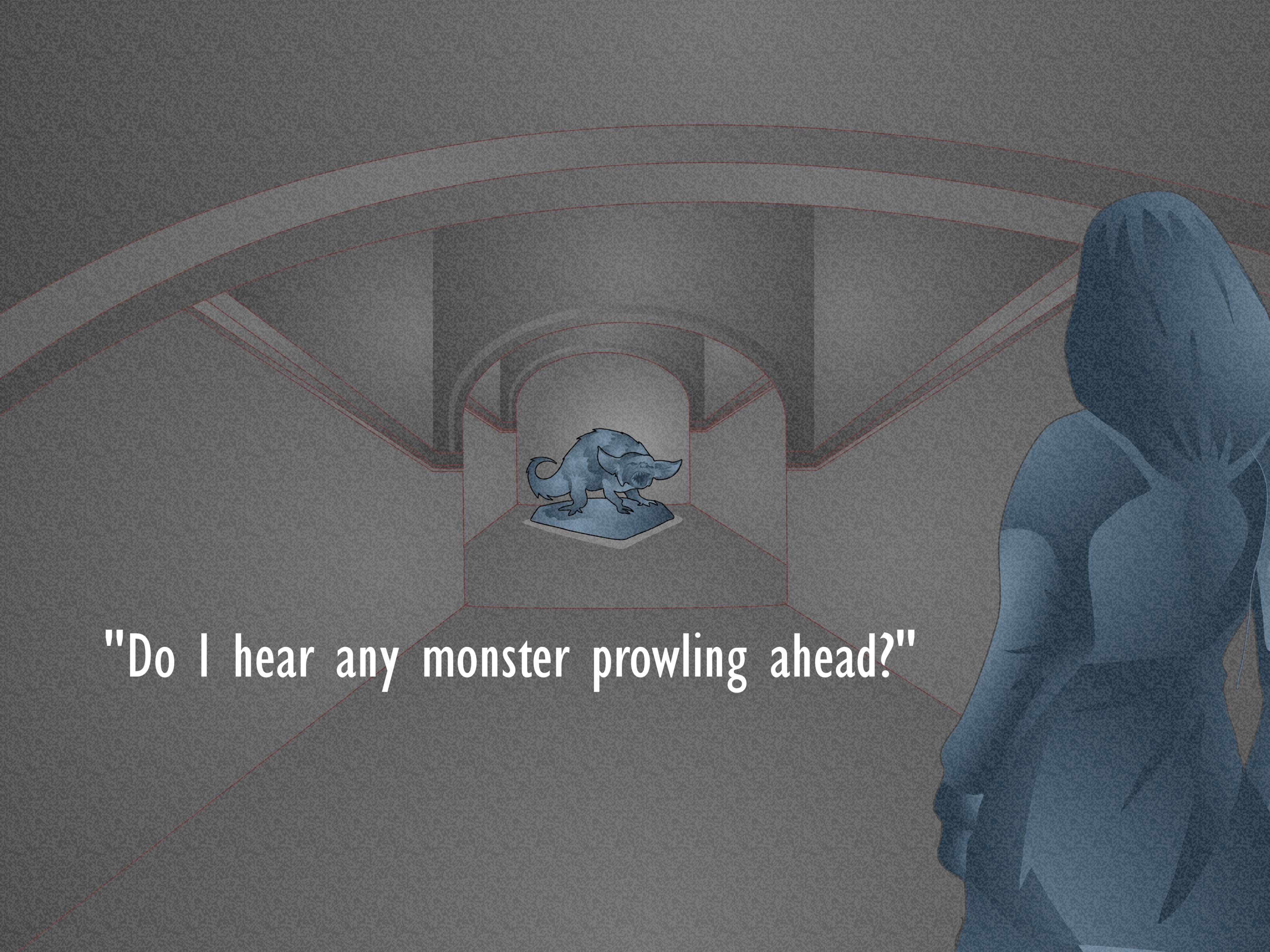
If Dungeons & Dragons had a tiny security camera installed inside every adventurer’s brain, it would probably be called Passive Perception. It is the number your Dungeon Master uses when your character is not actively searching, squinting suspiciously at a wall, or poking every floor tile with a ten-foot pole like a very nervous interior designer.
In D&D 5e, Passive Perception helps answer one simple question: What does your character notice without rolling dice? It can reveal a hidden goblin, a tripwire, a secret door, a strange smell, distant footsteps, or the fact that the charming innkeeper has been sweating like someone who definitely knows where the stolen necklace went.
The good news? Calculating Passive Perception is easy. The even better news? Once you understand it, you will stop staring at your character sheet like it is an ancient wizard tax form. This guide breaks down how to calculate Passive Perception in D&D 5e in three easy steps, with examples, common mistakes, DM advice, and practical table experience.
What Is Passive Perception in D&D 5e?
Passive Perception is a character’s general awareness of the world around them when they are not making an active Wisdom (Perception) check. Instead of rolling a d20, the game treats the character as having a steady, average level of alertness.
The basic formula is:
Passive Perception = 10 + your Wisdom (Perception) modifier
That Wisdom (Perception) modifier may include your Wisdom ability modifier, proficiency bonus, expertise, magic item bonuses, feat bonuses, or situational modifiers. In other words, Passive Perception is not based on your Wisdom score directly. It is based on the modifier that applies to your Perception check.
Think of Passive Perception as your character’s “background radar.” It does not mean your character automatically sees everything. A high Passive Perception does not turn your ranger into a fantasy satellite. It simply gives the DM a reliable number to compare against hidden threats, secret details, or sneaky enemies.
Step 1: Start With 10
The first step is wonderfully simple: start with 10.
Why 10? Passive checks in D&D 5e represent an average result without rolling dice. Since a d20 roll averages around the middle, the rules use 10 as the base number for passive checks. That means Passive Perception begins at 10 before adding your normal Perception-related modifiers.
Example: A Character With No Bonus
Suppose your character has a Wisdom modifier of +0 and no proficiency in Perception. Their Passive Perception is:
10 + 0 = 10
This is the default “I am awake and probably not walking into a wall” level of awareness. Not heroic, not embarrassing, just average.
Step 2: Add Your Wisdom Modifier
Next, add your Wisdom modifier. This is not the same as your Wisdom score. A Wisdom score of 14 does not mean you add +14. Please do not do that unless you want your cleric to become an all-seeing lighthouse with armor.
In D&D 5e, ability modifiers are based on ability scores. Here are common Wisdom scores and their modifiers:
- Wisdom 8–9: -1
- Wisdom 10–11: +0
- Wisdom 12–13: +1
- Wisdom 14–15: +2
- Wisdom 16–17: +3
- Wisdom 18–19: +4
- Wisdom 20: +5
Example: Wisdom Modifier Only
A fighter has Wisdom 12, giving them a +1 Wisdom modifier. They are not proficient in Perception.
Passive Perception = 10 + 1 = 11
This fighter may notice an obvious broken branch or hear a noisy goblin arguing with itself behind a barrel. However, they may miss a well-hidden trap or a stealthy assassin who remembered to wear quiet shoes.
Step 3: Add Proficiency, Expertise, and Other Bonuses
Now add any modifiers that normally apply to your Wisdom (Perception) check. This is where proficiency, expertise, feats, magic items, and advantage or disadvantage can change the number.
If You Are Proficient in Perception
If your character is proficient in Perception, add your proficiency bonus.
Passive Perception = 10 + Wisdom modifier + proficiency bonus
At low levels, proficiency usually adds +2. As characters level up, proficiency increases, which means Passive Perception can improve even if Wisdom stays the same.
Example: Level 1 Ranger
A level 1 ranger has Wisdom 15, which gives a +2 Wisdom modifier. The ranger is proficient in Perception, and their proficiency bonus is +2.
Passive Perception = 10 + 2 + 2 = 14
A Passive Perception of 14 is solid for a beginning character. It will not uncover every secret in the dungeon, but it gives the ranger a respectable chance to notice danger before danger introduces itself with teeth.
If You Have Expertise in Perception
Expertise doubles your proficiency bonus for a chosen skill. If your character has Expertise in Perception, add double your proficiency bonus instead of the normal proficiency bonus.
Passive Perception = 10 + Wisdom modifier + double proficiency bonus
Example: Level 9 Rogue With Expertise
A level 9 rogue has Wisdom 16, giving a +3 Wisdom modifier. Their proficiency bonus is +4, and they have Expertise in Perception.
Passive Perception = 10 + 3 + 8 = 21
At 21 Passive Perception, this rogue notices a lot. They may spot hidden creatures, suspicious floor patterns, faint noises, and possibly the emotional baggage of the villain’s left eyebrow. That last part is not official rules, but it feels spiritually accurate.
How Advantage and Disadvantage Affect Passive Perception
Because Passive Perception does not involve rolling a d20, advantage and disadvantage work differently. For passive checks, advantage generally adds +5, while disadvantage subtracts -5.
- Advantage on Perception: add +5 to Passive Perception
- Disadvantage on Perception: subtract -5 from Passive Perception
Example With Advantage
A druid has a normal Passive Perception of 15. If a feature, spell, or condition gives advantage on Wisdom (Perception) checks in that situation, their Passive Perception becomes:
15 + 5 = 20
Example With Disadvantage
A wizard has a Passive Perception of 12. While traveling through a dark area without darkvision, the DM may decide they have disadvantage on sight-based Perception checks. Their Passive Perception for sight-based noticing could become:
12 – 5 = 7
This does not mean the wizard becomes blind to all reality. It means the circumstances make noticing visual details much harder. They may still hear sounds, smell smoke, or feel a breeze from a hidden passage if the DM considers those senses relevant.
Does the Observant Feat Increase Passive Perception?
In the 2014 version of D&D 5e, the Observant feat can add a major bonus to passive Wisdom (Perception). This is one of the most famous ways to create a character who notices everything short of the DM’s grocery list.
If your table uses the 2014 Player’s Handbook version of Observant, add the feat’s passive bonus after calculating your normal Passive Perception.
Example With Observant
A cleric has Wisdom 18, giving a +4 modifier. They are proficient in Perception, and their proficiency bonus is +3.
Normal Passive Perception:
10 + 4 + 3 = 17
With a +5 passive bonus from Observant:
17 + 5 = 22
That character is now the party’s walking alarm bell. Secret doors start sweating. Goblins file complaints.
Passive Perception vs. Active Perception
Passive Perception is used when the character is not actively searching or when the DM wants to determine what a character notices without calling for a roll. Active Perception is used when a character deliberately tries to notice something.
For example, Passive Perception might tell the DM whether a character notices a hidden creature watching from the rafters. Active Perception might happen when the player says, “I search the ceiling for movement.”
The difference matters because dice rolls change the mood of the table. If the DM suddenly says, “Everyone roll Perception,” the players immediately know something is happening. Even if they roll poorly, they may become suspicious. Passive Perception lets the DM keep secrets secret until the characters actually notice them.
When Does the DM Use Passive Perception?
The DM commonly uses Passive Perception in situations like:
- Spotting hidden enemies
- Noticing traps before triggering them
- Detecting secret doors or hidden compartments
- Hearing distant footsteps or whispers
- Smelling smoke, rot, poison, or strange magic
- Noticing that an NPC is behaving oddly
However, Passive Perception is not a magic “skip the adventure” button. A hidden clue may still require investigation, interaction, or clever thinking. Perception helps you notice that something is there. It does not always explain what it means.
For example, Passive Perception might reveal that a section of wall has unusual scratches. It may take an Intelligence (Investigation) check to understand that the scratches mark the outline of a rotating secret door.
Common Passive Perception Mistakes
Mistake 1: Adding the Full Wisdom Score
The most common mistake is adding the full Wisdom score instead of the Wisdom modifier. A Wisdom 16 character adds +3, not +16. Unless your table is running “Dungeons & Dragons: Everyone Is a Demigod Edition,” use the modifier.
Mistake 2: Forgetting Proficiency
If you are proficient in Perception, add your proficiency bonus. Many character sheets calculate this automatically, but it is still worth understanding where the number comes from.
Mistake 3: Forgetting Expertise
Characters with Expertise in Perception add double proficiency. Rogues and bards often use this to become excellent scouts.
Mistake 4: Treating Passive Perception as X-Ray Vision
High Passive Perception does not reveal everything. It depends on the environment, the creature’s senses, cover, lighting, distance, noise, and whether the thing can reasonably be noticed.
Mistake 5: Ignoring Context
A character may have excellent sight but still struggle in magical darkness. A character may have poor vision but excellent hearing. Passive Perception is powerful, but the DM still applies common sense.
Passive Perception Calculation Examples
Example 1: The Average Wizard
A wizard has Wisdom 10 and no Perception proficiency.
10 + 0 = 10
This wizard is not hopeless. They just may be more focused on ancient runes than the kobold tying their shoelaces together.
Example 2: The Alert Cleric
A level 5 cleric has Wisdom 18 and proficiency in Perception. Their proficiency bonus is +3.
10 + 4 + 3 = 17
This cleric is excellent at noticing danger, especially in dungeons, temples, forests, and any room where the DM says, “It seems quiet.” It is never quiet. Never trust quiet.
Example 3: The Expert Scout
A level 13 rogue has Wisdom 14, proficiency bonus +5, and Expertise in Perception.
10 + 2 + 10 = 22
This rogue can detect many hidden threats before the rest of the party knows there is a threat at all. This is especially useful when scouting ahead, guarding camp, or checking suspicious corridors.
How to Improve Passive Perception in D&D 5e
If you want a higher Passive Perception score, focus on the bonuses that affect your Wisdom (Perception) check.
Increase Wisdom
Raising Wisdom improves your Wisdom modifier, which improves Passive Perception. Clerics, druids, rangers, and monks often benefit from this naturally because Wisdom is already important to their class.
Take Perception Proficiency
Choosing Perception proficiency is one of the easiest ways to improve Passive Perception. It is useful in almost every campaign because noticing danger is rarely a bad investment.
Get Expertise
Expertise in Perception can create a truly elite scout. Rogues and bards are especially good at this, though some subclasses and features may offer similar benefits.
Use Feats, Features, and Magic Items
Some feats, class features, spells, or magic items may improve perception, provide advantage, or add bonuses in certain circumstances. Always read the exact wording. D&D rules love exact wording the way dragons love gold.
Advice for Dungeon Masters
For DMs, Passive Perception is a pacing tool. It keeps the game moving and avoids turning every hallway into a five-minute debate about whether the rug is haunted.
Before a session, consider writing down each character’s Passive Perception. Then, when hidden creatures, traps, or clues appear, compare the relevant DC or Stealth result to those numbers. If a character’s Passive Perception meets or beats the number, give them information naturally.
Instead of saying, “Your Passive Perception beat the trap DC,” say something like, “As you step closer, you notice a thin wire stretched across the doorway.” This keeps the game immersive and rewards the character’s awareness without turning the moment into accounting.
Also, be fair to players who invest in Passive Perception. If a player spends resources on Wisdom, proficiency, Expertise, or Observant, let that matter. You do not have to reveal every secret, but their build choice should feel valuable.
Advice for Players
As a player, write your Passive Perception clearly on your character sheet. Update it when your proficiency bonus increases, your Wisdom changes, or you gain a relevant feature.
Do not assume that high Passive Perception means you never need to describe what your character is doing. If you want to search under the bed, inspect a statue, listen at a door, or study a suspicious painting, say so. Passive Perception covers general awareness; active choices still matter.
Also, remember that Perception is not Investigation. Perception might tell you there are small holes in the wall. Investigation might help you figure out they are dart holes connected to a pressure plate. Perception says, “Something is weird.” Investigation says, “Here is why we are all about to have a bad afternoon.”
Personal Table Experience: Why Passive Perception Makes Games Better
In actual play, Passive Perception becomes one of those mechanics that quietly saves a session from slowing down. Without it, many parties fall into what I call “Perception paranoia.” Every door gets inspected. Every hallway gets scanned. Every harmless broom becomes a possible mimic with excellent posture.
At one table, a ranger with high Passive Perception completely changed how the group explored dungeons. The player was not trying to dominate the game or ruin surprises. They had simply built a character who was good at noticing things. Instead of asking for rolls every two minutes, the DM started giving small details automatically: a faint smell of oil, dust disturbed near a bookshelf, a draft coming from a stone wall. The result was not fewer mysteries. It was better mysteries.
The ranger still did not know everything. They could notice the draft, but not instantly understand the secret mechanism. They could hear movement, but not identify the exact monster. They could spot a tripwire, but still needed the rogue to disarm it. Passive Perception did not replace teamwork; it encouraged it.
Another experience involved a rogue with Expertise in Perception and a Passive Perception above 20. At first, the DM worried this would make ambushes impossible. But the solution was not to punish the rogue or pretend their score did not exist. Instead, the DM designed encounters with layers. The rogue might notice one hidden archer, but not the second one behind total cover. They might hear whispering behind a door, but still need to decide whether to enter, sneak, negotiate, or set the barbarian loose like a dramatic furniture problem.
This approach made the rogue feel awesome while preserving tension. That is the sweet spot. A strong Passive Perception should give useful information, not delete the adventure.
Passive Perception also helps quieter players shine. Not every player wants to constantly interrupt with “I look around.” Some prefer roleplay, strategy, or simply enjoying the story. A character with good Passive Perception can still contribute because the DM can say, “You notice something odd.” That small sentence often pulls a player into the scene and gives them a chance to act.
For new players, Passive Perception is also a great lesson in how character sheets represent personality. A high score suggests someone observant, alert, and hard to surprise. A low score can be fun too. The barbarian with Passive Perception 9 may not notice the hidden latch, but they may notice that the door can be removed from the wall with enthusiasm. Different strengths create different stories.
The best table experience comes when both players and DMs treat Passive Perception as a storytelling tool rather than a rules argument. Players should not demand to detect everything. DMs should not ignore high scores just because they want a trap to work. Meet in the middle: reward investment, respect context, and use the number to make the world feel alive.
When used well, Passive Perception creates a smoother, smarter, more suspenseful game. It lets observant characters feel observant. It lets DMs hide secrets without constantly asking for rolls. And it prevents every dungeon corridor from turning into a courtroom drama about whether someone checked the ceiling.
Conclusion
Calculating Passive Perception in D&D 5e is simple once you understand the pieces. Start with 10, add your Wisdom modifier, then add proficiency, Expertise, feat bonuses, and situational modifiers that apply to Perception. If advantage or disadvantage affects the passive check, adjust the score by +5 or -5.
The core formula is easy: Passive Perception = 10 + Wisdom (Perception) modifier. The real art is knowing when it matters. For players, it is a powerful way to build alert scouts, wise clerics, sharp-eyed rangers, and suspicious rogues who absolutely do not trust decorative statues. For DMs, it is a clean tool for revealing hidden details without spoiling the suspense.
Use Passive Perception fairly, update it as your character improves, and remember: noticing the trap is only step one. Someone still has to deal with it. Preferably not by stepping on it “just to see what happens.”