Sugaring can make your skin feel wonderfully smooth, but let’s be honest: your hair follicles just went through a tiny eviction notice. Even though sugaring is often considered a gentler alternative to traditional waxing, it still removes hair from the root, lightly exfoliates the skin, and leaves the treated area temporarily more sensitive than usual. That means your aftercare routine mattersa lot.
The good news? Caring for your skin after sugaring does not require a luxury spa budget, a shelf full of mysterious potions, or a moonlight chant over a jar of aloe vera. It simply requires calm, clean, consistent care. The first 24 to 48 hours are especially important because your skin needs time to settle, your follicles need time to close, and your future self would very much like to avoid redness, bumps, irritation, and ingrown hairs.
Below is a practical, skin-friendly, dermatologist-informed guide on how to care for your skin after sugaring in 12 steps. Whether you sugared your legs, arms, underarms, face, or bikini area, these tips will help you keep your skin comfortable, smooth, and less dramatic than a group chat after midnight.
What Happens to Your Skin After Sugaring?
Sugaring removes hair from the root using a paste commonly made from sugar, lemon, and water. Because the paste sticks more to hair than to live skin, many people find it less harsh than waxing. Still, the process can leave skin temporarily red, warm, tender, or slightly bumpy. This is usually normal and often fades within several hours to a day.
Think of post-sugaring skin as freshly cleaned, freshly exfoliated, and slightly over-socialized. It does not want heavy fragrance, heat, sweat, tight clothing, or aggressive scrubbing right away. It wants peace, hydration, breathable fabrics, and a little common sense.
How to Care for Your Skin After Sugaring: 12 Steps
1. Keep the Area Clean, but Do Not Overwash
After sugaring, cleanliness is your first line of defense. The hair has been removed from the follicle, and the skin may be more vulnerable to irritation. Gently cleanse the area with lukewarm water and a mild, fragrance-free cleanser if needed. Avoid harsh soaps, deodorant soaps, scrubs, and anything that makes your skin feel squeaky in the bad way.
Do not scrub the treated area immediately after your appointment. Your skin has already had a mini exfoliation session, and adding more friction is like sending a marching band through a library. Gentle is the goal.
2. Avoid Hot Showers, Saunas, and Steam Rooms for 24 to 48 Hours
Heat can increase redness, swelling, and sensitivity after sugaring. For the first day or two, skip hot baths, steam rooms, saunas, hot tubs, and long, steamy showers. Choose lukewarm water instead. Your skin does not need a tropical vacation right now; it needs a calm little staycation.
This is especially important for sensitive areas such as the underarms, face, and bikini line. Heat can make the skin feel more irritated and may contribute to bumps or discomfort.
3. Wear Loose, Breathable Clothing
Tight clothing can rub against freshly sugared skin and make irritation worse. After sugaring your legs, bikini area, or underarms, choose loose cotton or breathable fabrics for at least 24 hours. Avoid tight leggings, stiff jeans, compression shorts, and synthetic fabrics that trap heat and sweat.
For example, if you sugared your legs, soft joggers or a loose dress are better choices than skinny jeans. If you sugared your underarms, a loose T-shirt may feel much better than a tight top with rough seams.
4. Skip Heavy Workouts for the First Day
Sweat, heat, and friction are not the dream team after sugaring. Heavy exercise can irritate open follicles and increase the chance of redness or bumps. Try to avoid intense workouts, cycling, running, hot yoga, or anything that makes the treated area sweaty for at least 24 hours.
A gentle walk is usually fine if your skin feels comfortable. But if your workout clothes are tight, your skin is tender, or the treated area is prone to ingrown hairs, give yourself a rest day. Consider it a skincare-approved excuse to avoid burpees.
5. Apply a Cool Compress if Skin Feels Warm or Red
Mild redness after sugaring is common. A cool compress can help calm the area. Wrap a clean, soft cloth around a cold pack or use a damp, cool washcloth for a few minutes at a time. Do not apply ice directly to the skin because that can cause more irritation.
This step is especially helpful after facial sugaring or underarm sugaring, where the skin may react more noticeably. Keep it short and gentle. The goal is soothing, not freezing your follicles into submission.
6. Moisturize with a Fragrance-Free, Non-Comedogenic Product
Moisturizer helps support the skin barrier after sugaring. Choose a gentle, fragrance-free, non-comedogenic lotion, cream, or gel. Ingredients such as aloe vera, glycerin, ceramides, and hyaluronic acid can be helpful for hydration and comfort.
Avoid heavy oils immediately after sugaring if they make you prone to clogged pores or bumps. Some people love oils, but freshly sugared skin can be picky. If your skin tends to react easily, keep your product simple. The shorter the ingredient list, the fewer suspects in the irritation mystery.
7. Avoid Fragrance, Deodorant, Retinoids, and Strong Actives Temporarily
For the first 24 to 48 hours, avoid applying perfume, scented body lotion, deodorant, retinoids, strong acids, benzoyl peroxide, alcohol-based toners, or other active products directly on the sugared area. These can sting or irritate freshly treated skin.
If you sugared your underarms, try to avoid deodorant for the rest of the day if possible. If you absolutely need it, choose a gentle fragrance-free option and apply sparingly. If you sugared your face, pause retinol, exfoliating acids, and strong acne treatments until the skin feels completely normal again.
8. Do Not Touch, Pick, or Scratch the Area
Freshly smooth skin is tempting to touch. Resist. Your hands carry oil, bacteria, and whatever mysterious life forms live on phone screens and doorknobs. Touching the area repeatedly can increase irritation and may contribute to breakouts or follicle inflammation.
If you see tiny red bumps, do not pick at them. Most mild bumps calm down with time, gentle cleansing, loose clothing, and moisturizer. Picking can turn a minor irritation into a longer-lasting mark or infection risk.
9. Wait Before Exfoliating
Exfoliation can help prevent ingrown hairs, but timing matters. Do not exfoliate immediately after sugaring. Wait about 48 hours, or until the skin is no longer red, tender, or irritated. Then begin with gentle exfoliation two to three times per week, depending on your skin type.
You can use a soft washcloth, a mild body polish, or a gentle chemical exfoliant designed for the body. Avoid rough scrubs, stiff brushes, and aggressive exfoliating gloves, especially in delicate areas. Your goal is to help dead skin cells move along, not sand the deck of a ship.
10. Protect Sugared Skin from the Sun
Freshly sugared skin can be more sensitive to sunlight, especially if the area was also lightly exfoliated. If the treated area will be exposed, apply a broad-spectrum sunscreen with SPF 30 or higher once the skin is calm enough to tolerate it. Protective clothing and shade are also smart choices.
This is especially important after sugaring the face, arms, shoulders, or legs. Sun exposure can worsen redness and may increase the risk of dark spots, particularly for people who are prone to post-inflammatory hyperpigmentation.
11. Watch for Ingrown Hairs and Folliculitis
Ingrown hairs can happen when new hair grows back into the skin instead of up and out. Folliculitis can look like small red bumps, whiteheads, or acne-like spots around hair follicles. These issues can happen after many hair-removal methods, including shaving, waxing, and sugaring.
To reduce the risk, keep the area clean, avoid friction, moisturize regularly, and exfoliate gently after the initial waiting period. If bumps become painful, widespread, filled with pus, or do not improve, it is best to contact a healthcare professional or dermatologist.
12. Plan Your Next Sugaring Appointment Wisely
For best results, hair usually needs to be long enough for the sugar paste to grip. Many people schedule sugaring every three to six weeks, depending on hair growth, body area, and personal preference. Avoid shaving between appointments if you want more consistent sugaring results because shaving can interrupt the hair-growth cycle and create blunt regrowth.
Also, be honest with your esthetician about your skin history. Mention if you use retinoids, acne medications, exfoliating acids, or have conditions such as eczema, psoriasis, keratosis pilaris, or frequent ingrown hairs. A good professional can adjust the service or recommend waiting when your skin is not ready.
Post-Sugaring Timeline: What to Do and When
First 6 Hours
Keep the skin cool, clean, and untouched. Avoid makeup on sugared facial areas, avoid deodorant on sugared underarms, and skip tight clothing. If redness appears, use a cool compress.
First 24 Hours
Avoid heat, sweat, sun exposure, fragrance, active skincare ingredients, and heavy workouts. Wear breathable clothes and moisturize gently if your skin feels dry or tight.
After 48 Hours
If the skin feels calm, begin gentle exfoliation. Continue moisturizing and watch for early signs of ingrown hairs. Keep sunscreen in the routine for exposed areas.
One Week Later
Your skin should feel normal again. Maintain a simple routine: cleanse, moisturize, exfoliate gently, and protect from sun. Consistency now helps your next sugaring appointment go more smoothly.
Common Mistakes to Avoid After Sugaring
Using Too Many Products Too Soon
After sugaring, many people panic-buy half the skincare aisle. Please do not turn your bathroom into a chemistry lab. Too many products can overwhelm the skin and make it harder to identify what caused irritation. Start with cleanser, moisturizer, and sunscreen when needed.
Exfoliating Aggressively
Exfoliation is helpful, but more is not always better. Over-exfoliating can damage the skin barrier, leading to dryness, burning, redness, and more bumps. Use a gentle method and give your skin rest days.
Ignoring Persistent Bumps
A few temporary bumps may be normal. Painful, spreading, or long-lasting bumps are not something to ignore. If irritation keeps returning after every appointment, talk with a dermatologist or a licensed esthetician about your technique, product routine, and whether sugaring is the best option for your skin.
Best Ingredients for Post-Sugaring Skin Care
When shopping for aftercare products, look for calming and barrier-supporting ingredients. Aloe vera can feel cooling. Glycerin and hyaluronic acid help attract water to the skin. Ceramides support the skin barrier. Colloidal oatmeal may be soothing for dry or sensitive skin. Mineral sunscreen can be a good option for exposed sensitive areas because many people tolerate it well.
On the other hand, be cautious with fragrance, essential oils, alcohol-heavy formulas, strong exfoliating acids, and retinoids right after sugaring. These ingredients are not automatically bad, but timing is everything. A product your skin normally loves may sting when your follicles are fresh from hair removal.
When Should You See a Dermatologist?
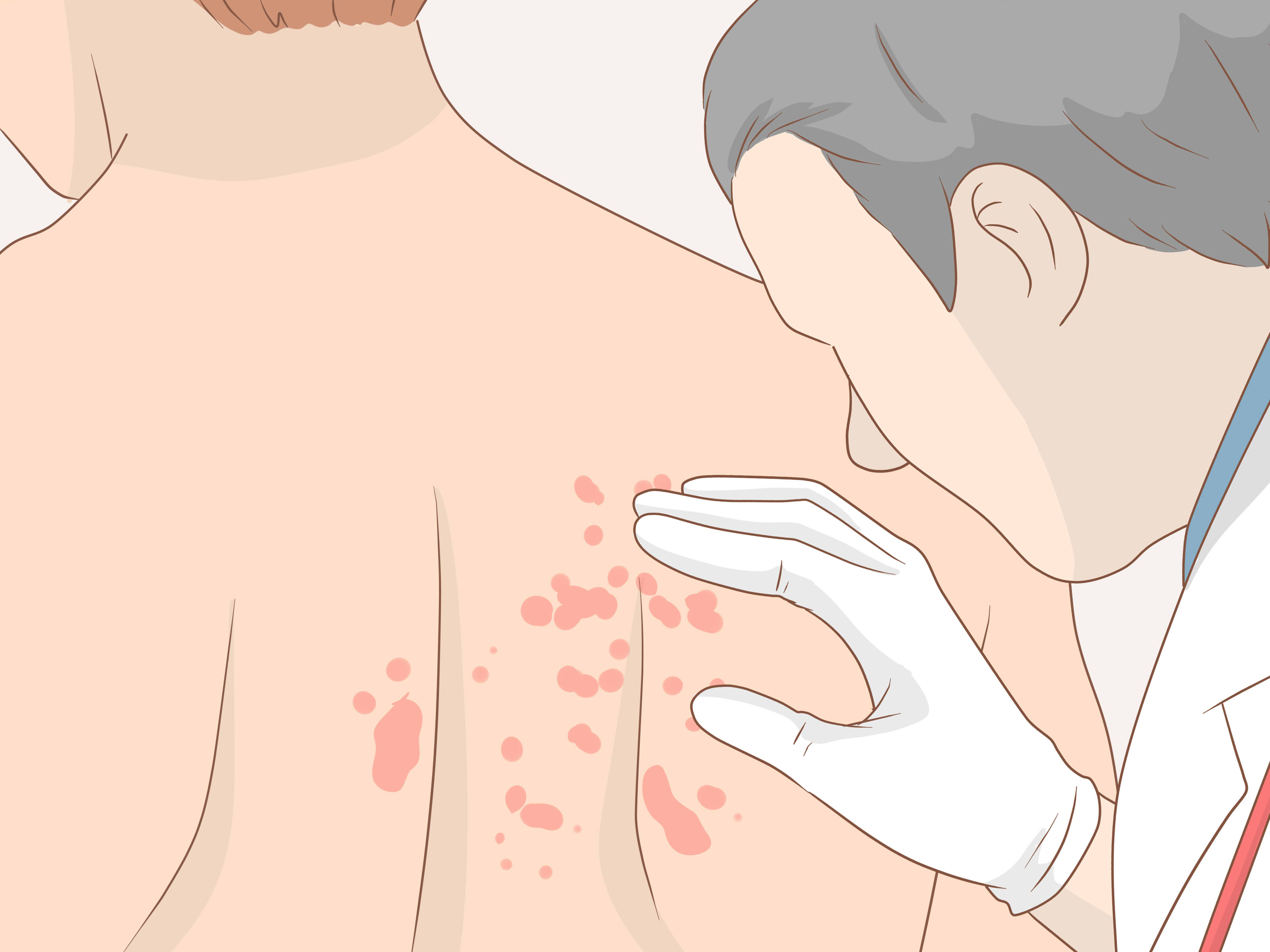
Most post-sugaring redness or tenderness improves quickly. However, you should consider professional advice if you notice severe pain, swelling, warmth, pus, spreading redness, fever, or bumps that do not improve. You should also see a dermatologist if you repeatedly develop ingrown hairs, dark spots, scarring, or acne-like breakouts after hair removal.
People using prescription retinoids, isotretinoin, strong exfoliants, or certain skin treatments should be extra careful with sugaring. Skin can become more fragile, and hair removal may increase the risk of irritation or skin lifting. When in doubt, ask a dermatologist before booking.
Personal Experience Tips: What Real Post-Sugaring Care Feels Like
The first thing many people notice after sugaring is that the skin feels unusually smooth but also slightly “awake.” That is the best way to describe it: not necessarily painful, but definitely aware that something happened. This is why the first evening after sugaring is not the time to test a new glitter body oil, wear the tightest jeans in the drawer, or decide that hot yoga sounds spiritually necessary.
A helpful habit is to plan your sugaring appointment around your schedule. If you have a beach day, wedding, photo shoot, gym session, or big night out coming up, do not book sugaring two hours before it. Give your skin at least 24 to 48 hours to calm down. Smooth skin is great; arriving at an event feeling itchy, sticky, and suspicious of every seam in your clothing is less great.
Another practical experience tip: bring loose clothing with you. People often remember aftercare once they get home, but the friction starts immediately after the appointment. If you sugared your legs, avoid tight leggings. If you sugared the bikini area, choose soft underwear and loose pants. If you sugared your underarms, skip rough fabrics and tight sleeves. Your outfit should say, “I respect my skin barrier,” not “I enjoy unnecessary drama.”
Moisturizing also becomes easier when you keep the product boring. Fancy fragrance can smell like a tropical smoothie, but freshly sugared skin may interpret it as a personal attack. A plain, fragrance-free moisturizer is often the better choice. Apply a light layer after cleansing or whenever the area feels dry. Do not smother the skin with thick layers unless your skin tolerates that well. The point is comfort, not frosting a cake.
For people prone to ingrown hairs, the most important long-term habit is gentle exfoliation after the first 48 hours. Many ingrown hairs happen because dead skin blocks the path of new growth. A soft washcloth a few times per week can be enough for some people. Others may prefer a mild chemical exfoliant made for the body. The key is patience. You are guiding the skin, not arguing with it.
It also helps to track your skin’s reaction after each appointment. Note how long redness lasts, which products you used, what clothing you wore, and whether bumps appeared later. Patterns matter. Maybe your skin hates scented lotion. Maybe tight workout shorts are the villain. Maybe exfoliating too soon causes irritation. A simple note on your phone can turn your aftercare routine from guesswork into a tiny skincare detective agency.
If you are new to sugaring, start conservatively. Do not combine sugaring with a brand-new active skincare routine, a fresh self-tanner, intense sun exposure, and a heavy workout in the same weekend. That is not a routine; that is a stress test. Let your skin experience one major thing at a time.
Finally, remember that “normal” varies. Some people walk out of sugaring with barely any redness. Others stay pink for the rest of the day. Sensitive skin, coarse hair, dense hair growth, friction-prone areas, and previous shaving habits can all affect the result. What matters most is whether your skin improves with proper care. If it gets worse, hurts, or keeps reacting strongly, pause and get professional guidance.
Conclusion
Caring for your skin after sugaring is all about protecting the skin barrier, reducing friction, preventing irritation, and giving follicles time to settle. The best routine is simple: keep the area clean, avoid heat and sweat, wear loose clothing, moisturize gently, delay exfoliation, use sunscreen on exposed skin, and pay attention to bumps or signs of irritation.
Sugaring can be a great hair-removal option for many people, but the smoothest results come from what you do after the appointmentnot just during it. Treat your skin like it just completed a tiny athletic event. Give it water, rest, breathable clothes, and absolutely no unnecessary drama.