Trying to tell the age of a rabbit can feel a little like guessing how old a loaf of bread is by looking at its expression. Rabbits do not come with birth certificates tucked behind their ears, and unlike horses, their teeth do not provide a neat age chart. Still, you can make a smart estimate by studying a rabbit’s size, fur, eyes, teeth, nails, body condition, behavior, and life-stage clues.
The key word is estimate. A veterinarian, especially one experienced with rabbits, can often narrow the age range better than a casual observer, but even vets may not be able to name an exact birthday unless the rabbit is very young. For adult rabbits, the goal is usually to decide whether the bunny is a baby, juvenile, young adult, mature adult, or senior. That information matters because diet, housing, neutering timing, health checks, and daily care all change with age.
This guide explains how to tell the age of a rabbit in 10 practical steps, using real rabbit-care knowledge rather than bunny fortune-telling. No crystal ball required. A hay rack helps, though.
Why Rabbit Age Is Hard to Judge
Rabbits grow quickly in the first few months, then become much harder to age visually. A 10-day-old kit looks dramatically different from a 6-week-old youngster, but a 2-year-old rabbit and a 4-year-old rabbit may look nearly identical if both are healthy. Breed also complicates things. A Netherland Dwarf may look “baby-ish” for life because of its small body and round face, while a Flemish Giant may look like it has been paying rent since adolescence.
Health history matters too. A neglected young rabbit may have overgrown nails, poor coat condition, or dental problems that make it appear older. Meanwhile, a well-cared-for senior rabbit may still be glossy, alert, and ready to perform Olympic-level zoomies across the living room rug.
How to Tell the Age of a Rabbit: 10 Steps
1. Start With the Rabbit’s Size and Breed
Size is the first clue, but it only works when you consider breed. Small rabbit breeds may weigh only 2 to 4 pounds as adults, while giant breeds can weigh 12 pounds or more. A young Flemish Giant may be larger than a full-grown dwarf rabbit, so never judge age by weight alone.
For domestic rabbits, baby rabbits grow rapidly during the first 8 weeks. By around 8 weeks, many are weaned and beginning to look like miniature versions of adults. Between 2 and 6 months, they often have the lanky, slightly awkward look of teenagers. Their ears may seem too big, their feet may appear oversized, and their energy level may suggest someone replaced their breakfast with espresso beans.
If you know the breed or likely breed mix, compare the rabbit’s current weight and body shape with expected adult size. A rabbit that is only half the expected adult weight may still be young. A rabbit that has reached normal adult size is likely older than 6 months, though exact timing varies by breed.
2. Look at the Fur Development
Fur gives excellent clues in very young rabbits. Newborn domestic rabbits are born hairless or nearly hairless, with closed eyes and delicate skin. Within the first week, a fine coat begins to appear. By 2 weeks, baby rabbits are fuzzy, warmer, and starting to look less like tiny pink beans and more like actual rabbits.
By 3 to 4 weeks, the coat is usually fuller, and the baby is more mobile. At 6 to 8 weeks, the rabbit should have a soft, complete juvenile coat. This baby coat may be fluffier, finer, and less sleek than an adult coat.
Adult rabbits usually have a denser, more settled coat texture. Seniors may develop a coat that looks thinner, duller, uneven, or harder to keep clean, especially if arthritis or stiffness prevents normal grooming. However, coat condition is also affected by diet, shedding season, illness, parasites, and stress, so use fur as one clue, not the whole case file.
3. Check the Eyes and Ears in Baby Rabbits
In very young rabbits, eyes and ears are among the clearest age markers. Baby rabbits are born with their eyes closed. Domestic rabbit kits generally open their eyes at about 10 days of age. If the rabbit’s eyes are still closed and the baby is not fully furred, the rabbit is likely under 2 weeks old.
Once the eyes are open, the baby becomes more aware of its surroundings and starts moving with more confidence. By 3 to 4 weeks, many kits are active, curious, and beginning to nibble solid foods, although they may not be fully weaned yet.
For wild baby rabbits, do not use age guessing as an excuse to handle them unnecessarily. If you find a wild rabbit with open eyes, upright ears, and a fully furred body, it may already be old enough to be outside the nest. When in doubt, contact a licensed wildlife rehabilitator rather than attempting home care.
4. Watch How the Rabbit Moves
Movement changes noticeably across life stages. A newborn or very young kit has limited coordination. A 2- to 3-week-old baby may wobble, crawl, hop in tiny bursts, and then nap as if it just completed a marathon.
Juvenile rabbits are more coordinated and playful. They explore, dart, jump, chew, dig, and test boundaries. A rabbit between 2 and 6 months may seem especially energetic and mischievous. This is the age when many owners discover that “rabbit-proofing” means protecting cords, baseboards, furniture legs, cardboard boxes, houseplants, and sometimes human dignity.
Healthy adult rabbits move smoothly, groom easily, stretch comfortably, and show strong muscle tone. Senior rabbits may move more slowly, hesitate before jumping, avoid slippery floors, or spend more time resting. Stiffness, sore hocks, arthritis, or weight changes may become more common in older rabbits, especially large breeds.
5. Examine the Teeth, but Do Not Expect a Perfect Age Chart
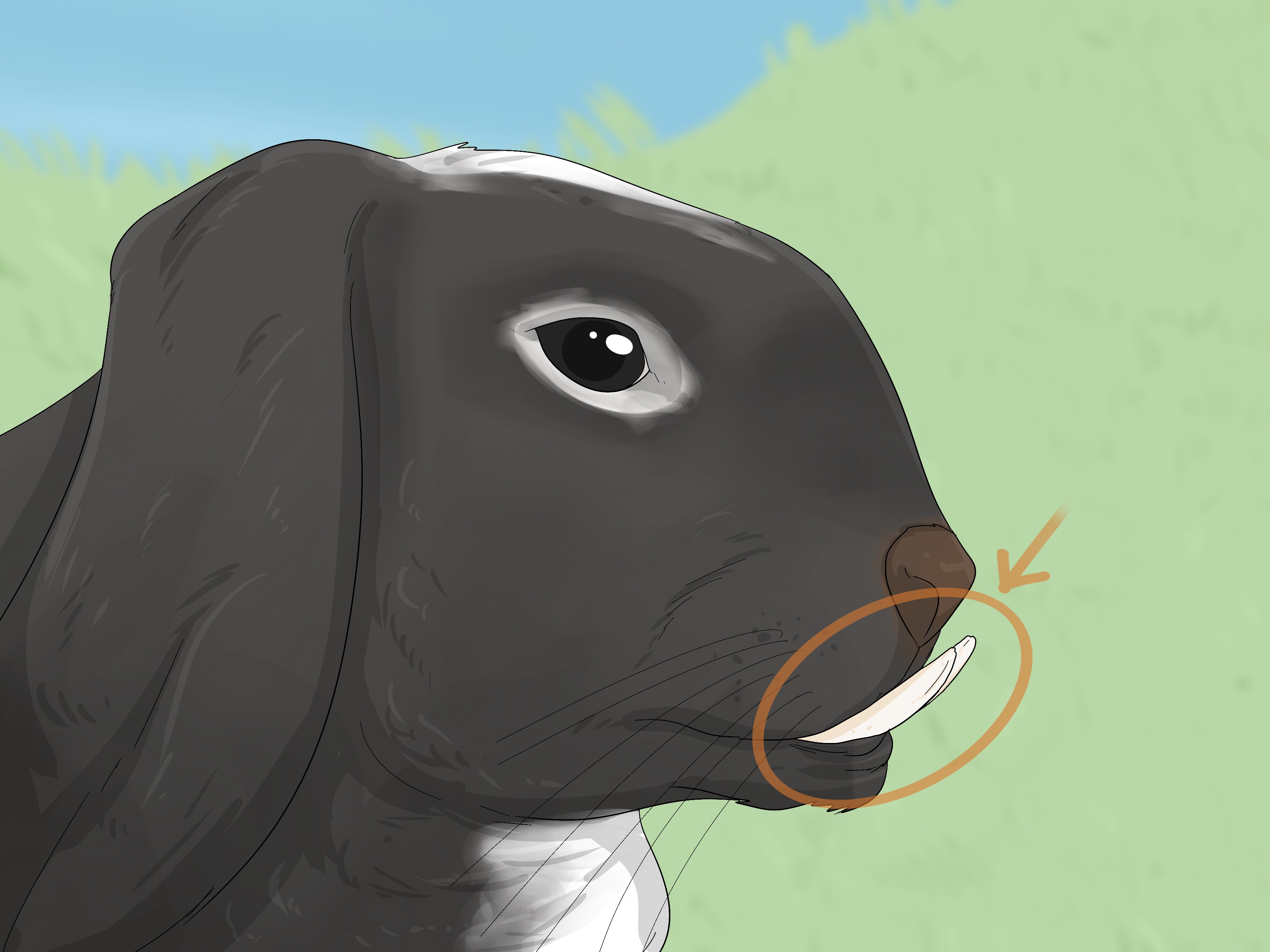
Rabbit teeth grow continuously throughout life. That fact is extremely important for health, but it does not mean you can count tooth rings like a tree stump. You cannot reliably tell a rabbit’s exact age from the teeth alone.
Still, teeth can suggest life stage and care history. A very young rabbit has smaller, cleaner-looking teeth. Adult rabbits should have properly aligned incisors and healthy chewing function. Overgrown incisors, drooling, weight loss, facial swelling, reduced appetite, or selective eating may point to dental disease. Dental problems can happen at any age, but they may become more noticeable over time, especially when diet, genetics, or jaw alignment is poor.
A rabbit-savvy veterinarian can examine the mouth more safely and thoroughly. The back teeth, or molars, cannot be fully evaluated just by lifting the lips. If you suspect dental disease, do not try to trim teeth yourself. That is a job for a qualified vet, not kitchen scissors and optimism.
6. Look at Nail Length and Foot Condition
Nails can offer hints, but they are not a reliable clock. Young rabbits usually have finer, sharper nails. Adult rabbits may have thicker nails, and older rabbits may have nails that look heavier, curved, or more brittle. However, nail length mostly reflects care. A young rabbit that has never had a nail trim can have long nails, while a senior rabbit with attentive care may have neat little paws.
Foot condition may be more useful. Senior rabbits, overweight rabbits, giant breeds, and certain short-coated breeds such as Rex rabbits can be prone to sore hocks, where the underside of the feet becomes irritated or inflamed. A rabbit with worn fur on the feet, pressure sores, or difficulty moving may be older or may have housing and health issues that need correction.
Check the nails and feet gently. If the rabbit struggles, stop and try again later or ask a vet or experienced rabbit handler for help. Rabbits have powerful back legs and delicate spines, which is a dramatic combination, like putting a race car engine in a porcelain teacup.
7. Notice Sexual Maturity and Hormonal Behavior
Sexual maturity is one of the strongest clues that a rabbit has moved beyond babyhood. Many rabbits begin puberty around 3 to 6 months, though breed and size affect timing. Smaller breeds often mature earlier, while large and giant breeds may mature later.
Hormonal behaviors can include mounting, spraying urine, circling feet, grunting, territorial behavior, nesting behavior, and sudden mood changes. A previously sweet baby rabbit may suddenly become a tiny landlord defending every square inch of the enclosure. This does not mean the rabbit is “bad.” It may simply mean adolescence has arrived.
Neutering or spaying is often recommended for pet rabbits when they are old enough and healthy enough, because it can reduce unwanted litters, improve behavior, and prevent certain reproductive health problems. Timing should always be discussed with a rabbit-savvy veterinarian.
8. Study Body Shape and Muscle Tone
A young juvenile rabbit often looks lean, stretchy, and slightly unfinished. Its body may seem long compared with its head, or its ears may look comically oversized. Adult rabbits usually have a more balanced shape, with developed muscles over the back and hindquarters.
As rabbits age, body condition may change. Some older rabbits lose muscle over the spine and hips, making the backbone or pelvis feel more prominent. Others gain weight if they move less but continue eating calorie-dense pellets or treats. Either change can affect how old the rabbit appears.
To assess body condition, gently feel along the ribs, spine, and hips. You should be able to feel the ribs without them being sharp or buried under fat. A thin rabbit may need veterinary evaluation, especially if weight loss is sudden. Weight loss in rabbits can be linked to dental disease, digestive problems, kidney disease, pain, or other medical concerns.
9. Observe Personality and Daily Habits
Behavior can help estimate age, although rabbits are individuals. Baby and juvenile rabbits tend to be curious, impulsive, and highly active. They may chew everything, climb into places they should not, and treat a cardboard box like an amusement park.
Adult rabbits often become more predictable. They establish routines, favorite resting spots, preferred litter box corners, and personal opinions about where humans may place their hands. Some adults remain playful; others become dignified loafs with ears.
Senior rabbits may sleep more, groom less thoroughly, avoid high jumps, or become less tolerant of stress. They may still enjoy toys, tunnels, companionship, and gentle attention, but they often appreciate easier access to food, water, litter boxes, and soft resting areas. A sudden behavior change at any age should be treated as a health warning, not simply “old age.” Rabbits hide illness well, so subtle changes matter.
10. Ask for a Veterinary Age Estimate
The best way to estimate a rabbit’s age is to combine your observations with a veterinary exam. A rabbit-savvy vet can check teeth, weight, muscle tone, eyes, ears, heart, joints, skin, feet, and reproductive status. They may not be able to say, “This rabbit is exactly 2 years and 43 days old,” but they can often classify the rabbit into a useful age range.
A vet visit is especially important if the rabbit came from a shelter, rescue, pet store, breeder, outdoor situation, or unknown background. The exam can identify hidden dental disease, parasites, injuries, pregnancy, malnutrition, or age-related concerns. It also gives you a baseline for future care.
For practical purposes, ask the vet whether the rabbit appears to be a baby, adolescent, young adult, mature adult, or senior. That answer is usually more helpful than an exact number because it guides diet, housing, exercise, neutering decisions, and wellness check frequency.
Rabbit Age Chart: A Practical Estimate
| Estimated Age | Common Signs | Care Notes |
|---|---|---|
| Newborn to 10 days | Eyes closed, little to no fur at first, fully dependent on mother | Do not separate from mother unless there is an emergency |
| 2 to 3 weeks | Eyes open, fur developing, beginning to move and explore | Still needs mother; may start nibbling hay or solid food |
| 4 to 8 weeks | Fully furred, active, growing quickly, becoming weaned | Should remain with mother until properly weaned |
| 2 to 6 months | Fast growth, high energy, teenage behavior, puberty signs | Discuss sex separation and neutering timing with a vet |
| 6 months to 1 year | Near adult size, stronger body, more settled habits | Maintain hay-based diet and regular wellness care |
| 1 to 5 years | Adult body, stable behavior, full coat, strong movement | Monitor weight, teeth, nails, litter habits, and appetite |
| 5 years and older | May show slower movement, muscle loss, dental issues, cloudy eyes, or grooming changes | Increase comfort, provide senior-friendly housing, and schedule regular vet checks |
Common Mistakes When Guessing a Rabbit’s Age
Mistake 1: Assuming Small Means Young
A tiny rabbit is not always a baby. Dwarf breeds stay small for life. Some adult rabbits weigh less than a young rabbit from a large breed. Always compare size with breed type.
Mistake 2: Assuming Long Nails Mean Old Age
Long nails usually mean the rabbit needs a trim, not that it is ancient. Nail length reflects grooming care more than age.
Mistake 3: Believing Teeth Reveal Exact Age
Rabbit teeth grow continuously and wear down through chewing hay and fibrous foods. Dental appearance tells you more about health and diet than exact age.
Mistake 4: Calling Every Quiet Rabbit “Old”
Some rabbits are naturally calm. Others are quiet because they are scared, sick, or adjusting to a new home. Personality alone is not enough to estimate age.
Mistake 5: Ignoring Breed Differences
Large and giant breeds often age faster than small breeds. A giant rabbit may be considered senior earlier than a dwarf rabbit, even if both are loved equally and judged equally for stealing parsley.
How Age Affects Rabbit Care
Knowing a rabbit’s approximate age helps you provide better care. Young rabbits need safe growth, proper weaning, and protection from accidental breeding. Adults need a steady routine, a hay-based diet, enrichment, exercise, and regular health checks. Senior rabbits may need softer flooring, lower-entry litter boxes, more frequent vet exams, and careful monitoring of weight, appetite, dental health, and mobility.
For most pet rabbits, unlimited grass hay should be the foundation of the diet. Hay supports digestion and helps wear down continuously growing teeth. Fresh water, leafy greens, appropriate pellets, and safe chew materials also support long-term health. Treats should be limited, even when the rabbit gives you that “I have never eaten in my life” face five minutes after dinner.
Age also affects housing. Baby rabbits need secure, warm, calm environments. Teenagers need space and enrichment to burn energy. Adults need exercise and mental stimulation. Seniors need comfort, traction, and easy access to essentials. A rabbit’s setup should evolve as the rabbit ages.
When to Call a Veterinarian
Contact a rabbit-savvy veterinarian if you notice appetite loss, fewer droppings, drooling, weight loss, head tilt, trouble breathing, sudden aggression, difficulty moving, urine scald, dirty bottom, eye discharge, or changes in chewing. These signs can be serious at any age.
Rabbits are prey animals, so they often hide pain until a problem is advanced. If your rabbit looks “a little off,” take that seriously. In rabbit language, “a little off” can mean “please do not wait until Monday.”
Experience-Based Tips: What Rabbit Owners Often Notice Over Time
Many people first try to estimate a rabbit’s age when they adopt from a shelter or rescue. The paperwork may say “adult,” which is useful but not exactly thrillingly specific. In these cases, the best approach is to observe the rabbit over the first few weeks. A young adult often settles in with curiosity and quick energy. It may explore every corner, toss toys, dig at blankets, and perform happy jumps once it feels safe. A mature adult may still be playful but usually shows more routine-based behavior. It chooses favorite nap spots quickly, learns feeding times, and may become very particular about where the litter box belongs.
Owners of adolescent rabbits often report a dramatic personality shift. A baby bunny that once accepted cuddles may suddenly decide that hands are suspicious government agents. Spraying, mounting, grunting, and territorial behavior can appear quickly. This is one reason age estimation matters: a rabbit acting “naughty” may simply be entering puberty. With patient handling, enough space, and veterinary guidance about spaying or neutering, many of these behaviors become easier to manage.
People caring for senior rabbits often notice small changes before obvious ones. The rabbit may still eat well but take longer to rise from a resting position. It may avoid jumping onto a platform it once loved. It may leave a few cecotropes uneaten because bending around has become difficult. The coat may look less polished because grooming takes more effort. These signs do not mean the rabbit is finished enjoying life. They mean the home should be adjusted. Lower the litter box entrance, add rugs for traction, provide soft bedding, place hay within easy reach, and schedule regular veterinary checks.
A useful real-world habit is to take monthly photos and notes. Record weight, appetite, favorite foods, litter habits, nail trims, and behavior. Over time, these notes become more valuable than a guessed birthday. If a rabbit gradually becomes less active, you can spot the trend early. If weight drops by several ounces, you will know it is new. If the rabbit suddenly stops chewing hay, you can act quickly. For rabbits, good observation is not overthinking; it is responsible care.
Another practical lesson is that age does not define personality. Some senior rabbits remain bold, dramatic, and fully committed to redecorating the room with hay. Some young rabbits are shy, gentle, and quiet. The best age estimate comes from combining physical clues with behavior, history, and veterinary input. Treat the rabbit in front of you, not the number you hope to assign. Whether your bunny is 6 months or 6 years old, it needs safety, patience, excellent nutrition, and someone willing to pretend that chewing the cardboard tunnel was definitely part of the plan.
Conclusion
Learning how to tell the age of a rabbit is about reading clues, not solving a mystery with one perfect answer. Size, fur, eyes, movement, teeth, nails, sexual maturity, body condition, behavior, and veterinary evaluation all help you estimate a rabbit’s life stage. Baby rabbits are the easiest to age because their development changes quickly from day to day. Adult rabbits are harder, and seniors must be judged by a mix of physical condition, breed, health, and lifestyle.
The most important takeaway is simple: use age estimation to improve care. A young rabbit needs safe growth and proper handling. A teenage rabbit needs patience and reproductive planning. An adult rabbit needs routine, exercise, and dental-friendly nutrition. A senior rabbit needs comfort, monitoring, and extra support. Exact birthdays are nice, but excellent care is better. Your rabbit will not care whether you guessed its age correctly; it will care that the hay is fresh, the floor is safe, and the human servant is punctual with dinner.
Note: This article is for educational purposes and should not replace advice from a rabbit-savvy veterinarian, especially if the rabbit is very young, sick, injured, pregnant, losing weight, or showing sudden behavior changes.