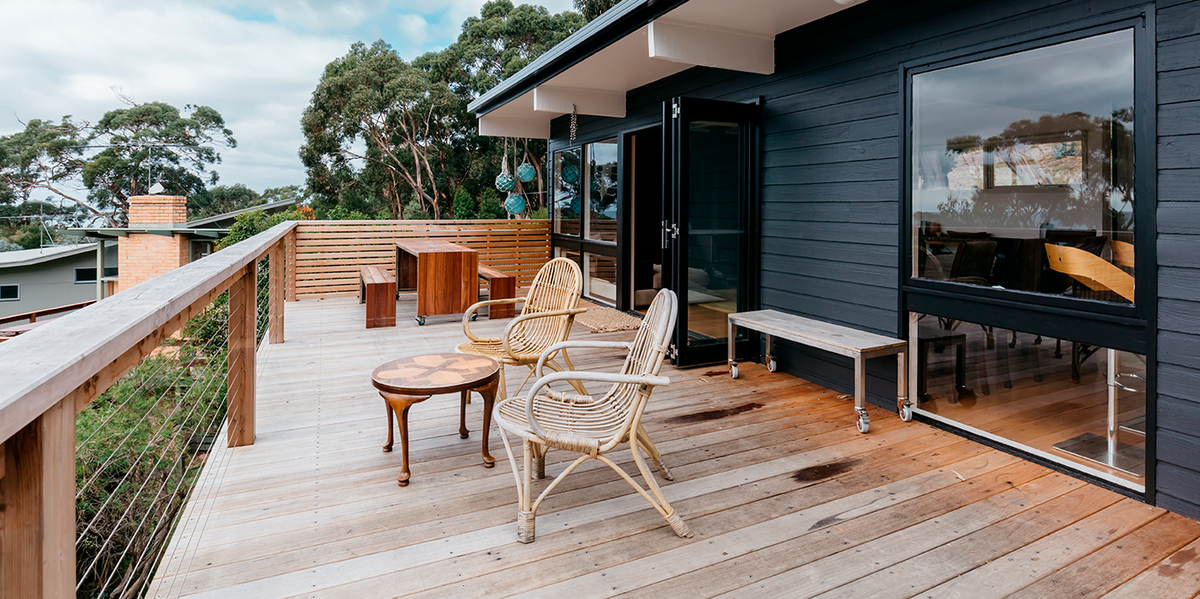
Note: This article is based on real decking guidance from reputable U.S. home-improvement, consumer testing, retailer, and manufacturer sources. Always confirm local building codes, fire-zone requirements, HOA rules, product warranties, and installation instructions before buying materials.
Choosing the best decking material in 2024 is a bit like choosing a dog: every option looks charming in the beginning, but the real question is how much maintenance you want in your life. Pressure-treated wood is affordable and familiar. Cedar looks warm and natural. Composite decking promises low upkeep. PVC laughs at moisture. Aluminum is the serious overachiever in the corner wearing safety goggles.
The “best” material is not one universal winner. It depends on your climate, budget, lifestyle, design goals, and willingness to spend Saturday morning staining boards instead of drinking coffee like a civilized person. A deck in humid Florida has different needs than a deck in dry Arizona, snowy Michigan, coastal Maine, or wildfire-prone California. The right choice should balance upfront cost, long-term value, durability, safety, appearance, and maintenance.
This guide breaks down the most popular decking materials for 2024, including pressure-treated wood, cedar, redwood, tropical hardwoods, composite, PVC, aluminum, and deck tiles. You will also learn how to compare real-world costs, avoid common mistakes, and choose a material that fits your home instead of becoming an expensive outdoor guilt platform.
What Makes a Decking Material “Best” in 2024?
The best decking material should do five things well: survive your weather, fit your budget, look good with your home, feel safe underfoot, and require a maintenance routine you will actually follow. Be honest here. If you have never successfully kept a houseplant alive, a high-maintenance wood deck may be a bold character arc.
In 2024, homeowners are paying more attention to low-maintenance outdoor living, sustainable materials, warm natural colors, indoor-outdoor flow, and deck designs that work for grilling, relaxing, entertaining, and pretending to read a book while scrolling on a phone. Composite and PVC decking have become especially popular because they offer wood-like looks without the annual sanding, sealing, and staining cycle.
Main Types of Decking Materials
1. Pressure-Treated Wood: Best for Budget-Friendly Decks
Pressure-treated lumber remains one of the most common decking materials in the United States because it is widely available, relatively inexpensive, and familiar to contractors and DIY builders. It is treated to resist rot, decay, and insect damage, making it more durable outdoors than untreated lumber.
The biggest advantage is cost. If you want the lowest upfront price, pressure-treated wood is usually the first material to consider. It is also easy to cut, fasten, repair, and replace. For a starter deck, rental property, or large backyard project where budget matters most, it can make excellent sense.
The trade-off is maintenance. Pressure-treated wood needs regular cleaning and periodic sealing or staining to reduce moisture damage, fading, splintering, and warping. It may also crack, cup, or check over time. If neglected, it can go from “rustic charm” to “pirate ship after a rough decade” faster than expected.
Choose pressure-treated wood if: you want a low upfront cost, do not mind regular maintenance, and prefer a traditional wood deck.
2. Cedar: Best for Natural Beauty on a Moderate Budget
Cedar is loved for its warm color, pleasant aroma, and naturally occurring oils that help resist insects and decay. It feels softer and more natural underfoot than many synthetic options. For homeowners who want a classic backyard look, cedar has a cozy “summer cabin without the mosquito soundtrack” appeal.
Cedar is generally more expensive than pressure-treated lumber but less costly than many tropical hardwoods. It accepts stains beautifully and can be left to weather into a silvery gray if that look suits your home. However, cedar is still wood, which means it needs routine care. Without maintenance, it can fade, split, stain, or become rough.
Choose cedar if: you want authentic wood beauty, are willing to maintain it, and like a softer, natural appearance.
3. Redwood and Tropical Hardwoods: Best for Premium Wood Lovers
Redwood, ipe, mahogany, tigerwood, and other hardwoods bring rich color, impressive density, and a luxury feel. Ipe, in particular, is known for exceptional hardness and resistance to rot, insects, and heavy wear. These woods can look stunning, especially on modern homes, pool decks, and high-end outdoor spaces.
The downside is price and labor. Dense hardwoods are heavy, harder to cut, and often require pre-drilling and specialized fasteners. Some species also raise sustainability concerns, so look for responsibly sourced or FSC-certified wood whenever possible. Maintenance is still required if you want to preserve the original color; otherwise, many hardwoods weather to gray.
Choose hardwood decking if: you want a premium natural material, have the budget for it, and are prepared for proper installation and upkeep.
4. Composite Decking: Best All-Around Choice for Many Homeowners
Composite decking is made from a blend of wood fibers and plastic. Many modern boards are capped with a protective shell that improves resistance to stains, fading, moisture, and surface wear. In 2024, composite decking is one of the strongest all-around choices because it combines the look of wood with much lower maintenance.
Composite does not need sanding, staining, or painting. Most decks only need sweeping and occasional cleaning with mild soap and water. It also resists splintering, cracking, rot, and insect damage better than traditional wood. For families with kids, pets, bare feet, and a grill that occasionally behaves like a small volcano, this is a major advantage.
The biggest drawback is upfront cost. Composite boards usually cost more than pressure-treated wood at purchase. However, the long-term value can be strong because maintenance costs and effort are much lower. Color and texture have improved dramatically, with many products now offering realistic wood grain, multi-tonal finishes, and premium design options.
Choose composite decking if: you want a durable, attractive, low-maintenance deck and can handle a higher upfront investment.
5. PVC Decking: Best for Moisture Resistance
PVC decking is made entirely from synthetic plastic, with no wood fibers. That makes it highly resistant to moisture, mold, mildew, insects, and rot. For wet climates, pool areas, docks, and shady yards where wood stays damp, PVC can be a smart choice.
Because it contains no organic material, PVC is especially good at resisting water-related problems. It is also lightweight compared with many composite boards and usually requires little more than routine cleaning. Premium PVC products can mimic wood surprisingly well, although some lower-end versions may look more artificial.
The potential drawbacks are cost, heat retention, and feel. Some PVC decking can become hot in direct sun, especially in darker colors. It may also expand and contract with temperature changes, so installation must follow manufacturer spacing instructions carefully.
Choose PVC decking if: your deck faces heavy moisture, you want very low maintenance, and you prefer a synthetic board with strong rot resistance.
6. Aluminum Decking: Best for Fire Resistance and Extreme Durability
Aluminum decking is not as common as wood, composite, or PVC, but it has serious strengths. It is lightweight, long-lasting, insect-proof, rot-proof, and noncombustible. For certain applications, such as elevated decks, docks, wet areas, and fire-conscious regions, aluminum can be a high-performance option.
Many aluminum systems are powder-coated and designed with interlocking boards that help manage water. They can be especially useful for creating dry space below an elevated deck. Aluminum also stays structurally stable and does not splinter, warp, or decay.
The downsides are price, appearance, and sound. Aluminum can cost significantly more than other materials, and some homeowners simply prefer the warmth of wood-look boards. It can also sound different underfoot. Not bad, exactly, but definitely less “cozy cabin” and more “well-engineered balcony.”
Choose aluminum decking if: durability, fire resistance, drainage, or low maintenance matters more than a traditional wood appearance.
Decking Material Comparison for 2024
| Material | Best For | Maintenance | Upfront Cost | Main Drawback |
|---|---|---|---|---|
| Pressure-Treated Wood | Budget projects | High | Low | Needs sealing, staining, and repairs |
| Cedar | Natural beauty | Medium to high | Medium | Can fade, splinter, and weather |
| Hardwood | Premium wood decks | Medium | High | Expensive and harder to install |
| Composite | Low-maintenance family decks | Low | Medium to high | Higher initial price |
| PVC | Wet climates and pool areas | Low | High | Can feel more synthetic |
| Aluminum | Extreme durability and fire resistance | Very low | High | Limited natural appearance |
How to Choose the Best Decking Material for Your Home
Start With Your Climate
Climate should be one of your first filters. In humid or rainy regions, moisture resistance matters. Composite and PVC are strong candidates because they resist rot and do not require the same sealing schedule as wood. In dry, sunny climates, UV resistance and heat retention become more important. Lighter colors often feel cooler underfoot than dark boards.
In snowy areas, consider slip resistance, freeze-thaw movement, and how easily the surface can be shoveled or cleaned. Near the coast, salt air can be rough on fasteners and framing, so corrosion-resistant hardware is essential. In wildfire-prone regions, check local fire codes and consider ignition-resistant or noncombustible systems.
Be Honest About Maintenance
Maintenance is where fantasy decks meet real life. A wood deck can be beautiful, but it asks for attention. Cleaning, sanding, sealing, staining, replacing damaged boards, and watching for splinters are part of the relationship. If you enjoy weekend projects, wood may be satisfying. If your idea of deck maintenance is moving the chair so the robot vacuum can’t find you, composite or PVC will be kinder.
Low-maintenance decking does not mean no maintenance. Composite and PVC still need cleaning, especially around grills, planters, pollen, leaves, and mildew-prone shaded areas. But the workload is usually much lighter than wood.
Compare Lifetime Cost, Not Just Purchase Price
Many homeowners choose decking by looking only at the price tag on the board. That is understandable, but incomplete. A cheaper wood deck may cost less on day one and more over time because of stains, sealers, tools, repairs, and labor. Composite, PVC, and aluminum usually cost more upfront but can save time and maintenance expenses over the life of the deck.
Think in terms of total ownership. Ask: How long do I plan to live here? Will I maintain this myself or hire someone? How much is my time worth? Will a higher-quality material improve resale appeal? Sometimes the least expensive deck is not the cheapest deck. It is just the one that sends the bill in installments.
Match the Material to Your Lifestyle
If your deck will host kids, dogs, parties, furniture, planters, and frequent grilling, prioritize durability, stain resistance, splinter resistance, and easy cleaning. Composite or PVC may be a better fit than softwood. If the deck is a quiet sitting area with light use, cedar or redwood may perform beautifully with proper care.
For pool decks, consider slip resistance and barefoot comfort. For dining areas, think about grease, food stains, chair movement, and how easy the surface is to clean. For rooftop or elevated decks, weight, drainage, railing integration, and code compliance become more important.
Look at Samples in Real Sunlight
Never choose decking from a tiny online image alone. Order samples or visit a showroom. Put samples outside in direct sun, shade, and evening light. Walk on them barefoot if possible. Compare colors next to your siding, trim, stone, patio, and outdoor furniture.
Also test heat. Dark boards can become uncomfortable in strong sun. If your deck gets full afternoon exposure, a lighter color or heat-mitigating product may be worth considering. Your feet will thank you, probably without sending a formal letter.
Best Decking Material by Situation
Best for Tight Budgets: Pressure-Treated Wood
Pressure-treated wood is usually the best option when upfront cost is the main concern. It is practical, accessible, and easy to repair. Just budget for ongoing maintenance from the beginning.
Best for Low Maintenance: Composite Decking
Composite decking is the sweet spot for many homeowners in 2024. It offers attractive wood-like designs, good durability, and much easier upkeep than traditional wood.
Best for Wet Areas: PVC Decking
PVC is a strong choice for poolside decks, rainy climates, shaded yards, and areas where moisture is a constant concern.
Best for Premium Natural Style: Hardwood
If you love real wood and have the budget, ipe or other premium hardwoods can create a dramatic, long-lasting deck with proper installation and maintenance.
Best for Fire Resistance: Aluminum
Aluminum is worth considering for fire-conscious areas, elevated structures, or homeowners who want maximum durability with minimal upkeep.
Common Mistakes to Avoid
One common mistake is choosing the cheapest board and forgetting the cost of fasteners, framing, railing, stairs, permits, labor, stains, sealers, and future repairs. Decking boards are only one part of the project. A beautiful surface on a weak frame is like wearing a tuxedo on a treadmill: impressive for three seconds, then concerning.
Another mistake is ignoring ventilation. Decks need airflow to reduce trapped moisture, especially with wood and some composite systems. Poor drainage, blocked gaps, and piles of wet leaves can shorten the life of almost any deck.
Homeowners also forget about fasteners. Different materials require different screws, clips, spacing, and installation methods. Composite and PVC boards often need manufacturer-approved hidden fasteners or specific screws to avoid surface issues. Tropical hardwoods may require pre-drilling. Always follow the product instructions.
Finally, do not ignore permits and codes. Stairs, railings, joist spacing, ledger attachment, footings, guard height, and structural loads are safety issues, not decorative suggestions. Local code requirements can vary, especially for elevated decks and fire-risk zones.
Personal Experience and Practical Lessons From Choosing Decking Materials
The most useful lesson from real decking projects is that people rarely regret choosing a material that matches their lifestyle. They often regret choosing a material that matches only their wishful thinking. A homeowner may love the idea of cedar because it looks warm and natural, but if they dislike annual upkeep, that love story can become a maintenance documentary with a sad soundtrack.
One practical example is the family deck behind a busy suburban home. The deck is used for weeknight dinners, kids’ birthday parties, muddy dog paws, container plants, and the occasional grilling incident involving too much marinade. In that situation, composite decking often feels like the practical winner. It handles traffic well, does not splinter like aging wood, and cleans up without requiring a full weekend ritual. The upfront price may sting, but the everyday convenience is noticeable.
Another example is a smaller shaded deck outside a guest room or reading nook. If the space is used gently and the homeowner enjoys the natural look of wood, cedar can be a wonderful choice. The key is accepting the maintenance from the beginning. Clean it, stain it, inspect it, and do not let wet leaves sit in corners for weeks. Leaves are tiny moisture blankets, and decks do not enjoy spa treatments.
For wet climates, PVC can be a relief. In areas where wood seems to stay damp forever, a fully synthetic board avoids many rot-related worries. It is especially useful around pools, lakes, and shaded backyards. The main experience-based tip is to test color and texture before buying. Some PVC products look beautifully realistic; others look more like plastic trying very hard at a costume party.
For premium homes, hardwood decking can look spectacular, but it demands respect. Dense species like ipe are not casual DIY materials. They need proper tools, proper fasteners, careful spacing, and patience. When installed well, the result can be elegant and incredibly strong. When installed poorly, it can become expensive frustration in board form.
Aluminum decking is the material many homeowners overlook until they have a specific problem to solve. Need a dry area beneath an elevated deck? Want a noncombustible surface? Hate rot with the passion of a movie villain? Aluminum may be worth a look. It will not deliver the same cozy wood-grain feeling, but it performs like a serious building product.
The best buying experience usually starts with samples. Place them outside for several days. Spill water on them. Put them in sun and shade. Step on them barefoot. Compare them with your siding and railing color. Ask yourself whether you still like the board at noon, after rain, and under porch lights. A deck is not a showroom display; it is a daily-use surface that has to live with weather, furniture, people, pets, and snack crumbs.
Also talk to local contractors. National guides are useful, but local experience is gold. A contractor who has replaced dozens of decks in your climate will know which materials perform well, which fasteners fail, which colors get too hot, and which products homeowners complain about after three summers.
The final experience-based rule is simple: do not build the deck only for today’s budget. Build it for the next decade of use. A slightly better material, better fasteners, stronger framing, and smarter drainage can save money and frustration later. The best decking material in 2024 is the one that lets you use your outdoor space more and worry about it less.
Conclusion: So, What Is the Best Decking Material in 2024?
For most homeowners, composite decking offers the best balance of appearance, durability, maintenance, and long-term value in 2024. It is not always the cheapest option upfront, but it is practical, attractive, and forgiving for busy households. PVC is excellent for moisture-heavy areas, aluminum is ideal for extreme durability and fire resistance, pressure-treated wood remains the budget champion, cedar delivers natural charm, and hardwoods bring premium beauty.
The smartest choice starts with your real life. Consider your climate, budget, maintenance habits, design preferences, and how the deck will be used. Then compare materials by lifetime value, not just the first receipt. A great deck should make outdoor living easier, not become another chore wearing sunglasses.