Every cyclist eventually meets a hill that looks less like a road and more like a dare. Your breathing changes, your legs start negotiating with your brain, and suddenly that harmless little incline on the map feels like it was designed by a villain with a degree in landscaping. The good news? Climbing steep hills while cycling is not magic, and it is definitely not reserved only for featherweight pros with calves carved from granite.
Learning how to climb steep hills on a bike comes down to technique, pacing, gearing, body position, and a little mental strategy. Yes, fitness matters, but many riders suffer uphill not because they are weak, but because they attack the climb in the wrong gear, start too hard, tense their upper body, or stand up too soon like they are launching a heroic movie scene. Spoiler: the hill does not care about drama.
This guide breaks the process into 10 practical steps for road cyclists, commuters, recreational riders, gravel riders, and anyone who wants to reach the top without questioning every life choice. Whether you are training for a hilly charity ride, tackling a mountain road, or just trying to survive the neighborhood hill that always steals your dignity, these cycling hill climbing tips will help you climb smarter, smoother, and with far less suffering.
Why Steep Hills Feel So Hard on a Bike
On flat ground, momentum is your friendly little assistant. On a steep hill, gravity becomes the boss, the supervisor, and the HR department. The steeper the grade, the more force you need to keep the bike moving forward. That is why your cadence drops, your breathing gets louder, and your legs feel like they are pedaling through mashed potatoes.
The key is not simply to “push harder.” In fact, grinding a huge gear at a low cadence can drain your muscles quickly and may increase stress on your knees. A better approach is to shift early, keep a steady rhythm, control your effort, and use your body efficiently. Climbing is a skill. Like cornering, braking, or riding in a group, it improves with practice and attention.
How to Climb Steep Hills While Cycling: 10 Steps
1. Look Ahead and Prepare Before the Hill Starts
The first rule of climbing is simple: do not wait until you are already suffering to make a plan. As you approach a steep hill, scan the road ahead. Look at the grade, the surface, traffic, turns, and any change in slope. If the climb gets steeper halfway up, you need to save energy for that section instead of spending it all at the bottom like a cyclist at a clearance sale.
Before the hill begins, relax your shoulders, take a few steady breaths, and settle into a pace you can maintain. If you use a cycling computer, glance at your cadence, heart rate, or power. If you ride by feel, aim for an effort that feels controlled, not desperate. The start of the climb should feel almost too easy. That is not laziness; that is strategy wearing a helmet.
2. Shift Into an Easier Gear Early
One of the biggest mistakes riders make on steep climbs is shifting too late. If you wait until your cadence collapses, the drivetrain is under heavy load, and shifting becomes rougher. You may hear the chain complain, and honestly, it has a point.
Shift into an easier gear before the grade becomes severe. On most bikes, that means using a smaller front chainring if you have one and a larger cog on the rear cassette. The goal is to keep the pedals turning smoothly rather than forcing each stroke like you are trying to open a stuck pickle jar with your legs.
If your bike does not have low enough gears for your local hills, consider talking with a bike shop about a wider-range cassette, compact crankset, or drivetrain adjustment. Better climbing gears do not make you weak. They make you efficient. Even strong cyclists use appropriate gearing because gravity is not impressed by ego.
3. Keep a Smooth, Sustainable Cadence
Cadence is the number of pedal revolutions you make per minute. For many riders, a comfortable climbing cadence sits somewhere around 70 to 90 rpm, though personal preference, grade, fitness, and gearing all matter. On very steep hills, your cadence may drop below that range, but the goal is still to avoid mashing a brutally hard gear for too long.
A smooth cadence helps spread the workload between your cardiovascular system and leg muscles. When you spin a slightly easier gear, your breathing may increase, but your legs often last longer. When you grind a heavy gear, your muscles fatigue faster, especially on longer climbs.
Try this simple practice: on a moderate hill, ride once at your normal pace, then ride again while focusing only on smooth circles with the pedals. Keep your upper body quiet and your effort steady. You may notice that climbing feels less chaotic when your cadence becomes more controlled.
4. Stay Seated for Better Efficiency
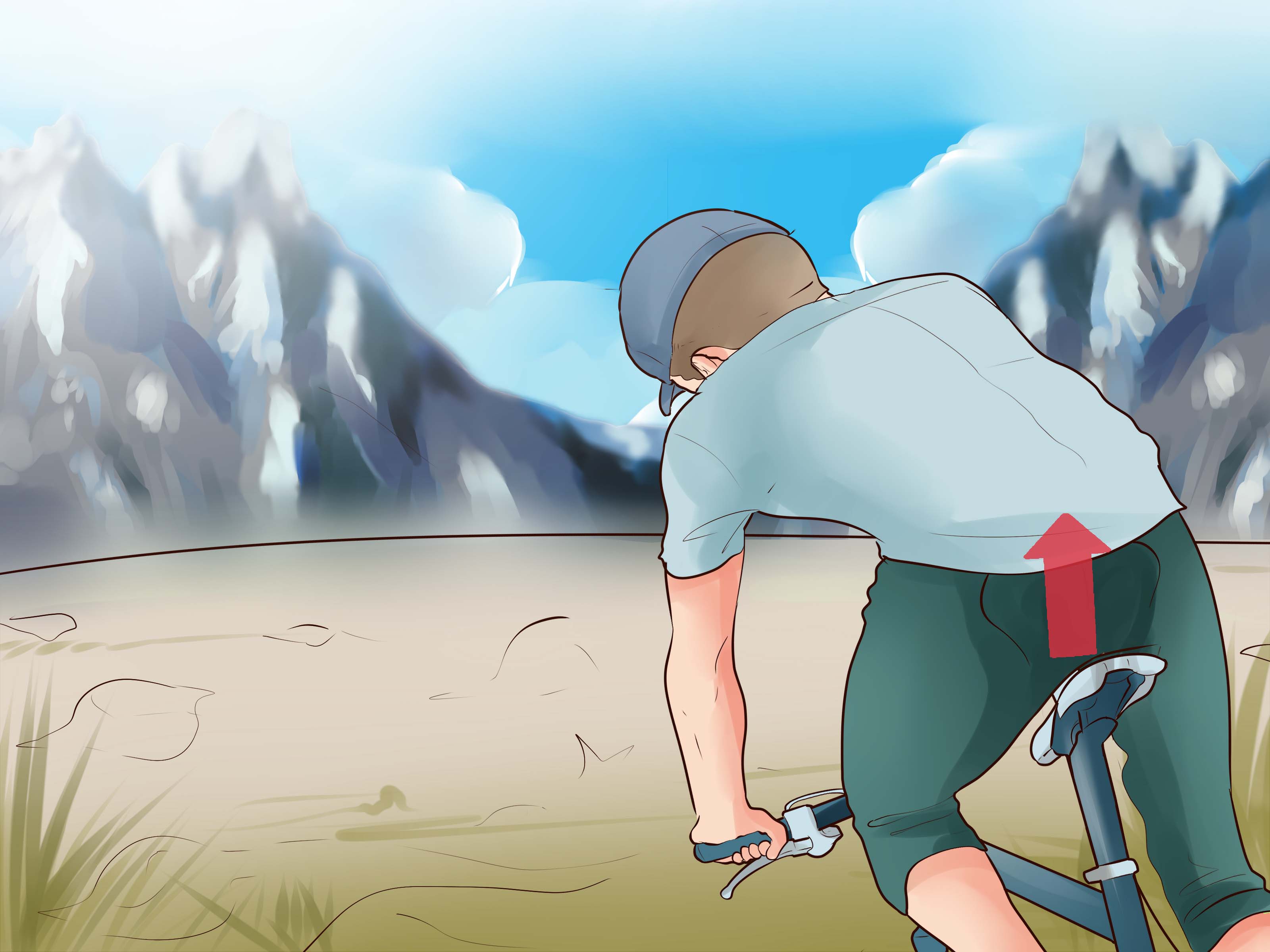
Standing on the pedals can be useful, especially on short, steep ramps or when you need a quick burst of power. But for most sustained climbs, staying seated is usually more efficient. When seated, you can maintain traction, conserve energy, and keep your effort steadier.
Sit slightly back on the saddle when the hill gets steep, but do not slump. Keep your chest open so you can breathe well. Hold the tops of the bars or the hoods on a road bike, and avoid squeezing the handlebars like they owe you money. Your hands should guide the bike, not wrestle it.
If you do stand, shift one gear harder if needed, rise smoothly, and let the bike move slightly beneath you. Keep your weight balanced so the rear wheel does not lose traction. After 10 to 30 seconds, sit back down and return to your rhythm. Think of standing as a spice, not the whole meal.
5. Pace the Climb From Bottom to Top
Steep hills punish overconfidence. If you sprint into the first section, you may look powerful for 20 seconds and then spend the next five minutes sounding like a broken accordion. Instead, divide the climb into parts. Start easy, ride steady through the middle, and only increase effort near the top if you still have energy.
For long climbs, imagine three zones. The first third should feel controlled. The middle third should feel focused but manageable. The final third is where you can push harder if your legs have not filed a formal complaint. This pacing method prevents the dreaded mid-climb explosion, also known as “I live here now.”
If you ride with faster friends, resist the urge to match their early pace. Climb at your own rhythm. Being dropped for a minute is better than blowing up completely and finishing the hill with the speed of a sleepy garden snail.
6. Relax Your Upper Body and Breathe Deeply
Your legs do the main work on a climb, but your upper body can either help or waste energy. Tense shoulders, locked elbows, clenched hands, and a tight jaw all burn unnecessary effort. If your face looks like you are solving advanced calculus while being chased by bees, relax.
Keep your elbows slightly bent, shoulders low, and grip light. Focus on steady breathing. Try inhaling deeply through your nose and mouth, then exhaling fully. On steep sections, breathing will become harder, but it should stay rhythmic rather than panicked.
A helpful cue is to check your body every minute: hands, shoulders, jaw, breathing. If something is tight, soften it. Good climbers often look calm because they are not wasting energy on tension. The hill is already hard enough; do not volunteer extra suffering.
7. Choose the Best Line and Maintain Momentum
Momentum is precious on steep hills. Every time you brake, swerve, or lose rhythm, you have to rebuild speed against gravity. Look ahead and choose the smoothest, safest line. On roads, avoid potholes, loose gravel, wet leaves, and broken pavement. On gravel or trails, stay alert for rocks, roots, ruts, and soft dirt that can steal traction.
If the climb curves, the inside of the turn is often steeper than the outside. When safe and legal, taking a slightly wider line can reduce the effective grade and help you maintain cadence. On narrow roads with traffic, safety comes first. Hold a predictable line and stay aware of vehicles, other cyclists, and pedestrians.
For extremely steep sections, keep your front wheel light enough to steer but not so light that it wanders. Keep your weight balanced between front and rear wheels. Too far forward, and the rear tire may slip. Too far back, and the front wheel may feel vague. Balanced pressure is the sweet spot.
8. Fuel and Hydrate Before You Need It
Climbing burns energy quickly. If your ride includes several steep hills or one long climb, do not wait until you feel empty to eat or drink. By the time you bonk, your body has already started sending strongly worded emails.
For rides longer than about an hour, bring water and easy-to-digest carbohydrates such as a banana, energy bar, fig bar, or sports drink. Eat small amounts regularly instead of stuffing down half your snack supply at the base of the final climb. Your stomach is not a storage locker.
Hydration matters too, especially in hot weather. Drink before the climb when it is easier to handle the bottle safely. On very steep grades or busy roads, keep both hands where they belong and wait for a safer moment. Good fueling keeps your effort steady and helps prevent that dramatic late-ride fade where even a driveway starts looking like the Alps.
9. Train With Hill Repeats and Strength Work
The best way to get better at climbing hills is, unfortunately, to climb hills. The hill does not accept excuses, but it does reward consistency. Add one focused hill session per week if your body is ready for it. Start with a moderate hill that takes three to five minutes to climb. Warm up for at least 10 to 15 minutes, ride up at a controlled hard effort, recover on the way down, and repeat two to four times.
As you improve, you can increase the number of repeats, choose a longer hill, or practice different cadences. One session might focus on smooth seated climbing. Another might include short standing efforts near the top. Avoid doing hard hill repeats every day. Recovery is where your body adapts, and your legs deserve legal representation.
Off the bike, basic strength training can help. Squats, lunges, step-ups, glute bridges, planks, and calf raises build useful support for climbing. Keep the movements controlled and appropriate for your fitness level. Strong glutes, hamstrings, quadriceps, and core muscles help you hold position and produce power more efficiently.
10. Stay Safe, Know When to Stop, and Descend Carefully
Climbing steep hills is rewarding, but safety matters more than reaching the top without putting a foot down. Wear a properly fitted bicycle helmet, check your brakes, inspect your tires, and make sure your drivetrain shifts smoothly before riding hilly routes. A steep climb often comes with a steep descent, and that downhill section deserves respect.
Obey traffic laws, ride predictably, and use lights or bright clothing when visibility is poor. On narrow roads, avoid weaving across the lane unless it is safe and legal. If you feel dizzy, unusually short of breath, or unable to control the bike, stop in a safe place. Walking a section is not failure. It is intelligent problem-solving with shoes.
After reaching the top, do not immediately switch your brain off and bomb down the other side. Zip your jersey, place your hands where you can brake confidently, look through turns, and control your speed before corners. A smart climber is also a smart descender.
Common Mistakes Cyclists Make on Steep Climbs
Starting Too Fast
The classic beginner mistake is attacking the bottom like it is the finish line. Steep hills demand patience. Start easier than you think you should, then build effort later.
Using Too Hard a Gear
If each pedal stroke feels like a weightlifting contest, shift easier. Grinding may look tough, but it can waste energy and strain your knees.
Standing for Too Long
Standing can help on short ramps, but long out-of-saddle efforts usually cost more energy. Use it briefly, then return to seated pedaling.
Forgetting to Breathe
Some riders tense up and take shallow breaths during hard climbs. Deep, steady breathing helps keep oxygen flowing and your effort under control.
Ignoring Bike Fit
A poor saddle height, uncomfortable reach, or awkward cleat position can make climbing harder and may contribute to pain. If climbing regularly causes knee, back, neck, or hand discomfort, consider a professional bike fit or medical advice.
Best Bike Setup for Climbing Steep Hills
Your engine matters, but your equipment can either help or heckle you. A bike with suitable low gears makes steep climbing more manageable. Road cyclists often benefit from compact or sub-compact chainrings paired with a wider cassette. Gravel and mountain bikes usually offer easier climbing gears, which is one reason they feel friendlier on rough or steep terrain.
Tire choice and pressure also matter. Overinflated tires can bounce on rough pavement or loose surfaces, reducing comfort and traction. Underinflated tires can feel sluggish and increase the risk of pinch flats. Use a pressure appropriate for your weight, tire width, road surface, and manufacturer recommendations.
Keep your chain clean and lubricated. A dirty drivetrain wastes energy and shifts poorly, which is especially annoying when the road tilts upward. Check your brakes before any hilly ride. Climbing gets you to the top; brakes get you home with your eyebrows still in their original location.
How to Build Mental Strength for Hard Climbs
Steep hill cycling is as much mental as physical. When the grade rises, your brain may start offering unhelpful suggestions like “turn around,” “buy an e-bike immediately,” or “take up chess.” Instead of thinking about the whole climb, break it into smaller goals.
Ride to the next mailbox. Then the next tree. Then the next bend. Focus on one minute of smooth pedaling at a time. Count pedal strokes if it helps. Repeat a simple cue such as “smooth and steady” or “easy gear, calm breath.” Small targets make big climbs feel less overwhelming.
Another trick is to accept discomfort without panicking. Climbing is supposed to feel hard. Hard does not automatically mean impossible. If your effort is controlled and your bike is moving safely, keep going. The top gets closer with every pedal stroke, even when your legs disagree with the math.
Experience Section: Real-World Lessons From Climbing Steep Hills
The first serious hill many cyclists remember is not always the longest or highest. It is usually the one that surprised them. Maybe it appeared after a turn, maybe it was hidden at the end of a group ride, or maybe a friend described it as “a little bump,” which is cyclist language for “bring snacks and emotional support.”
One of the most useful experiences is learning that the bottom of the hill is not the place to prove your courage. Early in cycling, many riders charge into a climb because they still have speed from the flat road. For a few seconds, it feels amazing. Then the slope bites, cadence drops, and every gear suddenly feels like it was borrowed from a tractor. The lesson is clear: momentum helps, but pacing wins.
Another common discovery is that easier gears are not just for beginners. Experienced cyclists shift early because they know rhythm matters. When you enter a climb in the right gear, your breathing stays calmer and your legs avoid that heavy, burning feeling for longer. It may feel slower at first, but over the full climb, smooth pacing often beats dramatic surges.
Body position is another lesson that only becomes obvious on the road. On a steep climb, sliding too far forward can make the rear wheel slip, especially on wet pavement or gravel. Leaning too far back can make steering wobbly. The best position feels centered: seated, relaxed, chest open, hands light, and eyes looking ahead. When the grade kicks up, a short standing effort can help, but staying out of the saddle too long often turns the climb into a wrestling match.
There is also a mental turning point. At first, steep hills feel like enemies. Later, they become measuring sticks. You notice that you can climb one gear easier but with better cadence. You recover faster at the top. You stop fearing the hill and start reading it: this section is steep, that corner eases, the shade begins near the mailbox, the final ramp hurts but ends quickly. Familiarity turns panic into planning.
Nutrition teaches its own lesson. A rider can have good legs and still climb poorly if they forget to eat or drink. On short rides, this may not matter much. On longer hilly rides, it matters a lot. Taking small bites and regular sips before the hard sections can be the difference between a steady climb and a slow-motion personal documentary titled “Where Did My Energy Go?”
The most encouraging experience is realizing that improvement is visible. The hill that once required a stop halfway up becomes manageable. Then it becomes normal. Then one day you climb it while talking, which is a suspiciously powerful moment. You may still breathe hard, and your legs may still complain, but the climb no longer owns you. That is the quiet reward of cycling: the road does not get easier, but you become better at meeting it.
Conclusion
Learning how to climb steep hills while cycling is not about becoming fearless or pretending gravity is a rumor. It is about using smart technique: shift early, keep a steady cadence, pace your effort, stay relaxed, choose a good line, fuel properly, and practice consistently. The strongest climbers are not always the riders who suffer the most. They are the ones who waste the least energy.
Start with manageable hills, repeat them regularly, and celebrate small improvements. Maybe this week you climb without stopping. Maybe next month you hold a smoother cadence. Maybe one day the hill that used to haunt you becomes your favorite part of the ride. Strange things happen in cycling. People willingly wake up early to chase pavement mountains. Even stranger, they often come back smiling.
Note: This article is written for general cycling education and web publishing. Riders with medical concerns, recurring pain, or major fitness limitations should consult a qualified health professional or cycling coach before attempting intense hill training.