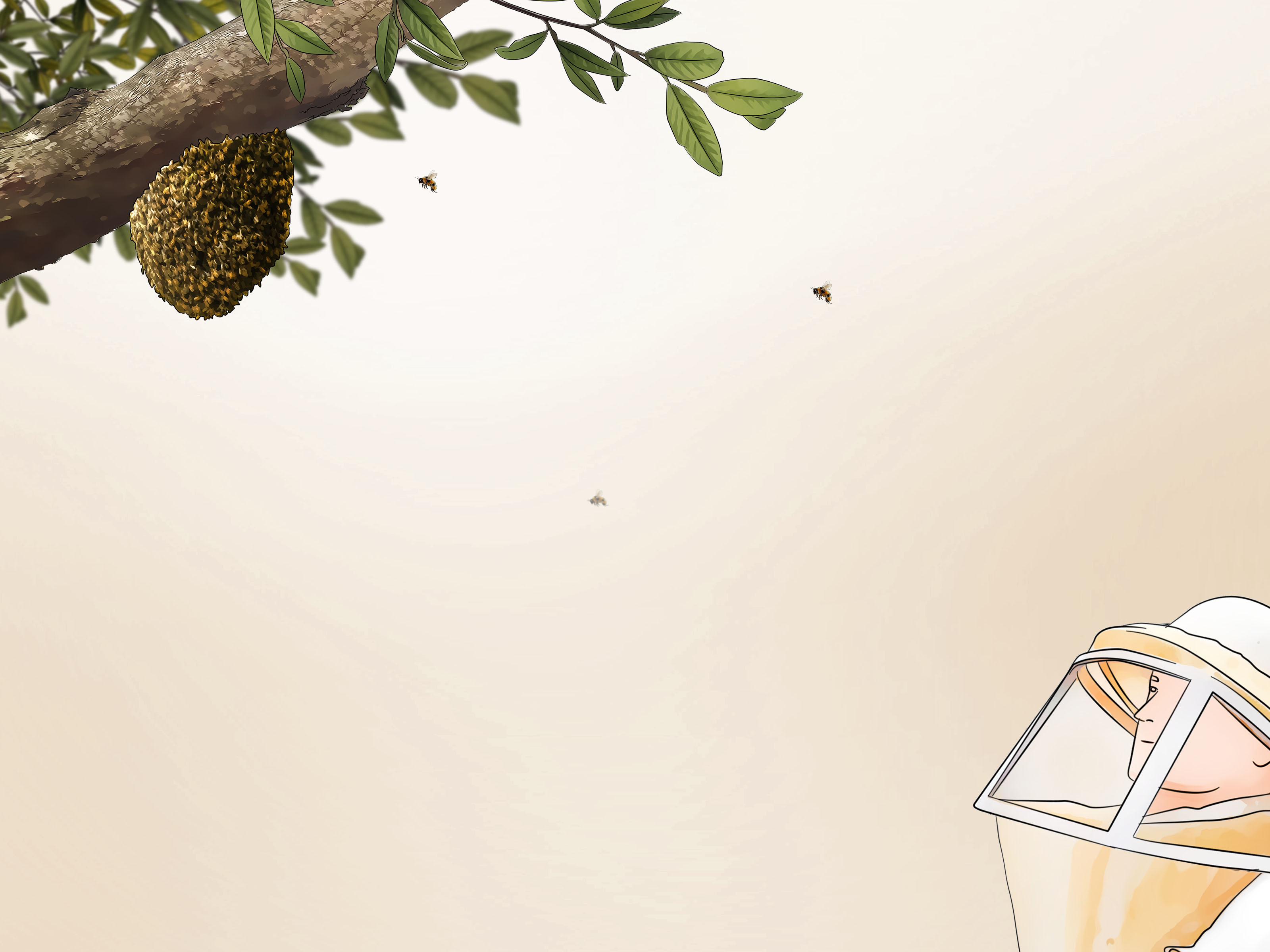
Following bees to their hive can feel like a tiny wilderness detective story: one minute you are watching a fuzzy insect shop for flowers, and the next you are squinting at a treeline like you harn where bees travel, what they forage on, and whether a nearby colony may need professional help.
The important word is carefully. Your goal is to observe bees, not become their surprise roommate, block their flight path, poke around their entrance, or audition for a role in a sting-related cautionary tale. This guide explains how to follow honey bees safely, recognize when you are probably watching another insect, and know when to stop.
Before You Begin: Know What You Are Looking For
A honey bee colony usually has a steady stream of workers traveling between food sources and a protected nest site. That nest may be in a managed hive, a hollow tree, a wall void, a shed, or another sheltered cavity. However, not every bee you see is part of a honey-producing colony. Bumble bees, carpenter bees, mason bees, sweat bees, and wasps all have different nesting habits.
Note: Do not attempt this if you have a bee-sting allergy, if bees are acting defensive, if children or pets are nearby, or if you suspect the insects are yellowjackets, hornets, or Africanized honey bees. A safe observation is more valuable than a dramatic ending.
How to Follow Bees to Their Hive in 11 Steps
1. Decide Why You Want to Find the Hive
Start with a reason. Are you curious about pollinators in your garden? Trying to determine whether bees are entering a tree or wall? Hoping to help a beekeeper relocate a swarm? Your purpose affects how far you should go.
If bees are nesting far from people, pets, doors, play areas, or livestock, the best outcome may simply be to leave them alone. Bees are busy enough without receiving an unsolicited property inspection. If the colony is inside a structure or near a high-traffic area, your observation can help you provide useful information to a local beekeeper or licensed wildlife professional.
2. Make Sure You Are Watching Honey Bees
Honey bees are usually golden-brown with darker bands, moderately fuzzy bodies, and a purposeful flight pattern. They tend to move from flowers or water sources in fairly direct lines once they have found what they need.
Do not assume every yellow-and-black flier is a honey bee. Yellowjackets often have smoother, shinier bodies and may hover around garbage, sweet drinks, meat, or fallen fruit. Bumble bees are rounder and fuzzier. Carpenter bees are often large, with shiny abdomens, and may hover near wooden structures. Solitary bees may enter small holes in soil, stems, or wood, but they are not leading you to a large hive full of honey.
3. Pick a Calm, Bright Observation Window
Choose a warm, dry day when flowers are open and bees are actively foraging. Midmorning through afternoon is often productive because workers may be moving between food sources and their colony. Avoid stormy weather, cold temperatures, dusk, or windy conditions, when bee activity can become sparse, erratic, or impossible to follow.
Wear closed-toe shoes and neutral-colored clothing. Strong fragrances, floral perfumes, heavily scented lotion, and dark fuzzy clothing are not ideal when you are trying to be ignored by insects. The fashion goal is “quiet park visitor,” not “giant suspicious flower.”
4. Find a Reliable Bee Traffic Source
The easiest places to begin are flowering plants, blooming trees, clover patches, vegetable gardens, water features, birdbaths, damp soil, or leaking outdoor faucets. Look for a location where several bees repeatedly arrive and leave rather than one where a single bee appears once and vanishes into another dimension.
Watch from several feet away. Let the bees work normally. Never swat, trap, spray, touch, feed, or mark them. Bees are better navigators than most humans, but they perform best when nobody is waving hands nearby like an overexcited airport marshal.
5. Choose One Bee and Watch Its Departure
Pick a single bee that has finished feeding and appears ready to leave. This is harder than it sounds. Bees are tiny, fast, and apparently allergic to standing still for portraits. Instead of trying to follow every movement, focus on the direction of departure.
Notice whether several bees leave in approximately the same direction. A repeated flight line is more valuable than the route of one individual. If workers repeatedly head west toward a wooded strip, fence line, old barn, or neighborhood trees, you have your first useful clue.
6. Use Landmarks to Record the Flight Line
Mentally draw a straight line from the flower patch through visible landmarks. For example: “The bees leave the lavender bed, pass the red mailbox, cross above the gravel drive, and disappear toward the tall oak.” This is much more useful than saying, “They went kind of that-a-way.”
Use safe, stationary landmarks such as trees, rooflines, fences, sidewalks, poles, hills, or field edges. Avoid standing in roads, walking onto private property, climbing fences, or wandering into brush where you cannot see your footing.
7. Move Ahead Slowly, Not Directly Behind the Bees
Walk toward the general direction of travel, but do not chase individual bees. You are trying to intersect the flight path, not become a tiny airborne pursuit unit. Move in short stages, then stop and watch again.
At each new point, look for workers flying both away from and back toward the suspected colony area. Outbound bees may travel with a purposeful, straight course. Returning bees may look more heavily loaded, especially when carrying pollen on their hind legs. A steady two-way pattern is a much better sign than one bee buzzing around a shrub.
8. Recheck at a New Feeding or Water Site
If the flight line disappears, find another nearby patch of flowers or a water source and repeat your observation. Honey bees may forage across a wide area, and the colony could be much farther away than it first appears. Do not assume the hive is behind the nearest tree simply because the bees flew in that direction.
Look for agreement between locations. If bees leaving both the rose bushes and the clover patch head toward the same wooded corner, you are building a stronger case. Think of it as triangulation, except your research assistants have wings and no interest in answering follow-up questions.
9. Confirm the Direction More Than Once
A useful rule is to verify the same direction at least two or three times. Bees may detour around trees, buildings, wind, people, or overly enthusiastic lawn sprinklers. A single observation can be misleading; repeated traffic is more convincing.
Take simple notes on your phone or a small notebook: time of day, weather, feeding location, direction of travel, and landmarks. If the bees are entering a building, these notes can make a beekeeper’s assessment much easier and may prevent unnecessary damage during removal.
10. Watch for a Safe Distance From the Suspected Nest Area
Once you believe you are close to the hive, stop advancing. Stay well back and watch for repeated activity around a single point: a hole in a tree, a gap under siding, a wall vent, a roofline, a chimney, a utility box, or a crack in an outbuilding.
Do not block the entrance, knock on the structure, shine a flashlight into a cavity, or reach into holes. Honey bees away from their nest are often focused on foraging. Bees near their colony may become defensive because they are protecting brood, food stores, and thousands of relatives who did not approve your visit.
11. Document, Step Away, and Call the Right Person
If you locate what appears to be a honey bee colony, take a photo or video from a respectful distance. Record the entrance location, height, direction of flight, and approximate activity level. Then leave the area calmly.
For a swarm hanging openly from a branch or structure, contact a local beekeeper, bee club, cooperative extension office, or licensed removal professional. For bees inside walls, chimneys, or roofs, seek someone experienced in live honey-bee removal rather than simply sealing the opening. Sealing bees inside a structure can create bigger problems later, including trapped insects, honey, wax, odors, and secondary pests.
What Not to Do When Following Bees
Good bee tracking is mostly about patience. Bad bee tracking is mostly about actions that sound reasonable for three seconds and then become a story people tell at your barbecue forever.
- Do not spray bees, smoke them, trap them, or bait them with sugary liquids.
- Do not follow bees into dense woods, unstable structures, traffic, rooftops, or private property.
- Do not try to remove a colony yourself.
- Do not seal an active entrance in a wall without professional guidance.
- Do not assume bees are harmless because they seem calm at flowers.
- Do not stand directly in front of a suspected hive entrance.
- Do not bring pets close to active bee traffic.
How Far Can Bees Travel From Their Hive?
Honey bees can travel surprisingly far when food or water is scarce, so a bee in your garden does not necessarily live in your garden. Workers may forage across a broad area and choose routes that make sense to them, not necessarily routes that make sense to a human with a map and an iced coffee.
This is why following bees works best as a process of gathering clues rather than expecting a quick straight-line path. A cluster of bees at one flower bed may be visiting from a managed apiary, a colony in a tree hollow, a neighboring property, or a hive much farther away. Repeated direction, not distance alone, is what matters.
Why Finding a Hive Can Be Helpful
Careful observation can help you decide whether a bee situation needs action. A colony hidden in a distant tree may be an interesting part of the local ecosystem. A colony entering a wall near a child’s bedroom window is a different situation. Identifying the flight path can help professionals locate the nest with less guesswork and less disruption.
Following bees can also make you a better gardener. You may notice which plants are attracting the most visitors, where bees find water, and how pollinators move through your landscape. That knowledge can inspire better plant choices, fewer unnecessary pesticide applications, and a garden that provides food from spring through fall.
Field Experiences: What Following Bees Really Feels Like
The first time many people try to follow bees, they expect something dramatic. They imagine a perfectly organized line of honey bees flying in formation toward a picturesque hollow tree, perhaps with a soundtrack playing softly in the background. Real life is less cinematic. One bee leaves a flower and vanishes behind a shrub. Another circles your head for reasons known only to bee management. A third lands on a dandelion and behaves as though it has nowhere else to be until Thursday.
That is normal. The skill comes from slowing down. Once you stop trying to chase individual bees, you start noticing patterns. You may see that every few minutes, a worker leaves a patch of salvia and heads over the same fence. You may notice that bees at the birdbath fly toward the same old maple tree. You may realize that the “hive” you thought was in the garage is actually a busy route passing over the garage toward a stand of trees behind the property.
One useful experience is learning the difference between curiosity and confidence. Curiosity says, “I wonder where those bees are going.” Confidence says, “I have watched three separate groups leave in the same direction, and I can safely explain the likely route to a professional.” The gap between those two thoughts is where the best observation happens.
Another lesson is that not every bee mystery needs a dramatic solution. Sometimes you follow a flight line for twenty minutes and discover that the bees are simply visiting a neighbor’s backyard hive. Sometimes you see workers entering a knot hole in a tall tree that is far from human activity. In those situations, the most responsible action may be no action at all. A wild colony that is not creating a safety issue does not need to be “fixed” merely because it exists.
People are often surprised by how calm honey bees can appear while collecting nectar or water. At flowers, workers are usually focused on their jobs. They do not wake up thinking, “Today I will inconvenience a stranger wearing flip-flops.” The mood can change near a nest entrance, however, which is why experienced observers learn to stop before they get too close. A bee trail is an invitation to observe, not permission to inspect the front door.
Tracking bees also teaches you to respect the landscape. A patch of weeds suddenly becomes a busy restaurant. A leaking faucet becomes a water station. A rough old tree with a dark opening becomes possible housing. You start seeing the yard less as a collection of objects and more as a network of resources. The bees are not randomly buzzing around; they are making efficient decisions about food, water, shelter, weather, and distance.
For gardeners, the experience can be especially rewarding. You might discover that your most popular plants are not the flashy flowers you bought on impulse, but the modest herbs, clover, native blooms, or late-season flowers that keep producing nectar when other options fade. Watching bee traffic may lead you to plant more diverse flowers, provide a shallow water source with landing spots, and reduce pesticide use around blooming plants.
There is also a quiet pleasure in realizing that you do not have to own a hive to appreciate bees. You can be a good observer, a considerate neighbor, and a helpful messenger when a colony needs professional attention. Sometimes the best bee story is not “I found a hive.” It is “I noticed what was happening, stayed calm, and helped the right person handle it.”
In the end, following bees is less about finding hidden honey and more about practicing patient observation. You learn to watch direction, timing, landmarks, and repeated behavior. You learn when to move closer and, more importantly, when to move away. The bees keep doing their work, you keep your distance, and everyone gets to have a much better day.
Conclusion
Learning how to follow bees to their hive is a simple outdoor skill that rewards patience, attention, and good judgment. Observe honey bees at a reliable food or water source, note repeated flight directions, use landmarks, and confirm the route from more than one location. Once you identify a likely nest area, stop at a safe distance and let a qualified beekeeper or removal professional handle any necessary next steps.
The goal is not to conquer the hive. It is to understand what the bees are telling you through their movement. Follow the traffic, respect the boundary, and remember that the smallest detectives in the garden are usually the ones wearing stripes.