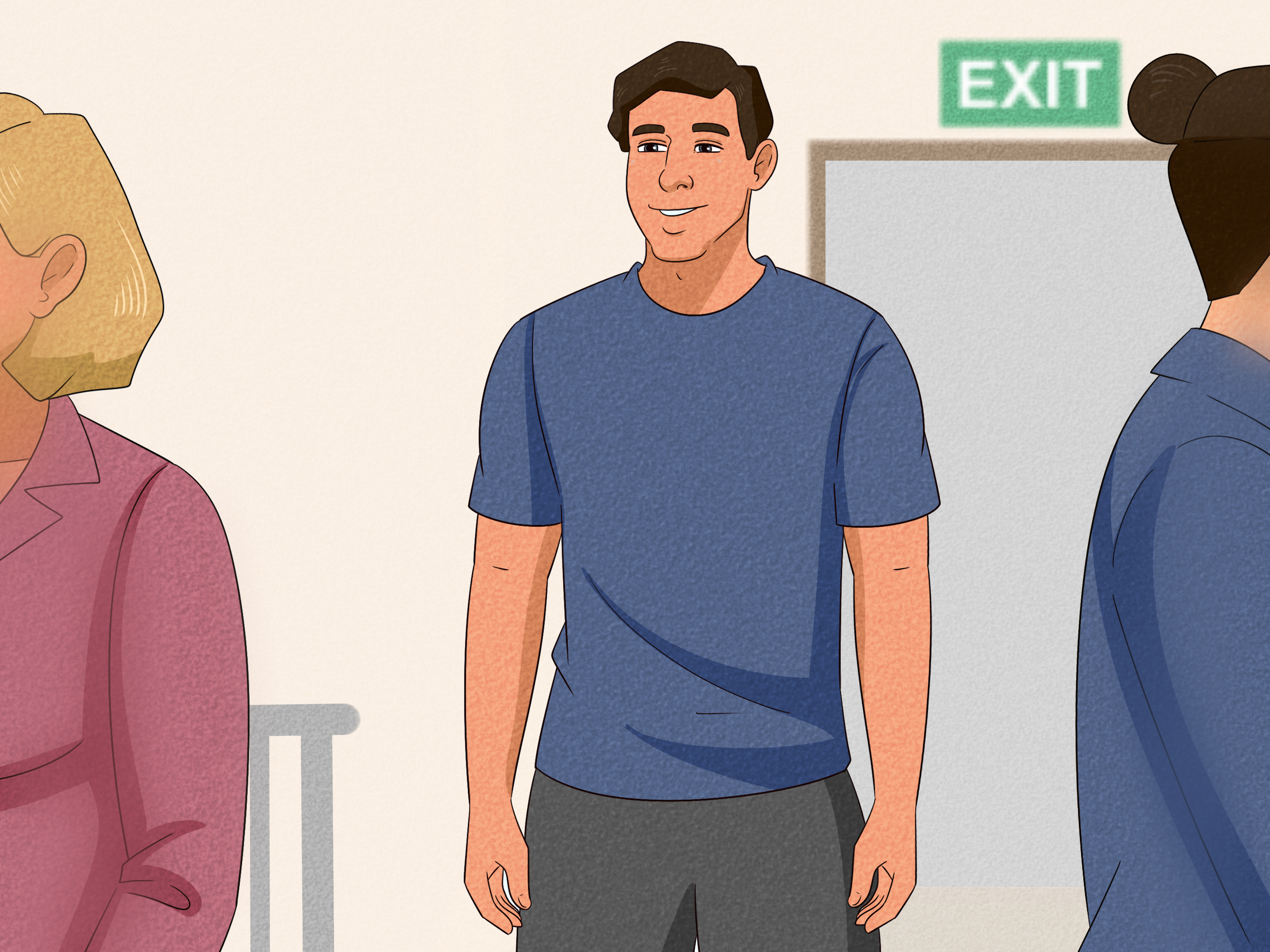
Situational awareness sounds like something whispered into an earpiece by a movie spy while dramatic music plays in the background. In real life, thankfully, it is much less theatrical and much more useful. It is the everyday skill of knowing what is happening around you, understanding what it means, and noticing what might happen next. In plain English: it is the difference between walking through a parking lot like a sleepy shopping cart and moving through the world with your brain politely switched on.
Learning how to increase your situational awareness does not mean becoming paranoid, suspicious, or convinced every backpack contains a villain’s master plan. Good awareness is calm, practical, and balanced. It helps you drive more safely, avoid accidents, respond faster during emergencies, protect your family, and make better decisions at work, while traveling, or even standing in line for coffee behind someone ordering a 19-step latte.
Experts in emergency preparedness, workplace safety, aviation, driving safety, psychology, and human factors all point toward the same basic idea: awareness is a trainable habit. You can improve it by observing better, reducing distractions, understanding patterns, planning ahead, and managing stress and fatigue. This guide breaks down expert-backed tips in a practical way so you can build sharper awareness without turning into the neighborhood surveillance drone.
What Is Situational Awareness?
Situational awareness is the ability to perceive your environment, understand what is happening, and anticipate what may happen next. Experts often describe it in three levels: seeing the important details, making sense of those details, and predicting possible outcomes. For example, noticing dark clouds is perception. Realizing a storm may affect your commute is comprehension. Deciding to leave early, bring an umbrella, or avoid a flood-prone road is projection.
This three-part process applies almost everywhere. A driver scans mirrors and traffic, understands that a car drifting between lanes may be distracted, and creates more space. A nurse notices a subtle change in a patient, understands it may signal a problem, and calls for help. A parent at a playground sees an open gate, realizes a toddler could wander out, and moves closer. None of these people are being dramatic. They are simply paying attention before life has to shout.
Why Situational Awareness Matters in Daily Life
Situational awareness is not just for pilots, police officers, firefighters, or emergency managers. It is a daily life skill. It helps you spot hazards before they become incidents, make better choices under pressure, and respond more calmly when conditions change. In safety-focused fields, awareness is treated as a foundation for good decision-making because people cannot manage risks they have not noticed.
In ordinary life, poor awareness often shows up in small but costly ways: tripping over a curb while texting, missing an exit because your mind is still in yesterday’s meeting, leaving valuables visible in a parked car, or walking into a crosswalk without making sure drivers have actually seen you. Better awareness does not guarantee perfect safety, but it gives you more time, more options, and fewer “how did that happen?” moments.
Expert Tip 1: Start With a Baseline
One of the simplest ways to improve situational awareness is to learn what “normal” looks like in a given place. This is called establishing a baseline. Every environment has a typical rhythm. A quiet neighborhood street, a busy airport, a workplace, a shopping mall, and a hiking trail all have different sounds, movement patterns, and expected behaviors.
When you know the baseline, unusual details stand out faster. A running engine in an empty parking lot may not matter outside a store at noon, but it may feel different in a deserted lot late at night. A coworker carrying tools in a maintenance area may be normal, while the same person entering a restricted office space could deserve a second look. The goal is not to judge people unfairly. The goal is to notice mismatches between place, time, behavior, and context.
How to Practice Baseline Awareness
When you enter a new environment, pause for a few seconds and quietly ask: What is normal here? Where are people moving? What sounds do I hear? What entrances and exits are visible? What would be unusual in this setting? This small mental check can make your awareness sharper without requiring you to stare at everyone like you are auditioning for a detective show.
Expert Tip 2: Use the “Heads Up, Phone Down” Rule
Distraction is the natural enemy of situational awareness. Phones, earbuds, notifications, and mental multitasking all compete for attention. Research on multitasking and cognitive load consistently shows that the human brain does not perform multiple demanding tasks as smoothly as we like to believe. In other words, your brain is not a high-end laptop with unlimited tabs. It is more like a browser that starts sweating after too many pop-ups.
When you are walking, driving, crossing streets, navigating parking lots, or entering unfamiliar areas, put your phone away or reduce your use of it. If you need directions, glance at the route before moving, then pause safely when you need to check again. If you use earbuds, keep the volume low or use only one earbud in public areas so you can still hear approaching vehicles, cyclists, announcements, or someone trying to get your attention.
Small Habit, Big Difference
Try this rule: before you leave a building, step out of a car, cross a street, or walk through a parking lot, look up first. Scan left, right, ahead, and behind. Then move. It takes two seconds and can prevent the classic modern hazard known as “walking confidently into trouble while reading a group chat.”
Expert Tip 3: Scan in Layers
Experts in driving, aviation, and emergency response often emphasize scanning. Good scanning is not random looking. It is organized observation. Instead of staring at one thing, scan in layers: near, middle, far; left, center, right; people, vehicles, exits, hazards. This keeps your attention moving and helps you avoid tunnel vision.
For example, when driving, do not only watch the bumper in front of you. Look several cars ahead, check mirrors, monitor lane changes, and notice pedestrians near intersections. When walking in a city, scan the sidewalk in front of you, the street beside you, storefronts and entrances, and people moving toward or behind you. When attending a large event, identify exits, staff locations, medical stations, and less crowded paths.
The 3-Zone Scan
A practical method is the 3-zone scan. First, check your immediate zone: what could affect you in the next few seconds? Second, check your approach zone: what is developing ahead? Third, check your escape or adjustment zone: where could you move if something changed? This method is useful while walking, driving, traveling, hiking, or supervising children in public spaces.
Expert Tip 4: Identify Exits and Safe Areas
Emergency preparedness experts often encourage people to know evacuation routes, shelter options, and communication plans before emergencies happen. The same principle applies to personal situational awareness. When you enter a building, restaurant, hotel, theater, office, or event space, take a moment to locate exits. Notice stairwells, main doors, side exits, and areas that appear staffed or well-lit.
This is not about expecting disaster. It is about reducing confusion if something unexpected occurs, such as a fire alarm, power outage, severe weather warning, medical emergency, or crowd surge. People often lose precious time because they try to leave the same way they entered, even when a better exit is nearby. Awareness gives you options.
Use the “Two Ways Out” Habit
Whenever possible, know at least two ways out of a place. At home, review escape routes with family members. At work, know the emergency exits and gathering points. In hotels, count the doors between your room and the nearest stairwell in case visibility is low. It may sound excessive until the lights go out, at which point it sounds beautifully practical.
Expert Tip 5: Trust Your Senses, Then Verify
Your senses gather clues constantly: a strange smell, a sudden silence, raised voices, a vehicle moving oddly, broken glass, smoke, or a person behaving aggressively. These cues may not always signal danger, but they deserve attention. The key is to notice, verify, and respond appropriately.
For example, if you smell gas, do not ignore it because dinner is almost ready. If a crowd suddenly changes direction, look for the reason instead of assuming everyone collectively remembered a sale. If a person’s behavior makes you uneasy, create distance, move toward a safer area, or seek help. Awareness is not panic. It is information gathering plus common sense.
Ask Three Fast Questions
When something feels off, ask: What am I noticing? What could it mean? What is my safest next move? This simple mental checklist slows down impulsive reactions and helps you choose a measured response.
Expert Tip 6: Reduce Predictability
Situational awareness also includes awareness of your own patterns. Predictable routines can make you less attentive because your brain goes into autopilot. You may take the same route, park in the same area, walk while looking down, or arrive home without remembering half the trip. Autopilot is efficient, but it can dull observation.
Consider varying routines when practical. Use different parking spots, change walking routes occasionally, and avoid posting real-time travel details publicly. When you repeat a route, challenge yourself to notice new details: construction, lighting changes, new signs, blocked paths, or unusual activity. This keeps your attention active without requiring a total lifestyle makeover.
Expert Tip 7: Manage Stress Before It Manages You
Stress affects awareness. Under pressure, people may experience tunnel vision, rush decisions, miss details, or focus on the loudest problem instead of the most important one. In emergencies, the body’s stress response can be helpful, but too much stress can narrow attention and reduce clear thinking.
One expert-backed strategy is controlled breathing. Slow breathing can help regulate arousal and give your brain a moment to catch up. Try inhaling for four seconds, exhaling for six, and repeating for several cycles. You can do this before a difficult conversation, during heavy traffic, after a near miss, or anytime your internal alarm system starts behaving like a smoke detector near burnt toast.
Use Tactical Pauses
A tactical pause is a brief moment to stop, scan, breathe, and reassess. Use it before making a decision under pressure. Ask: Has the situation changed? What am I missing? What is the safest option now? This habit is common in high-reliability fields because conditions can shift quickly, and yesterday’s plan may not fit today’s facts.
Expert Tip 8: Protect Sleep and Energy
Fatigue weakens attention, reaction time, judgment, and memory. You do not need a scientific paper to know this if you have ever tried to find your keys while holding them. But the science is clear: insufficient sleep and long periods of wakefulness can reduce alertness and increase mistakes.
To improve situational awareness, treat sleep as part of your safety system. Avoid driving when severely tired. Take breaks during long trips. Eat enough, hydrate, and recognize when your attention is fading. If you work long shifts, travel across time zones, or care for children at night, build recovery time whenever possible. A tired brain can still be brave and well-intentioned, but it is not always accurate.
Expert Tip 9: Practice “What If?” Thinking
Situational awareness improves when you practice projecting what might happen next. This does not mean imagining every worst-case scenario until your brain moves into a bunker. It means asking realistic “what if?” questions in everyday settings.
What if the car ahead brakes suddenly? What if the weather changes during this hike? What if my phone dies while traveling? What if my child gets separated from me in a crowded place? What if a coworker gets injured and I need to call for help? Thinking ahead helps you prepare calmly before you are forced to improvise with a racing heart and questionable Wi-Fi.
Turn Planning Into a Family Habit
Families can practice awareness by creating simple plans: where to meet during an emergency, who to call, how to communicate if cell service is overloaded, and what supplies to keep at home or in the car. Children can learn age-appropriate awareness too, such as knowing trusted adults, memorizing important contact information, and recognizing safe places.
Expert Tip 10: Improve Workplace Situational Awareness
In the workplace, situational awareness is closely tied to hazard recognition. Safety professionals encourage workers and employers to identify hazards proactively, assess risk, and control problems before injuries occur. This includes noticing spills, blocked exits, damaged equipment, poor lighting, overloaded shelves, fatigue, rushed work, and unclear procedures.
Whether you work in an office, warehouse, kitchen, construction site, clinic, school, or retail store, awareness improves when everyone communicates. Report hazards early. Ask questions when instructions are unclear. Avoid shortcuts that save thirty seconds but create thirty problems. If you see someone entering a risky area, speak up politely and specifically. “Watch out, the floor is wet near the door” is more helpful than a vague “be careful,” which is basically safety advice wearing slippers.
Use a Quick Job Safety Scan
Before starting a task, ask: What can hurt me or someone else? What has changed since the last time I did this? What tools, people, or conditions could affect the job? What control can reduce the risk? This mental scan is simple, but it turns awareness into action.
Expert Tip 11: Build Better Driving Awareness
Driving is one of the most important places to practice situational awareness because conditions change constantly. Safe driving requires scanning ahead, checking mirrors, maintaining space, watching pedestrians and cyclists, and anticipating mistakes by others. Defensive driving is not about assuming everyone is terrible; it is about accepting that humans sometimes make very human choices, such as merging like a confused goose.
Keep your eyes moving. Look far enough ahead to spot brake lights, traffic signals, road debris, and lane closures. Leave room around your vehicle. Avoid phone conversations and texting while driving. Watch for pedestrians near crosswalks, schools, parking lots, and intersections. At night or in bad weather, slow down and increase following distance. Awareness on the road is not a luxury. It is a responsibility.
Expert Tip 12: Use Communication to Create Shared Awareness
Situational awareness gets stronger when people share useful information. Emergency teams, aviation crews, healthcare workers, and safety professionals rely on shared awareness because no single person can see everything. The same idea works in everyday life.
If you are traveling with friends, tell each other where you are going and when you expect to return. At an event, agree on a meeting point. In a workplace, communicate hazards clearly. During family outings, identify who is watching small children at any given moment. Many problems happen during assumption gaps: everyone thinks someone else noticed, called, checked, locked, packed, or supervised. Shared awareness closes those gaps.
Common Situational Awareness Mistakes
Mistake 1: Confusing Awareness With Fear
Awareness is calm attention. Fear is an emotional response. You can be aware without being anxious. In fact, good awareness often reduces anxiety because you know your options.
Mistake 2: Staring Instead of Scanning
Fixating on one person, one screen, or one problem can cause you to miss important changes elsewhere. Keep your attention moving.
Mistake 3: Ignoring Gut Feelings
A gut feeling is not proof, but it can be a signal that your brain noticed a pattern before your conscious mind named it. Use it as a prompt to observe more carefully and choose a safe response.
Mistake 4: Overconfidence
Experience helps, but it can also create blind spots. Experts continue to use checklists, briefings, scans, and training because awareness is perishable. Nobody graduates from paying attention.
Simple Exercises to Increase Situational Awareness
The Exit Game
Every time you enter a public place, identify at least two exits. Do it quietly and quickly. Over time, it becomes automatic.
The Memory Snapshot
Look at a room for ten seconds, then look away and recall five details: exits, people, objects, hazards, or unusual features. This trains observation without making you look like you are studying for a spy exam.
The Sound Map
Sit quietly for one minute and identify sounds around you. Which are near? Which are far? Which are normal? This improves auditory awareness, especially useful when walking or commuting.
The Prediction Drill
While driving or walking, choose one moving object, such as a car, cyclist, or pedestrian, and predict what it may do next based on speed, direction, and context. Then see if you were right. This builds the projection level of awareness.
The Distraction Audit
For one day, notice when your awareness drops. Is it when you are tired, hungry, rushed, angry, texting, wearing headphones, or thinking about work? Once you know your weak spots, you can manage them.
Real-Life Experience: How Situational Awareness Shows Up in Ordinary Moments
Situational awareness often proves its value in moments that look ordinary from the outside. Consider a simple example: walking to your car after grocery shopping. Without awareness, you may be focused on your phone, balancing bags, and wondering whether buying three types of cheese counts as meal planning. With awareness, you pause at the exit, scan the lot, notice where your car is, check for moving vehicles, keep your keys accessible, and avoid walking between large vans where visibility is poor.
Nothing dramatic happens. That is the point. Good awareness often prevents stories from becoming interesting. It helps you avoid the reversing SUV, the slick patch near the cart return, or the awkward moment when you realize you walked confidently to a car that is absolutely not yours.
Another experience comes from travel. Airports, bus stations, and train terminals are busy environments full of movement, noise, announcements, luggage, lines, and tired people. A situationally aware traveler identifies exits, keeps valuables secured, watches bags during security or check-in, confirms gate changes, and pays attention to people moving unusually fast or against the flow. This is not fear-based behavior. It is just efficient awareness. It also reduces stress because you are less likely to be surprised by changes.
Parents and caregivers use situational awareness constantly. At a playground, the aware adult is not hovering like a nervous helicopter. Instead, they are watching patterns: older kids running near toddlers, swings moving behind a child, an open gate, a dog entering the area, or a climbing structure getting crowded. They anticipate small problems before they become tears, Band-Aids, and negotiations involving snacks.
At work, situational awareness might mean noticing that a normally organized coworker seems distracted while handling equipment. It might mean catching a blocked fire exit before an inspection, spotting a spill before someone slips, or realizing a meeting is getting tense and needs a calmer tone. Awareness is not only physical; it is social and emotional too. People give off cues through posture, voice, pace, and behavior. Reading those cues helps prevent misunderstandings and improves teamwork.
Driving offers perhaps the clearest daily example. An aware driver notices the pedestrian looking at their phone near the crosswalk, the delivery truck double-parked ahead, the car drifting slightly within its lane, and the brake lights several vehicles ahead. The unaware driver notices the problem when it is already honking. The difference is not superhuman reflexes. It is earlier information.
One practical lesson from these experiences is that awareness feels boring when it works. You leave early and avoid the storm. You take a brighter route and arrive safely. You slow down before the car ahead brakes hard. You move a cup away from the laptop before it spills. No applause, no movie soundtrack, no slow-motion scene. Just fewer preventable problems. That is a pretty good deal.
The best way to build this skill is to practice in low-stress moments. Do not wait for an emergency to start noticing exits, reading signs, scanning traffic, or managing distractions. Make awareness part of your routine, like brushing your teeth or pretending you will fold laundry immediately. The more you practice, the more natural it becomes.
Conclusion
Increasing your situational awareness is not about living in fear. It is about living with your attention tuned to the right channel. By learning baselines, reducing distractions, scanning in layers, identifying exits, managing stress and fatigue, planning ahead, and communicating clearly, you can make better decisions in everyday situations and emergencies alike.
The world is busy, unpredictable, and occasionally weird. You cannot control everything around you, but you can control how prepared, observant, and adaptable you are. Start small. Look up more often. Notice patterns. Put the phone away when movement matters. Ask what could happen next. With practice, situational awareness becomes less like a skill you force and more like a quiet, reliable habit that helps you move through life with confidence.
Note: This article is for general education and personal preparedness. It is not a substitute for professional safety, security, medical, legal, or emergency-response training.