Someone’s eyelids are dropping, their head is performing the classic “nod-and-jerk,” and every answer has been reduced to a sleepy “mm-hmm.” What should you do?
Learning how to keep someone from falling asleep can be useful during a late work shift, an important conversation, a study session, or the trip home from an event. However, sleepiness is not always a minor inconvenience. It may be the brain’s way of announcing, rather firmly, that it can no longer operate safely.
The goal is not to force an exhausted person to stay awake indefinitely. It is to improve alertness temporarily, remove immediate dangers, and determine whether the person needs sleep, medical care, or emergency assistance. Here are 12 practical steps that put safety ahead of heroic all-nighters.
First, Decide Whether the Sleepiness Is an Emergency
Before reaching for coffee or turning on every lamp in the building, check the person’s condition. Ordinary tiredness usually improves when the person is spoken to, moves around, or changes activities. Dangerous drowsiness looks different.
Call 911 immediately if the person cannot be awakened normally, has slow or irregular breathing, makes choking or unusual snoring sounds while unresponsive, has blue or gray lips, experiences a seizure, suddenly becomes confused, or became drowsy after a head injury. The same applies when poisoning or a drug overdose may be involved.
If an opioid overdose is suspected, administer naloxone when it is available and you know how to use it. Call emergency services even if the person wakes up after receiving naloxone, because its effects can wear off before the opioid does.
Sudden or unexplained sleepiness should never be treated as a coffee shortage until serious causes have been considered.
How to Keep Someone from Falling Asleep Safely
Step 1: Ask Why the Person Is So Sleepy
Start with a few simple questions: How much sleep did you get? Have you taken any medications? Did you drink alcohol? Do you feel dizzy, weak, sick, or confused?
The answer changes the plan. A college student who slept five hours may need a short nap. Someone who started a new allergy medicine may be experiencing a sedating side effect. A person who repeatedly falls asleep despite getting enough rest could have sleep apnea, narcolepsy, a circadian rhythm disorder, depression, or another medical problem.
Excessive daytime sleepiness can also be associated with alcohol, drug use, low thyroid function, certain medications, and previous head injuries. Loud snoring, pauses in breathing during sleep, morning headaches, and chronic daytime fatigue are common reasons to ask a healthcare provider about sleep apnea.
Step 2: Stop Driving or Other High-Risk Activities
If the sleepy person is driving, operating equipment, climbing, cooking over an open flame, or performing another safety-sensitive task, do not concentrate on keeping them awake long enough to finish. Stop the task.
A drowsy driver should pull over at a safe location or switch with a genuinely alert driver. Opening a window, turning up music, singing loudly, or pinching oneself may create activity, but none reliably restores safe driving ability.
Sleep deprivation can cause microsleepsbrief, uncontrollable episodes of sleep that a person may not notice. During a microsleep, the eyes may remain open while the brain stops processing information normally. That is a particularly poor time to be negotiating a curve at highway speed.
Step 3: Increase the Light
Move the person into a brightly lit area. Open curtains during the day, turn on overhead lights, or step outside for a few minutes when conditions are safe.
Light helps signal wakefulness to the brain and can improve alertness relatively quickly. It is especially useful during the early morning hours, after lunch, or during a night shift, when the body’s circadian rhythm may be encouraging sleep.
There is no need to stare directly into a lamp like a confused moth. Simply spending time in a brighter environment is enough.
Step 4: Get the Person Upright
A soft couch, reclined seat, warm blanket, and dim room are basically a formal invitation to sleep. Have the person sit upright in a supportive chair or stand when it is safe to do so.
Encourage good posture, with both feet on the floor and the shoulders relaxed rather than slumped. If the person must continue a low-risk activity briefly, changing positions every few minutes can help prevent passive drifting.
Do not force an unsteady, injured, dizzy, or medically vulnerable person to stand. In those situations, preventing a fall is more important than winning an argument with gravity.
Step 5: Add a Short Burst of Movement
Light physical activity can temporarily increase alertness. Suggest a brisk walk, gentle stretching, a few trips up and down a hallway, or simple movements such as shoulder rolls and calf raises.
Choose an activity appropriate for the person’s health and surroundings. The objective is to wake up the nervous system, not launch an unplanned midnight fitness competition.
Movement is particularly useful when boredom and inactivity are contributing to drowsiness. However, it will not erase serious sleep deprivation. If the person begins stumbling, losing coordination, or struggling to follow directions, stop and arrange rest or medical evaluation.
Step 6: Start an Engaging Conversation
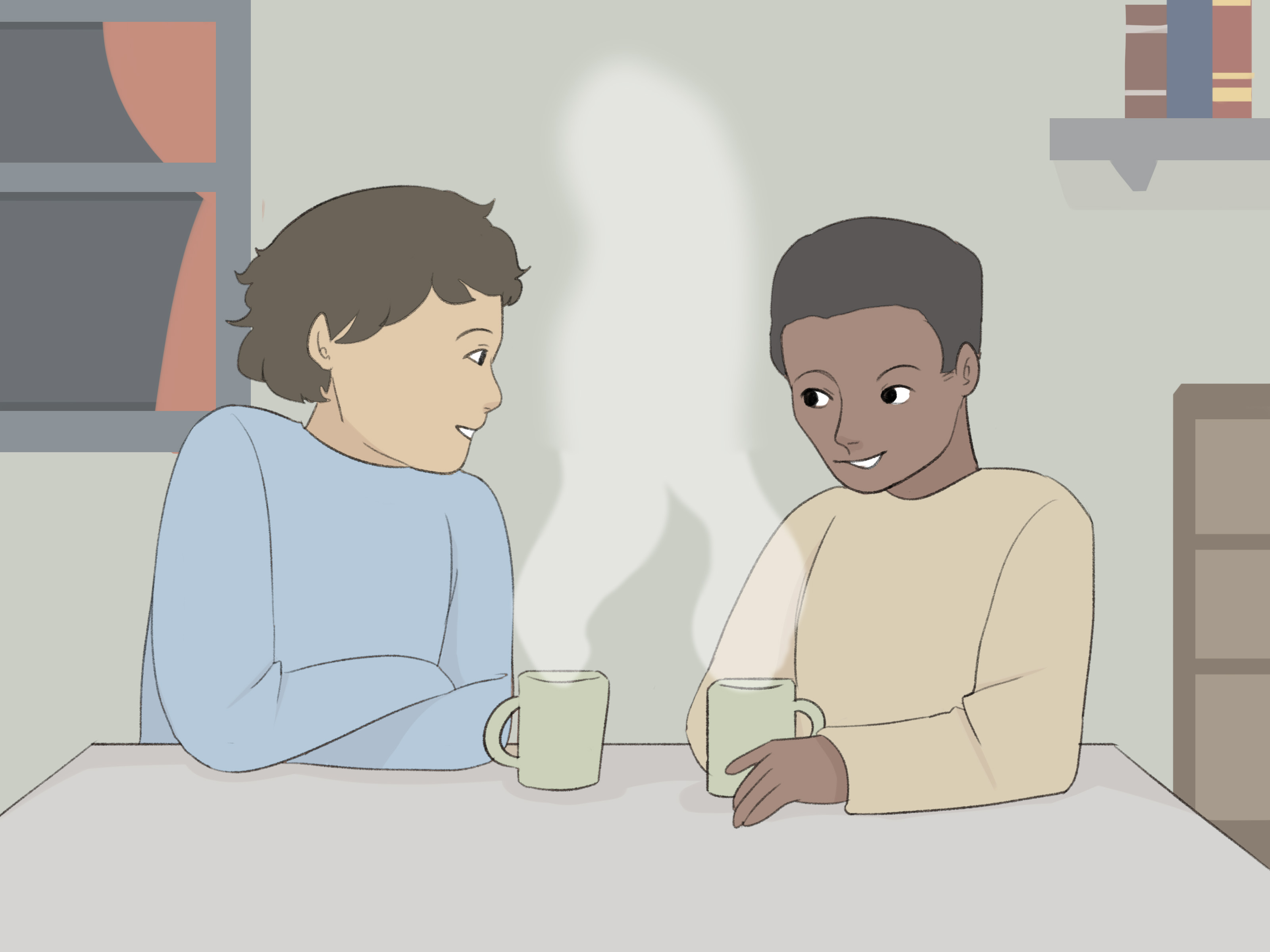
Passive listening makes it easy to drift off, so involve the person in a conversation that requires real responses. Ask open-ended questions, request an opinion, tell a funny story, or discuss a subject they care about.
Questions such as “What was the most ridiculous part of your day?” work better than “Are you awake?” The second question will usually receive “yes,” including from someone whose brain has already packed a suitcase and left town.
Watch the quality of the answers. Repeated questions, delayed responses, confused speech, memory gaps, and an inability to follow the conversation can indicate significant impairment rather than ordinary boredom.
Step 7: Give the Brain an Active Task
Switch from passive activities to something interactive. The person might organize materials, take notes, solve a simple problem, play a word game, read a paragraph aloud, or explain a concept back to you.
Rotate tasks periodically because monotony encourages drowsiness. During a study session, for example, alternate reading with practice questions and verbal summaries. During a late shift, switch between safe tasks when workplace procedures allow it.
Avoid assigning important decisions to an exhausted person. Sleep loss can reduce attention, slow reactions, and impair judgment even when the individual technically remains awake. Staying conscious and functioning well are not the same achievement.
Step 8: Adjust the Temperature and Airflow
A warm, stuffy room can make an already sleepy person feel even more comfortable. Lower the room temperature slightly, use a fan, or move to an area with better ventilation.
A brief splash of cool water on the face may feel refreshing, but it should be viewed as a temporary sensory boostnot a cure for sleep deprivation. Extreme cold, ice baths, or dumping water on someone are unnecessary and potentially dangerous.
Comfort still matters. Shivering is distracting, not productive, and making someone miserable is not a medically recognized alertness strategy.
Step 9: Offer Water and a Light Snack
Give the person water, especially if they have been working, exercising, traveling, or consuming caffeine. Mild dehydration and missed meals can contribute to feelings of fatigue.
Choose a modest snack containing protein, fiber, or slower-digesting carbohydrates. Examples include yogurt with fruit, apple slices with peanut butter, whole-grain crackers with cheese, nuts, or hummus with vegetables.
Avoid a giant, heavy meal when the person needs to remain alert for a short period. Large portions and rapidly digested sugary foods may be followed by sluggishness. NIOSH guidance for shift workers recommends protein, non-starchy vegetables, and lower-glycemic carbohydrates to help avoid a drop in alertness.
Step 10: Use Caffeine Carefully
Coffee or tea can temporarily improve alertness, but timing and dose matter. Caffeine usually needs some time to take effect, so drinking more every five minutes because “nothing is happening” can lead to a shaky, anxious surprise later.
For most healthy adults, the FDA says up to 400 milligrams of caffeine per day is not generally associated with negative effects. Individual sensitivity varies considerably, however. Pregnant people, children, teenagers, people with certain heart conditions, and those taking interacting medications may need lower limits or professional guidance.
Avoid stacking coffee, energy drinks, caffeine pills, and pre-workout products. Never use pure or highly concentrated caffeine powder; small measuring errors can cause severe poisoning, seizures, dangerous heart rhythms, or death.
Caffeine is a temporary alertness tool. It is not bottled sleep and cannot repay sleep debt.
Step 11: Take a Strategic Short Nap
This may sound like cheating in an article about preventing sleep, but sometimes the best way to keep someone safely awake afterward is to let them sleep briefly now.
A nap of approximately 15 to 20 minutes can improve short-term alertness while reducing the likelihood of waking from deeper sleep feeling groggy. Set an alarm and allow a few minutes after waking before returning to demanding tasks.
For a drowsy driver, NHTSA recommends pulling over in a safe place. One short-term strategy is to consume one or two cups of coffee and then take a roughly 20-minute nap, allowing the caffeine to begin working while the person rests. This does not make it safe to continue indefinitely; it is an emergency countermeasure until proper sleep is possible.
Step 12: Create a Safe Recovery Plan
Once the immediate situation is under control, address the reason the person is falling asleep. Arrange transportation, postpone nonessential work, redistribute tasks, or help the person find a safe place to rest.
Most adults between ages 18 and 60 should regularly receive at least seven hours of sleep, although individual needs vary. Healthy sleep also depends on quality, consistency, timing, and the absence of untreated sleep disorders.
Encourage medical evaluation when excessive daytime sleepiness happens frequently, occurs despite adequate nighttime sleep, causes near misses, or interferes with work, school, driving, or relationships. Repeated sleep attacks, loud snoring with breathing pauses, waking while gasping, or persistent morning headaches deserve particular attention.
Conditions such as narcolepsy and sleep apnea require proper diagnosis and treatment. More coffee is not a diagnostic test, even when served in an impressively large mug.
Methods That Do Not Reliably Prevent Sleep
Several familiar tricks can create a momentary sensation of wakefulness without restoring judgment or reaction time. Loud music, open windows, chewing gum, singing, cold air, and conversation may help briefly, but they should never be used to justify continued driving or hazardous work.
Other methods should be avoided entirely:
- Do not slap, shake violently, frighten, or humiliate the person.
- Do not give them someone else’s prescription stimulant.
- Do not encourage dangerous quantities of caffeine or energy drinks.
- Do not mix stimulants with alcohol or sedating drugs.
- Do not assume unusual snoring is harmless when the person cannot be awakened.
- Do not force a sick, injured, or impaired person to walk around.
Fatigue is the body’s signal that rest is needed. Alertness techniques can buy a little time, but they do not turn an exhausted brain into a rested one.
Real-World Experiences: What Keeping Someone Awake Actually Looks Like
The following composite situations illustrate a common lesson: the most effective response depends less on finding the strongest trick and more on understanding why the person is sleepy.
Experience 1: The Late-Night Study Session
Two students are preparing for an exam. At 11:30 p.m., one begins rereading the same paragraph while claiming to be “totally focused.” Their notes contain half a sentence, a doodle of a sandwich, and something that may be a mathematical formula or a cry for help.
The first response is often more caffeine. A better approach is to change the activity. They turn on brighter lights, stand up, drink water, and spend five minutes reviewing questions aloud. The sleepy student becomes more responsive, but after 20 minutes begins forgetting answers they explained correctly earlier.
That is the signal to stop. A short review followed by adequate sleep is more productive than three additional hours of low-quality studying. The experience teaches an important distinction: keeping the eyes open does not guarantee that the brain is storing information.
Experience 2: The Drowsy Passenger Who Is Supposed to Drive Next
During a long road trip, the current driver asks the passenger to take over. Unfortunately, the passenger has been asleep for most of the previous hour and wakes feeling heavily groggy.
Switching immediately may not be wise. The group stops at a well-lit rest area instead. The passenger walks for a few minutes, uses the restroom, drinks water, and has a small coffee. Everyone waits until the passenger is fully oriented and clearly alert before deciding whether driving is appropriate.
Later, the new driver starts yawning repeatedly and misses an exit. Nobody debates whether fresh air or louder music will solve the problem. They stop again and arrange a proper rest period. The experience reinforces a lifesaving rule: a travel schedule is never more important than an alert driver.
Experience 3: The Coworker Who Is Sleepy Every Afternoon
A coworker regularly struggles to stay awake during afternoon meetings. At first, the team treats it as a running joke. They offer coffee, move meetings to a brighter room, and encourage short walking breaks.
Those changes help slightly, but the problem continues even after the coworker reports getting seven to eight hours in bed. They also mention loud snoring, waking with a dry mouth, and feeling unrefreshed every morning.
Instead of continuing to treat the issue as a motivation problem, the coworker speaks with a healthcare professional and is evaluated for a sleep disorder. The important experience here is not that every sleepy person has sleep apnea. It is that persistent sleepiness deserves curiosity rather than criticism.
Experience 4: When “Just Tired” Is Not the Right Explanation
At a gathering, a person becomes unusually difficult to wake and begins breathing slowly. A friend initially assumes they simply drank too much and suggests letting them “sleep it off.” Another person recognizes that abnormal breathing and unresponsiveness can indicate an overdose.
Emergency services are called, naloxone is administered, and the person begins responding before paramedics arrive. Nobody cancels the call simply because the person wakes up.
This scenario illustrates the most important lesson in the entire article: keeping someone awake is sometimes a comfort measure, but recognizing a medical emergency can save a life. When sleepiness is sudden, extreme, or accompanied by abnormal breathing, confusion, injury, or suspected drug exposure, skip the clever tricks and get professional help.
Conclusion
To keep someone from falling asleep temporarily, begin by checking their condition and removing immediate hazards. Bright light, upright posture, movement, conversation, water, a light snack, and carefully timed caffeine may provide short-lived improvements in alertness. A strategic nap is often more effective than repeatedly fighting the body’s need for sleep.
The safest response is also the least glamorous: stop driving, postpone risky work, arrange rest, and investigate recurring daytime sleepiness. Sleep is not a bad habit that can be defeated through enthusiasm. It is a biological requirement, and eventually it collects what it is owedoften with interest.
Note: This article provides general educational information and is not a substitute for medical diagnosis, emergency care, or advice from a qualified healthcare professional.