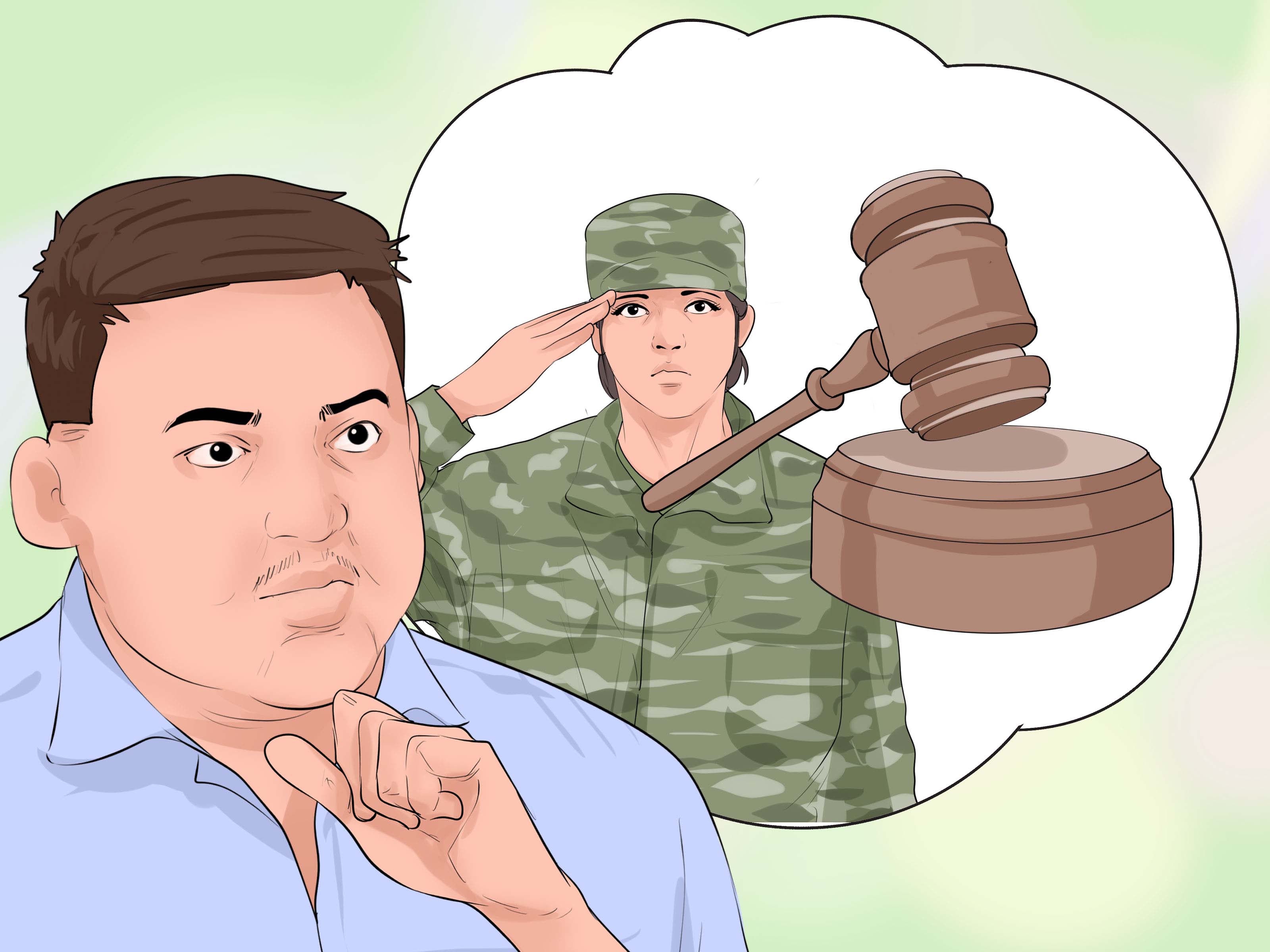
Military uniforms are not ordinary clothes. A camouflage jacket may look like a thrift-store find, but a complete uniform with rank, awards, name tapes, and branch insignia can carry legal, professional, and cultural weight. In the United States, military uniform laws are not one tidy rule printed on the back of a clothing tag. They are a layered mix of federal statutes, service regulations, military policies, and context-specific restrictions.
That means the answer to “Can I wear this military uniform?” is rarely as simple as yes or no. It depends on who you are, what you are wearing, where you are wearing it, why you are wearing it, and whether the outfit could cause someone to believe you are an actual service member. In other words, the law is less like a fashion quiz and more like a five-part scavenger huntwithout the fun prize at the end.
This guide explains how to understand U.S. military uniform laws, how to research the rules for your situation, and how to avoid the common mistakes that turn a harmless costume, ceremony outfit, or surplus purchase into a serious problem.
Start With the Difference Between Law and Regulation
The first step is understanding that military uniform laws and military uniform regulations are related but not identical.
Federal law sets the outer boundaries
Federal statutes establish broad rules about unauthorized wear of U.S. military uniforms, distinctive uniform parts, insignia, awards, and medals. The most important starting point is Title 10 of the U.S. Code, especially Sections 771 through 773. These provisions address unauthorized wear, situations in which non-active-duty people may wear uniforms, and the requirement for distinctive insignia on certain cadet or military-society uniforms. Federal criminal law also includes 18 U.S.C. Section 702, which addresses unauthorized wearing of military uniforms or distinctive parts of them.
These laws matter because they protect the meaning of the uniform. A uniform is not just fabric and buttons. It signals authority, service, duty, training, and sometimes access to places or information that civilians do not have. That is why a person who wears a realistic uniform to trick others, gain trust, access a restricted location, obtain money, or receive special treatment may face much more serious consequences than someone wearing an olive-drab jacket to a backyard barbecue.
Service regulations control the details
Every branch has its own detailed rules. The Army uses Army Regulation 670-1 and related guidance. The Air Force and Space Force use dress-and-appearance instructions. The Navy, Marine Corps, and Coast Guard publish their own uniform regulations and updates. These rules cover everything from when an authorized person may wear a uniform to how medals, badges, rank, footwear, grooming, and patches must appear. They are not merely style suggestions. For current service members, violating them can lead to administrative or disciplinary consequences.
Think of federal law as the fence around the field and service regulations as the playbook inside the field. The fence tells you where you cannot go. The playbook tells authorized members exactly how to move once they are inside.
The Five Questions That Help You Determine Whether Uniform Wear Is Allowed
Before you wear, buy, borrow, alter, photograph, or post a military uniform online, ask these five questions.
1. What is your status?
Your legal status is the first and most important factor. Are you an active-duty service member, Reservist, National Guard member, retiree, former service member, cadet, JROTC student, actor, contractor, military-school participant, or civilian with no military affiliation?
Authorized members of the Armed Forces generally have the broadest permission to wear their assigned uniform, but they must follow their branch’s rules. Retired personnel and former service members may have limited authorization for certain ceremonies, parades, funerals, memorial services, weddings, patriotic events, or military-related functions. Civilians usually have the narrowest authority and should be especially cautious with authentic uniforms, rank insignia, medals, and identifying patches.
2. What exactly are you wearing?
A military-style jacket is not always the same thing as an actual military uniform. A plain camouflage coat from a surplus store may be very different from a complete service uniform with official rank, branch tapes, unit patches, ribbons, badges, name tags, and an official-looking identification card.
The more authentic and complete the outfit becomes, the more carefully you should evaluate it. Wearing a military-colored coat may simply be a fashion choice. Wearing a full dress uniform with medals you did not earn is an entirely different situation. The law can also apply to distinctive components, not only a complete uniform. That means a person should not assume that removing one sleeve or swapping one button magically transforms an official uniform into a harmless costume.
3. Why are you wearing it?
Purpose matters. Wearing a uniform at a retirement ceremony is different from wearing one to obtain a discount, impress a romantic date, enter a military installation, collect donations, promote a product, or influence a business deal. Intent is especially important when a person uses military identity to obtain money, property, employment advantages, housing, access, or other tangible benefits.
The safest rule is simple: never use a military uniform, medal, rank, or service claim to make people believe you are currently serving or that you earned honors you did not earn. A military uniform should not become a shortcut to trust. That shortcut can end at a dead end, and the dead end may have paperwork.
4. Where will you wear it?
Location can change the analysis. A stage production, movie set, military funeral, veteran event, classroom, parade, political rally, airport, social media video, or commercial advertisement can involve very different rules. For active-duty members, rules may also change depending on whether they are on duty, traveling, overseas, attending a public event, or participating in a political activity.
For example, service members are generally subject to restrictions involving political activity while in uniform. The Department of Defense has a separate directive governing political activities by members of the Armed Forces, so an active-duty member should never assume that a uniform is appropriate for campaign events, endorsements, fundraising, or partisan messaging.
5. Could the public reasonably mistake you for a real service member?
This question is not always written in giant letters inside a regulation, but it is a useful practical test. If a stranger sees you and reasonably assumes you are an active-duty soldier, sailor, Marine, Airman, Guardian, Coast Guardsman, or authorized military representative, you should slow down and reconsider.
That is especially important when the outfit includes rank insignia, branch patches, ribbons, medals, official name tapes, military police markings, security credentials, or unit identifiers. The issue is not merely whether someone finds the outfit offensive. The larger concern is whether it creates deception, impersonation, confusion, or false authority.
How the Rules Apply to Active-Duty Members, Veterans, Retirees, and Civilians
Active-duty service members
Active-duty personnel must follow current branch regulations, command guidance, and any local installation rules. The uniform must be correct, clean, properly maintained, and worn with authorized items in authorized combinations. The Air Force, for example, places responsibility on members to know approved uniform combinations and correct placement of ribbons, insignia, badges, and other uniform items.
For service members, the question is not simply, “Is this legal?” It is also, “Is this authorized by my branch, command, and duty status?” A uniform can be legal to own but unauthorized to wear at a certain event. It can be authorized for duty but prohibited for political activity. It can be correct at a ceremony but wrong for a casual social event. Military rules are very good at turning a simple shirt into a doctoral dissertation.
Retirees and former service members
Retirement or separation does not create unlimited permission to wear a uniform whenever the mood strikes. Federal law recognizes certain categories of non-active-duty wearers, including retired officers, honorably discharged people traveling home after discharge, certain wartime veterans, actors, students in authorized military instruction, and members of designated organizations.
However, branch-level rules narrow the practical details. The Army, for example, authorizes retired personnel to wear uniforms at military funerals, memorial services, weddings, inaugurals, and certain patriotic parades or ceremonies. It also limits the types of uniforms that may be worn at many of those events and prohibits wearing the uniform for other purposes not listed in the regulation.
The key lesson is that a veteran should consult the regulations of the branch in which they served. Do not rely on a friend’s story, an old Facebook post, or the universal legal authority known as “some guy at the VFW told me.” Uniform regulations change, and different branches may use different language and limits.
Civilians, actors, and costume wearers
Civilians should be careful when using real military uniforms for Halloween, cosplay, theater, advertising, reenactments, or online content. Federal law contains an exception for actors portraying military members in theatrical or motion-picture productions. The statutory wording includes a condition about portrayals that do not discredit the Armed Forces, but the U.S. Supreme Court held that the government could not use that clause to punish theatrical criticism of the military. The Court also recognized that theatrical productions are not limited to professional indoor performances.
That does not mean every costume is automatically risk-free. A public performance, a satirical video, a movie scene, and a person walking into a store while pretending to be a real military officer are not the same thing. When in doubt, use obvious costume modifications, avoid real rank and unit identifiers, skip authentic name tapes, and make sure the audience can tell you are portraying a character rather than claiming actual service.
Cadet, JROTC, and Military-Society Uniforms
Cadet corps, JROTC programs, military schools, and certain military societies may use uniforms that resemble U.S. military attire. Federal law allows some of these uniforms when they include distinctive insignia that separate them from official Armed Forces uniforms. The point is not to make students or veterans look silly. The point is to prevent confusion about who is actually serving in a federal military branch.
For Navy and Marine Corps-related cadet or society uniforms, federal regulations describe distinctive marks designed to identify the wearer as part of a cadet corps or military society rather than an active member of the Navy or Marine Corps.
This distinction is important for schools, reenactment groups, drill teams, and private organizations. A uniform can look inspired by military tradition while still being legally distinct. The safest approach is to use the organization’s officially approved uniform, approved patches, and approved insignia rather than assembling a homemade version from surplus-store parts.
Medals, Awards, and the Stolen Valor Issue
Military medals carry special legal and ethical significance. The federal Stolen Valor law focuses on fraudulent claims about receiving certain medals or decorations when a person intends to obtain money, property, or another tangible benefit. In plain English, falsely claiming an award to get something valuable can create criminal exposure.
It is important to separate bad behavior from criminal conduct. Wearing an unearned ribbon, claiming false service, or exaggerating military experience may be dishonest and deeply offensive, but the exact legal outcome depends on the facts, the applicable statute, intent, and whether the person sought a tangible benefit. Do not assume that every rude lie is prosecuted the same way. Also, do not assume that a lie becomes harmless just because it happens online.
For veterans and retirees who want to honor their service, medals may often be worn on appropriate civilian attire in situations authorized by their branch regulations. The Army, for instance, permits certain retired personnel and qualifying former members to wear medals on suitable civilian clothing for veteran and patriotic observances, formal ceremonies, and military-related social functions.
A Practical Research Method for Military Uniform Laws
When you need a reliable answer, use this research order:
- Identify the branch. Army, Navy, Marine Corps, Air Force, Space Force, and Coast Guard rules are not interchangeable.
- Identify your status. Active-duty member, Reservist, retiree, former service member, cadet, actor, contractor, or civilian.
- Read the federal baseline. Start with Title 10, especially Sections 771 through 773, plus 18 U.S.C. Sections 702 and 704 when impersonation or medals are involved.
- Check the current branch regulation. Use official military publications, not a random blog post from 2014 with a bald eagle header.
- Look for command supplements. A base, unit, school, or command may have additional rules.
- Consider the setting. Ceremony, political event, stage performance, commercial promotion, public protest, private party, or social media video.
- Get legal advice for high-risk situations. Consult a qualified attorney or military legal-assistance office when the issue involves possible impersonation, commercial use, employment, access to military facilities, or potential criminal exposure.
Common Mistakes to Avoid
The biggest mistake is assuming ownership equals permission. Buying an authentic military uniform at a surplus store, estate sale, auction, or online marketplace does not automatically authorize you to wear it in every setting. Ownership and authorized wear are two different questions.
Another mistake is mixing real and fake elements. Someone may think, “I only added a rank patch for realism.” Unfortunately, realism is often exactly what creates the problem. Rank, ribbons, branch tapes, unit insignia, medals, military police markings, and official-looking credentials can make an outfit appear to represent real authority.
People also underestimate social media. A video may be filmed in a bedroom, but it can reach millions of people and be viewed outside the context of a costume party or parody. If your content includes military attire, make the context clear. Avoid presenting yourself as currently serving unless that statement is true. Avoid soliciting donations, discounts, or business opportunities based on false military claims. And do not use a uniform as a shortcut to internet credibility. The algorithm may love drama, but the law is rarely entertained.
Practical Experiences and Lessons From Real-World Situations
People often learn about military uniform laws only after a confusing or uncomfortable moment. A veteran may be invited to a Memorial Day event and wonder whether a dress uniform is appropriate. A theater director may need realistic costumes for a historical production. A college student may buy a camouflage jacket and later notice that it still has authentic name tapes and patches attached. A family member may inherit a uniform and want to wear it at a reunion in honor of a loved one.
In each situation, the safest response is not panic. It is careful context. A veteran attending a military funeral or patriotic ceremony may have permission under their branch’s regulations, but should confirm the exact uniform and insignia rules. A theater group can create a convincing portrayal while taking steps to ensure performers are visibly acting rather than falsely presenting themselves as actual military personnel. A student wearing surplus clothing can remove name tapes, rank insignia, unit patches, and official badges before treating the item as casual fashion.
One common experience involves inherited uniforms. Families often keep a parent’s, grandparent’s, or spouse’s military items as treasured reminders of service. Displaying them in a shadow box, using them in a memorial display, or preserving them as family history is very different from wearing them in public as if the uniform belongs to the current wearer. The respectful choice is usually to preserve the story, label the service member’s name and branch, and avoid creating the impression that someone else earned the uniform or decorations.
Another frequent situation involves costumes. People may wear military-inspired outfits for Halloween, film projects, historical reenactments, or online skits. The practical lesson is that authenticity should never outrun clarity. An actor can portray a military role, but a person should avoid using real medals, official rank, genuine-looking service identification, or a complete uniform in a way that causes strangers to believe the role is real. Small changes can help: fictional name tapes, invented unit identifiers, altered patches, visible production context, and clear disclaimers in video captions.
Veterans also commonly face questions about medals on civilian clothing. A formal event, Veterans Day ceremony, memorial service, or military association dinner may be an appropriate setting under applicable regulations. A nightclub, promotional shoot, sales pitch, or unrelated commercial event is a very different environment. The most useful rule is to treat medals as earned recognition, not costume accessories. When medals are worn, they should be accurate, properly arranged, and tied to an appropriate occasion.
These examples show why military uniform laws require judgment as well as rule-reading. The goal is not to stop people from honoring military service, creating art, studying history, or participating in patriotic events. The goal is to prevent deception, protect the meaning of service, and make sure the public can recognize the difference between a real member of the Armed Forces and a person wearing military-looking clothing. When you are unsure, choose the option that is less likely to confuse, mislead, or claim honor that belongs to someone else.
Conclusion
Knowing military uniform laws starts with recognizing that there is no single rule for every person and every uniform. Federal law provides the foundation, but branch regulations, duty status, event type, insignia, purpose, and public perception all matter.
For active-duty personnel, the current service regulation is essential. For retirees and veterans, the branch-specific rules determine when and how uniforms or medals may be worn. For civilians, actors, students, and costume users, the safest path is to avoid realistic impersonation, remove authentic identifying insignia when unnecessary, and make the fictional or commemorative context obvious.
A military uniform represents more than a color palette and a set of patches. Treat it with accuracy, respect, and common sense. That approach will keep you on the right side of both the rules and the people who earned the right to wear it.
Note: This article provides general educational information about U.S. military uniform laws and regulations. It is not legal advice. Laws, service directives, and local rules can change, so verify the current official guidance for your branch and situation before wearing a military uniform or insignia.