If your garden feels a little too quiet, frogs might be the neighbors you did not know you needed. They are charming in a bug-eating, moonlight-singing, “I work nights and charge no fee” kind of way. A frog-friendly garden can help support local wildlife, reduce pest pressure, and make your yard feel more alive. But building a proper frog home is not about dropping a plastic toadstool in a flower bed and hoping for the best. Frogs need water, shade, safe hiding spots, food, and a landscape that does not try to poison them on sight.
The good news is that making a frog home in a garden does not require a giant pond, a landscaping crew, or a mystical swamp wizard. In many cases, a small wildlife pond, layered plants, leaf litter, and a few logs can turn a bland backyard into a little amphibian haven. The trick is to think like a frog: stay cool, stay damp, stay hidden, and never trust a yard that smells like fresh herbicide.
This guide walks you through 12 practical steps to create a frog home that looks good, works hard, and fits into a real American garden. Whether you have a suburban yard, a cottage plot, or a small side garden with ambitions, these steps can help you build habitat that frogs may actually use.
Why Frogs Need More Than a Puddle
Before jumping into the steps, it helps to understand what frogs are looking for. Most species need both land and water during their life cycle. Adults often rest in cool, sheltered places by day and become active at dusk or after rain. Many species breed in shallow water, while tadpoles need aquatic habitat long enough to grow and transform. Frogs also have delicate, permeable skin, which means the same chemicals that annoy weeds can seriously harm amphibians.
In plain English: a frog-friendly garden should be moist but not messy, wild but not abandoned, and natural enough that insects, shade, and water all work together. Think less “golf course,” more “mini nature preserve with decent edging.”
How to Make a Frog Home in a Garden: 12 Steps
Step 1: Choose the Right Location
Start with a part of the garden that gets some sun but is not blasted all day like a cast-iron skillet. Frogs need warmth, but they also need cool, damp refuge. A spot with morning sun and afternoon shade usually works well, especially in hotter regions. If you are adding water, avoid steep slopes, heavily compacted soil, and places that collect polluted runoff from driveways or treated lawns.
Try to place the frog zone where it can stay relatively calm. Constant foot traffic, barking dogs, and a leaf blower symphony do not exactly scream “peaceful wetland retreat.” A quieter corner near shrubs, ornamental grasses, or a fence line is often a better choice.
Step 2: Add a Small, Shallow Water Feature
Water is the centerpiece of most frog habitat. You do not need a giant koi pond, and in fact, you do not want one if your goal is frogs. A small wildlife pond, half-barrel liner, tub pond, or shallow in-ground basin can work beautifully. Aim for gently sloping sides or include rocks, branches, or stacked stones that allow easy entry and exit. Frogs are good jumpers, but they should not need mountaineering gear.
Shallow shelves are especially useful because they create safer edges and different water depths. That gives frogs, tadpoles, insects, and plants a range of conditions. If you use a container pond, make sure it is stable, level, and deep enough to support aquatic plants without overheating immediately.
Step 3: Skip the Fish
This is one of the biggest mistakes gardeners make. Fish are lovely, but they are also enthusiastic egg-and-tadpole eaters. If you want frogs to breed, a fish-free pond is usually the smarter move. Many frogs naturally seek shallow pools or pond edges where fish are absent. A wildlife pond built for amphibians, dragonflies, and other small visitors is very different from a decorative fish pond.
So yes, the goldfish are adorable. But if the goal is a frog home, the pond should be a nursery, not an all-you-can-eat buffet for fins.
Step 4: Plant Native Aquatic and Marginal Plants
Plants do a lot of the heavy lifting in frog habitat. Native aquatic and edge plants provide shade, cover, egg-laying sites, insect habitat, and protection for tadpoles and young frogs. Depending on your region, good choices may include sedges, rushes, native irises, arrowhead, pickerelweed, duckweed in moderation, and joe-pye weed nearby. The exact plant list should match your state and local growing conditions.
Do not overstuff the pond. Leave open water as well as planted areas. A good rule is balance: enough vegetation for shelter and cooling, but enough space that frogs can still move, feed, and surface easily. If the pond looks like it swallowed a garden center whole, scale back a little.
Step 5: Create Cool, Damp Shelter on Land
Frogs do not spend every minute in water. They need safe places to hide during the day and during dry or hot weather. Add flat rocks, partially buried clay pots on their side, logs, rotting wood, brush piles, and dense ground cover near the pond or moist planting beds. The best shelters are low, shaded, and slightly damp underneath.
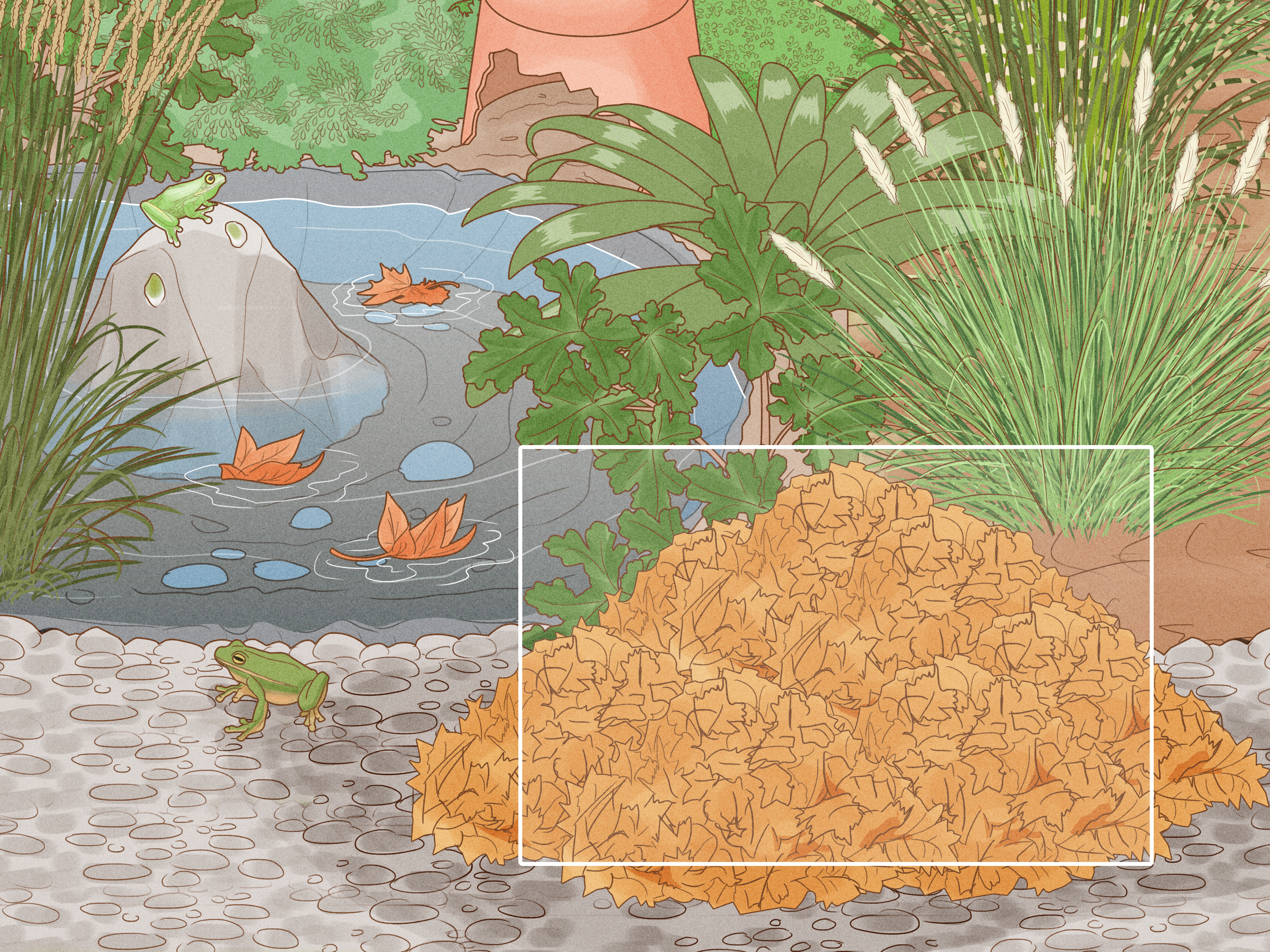
Leaf litter is especially valuable. Instead of removing every fallen leaf like you are trying to impress a strict Victorian aunt, leave some beneath shrubs and trees. Leaves hold moisture, shelter insects, and create little hidden corridors frogs can use. A few thoughtfully placed wood features or rock piles can make the area even more inviting.
Step 6: Reduce Lawn and Add Layered Native Plants
Frogs do not love wide-open lawns. To them, a big sunny grass stretch is basically a desert with worse public relations. Shrink the lawn where you can and replace parts of it with native grasses, low shrubs, perennials, and ground covers. Layered planting creates moisture, shade, and safe movement between shelters and water.
Native plants also support more insects than many non-native ornamentals, and insects are frog food. A garden with buzzing, crawling life is a restaurant district for amphibians. The more your planting resembles a functioning habitat instead of a decorative rug, the better your chances.
Step 7: Keep It Chemical-Light or Chemical-Free
Because frogs absorb water and oxygen through their skin, they are especially vulnerable to pesticides, herbicides, and excess fertilizer. If you want frogs, reduce chemical use as much as possible. Hand-pull weeds, mulch garden beds, improve soil naturally, and use integrated pest management instead of blanket spraying everything that dares to have six legs.
If you absolutely must treat a specific problem, avoid spraying near water, do not apply before rain, and keep products away from likely frog shelter. But the best frog garden is one where chemicals are the rare emergency tool, not the weekly ritual.
Step 8: Manage Moisture the Smart Way
Frogs need moisture, but they do not need stagnant disaster water. Keep the area around your frog home evenly moist with mulch, shade, and sensible watering. Direct clean roof runoff into a nearby rain garden if appropriate, or use harvested rainwater where safe and practical. A rain garden planted with natives can help filter water, reduce runoff, and extend the moist habitat around the pond.
At the same time, keep the water feature from becoming a mosquito factory by using plants, balanced sun exposure, and natural pond conditions rather than constant nutrient overload. Small wildlife ponds often do well without pumps or filters if they are planted properly and not overcrowded with debris.
Step 9: Make the Garden Easy to Travel Through
Frogs need routes between shelter, feeding areas, and water. Think of your garden as a little amphibian neighborhood. If every useful habitat feature is isolated by hot pavers, bare gravel, or open lawn, frogs may never settle in. Connect spaces with mulched paths, dense planting edges, low ground cover, and shady transition zones.
This matters even more for young frogs leaving the pond after metamorphosis. They are tiny, vulnerable, and not interested in crossing a sun-baked obstacle course. A connected landscape gives them a fighting chance.
Step 10: Protect Frogs from Common Backyard Dangers
A good frog home is not just attractive; it is safe. Keep cats indoors or supervised because cats are highly efficient predators of small wildlife. Cover window wells, limit sticky traps outdoors, and be careful with netting or mesh around water so animals cannot get tangled. If you mow near frog habitat, do it carefully and avoid peak movement times such as wet evenings or heavy post-rain activity.
Also watch for sharp-edged decorative materials, treated wood leachate near water, and steep-sided containers with no escape route. If something looks inconvenient to you, it may be lethal to a frog.
Step 11: Let Frogs Find the Habitat on Their Own
Once the habitat is ready, be patient. Do not buy frogs, move wild frogs from another site, or relocate egg masses into your yard. Introducing animals can spread disease, disrupt local populations, and in many places violate wildlife rules. Frogs are surprisingly good at finding suitable habitat on their own if the conditions are right.
This step requires a little faith and a little restraint. In gardening terms, it is the opposite of impulse buying at the nursery checkout. Build the habitat first, then wait. Nature often shows up when invited properly.
Step 12: Maintain the Habitat Gently
A frog garden is not a “set it and forget it” project, but it should not be overmanaged either. Top off water during dry periods, thin plants when they take over, remove invasive species, and keep one portion of the habitat a bit untidy on purpose. Leave some leaves, some stems, and some damp hiding places year-round.
Seasonal maintenance should be light-handed. Clean the pond only when truly necessary, and do not scrub away every bit of algae or plant matter. Tadpoles and other beneficial creatures use that life-filled messiness. In a frog garden, neatness is not always a virtue. Sometimes the best maintenance choice is to step back slowly and let the ecosystem do its thing.
Common Mistakes to Avoid
Even a well-meaning gardener can accidentally make frog habitat less useful. The most common mistakes include adding fish, using too many chemicals, creating deep steep-sided water with no escape points, overcleaning the area, and removing every leaf or log in the name of tidiness. Another big one is planting only ornamental exotics with little habitat value. A garden can look stunning and still function like a food desert for wildlife.
It is also easy to forget that frogs need both aquatic and terrestrial habitat. A little pond without nearby shade or cover is not enough. Likewise, a shady border with no water may support a visiting toad but not a full frog life cycle. The magic is in the combination.
What Success Looks Like
Success does not always mean a pond full of frogs by next Tuesday. At first, you may notice dragonflies, beetles, birds, or mysterious ripples. Then one damp evening you hear a soft peep, trill, or croak and realize the night shift has arrived. Young frogs may show up near mulch or under pots. A chorus might develop in spring. The garden starts to feel less staged and more alive.
That is the real reward. A frog home changes the mood of a garden. It adds sound, motion, ecological value, and a sense that your yard is connected to something older and wilder than the latest patio trend.
Experience: What It Feels Like to Build a Frog-Friendly Garden
The first thing many gardeners notice when they start making a frog home is how different their priorities become. You stop judging every corner by whether it looks crisp and start asking whether it feels livable. A pile of leaves under a shrub stops looking lazy and starts looking intentional. A flat rock beside the pond becomes prime real estate. A clump of rushes becomes less “unkempt” and more “boutique amphibian lodging.” It is a small shift, but it changes how you see your whole garden.
There is also a practical pleasure in building habitat with simple materials. You do not need polished perfection. A salvaged tub, a few stones, native plants, mulch, and a patient attitude can do a lot. Many people discover that the most satisfying part is not buying things but arranging them thoughtfully. You begin to notice shade patterns, damp pockets, and little transitions in the yard that you ignored before. Suddenly you are scouting your own property like a wildlife consultant with muddy shoes.
Then comes the waiting period, which is both exciting and mildly ridiculous. You find yourself checking the pond in the morning, peeking under leaves, and pretending you were “just passing by” when in fact you are absolutely hoping to spot a frog. Rain becomes an event. Warm evenings become invitation hours. You may start listening to your garden at night the way people listen for far-off trains or ocean waves.
When frogs do show up, the experience is oddly thrilling. It is not the same as planting flowers and seeing color in a week. It feels more like your garden has been accepted. A wild animal looked around, reviewed the accommodations, and decided your place was worth using. That is deeply satisfying. It means the garden is doing more than decorating space. It is supporting life.
There are lessons, too. You learn that balance matters more than control. Too much cleaning removes shelter. Too much water can become stagnant. Too much fussing can undo the quiet conditions frogs need. You start to appreciate restraint. In a frog garden, some of the best work is leaving things alone at the right time.
Many gardeners also notice side benefits. You may see more dragonflies, hear more birds, and observe fewer obvious nuisance insects in some areas. The garden develops layers of activity that make it more interesting through the day and across the seasons. Even when frogs are not visible, the habitat feels richer. The pond reflects light. The plants soften the edges. The mulch stays cool. The space starts to hum, figuratively and sometimes literally.
Perhaps the best part is that a frog-friendly garden reconnects people with ordinary local nature. You do not need a national park to experience wildlife wonder. Sometimes it shows up beside a stepping stone at dusk, with damp toes and a suspicious expression. Building a frog home teaches patience, observation, and humility. It reminds you that a garden is not just a place to impose design. It is a place to cooperate.
And honestly, that may be why the project sticks with people. It is gardening with a little more listening and a little less ego. You still get beauty, but you also get purpose. You make room for something small, vulnerable, and useful. In return, the garden becomes more dynamic, more ecological, and much more memorable. Not bad for a resident who pays rent in mosquito control and evening music.
Final Thoughts
If you want to make a frog home in a garden, think habitat first and decoration second. Add shallow fish-free water, plant native species, create moist shelter, reduce chemicals, and connect the pieces into a garden that feels safe to move through. You do not need to force nature. You just need to make a space where it can say yes.
Build it thoughtfully, maintain it gently, and give it time. One day the reward may arrive as a spring chorus, a tiny frog under a leaf, or the simple pleasure of knowing your garden is doing more than looking pretty. It is alive, useful, and just wild enough to matter.