Some messes laugh at paper towels. Crumbs wedge themselves under keyboard keys, sticky residue hides in the grooves of a remote control, and the charging port on your favorite gadget suddenly becomes a tiny lint apartment complex. That is where alcohol-soaked Q-tips earn their superhero cape.
A cotton swab lightly moistened with isopropyl alcohol can reach narrow gaps, lift oily grime, and dry quickly when used correctly. The important word is lightly. A Q-tip should be damp enough to clean, not so wet that it becomes a miniature spill waiting for a victim.
This guide explains how to make alcohol-soaked Q-tips safely, how to store them without turning your cleaning drawer into a science experiment, and where they work best. You will also learn when to skip the alcohol entirely, because not every surface enjoys a boozy spa day.
Why Alcohol-Soaked Q-Tips Work So Well
Cleaning tight spaces is usually a battle against three enemies: dust, skin oil, sticky residue, and dirt that has developed a suspiciously permanent lease agreement. Cotton swabs are narrow enough to reach small crevices, while isopropyl alcohol helps loosen oils and evaporates more quickly than water.
That makes alcohol-soaked Q-tips useful for many nonporous surfaces, including keyboard edges, remote-control buttons, small plastic grooves, metal tools, gaming controllers, earbuds cases, appliance seams, and hard-to-reach corners around switches or knobs.
They are especially helpful for detail cleaning because the cotton tip gives you control. Instead of spraying cleaner everywhere and hoping for the best, you can target the exact grimy spot. It is the cleaning equivalent of using tweezers instead of a snow shovel.
Choose the Right Type of Alcohol
Use Isopropyl Alcohol for Most Cleaning Jobs
For household cleaning, isopropyl alcohol, often labeled rubbing alcohol, is the usual choice. A 70% solution is commonly used for general cleaning and certain disinfection applications, while higher concentrations, such as 90% or 91%, are often preferred for electronics because they contain less water and tend to evaporate faster.
For example, a lightly moistened swab can be useful around keyboard keys or on removable electronic parts, provided the device is turned off, unplugged, and fully dry before being used again. HP and other technology guidance commonly recommends using a lightly dampened cotton swab rather than allowing liquid to drip into a keyboard.
Do Not Assume “Stronger” Always Means Better
A higher alcohol percentage is not automatically better for every task. For general household grime, 70% isopropyl alcohol may be practical. For delicate electronics, a higher percentage can reduce the amount of water left behind. For plant care, however, strong alcohol can damage leaves, so a lower concentration and spot test are important.
Never use denatured alcohol, fuel alcohol, methanol, or mystery liquid from an unmarked container. Cleaning should not require guessing whether your swab is holding a useful solvent or a chemistry-class plot twist.
What You Need to Make Alcohol-Soaked Q-Tips
- Clean cotton swabs or foam swabs
- Isopropyl alcohol in its original labeled bottle
- A small clean glass or chemical-resistant container for temporary use
- A tightly closing travel container or small airtight jar, if you need short-term storage
- Disposable gloves, if you have sensitive skin or will clean for a long time
- A label and marker
- Paper towels or a clean lint-free cloth
Foam swabs can be better than cotton swabs around electronics because they are less likely to leave fibers behind. Cotton swabs are still useful for many everyday jobs, but inspect the area afterward if lint would be a problem.
How to Make Alcohol-Soaked Q-Tips Safely
Method 1: Make Them One at a Time
This is the safest and most practical method for most people. Pour a small amount of alcohol into a clean cap, cup, or shallow container. Dip only one end of a Q-tip into the alcohol. Then press the swab gently against the side of the container or a clean paper towel until it is damp rather than dripping.
Use the swab immediately. Once one side gets dirty, rotate to the clean side. When both ends have done their duty, throw the swab away. Do not dip a dirty swab back into the alcohol container unless your goal is to create a tiny jar of gray soup.
Method 2: Prepare a Small Short-Term Batch
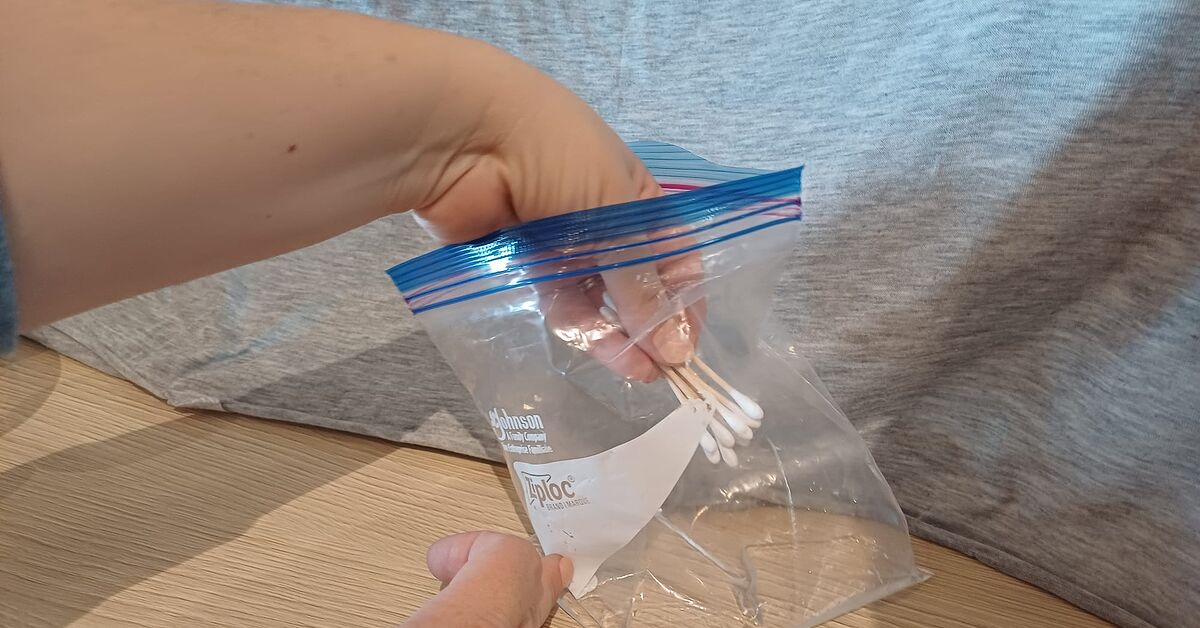
If you are cleaning a large keyboard, a collection of electronics, a workshop tool kit, or a particularly dramatic remote control, you may want several swabs ready at once. Place a small number of clean Q-tips in a clean airtight container. Add only enough alcohol to moisten the cotton tips. The swabs should not be floating like pool noodles.
Close the container promptly. Use the batch the same day whenever possible. Alcohol evaporates easily, and long-term storage can leave swabs dry, contaminated, or overly saturated.
A good rule is simple: prepare only what you expect to use in one cleaning session. Your future self will appreciate not opening a forgotten container six months later and discovering either dry cotton sticks or mystery liquid with a strange personality.
How to Store Alcohol-Soaked Q-Tips
Best Practice: Store the Alcohol, Not a Huge Batch of Swabs
The best long-term storage method is to keep isopropyl alcohol in its original labeled bottle with the cap tightly closed. Store unopened and opened bottles in a cool, dry location away from direct sunlight, flames, heat, and curious children.
For routine cleaning, keep dry Q-tips in one container and alcohol in its original bottle nearby. Make the swabs as needed. This reduces evaporation, lowers the chance of spills, and keeps unused swabs cleaner.
Short-Term Storage Container Options
When you need a ready-to-use kit for a workshop, office, craft table, or travel cleaning pouch, use a small airtight container that will not leak. A screw-top glass jar, a sturdy travel container, or a chemical-resistant plastic container can work for short-term storage.
Label the container clearly with wording such as:
- “Alcohol-Soaked Cotton Swabs”
- “Flammable”
- “Do Not Ingest”
- “For Cleaning Only”
- The date prepared
Do not store alcohol-soaked swabs in food containers, drink bottles, candy tins, or anything that could be mistaken for a snack. A mint tin full of alcohol Q-tips may sound organized, but it is only one distracted moment away from becoming a terrible surprise.
Where Not to Store Them
Do not keep prepared swabs near stoves, candles, fireplaces, hot glue guns, soldering stations, space heaters, grills, or smoking areas. Isopropyl alcohol has a low flash point and its vapors can ignite. Keep the container tightly closed when not in use.
Best Uses for Alcohol-Soaked Q-Tips
Keyboard Edges and Sticky Keys
Turn off and unplug the keyboard or laptop first. Use compressed air or a soft brush to remove loose crumbs. Then use a lightly dampened Q-tip around key edges, seams, and sticky spots. Avoid pressing liquid into the keyboard. Let everything dry completely before reconnecting power.
Remote Controls and Game Controllers
Remove batteries before cleaning. Work around buttons, seams, and textured grips with a damp, not dripping, swab. If the device has removable battery contacts, use a clean dry swab afterward to make sure no moisture remains.
Phone Cases, Charging Cases, and Small Accessories
Use alcohol sparingly around exterior seams and hard plastic surfaces. Avoid flooding charging ports, speaker holes, microphones, or open slots. For ports, start with dry air or a soft dry brush. Only use a barely moistened swab when the manufacturer’s guidance allows it and you can avoid leaving fibers behind.
Small Household Crevices
Alcohol-soaked Q-tips can tackle the grooves of cabinet handles, the edges of light-switch plates, bathroom hardware, appliance knobs, and the narrow spaces around reusable tools. On painted, coated, or delicate surfaces, test a hidden spot first. Alcohol can dull finishes, remove printing, or damage certain coatings.
Houseplant Pest Spot Treatment
Some gardening guidance recommends using a cotton swab with diluted rubbing alcohol to remove small numbers of mealybugs or similar pests. However, alcohol can injure leaves, so test a small hidden area first and avoid treating the whole plant casually. Plants are alive, slightly dramatic, and not obligated to enjoy your cleaning routine.
What Not to Clean With Alcohol-Soaked Q-Tips
Alcohol is useful, but it is not the universal answer to every stain, germ, mystery smudge, or emotional problem. Avoid using it without checking the manufacturer’s guidance on:
- Unsealed wood, waxed wood, or wood finishes
- Leather and suede
- Silk, wool, and delicate fabrics
- Painted surfaces that may discolor
- Rubber coatings that may become sticky or dull
- Camera lenses, specialty screens, and anti-glare coatings
- Medical devices, unless the manufacturer specifically permits it
- Open flames, hot surfaces, or anything currently plugged in
For a dirty surface that needs to be disinfected, remember that visible dirt should usually be removed first. Cleaning and disinfecting are related, but they are not identical. A disinfectant must also remain on a surface for the recommended contact time to perform as intended.
Common Mistakes to Avoid
Using a Dripping-Wet Swab
This is the classic mistake. Excess liquid can seep into electronics, under buttons, into seams, and behind screens. A properly prepared swab should feel damp but should not release droplets when gently pressed.
Reusing Dirty Swabs
A swab that has picked up grime should not return to the clean alcohol container. Use one side, flip it, then discard it. Swabs are inexpensive. Your time spent cleaning sticky sludge off a bottle opening is not.
Leaving the Storage Container Unlabeled
Never rely on memory alone. Label every prepared container. Clear labeling protects children, guests, roommates, and the version of you who is trying to clean something at midnight with one eye open.
Using Alcohol as a Substitute for Every Cleaner
Alcohol is great for oily residue and detail cleaning, but soap and water, a manufacturer-approved screen cleaner, a microfiber cloth, or a purpose-made disinfectant may be better for other jobs.
Experience: What I Learned From Using Alcohol-Soaked Q-Tips in Real Cleaning Jobs
The first time I used alcohol-soaked Q-tips for a serious cleaning session, I made the beginner mistake of preparing far too many. I had a small container full of swabs, a keyboard that looked like it had survived three snack-based emergencies, and the confidence of someone who had watched exactly one cleaning video online.
At first, the setup felt efficient. Every swab was ready to go. Then I noticed the obvious problem: the ones near the top were drying out, while the ones on the bottom were much wetter than necessary. I had accidentally created a very small, very boring swamp. That was the moment I learned that making a few swabs at a time is more useful than preparing an entire army.
My next lesson came from cleaning around keyboard keys. The Q-tip was excellent for removing sticky fingerprints and old snack residue, but it did not magically remove crumbs. Before touching the keys with alcohol, I needed to use compressed air and a soft brush. Once the loose debris was gone, the swab could handle the greasy film around the edges. The order mattered: dry debris first, targeted cleaning second, victory lap third.
I also learned that “damp” is not the same as “soaked.” A heavily saturated Q-tip feels productive because it looks like it means business. In reality, it can leave too much liquid around buttons and seams. A lightly moistened swab works better because it gives you more control. You can clean one narrow line at a time instead of creating a wet zone that needs babysitting.
Remote controls were another surprising success. The grooves around buttons collect fingerprints, food residue, dust, and enough mystery grime to make you question your household’s history. A Q-tip with a tiny amount of alcohol made the buttons look dramatically better. The trick was removing the batteries first and cleaning slowly around the edges rather than pushing liquid toward the button openings.
For small tools, alcohol-soaked Q-tips became useful for cleaning sticky handles, metal grooves, and narrow channels where a cloth could not reach. They were not ideal for heavy grease or thick dirt, but they worked beautifully as a finishing tool after larger debris had been removed.
The biggest improvement came from changing how I stored supplies. Instead of keeping pre-soaked swabs for weeks, I now keep dry cotton swabs in a clean container and store isopropyl alcohol tightly capped in its original bottle. When I need to clean something, I make only a few swabs. This setup is simpler, safer, and less wasteful.
There is also something strangely satisfying about detail cleaning. You start with a dirty button, seam, or corner that nobody notices, and a few minutes later it looks like it has been promoted to a better life. Alcohol-soaked Q-tips are not glamorous, but they are one of those small cleaning tools that quietly make a big difference.
Final Thoughts
Alcohol-soaked Q-tips are a simple way to clean tight spaces with precision, especially around small household items, electronics, tools, and crevices that larger cloths cannot reach. The safest approach is to prepare only a few at a time, use them while they are fresh, and store the alcohol in its original labeled bottle.
Keep the swabs damp rather than dripping, avoid delicate materials unless you have tested them first, and remember that alcohol is flammable. With a little care, this tiny cleaning tool can turn the most annoying narrow gaps into one less thing on your household to-do list.