Short-sheeting a bed is the rare practical joke that requires no batteries, fake insects, air horns, or questionable liquids. All you need is a bed, a flat sheet, a few minutes, and a target who can appreciate waking up inside what feels like an aggressively undersized sleeping bag.
The prank works by folding the top sheet back on itself and disguising the fold beneath the blankets. When the sleeper slides into bed, their feet meet a fabric barrier halfway down the mattress. For several confusing seconds, the bed appears to have shrunk overnight.
Although the setup is simple, good short-sheeting depends on careful alignment, convincing camouflage, and sensible prank etiquette. This guide explains how to short sheet a bed in nine clear steps, how to avoid giving the trick away, and how to make sure the joke ends with laughter rather than an emergency family meeting.
Definition and traditional mechanism:
What Does It Mean to Short Sheet a Bed?
To short sheet a bed means to arrange its top sheet so the usable space beneath it is much shorter than the mattress. Instead of extending normally from the head of the bed to the foot, the sheet is tucked near the head, spread downward, folded back toward the pillows, and secured along the sides.
From above, the bed looks completely normal. Underneath the comforter, however, the sheet forms a closed pocket. The unsuspecting sleeper can slide in only as far as the hidden fold allows.
Short-sheeting has long been associated with summer camps, dorm rooms, shared cabins, barracks, sibling rivalries, and April Fools’ Day. Its endurance makes sense: it is inexpensive, reversible, nearly mess-free, and confusing without being especially elaborate. It is the practical-joke equivalent of a well-timed raised eyebrow.
Historical and practical-joke context:
What You Will Need
- A bed with a mattress that can be lifted slightly
- A fitted bottom sheet
- A separate flat top sheet
- The bed’s usual blanket, quilt, duvet, or comforter
- Pillows and any decorative bedding normally used
- A few uninterrupted minutes
- A sense of humor with an operational safety switch
A cotton or cotton-blend flat sheet is usually easiest to handle because it stays where it is tucked. Very silky fabric may slide loose before the prank is discovered. A properly sized sheet also provides enough material to create the hidden pocket without producing suspicious lumps.
General bedding fit and fabric guidance:
How to Short Sheet a Bed in 9 Steps
Step 1: Choose the Right Person and Moment
Before touching the bedding, consider whether the intended target will actually enjoy the joke. Short-sheeting works best among close friends, siblings, partners, campers, or roommates who already exchange harmless pranks.
Skip the trick if the person has limited mobility, chronic pain, balance problems, anxiety around being trapped, or a medical reason for needing unobstructed bedding. Do not short sheet a bunk bed, hospital-style bed, crib, or unfamiliar guest’s bed. Avoid doing it when someone is exhausted, sick, intoxicated, or likely to leap up suddenly in the dark.
The goal is a surprised laughnot to become the reason everyone must attend a new household safety seminar.
Step 2: Remove the Pillows and Top Covers
Take off the pillows, comforter, duvet, quilt, throw blanket, and any decorative layers. Set them aside in the order you remove them so you can rebuild the bed accurately later.
Leave the fitted sheet in place. The prank is created entirely with the flat top sheet, so there is no need to disturb the mattress protector or bottom bedding.
Work neatly. A crumpled duvet on the floor or a decorative pillow facing backward can expose your scheme before bedtime. A successful prankster understands that interior styling is half the battle.
Step 3: Place the Flat Sheet at the Head of the Bed
Spread the flat sheet across the mattress as though you were beginning to make the bed normally. Center it so approximately equal amounts hang over the left and right sides.
Now reverse the usual arrangement: place one short end of the sheet near the headboard and tuck that end securely beneath the head of the mattress. Most beds are made with the sheet anchored at the foot, but short-sheeting begins by anchoring it at the head.
Leave enough fabric above the tuck to prevent it from slipping free, but avoid creating a thick roll that could be felt through the pillow area.
Core short-sheet setup:
Step 4: Smooth the Sheet Down the Mattress
Pull the sheet smoothly toward the foot of the bed. Remove wrinkles, twists, and diagonal tension. The fabric should lie flat against the fitted sheet from the headboard downward.
At this stage, the loose end will extend toward or beyond the foot of the mattress, depending on the sheet size. Do not tuck that end under the foot of the bed. It will become the folded portion that creates the trap.
Check the side overhang. If one side has noticeably more fabric, recenter the sheet now. Uneven fabric produces uneven tucks, and uneven tucks produce the sort of suspicious bed that practically shouts, “Nothing unusual has happened here!”
Step 5: Fold the Foot End Back Toward the Head
Take the loose end at the foot of the bed and fold it back over itself toward the pillows. The fold should usually sit around the middle or lower-middle portion of the mattress.
The exact location depends on the sleeper’s height and how dramatic you want the discovery to be. A fold around knee or thigh level is effective because the person can enter the bed normally before their legs suddenly stop. Placing it too close to the pillows makes the prank obvious; placing it too close to the foot may allow the sleeper to stretch out without noticing.
Think of the folded sheet as a long, shallow envelope. The section touching the fitted sheet forms the bottom of the envelope, while the folded-back section becomes its top.
Step 6: Position the Visible Top Edge Normally
Bring the folded-back end toward the head of the bed until its finished edge rests where the top of a flat sheet would normally appearusually several inches below the pillows.
If the sheet has a wide decorative hem or patterned face, arrange it as it usually appears. On many beds, the finished side of the top sheet is placed face down and then folded over the blanket so the attractive side becomes visible. Match the household’s normal bed-making style as closely as possible.
From above, the sheet should now look like an ordinary top sheet. Beneath the visible layer, however, the hidden fold blocks the lower half of the bed.
Conventional flat-sheet orientation and styling:
Step 7: Tuck the Sides Securely
Tuck the sides of both sheet layers beneath the mattress, working from the head toward the hidden fold. The tucks should be firm enough to prevent the pocket from opening immediately but not so tight that the mattress becomes difficult to lift afterward.
For a cleaner disguise, use simple hospital-style corners near the visible lower edges. Pull the excess fabric upward into a triangular flap, tuck the fabric beneath it under the mattress, lower the flap, and tuck that portion as well. Crisp folds help the bed resemble a professionally made hotel bed rather than a fabric-based conspiracy.
Do not use safety pins, clips, tape, cords, or fasteners. They are unnecessary, may damage the sheets, and could turn a reversible prank into a genuine hazard.
Tucking and hospital-corner principles:
Step 8: Replace the Blankets and Pillows
Put the comforter, quilt, or duvet back exactly as it was. Align the sides evenly, restore any folded section at the head of the bed, and return the pillows to their usual positions.
Recreate small details. If the person normally leaves one corner of the comforter turned down, copy it. If three decorative pillows live on the bed despite serving no known sleep-related purpose, arrange all three. Consistency is camouflage.
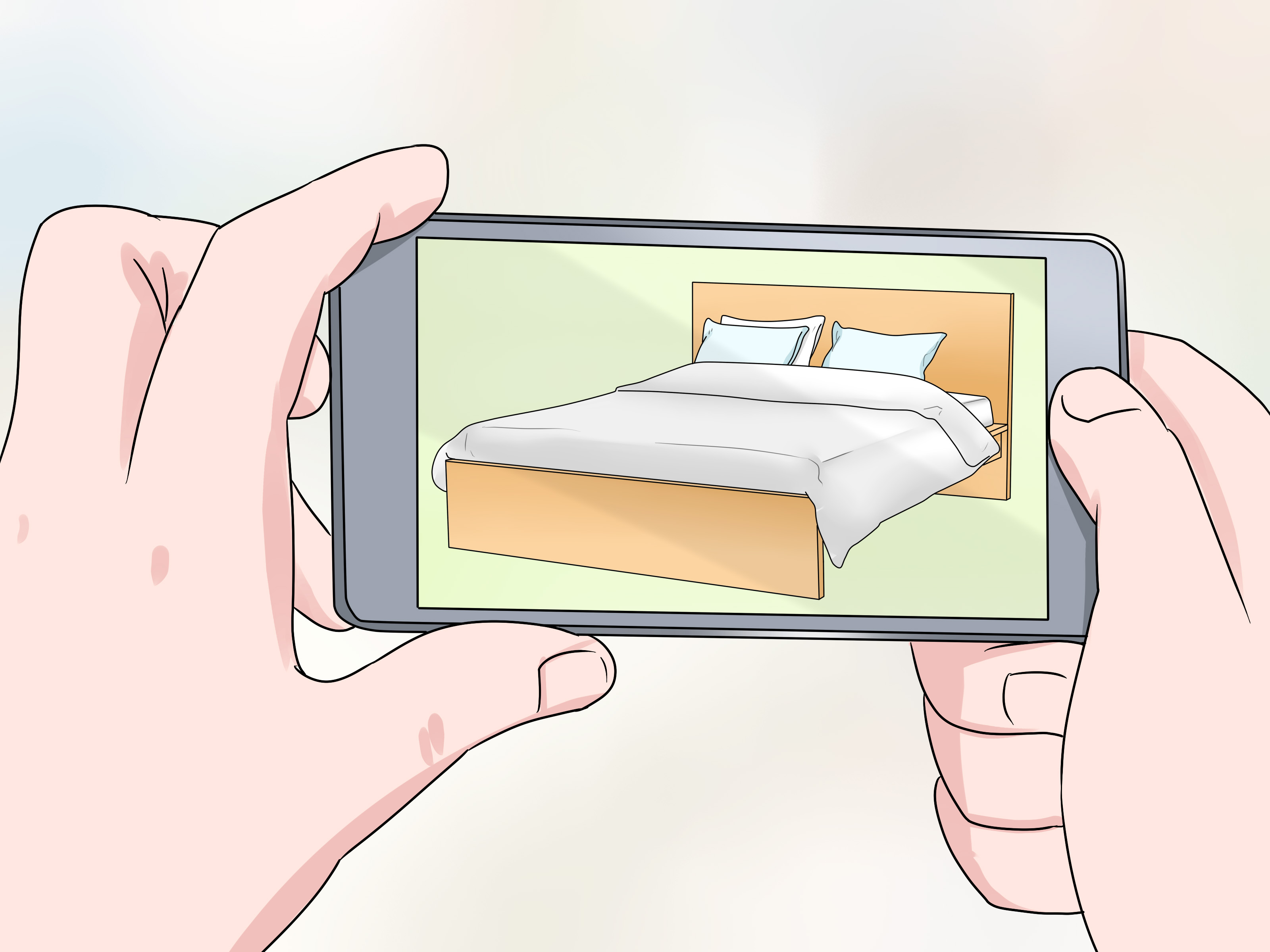
Stand at the bedroom doorway and inspect your work. The bed should appear comfortably ordinary. Look for unusual bulges, an excessively taut top sheet, uneven blankets, exposed tucks, or a visible fold line across the mattress.
Step 9: Test the Setup and Plan the Reveal
Before leaving, slide one hand between the top layers near the pillows and move it downward. It should enter the sheet pocket easily and stop at the hidden fold. If your hand passes all the way to the foot, one side has probably come loose.
Once the prank is discovered, reveal it promptly. Do not allow the person to struggle in the dark, yank the bedding violently, or assume something is wrong with the bed. Turn on a light, explain the fold, and help restore the sheet.
A good prank has three stages: confusion, realization, and laughter. If it reaches a fourth stage called “silent revenge planning,” remain alert around your own bed for the next several nights.
How to Make the Prank More Convincing
Match the Bed’s Normal Appearance
The best disguise is familiarity. Study how the bed is usually made before changing anything. Notice where the top sheet ends, how far the comforter hangs over each side, which pillows are used, and whether the bedding is tightly tucked or casually draped.
Keep the Fold Flat
A thick ridge across the mattress may be visible beneath lightweight blankets. Smooth both layers carefully and avoid bunching extra fabric near the fold. Heavier comforters naturally conceal the setup better than thin summer quilts.
Do Not Over-Tuck
The sheet needs to resist a normal sliding motion, not survive a professional tug-of-war. Extremely tight tucks can make the trick uncomfortable, damage delicate fabric, or encourage the sleeper to pull harder than expected.
Choose a Predictable Bedtime
The prank is less effective if the target decides to sleep on the couch, changes the sheets, or climbs into bed while you are still hiding a pillow behind your back. Set up the bed reasonably close to bedtime without interfering with someone’s sleep schedule.
Common Short-Sheeting Mistakes
- Tucking the wrong end: The sheet must first be anchored near the head of the mattress, not at the foot.
- Making the pocket too long: If the fold is near the bottom edge, the sleeper may never notice.
- Making the pocket too short: A fold near the person’s waist may be visible or immediately obvious.
- Leaving the sides loose: The folded layer may pull free on the first attempt to enter the bed.
- Changing the room: Moved furniture, misplaced pillows, or suspicious giggling can ruin the surprise.
- Adding extra prank materials: Powder, food, water, insects, adhesives, and sharp objects are not part of short-sheeting and create unnecessary mess or risk.
- Refusing to help afterward: Restore the bed promptly, especially when the person is tired and simply wants to sleep.
Experience Notes: What Usually Happens in a Short-Sheeted Bed
The most successful short-sheeting experiences are surprisingly quiet. The person lifts the blanket, slides into bed, pushes their feet downward, and stops. There is usually a pause while their brain checks several unlikely explanations: the mattress has become shorter, their legs have become longer, or the laws of bedroom geometry have been revised without notice.
The First Attempt Is Often Too Obvious
Beginners commonly place the hidden fold too high on the mattress. This creates a visible line beneath the comforter or prevents the target from getting more than halfway into bed. Moving the fold farther toward the foot makes the discovery more gradual and convincing.
Another frequent problem is failing to smooth the lower sheet layer before folding it back. Wrinkles trapped inside the pocket can create raised areas that reveal the setup. The solution is not tighter tucking; it is slower preparation.
Heavy Mattresses Require a Different Approach
Deep mattresses, foam beds, and heavy toppers can be difficult to lift. Rather than trying to raise an entire corner with one hand while forcing fabric underneath with the other, work in small sections. Slide a few inches of sheet under the mattress, move along the edge, and repeat.
Trying to perform one heroic mattress lift often results in sore fingers, uneven tucks, and a noise loud enough to attract the future victim. Incremental tucking is quieter and produces a flatter finish.
Loose Bedding Can Improve the Disguise
A bed that is normally made casually should not suddenly look ready for inspection at a luxury hotel. Perfect hospital corners may be technically impressive, but they can appear suspicious if the target usually leaves the comforter in a cheerful heap.
The most believable setup copies the normal degree of neatness. On a polished bed, use crisp folds. On a relaxed bed, secure the hidden sheet while allowing the outer blanket to remain slightly rumpled.
Different Sleepers React Differently
Some people recognize a short-sheeted bed immediately, especially if they attended camp or lived in a dorm. Others continue pushing against the fold, pull the blankets upward, or climb out to inspect the foot of the mattress. The funniest reaction is often not dramaticit is the expression of someone silently negotiating with a sheet that refuses to acknowledge the normal length of their legs.
This variation is why the prank should be revealed quickly. A person who laughs can enjoy the moment. A person who looks frightened, angry, or physically uncomfortable should receive an immediate explanation and assistance.
The Cleanup Is Part of the Prank
Short-sheeting takes only a moment to undo. Pull the folded section toward the foot, release the side tucks, center the sheet, and remake the bed normally. Helping with this process keeps the joke friendly and prevents the target from facing an unexpected bedtime chore.
Experienced prank exchanges also demonstrate one final rule: retaliation is highly probable. After short-sheeting someone else’s bed, inspect your own sheets, pillowcases, alarm settings, and suspiciously innocent-looking bedroom doorway before going to sleep.
Short-Sheeting Alternatives for Beds Without a Top Sheet
Many people sleep with only a fitted sheet and a duvet, making traditional short-sheeting impossible. Do not attempt to reproduce the effect with cords, clips, or a tightly folded duvet. Instead, choose a simpler visual prank, such as reversing decorative pillows, placing a clean stuffed animal beneath the comforter, or leaving a humorous note where the top sheet would normally be.
The defining feature of short-sheeting is the folded flat sheet. Without that separate layer, it is better to select another harmless joke than to improvise a restraint-like setup.
Top sheets are optional in modern bedding systems, but the classic prank depends on one:
Conclusion
Learning how to short sheet a bed is mostly an exercise in careful folding and convincing bed-making. Anchor the flat sheet near the head, extend it down the mattress, fold it back toward the pillows, tuck the sides, and conceal everything beneath the usual bedding. When done correctly, the bed looks normal until someone discovers that their available legroom has been mysteriously reduced.
Keep the joke gentle, avoid unsafe targets and materials, reveal it promptly, and help remake the bed afterward. The best practical jokes create a story people enjoy retellingnot a reason to install a lock on the linen closet.
SEO Metadata
Research synthesis: Dictionary.com, Merriam-Webster, Instructables, Howcast, Sleep Foundation, The Spruce, Real Simple, Good Housekeeping, Martha Stewart, Architectural Digest, Better Homes & Gardens, Southern Living, Consumer Reports, WIRED, and JSTOR.