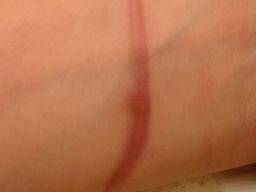
A scar is your skin’s version of a construction project: the damage gets repaired, the crew leaves, and sometimes somebody accidentally orders too much building material. A hypertrophic scar happens when the healing process produces extra collagen, leaving a scar that is raised, thick, firm, itchy, tender, or noticeably red, pink, purple, or darker than the surrounding skin.
The reassuring news is that hypertrophic scars are usually manageable. They often soften, flatten, and fade over time, especially with thoughtful wound care and early medical guidance when needed. The less reassuring news is that “thoughtful wound care” does not mean attacking a healing incision with every miracle oil, scrub, and mystery cream sold by someone with a ring light.
This guide explains what hypertrophic scars are, how they differ from keloids, practical prevention strategies, treatment options, warning signs, and what the healing timeline may realistically look like.
What Is a Hypertrophic Scar?
A hypertrophic scar is a raised scar that develops after the skin has been injured by surgery, burns, acne, cuts, piercings, trauma, or another inflammatory skin event. It forms when the body produces more collagen than the wound needs during repair. The important clue is location: a hypertrophic scar remains within the borders of the original injury or incision.
These scars may appear several weeks after an injury rather than immediately. In the early stages, they can be red, warm-looking, stiff, itchy, or sensitive. Some also feel tight, especially when they cross a joint, sit on the chest or shoulder, or develop after a burn. A scar is part of normal healing, but a hypertrophic scar is healing with a little too much enthusiasm.
Hypertrophic Scar vs. Keloid: The Key Difference
Hypertrophic scars and keloids are often confused because both are raised and can itch or hurt. However, they do not behave exactly the same way.
- Hypertrophic scars stay inside the boundary of the original wound.
- Keloids extend beyond the wound edges and can continue growing into nearby healthy skin.
- Hypertrophic scars are more likely to flatten or fade with time.
- Keloids are more likely to persist or return after treatment.
A dermatologist, plastic surgeon, or other qualified clinician can help distinguish between the two. That distinction matters because treatment plans and recurrence risks may differ.
Why Do Hypertrophic Scars Form?
Scarring is a normal biological repair process. When skin is injured, the body sends inflammatory cells, blood vessels, and collagen-producing fibroblasts to rebuild the damaged area. Usually, the wound gradually remodels into a flatter scar. With hypertrophic scarring, collagen production and inflammation remain more active than necessary for longer than necessary.
Several factors can make raised scar tissue more likely:
- Deep wounds, burns, or injuries that take longer to heal
- Wounds under tension, such as those on the chest, shoulders, upper back, knees, or joints
- Surgical incisions that become irritated, infected, or slow to close
- Repeated trauma, friction, scratching, or picking during healing
- A personal or family history of thick scars or keloids
- Younger age and certain skin characteristics that influence collagen response
The size, depth, location, and healing time of a wound can all influence how noticeable the final scar becomes. Genetics and skin biology also matter, which is why two people can have the same procedure, use the same aftercare, and still end up with very different scars. Skin is not a group project where everybody gets the same grade.
How to Help Prevent Hypertrophic Scars
You cannot eliminate every chance of noticeable scarring. You can, however, reduce avoidable irritation and give a healing wound its best possible working conditions. Prevention begins with proper wound care, not panic-buying every product labeled “scar miracle.”
1. Keep Fresh Wounds Clean and Properly Covered
For minor cuts and scrapes, gently clean the area with soap and water. Follow your clinician’s instructions for surgical wounds, burns, stitches, staples, and deeper injuries. Avoid harsh cleaning habits unless specifically directed, because repeated irritation can make an already stressed wound even grumpier.
Many dermatology and plastic-surgery sources recommend keeping a wound appropriately moist with a simple protective ointment, such as petroleum jelly, and using a clean covering when indicated. Moist wound care can help reduce scab cracking, accidental picking, and unnecessary friction. Never apply products to a wound that your surgeon has instructed you to leave dry or uncovered.
2. Do Not Pick, Scratch, Peel, or “Check It” Every Ten Minutes
Scabs, crusting, and itching can make a healing wound feel like it is personally testing your self-control. Still, picking at scabs or repeatedly rubbing the area can delay healing, create more inflammation, and increase the chance of infection. If itching is intense, ask a healthcare professional what is safe to use instead of treating your scar like a scratch-off lottery ticket.
3. Minimize Tension on Healing Skin
Scars often become wider or thicker when healing skin is repeatedly stretched. Follow activity restrictions after surgery, especially for incisions near the chest, shoulders, abdomen, knees, elbows, or other high-movement areas. Your surgeon may recommend tape, supportive garments, movement limits, or guided physical therapy to reduce tension while preserving mobility.
4. Consider Silicone After the Wound Has Fully Closed
Silicone gel and silicone sheets are commonly used for immature raised scars. They can help hydrate and soften scar tissue and may improve texture, thickness, redness, itch, or discomfort over time. Silicone should generally be used only after the skin surface has fully healed and there is no open wound, drainage, or infection.
Consistency matters more than superhero-level enthusiasm. A silicone sheet worn once and then abandoned in a bathroom drawer will not have much opportunity to help. Follow the product directions and your clinician’s recommendations, especially if you have sensitive skin or develop irritation.
5. Protect Healing Skin From the Sun
Ultraviolet exposure can make healing scars darker or more visibly discolored. Once the wound is fully closed and your healthcare professional says sunscreen is appropriate, protect the area with broad-spectrum SPF 30 or higher and physical coverage such as clothing, hats, or bandages designed for sun protection.
Sun protection will not erase a hypertrophic scar, but it can help prevent extra pigment changes while the scar matures. Think of it as keeping the construction site from becoming a neon billboard.
6. Treat Infection and Delayed Healing Promptly
Infection and prolonged inflammation can interfere with normal healing. Contact a healthcare professional if a wound becomes increasingly red, hot, swollen, painful, foul-smelling, or produces cloudy drainage or pus. Fever, chills, worsening pain, red streaking, or a wound that opens should also be taken seriously.
Hypertrophic Scar Treatment Options
Not every raised scar needs treatment. Some improve gradually on their own, and many clinicians allow a scar time to mature before recommending more invasive options. However, treatment may be worthwhile when a scar is painful, itchy, tight, emotionally distressing, or limiting movement.
Silicone Gel, Sheets, and Pressure Therapy
Silicone is often one of the first conservative options for a raised scar. Pressure therapy may also be recommended, particularly after burns or in areas where specialized compression garments can be fitted safely. Compression may help reduce scar thickness and ease symptoms such as itch, burning, or discomfort.
Scar massage may be useful for some people once a wound is healed, especially when stiffness is present. However, massage should be gentle and clinician-approved. A scar is not pizza dough; aggressive kneading is not automatically better.
Steroid Injections
For persistent, thick, itchy, or painful hypertrophic scars, clinicians may inject corticosteroid medication directly into the scar. These injections can help flatten raised tissue, reduce inflammation, and ease itch or pain. More than one session may be needed, usually spaced apart over time.
Steroid injections are medical treatments, not a DIY project. Potential side effects can include skin thinning, color changes, small visible blood vessels, discomfort, or localized tissue changes, so treatment should be personalized and performed by an experienced professional.
Laser Treatment and Other Procedures
Laser therapy may help reduce redness, itch, stiffness, discomfort, and texture changes in selected scars. Fractional laser treatments are often used for thick or restrictive scars, including burn scars, while vascular lasers may be chosen when redness is a major concern. Several sessions may be needed, and results depend on the scar’s age, location, skin tone, and severity.
Other options may include cryotherapy, microneedling, medication combinations, scar revision techniques, or specialized reconstructive procedures. The best treatment is not always the newest or flashiest. It is the one that fits the scar, the person, the skin type, the medical history, and the goal.
Scar Revision Surgery
Surgery may be considered when a scar restricts movement, causes significant symptoms, pulls on nearby tissue, or remains highly noticeable after conservative care. However, surgery creates a new wound, which means it can also create another scar. For that reason, scar revision is often paired with strategies such as silicone, steroid injections, pressure therapy, laser treatment, or other postoperative care.
When Should You See a Dermatologist or Surgeon?
Seek medical evaluation when a scar grows quickly, becomes increasingly painful, crosses the original wound borders, limits movement, repeatedly cracks or bleeds, develops sores, or causes major distress. A clinician can also help if you have a history of keloids or hypertrophic scars and are planning surgery, piercing, tattooing, or another skin procedure.
You should seek prompt care for possible wound infection, including spreading redness, warmth, swelling, cloudy drainage, bad odor, fever, chills, severe pain, or a wound that opens unexpectedly. A hypertrophic scar is raised scar tissue; it should not be used as an excuse to ignore a wound that looks infected.
Hypertrophic Scar Outlook: What to Expect
The outlook for hypertrophic scars is generally better than the outlook for keloids. Many hypertrophic scars flatten, soften, and fade over months to a couple of years. Some improve without treatment, while others benefit from silicone, injections, laser therapy, or a combination plan.
The goal is rarely to make a scar vanish as if it was edited out of a movie scene. The realistic goal is to improve comfort, flexibility, color, thickness, and confidence while protecting the health of the skin. Earlier attention can be especially helpful when a scar is becoming itchy, thick, red, tight, or restrictive.
Experiences With Hypertrophic Scars: What Healing Can Feel Like
The following examples are composite experiences based on common concerns people report during scar healing. They are educational illustrations, not individual medical testimonials.
For many people, the surprising part of a hypertrophic scar is timing. The cut, burn, or incision may appear to be healing nicely at first. Then, weeks later, the scar becomes thicker, redder, itchier, or firmer. That delayed change can be unsettling because people often expect healing to move in one neat direction: wound closes, scar fades, everyone applauds. Real skin is more dramatic than that.
Someone recovering from abdominal surgery may notice that the scar looks flatter in the morning but feels tight by the end of the day after standing, bending, coughing, or carrying groceries. Another person with a shoulder scar may find that clothing straps and seat belts rub the area until it feels tender. A runner with a scar near the knee may notice tugging during stairs or squats. These experiences do not automatically mean something is wrong, but they are useful details to share with a clinician.
Itching is often one of the most annoying symptoms. It can be mild, occasional, and easy to ignore, or it can show up at night like a tiny, invisible mosquito with a personal grudge. People often describe the temptation to scratch, rub, peel, or press on the scar just to make the sensation stop. Keeping nails short, using clinician-approved moisturizers or silicone products, and covering the area from friction can make daily life easier.
Appearance can be emotionally complicated, too. A raised scar may attract questions from family, coworkers, children, or strangers who are apparently training for careers in unsolicited commentary. Some people feel self-conscious wearing sleeveless clothes, swimsuits, or open-neck shirts. Others do not mind the scar’s look but dislike the discomfort, stiffness, or color contrast. Both reactions are valid. Scar treatment is not “vain” when the scar affects comfort, movement, work, sleep, or confidence.
Many people also learn that patience is part of treatment. Silicone sheets, pressure garments, injections, and laser appointments may require steady follow-through over weeks or months. The scar may improve gradually rather than dramatically. A helpful approach is taking periodic photos in the same lighting and angle. Day-to-day changes can be hard to notice, but monthly comparisons may reveal that the scar is softer, flatter, less red, or less irritated.
Finally, people often feel better when they stop treating scar care as a pass-fail test. A hypertrophic scar does not mean someone “did wound care wrong.” Bodies heal differently. The most useful next step is usually simple: protect the skin, avoid unnecessary irritation, follow professional advice, and ask for help when the scar hurts, tightens, grows, or begins interfering with life.
Note: This article is for educational purposes and does not replace medical advice. Seek prompt care for signs of infection, severe pain, rapidly spreading redness, fever, drainage, or a wound that opens. Consult a dermatologist, surgeon, or qualified healthcare professional before beginning scar treatment, especially after surgery, burns, or complex injuries.
Conclusion
Hypertrophic scars can feel frustrating, but they are often treatable and tend to improve over time. The most practical strategy is to support healthy wound healing early, protect the scar from friction and sun exposure, consider silicone once the skin has fully closed, and seek professional care when symptoms become persistent or restrictive.
The best scar-care plan is not the loudest product on the shelf. It is a realistic routine built around patience, proper wound care, evidence-based treatment, and a clinician who understands that comfort and confidence matter just as much as appearance.