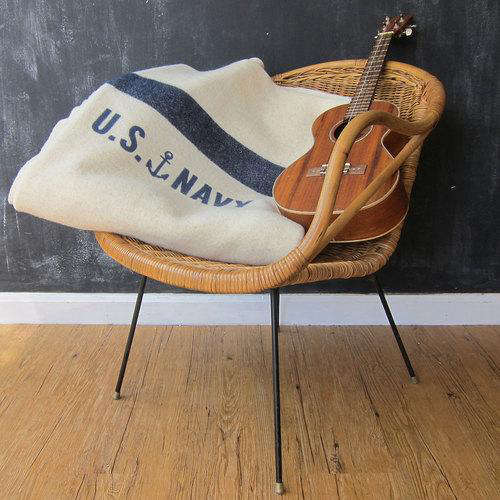
A navy wool blanket performs a surprisingly impressive decorating trick. It can make a plain sofa feel like it belongs in a weathered captain’s cottage, bring structure to an all-white bedroom, and add maritime character without requiring a single plastic anchor. That last point matters. Nautical style should suggest the sea, not look as though the gift shop at a pirate-themed restaurant exploded indoors.
The combination of deep navy blue and natural wool feels especially convincing because both have long associations with practical life in cold, windy environments. Blue wool has appeared in naval clothing for generations, while blankets have traditionally provided portable warmth in military camps, cabins, lodges, and outdoor settings. In the modern home, the same qualities translate into an accessory that is handsome, useful, durable, and pleasantly difficult to outgrow.
Whether folded across a bed, draped over a leather chair, or carried to a chilly porch, a nautical wool blanket offers more than seasonal decoration. It combines textile heritage with everyday comfortand unlike a decorative ship’s wheel, it will actually keep your feet warm.
Why Navy Blue and Wool Belong Together
Navy blue has earned its place as one of the most dependable colors in American interiors. It is darker and more authoritative than sky blue, less severe than black, and easier to coordinate than many trend-driven shades. It can appear traditional beside polished wood, crisp beside white linen, or contemporary beside concrete and brushed metal.
Its maritime reputation is not simply a product of modern advertising. Dark blue woolen garments have deep roots in naval uniforms, where the color offered a disciplined appearance and wool provided valuable insulation. That historical relationship gives a navy wool blanket a sense of authenticity. Even a newly woven throw can look as though it has stories involving fog, brass instruments, and someone named Captain Harrison.
Wool Adds Substance to the Color
Navy blue can look flat when printed on thin synthetic fabric. Wool gives it depth. The naturally textured surface catches light unevenly, producing subtle shifts from midnight blue to softer indigo. A brushed finish looks hazy and relaxed, while a tightly woven blanket appears cleaner and more tailored.
Wool fibers also trap air, helping the material retain warmth without relying entirely on bulk. The fiber can manage moisture and buffer changes in humidity, which helps explain why wool has remained useful in bedding, clothing, and outdoor equipment. A good wool blanket feels warm and substantial, yet it does not need to resemble a padded moving blanket borrowed from a delivery truck.
Navy Functions Almost Like a Neutral
In decorating terms, navy is remarkably flexible. It works with warm whites, sandy beige, weathered gray, camel leather, oak, walnut, and nearly every shade associated with the shore. It also provides visual weight in rooms dominated by pale colors.
A navy blanket can therefore serve as the anchor of a coastal color scheme without forcing the entire room into a nautical theme. Place one on a cream sofa, add a striped pillow and a woven basket, and the connection is clear. Add twelve anchor cushions, three model sailboats, and a lamp shaped like a lighthouse, and the room may begin requesting docking fees.
What Makes a Wool Blanket Nautical?
A nautical blanket does not require literal maritime symbols. In fact, the most sophisticated examples usually rely on color, proportion, pattern, and texture rather than obvious illustrations.
Classic Navy and White Stripes
Stripes are the fastest route to nautical appeal. Broad navy and ivory bands create a bold, casual look, while narrow ticking stripes feel more traditional. Uneven or widely spaced stripes can soften the effect and prevent the blanket from looking like a sailor costume.
For a quieter room, choose a mostly solid navy blanket with one or two white border stripes. This design recalls vintage military blankets, yacht-club textiles, and old travel rugs without copying any one historical piece.
Checks, Windowpanes, and Plaids
A navy windowpane pattern offers maritime character with a more tailored personality. Navy-and-gray plaid suits cabins and rustic coastal homes, while navy mixed with cream and muted red creates a heritage look that works well with antique furniture.
These patterns are useful when a room already contains solid blue upholstery or painted cabinetry. The blanket introduces variation while keeping the palette controlled.
Subtle Maritime Details
Small woven motifs can be charming when used carefully. Compass points, rope-inspired borders, waves, signal flags, and simplified boat shapes can add identity without turning the blanket into a novelty souvenir.
The most versatile pieces allow the nautical reference to emerge gradually. From across the room, the blanket should look like a beautiful textile. Up close, the details can reveal the theme. That is far more interesting than an enormous anchor announcing itself from twenty feet away.
Fringe, Whipstitching, and Bound Edges
Finishing details affect both appearance and durability. Fringe creates a relaxed, windswept look suitable for throws and casual rooms. Whipstitched edges feel rustic and practical. Satin binding is smoother and more traditional, especially on blankets intended for beds.
A blanket with contrasting cream stitching can provide just enough definition against a navy body. It resembles the crisp piping used in tailored clothing and maritime uniforms while remaining understated.
How to Recognize a Quality Navy Wool Blanket
Color may attract attention first, but construction determines whether a blanket becomes an heirloom or an expensive piece of lint.
Check the Fiber Content
A label stating “100% wool” is straightforward, but blends are not automatically inferior. Wool blended with cotton can feel softer and lighter. A small amount of nylon may improve durability, particularly in blankets designed for frequent travel or outdoor use.
Merino wool is known for its fine fibers and softness, making it appealing for bedding and close-to-skin comfort. Coarser wool can feel more rugged but may offer excellent durability for cabins, porches, vehicles, and camping. The best choice depends on how the blanket will be used, not merely on which label sounds most luxurious.
Examine the Weave
Hold the blanket toward a light source. A quality weave should appear consistent, without unexplained thin patches or distorted edges. Dense weaving generally improves warmth and wind resistance, while looser weaves feel lighter and more breathable.
Jacquard blankets can display reversible patterns because the design is woven into the structure rather than printed on the surface. These pieces often provide two useful looks: perhaps navy-dominant on one side and cream-dominant on the other.
Consider Weight and Dimensions
A decorative throw commonly measures around 50 by 60 inches, although sizes vary. That is suitable for a chair, sofa, reading nook, or one person who has established firm ownership of the remote control.
Larger blankets work better across beds or for two people. Before buying, compare the listed dimensions with the furniture. Product photography can make a small throw appear generously oversized when it is actually being displayed on a chair designed for a very polite child.
Look for Responsible Construction
Established woolen mills often emphasize transparent manufacturing, skilled finishing, repairable construction, and long service life. American wool manufacturing has a substantial history, with surviving mills continuing to card, spin, weave, finish, and inspect textiles through numerous production stages.
A well-made blanket may cost more initially, but durability changes the long-term calculation. A piece used for decades can offer better value than several inexpensive blankets that pill, stretch, or lose their shape after limited use.
Styling a Navy Wool Blanket at Home
In the Living Room
Drape a navy blanket loosely over one arm of a cream, tan, or light-gray sofa. The dark color creates contrast, while the wool adds texture. Pair it with one striped cushion and one solid pillow in rust, camel, or faded red.
For a cleaner look, fold the blanket lengthwise and place it across the back of the sofa. This works especially well in traditional rooms with symmetrical furniture. In a modern space, use an oversized solid navy throw against pale upholstery and keep the surrounding accessories minimal.
Natural materials strengthen the nautical connection. Consider a jute rug, oak side table, woven basket, ceramic lamp, or aged brass hardware. These references feel connected to coastal landscapes and working boats without becoming theatrical.
In the Bedroom
A navy wool blanket folded across the foot of a white bed is almost impossible to get wrong. It adds color, visual weight, and practical warmth. For a refined coastal bedroom, combine it with white or oatmeal bedding, pale wood furniture, and blue-and-white patterned pillows.
In a darker, moodier room, pair navy wool with charcoal walls, walnut furniture, and antique brass lighting. The result feels more like a captain’s quarters than a beach cottageformal, enclosed, and pleasantly dramatic.
A striped blanket can also correct the proportions of a tall bed. Horizontal lines make the arrangement feel wider, while a solid blanket provides a calmer finish when the bedding already includes pattern.
In a Cabin or Coastal Cottage
Wool blankets naturally suit rooms with painted paneling, exposed beams, stone fireplaces, and vintage furniture. Navy complements these materials without competing with them.
Try stacking two folded blankets in an open basket: one navy and cream, the other gray or camel. The arrangement looks inviting and keeps warmth close at hand. Avoid filling every surface with maritime objects. A framed coastal chart, an old wooden box, or a single brass instrument provides more character than a fleet of mass-produced decorations.
On a Porch, Boat, or Outdoor Seating Area
A wool throw is useful during cool evenings because it provides warmth while remaining relatively breathable. Keep one in a protected porch cabinet or carry it outside as needed.
Do not leave a wool blanket exposed to rain, salt spray, or constant direct sunlight. Wool may manage small amounts of moisture well, but long-term dampness can encourage odor, mildew, distortion, and insect problems. The blanket is seaworthy in spirit, not an emergency sail.
Color Palettes That Complement Navy Wool
Navy, White, and Natural Wood
This is the classic nautical palette. White keeps the room bright, navy adds definition, and wood prevents the scheme from feeling cold. Choose warm white rather than brilliant blue-white for a softer, more lived-in appearance.
Navy, Camel, and Brass
Camel leather and aged brass bring warmth and sophistication to dark blue. This combination works particularly well in studies, libraries, dens, and bedrooms inspired by traditional ship interiors.
Navy, Gray, and Foggy Blue
Layering related cool tones creates a calm, misty atmosphere. Use varied textures to keep the palette from becoming flat: wool, linen, washed cotton, stone, and painted wood all reflect light differently.
Navy, Rust, and Cream
Rust introduces a restrained burst of warmth reminiscent of weathered metal, autumn harbors, and vintage signal flags. Cream softens the contrast. This palette gives nautical decor an appealing heritage character rather than a fresh-from-the-showroom finish.
Caring for a Wool Blanket Without Starting a Family Crisis
Wool does not usually require frequent washing. Regular airing, gentle brushing, and prompt spot cleaning can handle much of its routine care. When a spill occurs, blot it rather than rubbing aggressively, which can spread the stain and disturb the fibers.
Always follow the sewn-in care label. Some modern wool blankets are designed for cold machine washing on a gentle cycle, while others require hand washing or professional dry cleaning. “It is probably fine” is not a recognized textile-care program.
Use a mild detergent intended for wool, avoid bleach, and do not expose the blanket to unnecessary heat. Unless the manufacturer specifically permits machine drying, lay the blanket flat or line-dry it away from intense sunlight. Heat and agitation can cause felting or shrinkage.
Before long-term storage, make sure the blanket is clean and completely dry. Fold it in a breathable cotton bag or an appropriate sealed container, depending on the manufacturer’s recommendation and local humidity. Cedar can help discourage insects, but periodic inspection remains important. Pay attention to folds, corners, and dark storage areas where moth activity may begin unnoticed.
Some surface pilling is natural, particularly where the blanket experiences friction. A wool comb or fabric shaver can remove pills carefully. Do not attack the surface with the enthusiasm of someone sanding a deck.
A Blanket That Improves with Age
The appeal of a navy wool blanket is partly visual and partly emotional. New, it contributes color and structure. After years of use, it may become softer, slightly faded, and associated with specific places and routines.
That gradual accumulation of character suits nautical style. Boats, docks, leather trunks, wood floors, and brass hardware rarely become more interesting by remaining perfectly untouched. Their beauty develops through use. A durable wool blanket belongs to the same family of objects: practical possessions that collect history rather than merely occupying space.
This is also why restraint is so effective. A well-chosen blanket can carry the nautical theme by itself. It does not need support from a chorus of decorative seagulls.
Experience Notes: What Living with a Navy Wool Blanket Is Really Like
The first noticeable experience is not dramatic. It is simply the moment a room begins to look more complete. A pale sofa that previously seemed unfinished gains a stronger outline. A white bed looks intentional rather than temporary. The deep navy color creates a visual stopping point, while the wool supplies the texture that photographs often fail to capture.
Then comes the practical stage. During an ordinary evening, the blanket moves from the sofa arm to someone’s lap. It is warmer than expected, especially for its thickness, but does not immediately become stuffy. The fabric settles rather than floating around like a lightweight fleece throw. Its weight feels reassuring, particularly while reading, watching a movie, or listening to rain hit the windows.
In a shared living room, possession can become a minor diplomatic issue. The blanket may technically belong to the household, but regular users soon develop territorial habits. One person folds it neatly. Another rolls it into a woolen nest. A dog may identify it as the most expensive sleeping surface available and act accordingly.
A navy blanket also proves useful when decorating changes. In winter, it works beside plaid pillows, dark wood, candles, and evergreen branches. In spring, it can be folded more precisely against white linen and pale blue accessories. During summer, it may wait in a basket for cool evenings on the porch. In fall, it returns to active service beside leather, rust, and warm neutral colors.
The experience of taking a wool blanket outdoors is particularly memorable. On a breezy evening near water, a thin cotton throw can feel decorative rather than helpful. Wool provides more convincing protection. Wrapped around the shoulders, it blocks some of the chill while still feeling breathable. The navy color also hides minor signs of use better than cream, which is useful when snacks, coffee, and children are participating in the event.
There are lessons, of course. Wool rewards gentle maintenance and punishes reckless laundry decisions. An owner who checks the care label, handles spills promptly, and stores the blanket clean will usually find the routine uncomplicated. Someone who places it in a hot wash with towels and then selects maximum dryer heat may discover a charming new blanket for a dollhouse.
Texture preferences also matter. Fine merino feels smoother and is often more comfortable against bare skin. Traditional coarser wool may initially feel firm or slightly scratchy, although it can be excellent over clothing or layered above a sheet. Buyers who shop only by color sometimes overlook this difference. Touching the fabricor studying detailed descriptions and return policies when shopping onlineprevents disappointment.
Over time, the best experience is familiarity. The blanket becomes the item carried to the porch when the temperature drops, placed over a guest’s knees, packed for a cabin weekend, or unfolded during a power outage. Its nautical appeal remains visible, but usefulness becomes the more important story.
Eventually, the blanket may no longer look factory-new. The edges soften. The fringe becomes less obedient. The navy develops slight tonal variation. These changes do not necessarily diminish it. Like a wooden boat with polished wear marks or a leather chair with a softened seat, the blanket begins to show evidence of a life well used.
Conclusion: Bring Home Nautical Style Without Going Overboard
A navy wool blanket is one of the easiest ways to introduce authentic nautical appeal into a home. The color recalls maritime uniforms, deep water, painted hulls, and traditional coastal interiors. The material adds warmth, durability, texture, and a sense of craftsmanship that lightweight decorative fabrics rarely match.
The most successful design does not shout its theme. It combines deep navy with restrained stripes, careful finishing, natural materials, and practical construction. Whether the blanket lives in a coastal cottage, urban apartment, mountain cabin, or suburban bedroom, it can suggest the atmosphere of the sea without requiring an ocean view.
Choose the fiber and weight according to how the blanket will be used. Examine the dimensions, weave, edges, and cleaning instructions. Then place it where people can reach it. A beautiful wool blanket should not spend its life posing untouched for photographs. It should be unfolded, wrapped around cold shoulders, shared with guests, and occasionally defended from a very determined pet.