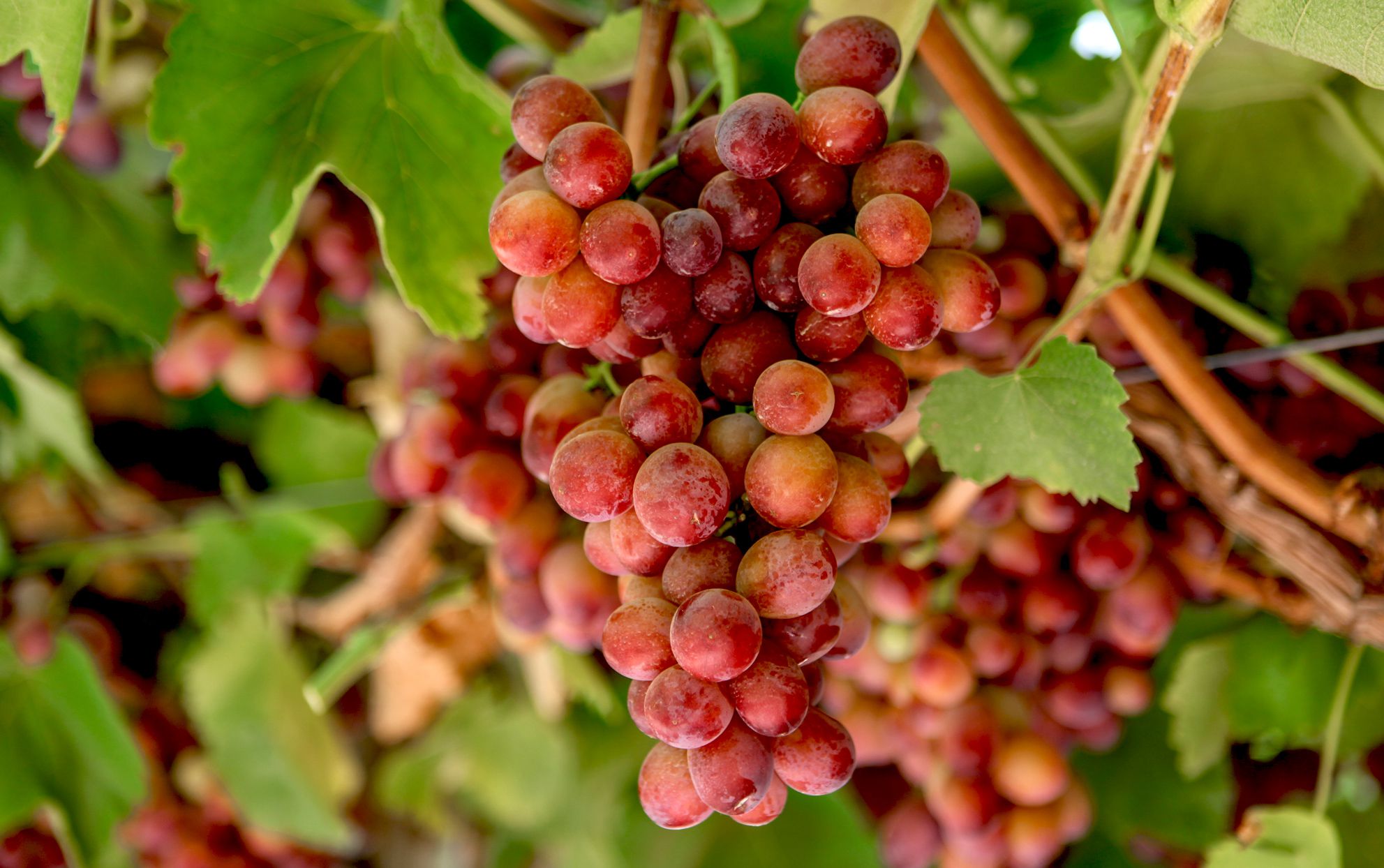
If you’ve ever brought home a bag of grapes and watched them disappear before dinner, you already know the power of a really good grape. But Candy Hearts grapes? These little red gems tend to cause a full family event. Suddenly, people who usually “don’t want a snack” are standing in the kitchen, casually eating handfuls straight from the bowl like they were invited to a private tasting.
And honestly, the hype makes sense. Candy Hearts grapes hit that rare sweet spot between fun novelty and actual fruit. They’re not candy. They’re not artificially flavored. They’re just a specialty grape with a naturally bold flavor that tastes way more exciting than the average lunchbox grape. Think floral, fruity, and a little “wait…why does this taste so good?”
In this guide, we’ll break down what Candy Hearts grapes are, why they taste different, how to buy and store them, the best ways to serve them, and why they’re such a win for families who want a sweet snack without turning every afternoon into a sugar-fueled carnival.
What Are Candy Hearts Grapes, Exactly?
Candy Hearts grapes are a specialty table grape variety associated with International Fruit Genetics (IFG), the same breeding group behind other popular “designer grapes” like Cotton Candy and Moon Drop. In produce circles, Candy Hearts are often described as a flavor-forward red grape with a sweeter, more layered taste than standard seedless grapes.
If you’ve seen people compare them to Cotton Candy grapes, that’s not random internet drama. Candy Hearts are often described as a kind of “red cousin” to Cotton Candy grapesstill sweet and playful, but with a more complex flavor profile. In other words, Cotton Candy grapes are the loud extrovert at the party; Candy Hearts are the charming one who somehow gets everyone talking.
Why They Taste So Different
The reason Candy Hearts grapes stand out is flavor breeding. These grapes were developed to emphasize aroma and taste, not just shelf life and appearance. Reports and produce descriptions commonly mention floral notes, a “Concord-like” grape essence, and fruit-forward sweetness. Some tasters even pick up raspberry-like or tropical notes depending on the batch.
That flavor difference matters because most families are used to grapes being either “good” or “not sweet enough.” Candy Hearts grapes feel like a category upgrade. They’re still grapesbut they taste like someone turned the flavor knob up.
Are They Artificially Flavored?
Nope. This is one of the biggest misconceptions around specialty grapes with candy-like names. Growers and breeders have repeatedly emphasized that the flavor isn’t added after harvest. There’s no candy coating, no flavor injection, and no grape scientist with a raspberry spray bottle hiding in the vineyard.
These grapes are bred for flavor through traditional plant breeding methods. That’s a huge part of the appeal: they taste like dessert, but they’re still a fresh fruit you can rinse and toss into a bowl.
When and Where to Find Candy Hearts Grapes
One reason Candy Hearts grapes can feel “rare” is seasonal availability. Depending on where you shop, you might only see them for a short windowand then they vanish like your favorite limited-edition snack. Some specialty produce sellers list Candy Hearts with seasons in late winter/early spring and late summer/early fall, often sourced from Chile or the U.S.
That schedule makes sense because modern fruit supply chains often use production from both hemispheres. When one growing season ends, another region picks up the slack. So while Candy Hearts aren’t guaranteed everywhere year-round, availability can stretch longer than you’d expect if retailers source from multiple countries.
Pro tip: if your family loves them, buy an extra container when you spot them. This is not the fruit to “think about and come back for tomorrow.” Tomorrow is how you end up staring at regular grapes and pretending you’re fine.
Why Families Love Candy Hearts Grapes
Let’s be honest: most household snack battles are about convenience, taste, and the emotional power of packaging. Candy Hearts grapes win all three.
1) They Taste Like a Treat
Kids love sweet flavors. Adults do toowe just call it “having a sophisticated palate” while reaching for snacks after 9 p.m. Candy Hearts grapes deliver a dessert-like experience without the added sugar that comes with candy, pastries, or frozen treats.
Because the flavor is naturally bold, they work especially well as a “sweet craving bridge”that snack you reach for when you want something fun but don’t want to derail the day with a sugar crash.
2) They’re Easy to Serve
No peeling. No slicing (for older kids and adults). No pots, pans, or life choices. Just rinse, dry, and serve. That simplicity is a big reason grapes are a staple in so many kitchens, and Candy Hearts bring extra excitement without adding prep time.
3) They Work Across Age Groups
Some foods are “for the kids.” Some are “for the adults.” Candy Hearts grapes manage to cross the aisle. Their flavor is sweet enough for younger snackers but interesting enough that adults keep “sampling” them while making lunch. If your household has different taste preferences, this is one of those rare snacks that gets a unanimous vote.
Nutrition and Health Benefits: The Fun Snack That’s Still Fruit
Candy Hearts grapes are still grapes, so they bring the same general nutrition advantages you’d expect from red seedless grapes. Grapes are naturally hydrating, contain vitamins and antioxidants, and can fit nicely into a balanced snack routine.
Nutrition references for grapes commonly highlight vitamin K, vitamin C, water content, and antioxidant compounds (including polyphenols). In plain English: they taste great, they help you eat more fruit, and they’re doing more for your body than a handful of gummy hearts ever could.
Portion Tips That Actually Help
If you’re trying to be practical (not performative) about healthy eating, portioning grapes is easy. A bowl on the counter is convenient, but a pre-portioned container in the fridge is even better when everyone is in grab-and-go mode.
According to MyPlate, whole fruit counts toward daily fruit intake, and even grapes have a simple visual benchmark: a serving equivalent can be counted as seedless grapes in the fruit table. That’s helpful if you’re trying to build more consistent fruit habits instead of just “hoping the family eats produce this week.”
Why This Matters in Real Life
Public health data consistently shows many adults still fall short on fruit and vegetable intake. That’s why a fruit people genuinely want to eat is such a win. Candy Hearts grapes may not solve everyone’s nutrition goals, but they can absolutely make whole fruit more appealing at snack time, and that counts for a lot in a busy house.
And if you’re trying to encourage better choices without turning food into a lecture, this is a beautiful hack: put an irresistible fruit front and center and let the bowl do the parenting.
How to Buy, Wash, and Store Candy Hearts Grapes Like a Pro
Specialty grapes are too good (and too expensive) to waste. A little storage know-how makes a big difference.
How to Pick the Best Bunch
- Look for plump, firm grapes with no mushy spots.
- Check the stems: greener and more flexible is better than dry and brittle.
- A light dusty-looking coating (called bloom) is normal and helps protect the fruit.
- Skip bunches with visible mold or strong fermented/vinegar-like smells.
How to Wash Them Safely
Wash grapes under cool running water before eating. No soap, no detergent, and no produce wash. It sounds obvious, but it’s worth repeating because food safety guidance is very clear on this: plain running water is the move.
For best texture, many storage experts also recommend waiting to wash grapes until right before serving. Extra moisture can speed up spoilage if they go back into the fridge wet.
How to Store Them So They Stay Crisp
Grapes should be refrigerated as soon as possible. They like cold temperatures and high humidity, which is why the crisper drawer is their happy place. Keep them in their original ventilated packaging (or another breathable container) and avoid sealing them in a way that traps moisture.
Stored properly, grapes can last much longer than people think. In everyday home kitchens, a well-kept bunch can stay crisp for days to weeks depending on freshness at purchase. If you need even more time, frozen grapes are fantastic and hold up beautifully for smoothies, lunchbox ice packs, and “I need something cold and sweet right now” moments.
Easy Ways to Serve Candy Hearts Grapes
Once you realize how versatile they are, Candy Hearts grapes stop being “just a fruit” and become an all-purpose kitchen MVP.
Snack Board Hero
These grapes shine on a snack board with cheese, nuts, crackers, and a salty element like pretzels. Their sweetness balances savory foods really well, and they make the whole board look fancier than the effort required.
Lunchbox Upgrade
Add a small container of grapes to school lunches or work lunches for a sweet bite that doesn’t feel boring. For younger kids, cut grapes into safe, age-appropriate pieces to reduce choking risk.
Salad Game-Changer
Halved Candy Hearts grapes are excellent in chicken salad, green salads, and grain bowls. They pair especially well with tangy dressings, goat cheese, or toasted nuts because the sweet-floral flavor gives contrast.
Frozen Dessert Shortcut
Freeze them on a tray first, then transfer to a container. You’ll get little grape “pops” that are refreshing, lightly sweet, and surprisingly satisfying. Bonus: they can double as edible ice cubes in sparkling water.
Are Candy Hearts Grapes Worth It?
If your family already likes grapes, yesabsolutely. Candy Hearts grapes are one of those rare grocery finds that feels special without requiring any extra work. They’re easy, fun, naturally sweet, and flexible enough to use in snacks, lunchboxes, and simple meals.
They’re also a nice reminder that healthy eating doesn’t have to be boring to be effective. Sometimes the best nutrition strategy is not a complicated meal plan. Sometimes it’s just finding a fruit everyone fights over in the best possible way.
Conclusion
Candy Hearts grapes are more than a viral produce trend. They’re a genuinely useful family snack: flavorful, easy to serve, and rooted in real fruit nutrition. Whether you’re trying to make snack time easier, add more whole fruit to the week, or just experience the joy of watching a bowl of grapes disappear in record time, Candy Hearts grapes deliver.
Buy them when you see them, store them cold, rinse before serving, and don’t be surprised if your household starts asking for them by name. Some foods become favorites slowly. These usually need one bite.
Extended Family Experience
The first time Candy Hearts grapes showed up in our kitchen, nobody expected a major moment. They were just sitting there in a big clamshell container on the counter while dinner was finishing up, and honestly, we almost ignored them. Then someone opened the lid “just to try one,” and that was the beginning of the end. Within minutes, three people were hovering around the container like it was a dessert tray at a wedding.
What surprised us most wasn’t just the sweetness. It was the flavor. Regular grapes in our house usually get one of two reviews: “good” or “too sour.” Candy Hearts grapes got a whole panel discussion. One person said they tasted floral. Another said they reminded him of grape juice but better. Someone else swore there was a berry flavor in there. Suddenly, we were all acting like food critics in pajamas, debating flavor notes over a Tuesday night snack.
By the next day, the grapes had become a full routine. A few went into lunch containers. A handful got tossed into a salad at dinner. More disappeared while people stood in front of the open refrigerator “looking for something.” You know that move. The door stays open, the cold air escapes, and somehow the grapes solve the mystery every time.
What made them stick as a family favorite was how easy they were. No prep. No cooking. No cleanup except rinsing. On busy days, that matters more than any nutrition label ever could. When everyone is tired, the snacks that win are the snacks that are visible and ready. Candy Hearts grapes passed that test fast. We started keeping them washed and dried in a bowl on the top shelf so they were the first thing people saw.
They also helped with the “dessert negotiation.” Instead of going straight from dinner to cookies, we started putting a bowl of Candy Hearts grapes on the table while we cleaned up. Half the time, that was enough. Not because anyone was forced to eat fruit, but because these grapes actually felt like a treat. Sweet, cold, crisp, and gone before the plates were dry.
Weekend snack boards became another hit. We’d set out grapes, cheese cubes, crackers, and a few nuts, and somehow it looked like we had our life together. The grapes always disappeared first. Even guests noticed. More than once, someone asked, “Wait, what kind of grapes are these?” in the same tone people use when they discover a new favorite bakery.
The funniest part is how quickly the family became picky. Regular grapes are still welcome, but now people compare everything to Candy Hearts. “These are fine,” someone will say, which is a very polite way of saying, “I miss the good ones.” It’s a tiny grocery luxury, surebut it’s one of those small upgrades that makes everyday eating feel a little more fun.
And that’s probably why Candy Hearts grapes work so well in family life. They don’t require a recipe, a schedule, or a speech about healthy choices. They just taste great. Sometimes that’s enough to change the whole snack mood in the house.