Some pet stories begin with a wagging tail. This one begins with an 11-foot alligator, an indoor swimming pool, a heartbroken owner, state wildlife officers, and a petition that turned a local New York dispute into a national conversation about exotic pets, public safety, and where love ends and regulation begins.
Albert the alligator had lived for decades with Tony Cavallaro in Hamburg, New York, a Buffalo-area town where the story quickly became more than a strange headline. To Cavallaro and his supporters, Albert was not a backyard novelty or a dangerous trophy animal. He was family. To state officials, however, Albert was a large, powerful reptile being kept without a valid license, in a setting where public contact allegedly occurred, raising serious concerns about animal welfare and human safety.
After Albert was seized from Cavallaro’s home in March 2024, supporters launched an online petition calling for his return. The campaign gained tens of thousands of signatures quickly and eventually grew into a rallying point for people who believed the state acted too harshly. But the case also forced an uncomfortable question into the spotlight: can a person truly keep a dangerous wild animal as a private companion, even with decades of attachment?
The Story Behind Albert the Alligator
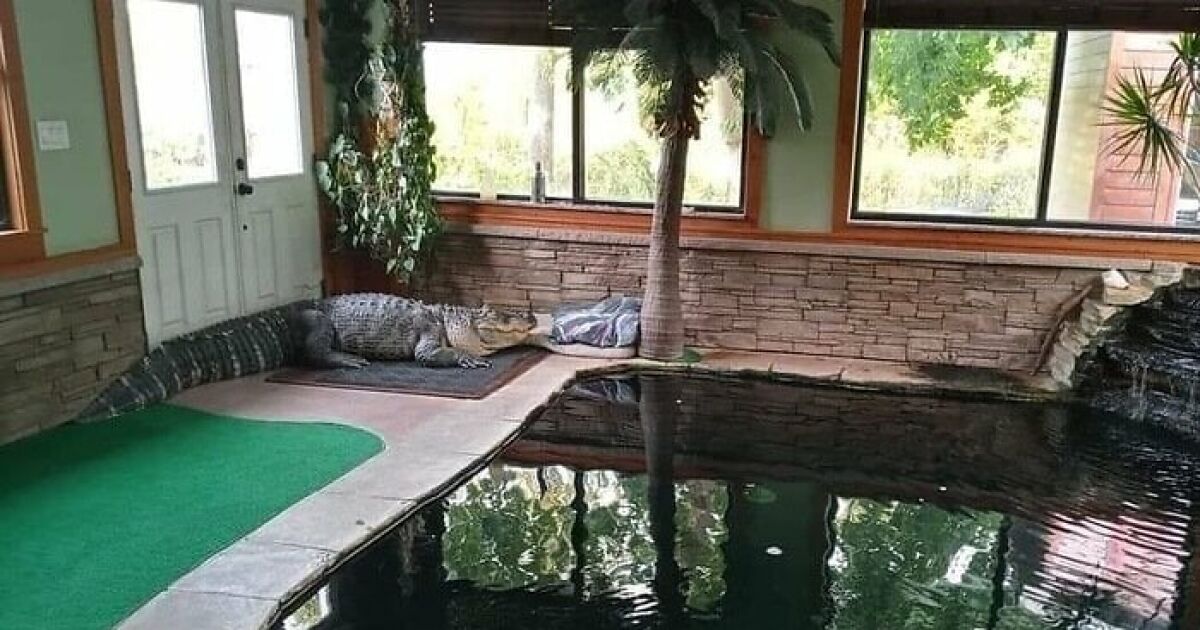
According to public reporting, Cavallaro said he acquired Albert in 1990 when the alligator was just a baby. Over the years, Albert grew into a massive reptile weighing hundreds of pounds. Cavallaro built a specialized area inside his home, complete with an in-ground pool, to house him. In the eyes of many neighbors and friends, that setup was not a creepy movie basement. It was Albert’s home.
Cavallaro described Albert as gentle, familiar, and deeply bonded to him. Supporters said the alligator had become something of a local legend. Photos, stories, and social media posts painted Albert as a “gentle giant,” though that phrase always carries extra weight when the giant has teeth designed by nature’s most serious engineering department.
State officials saw the situation differently. The New York State Department of Environmental Conservation said Cavallaro’s license to possess Albert had expired in 2021 and was not renewed. Officials also alleged that people had been allowed to enter the water and interact with the unsecured alligator. Even if everyone involved felt comfortable, regulators viewed that as a major red flag.
Why Was Albert Seized?
The seizure happened after state environmental conservation officers, with assistance from local authorities, removed Albert from the Hamburg home. Officials said the alligator had been kept illegally and that the facility did not meet required safety standards. They also cited health concerns, including blindness in both eyes and spinal complications.
Cavallaro disputed parts of the state’s version. He argued that he had tried to renew his permit, cared for Albert for decades, and never endangered anyone. He also said the seizure was traumatic and excessive. His supporters echoed that view, arguing that an animal raised in one environment for more than 30 years should not be abruptly taken away unless there is no other option.
The state’s position was rooted in a broader regulatory principle: dangerous animals are not ordinary pets. In New York, a dangerous animal license is intended for limited purposes such as scientific, educational, exhibition, zoological, or propagation uses. It does not simply allow a person to keep an alligator as a private pet because the animal has a cute name and a fan club.
The Petition to Bring Albert Home
After the seizure, an online petition titled around the goal of returning Albert to his owner began circulating. The petition argued that Cavallaro had cared for Albert responsibly and that the alligator should be allowed to return home. Supporters framed the case as a matter of fairness, loyalty, and compassion.
The petition gained rapid attention because the story had all the ingredients of viral internet drama: a beloved animal, a devastated owner, a government agency, neighbors with strong opinions, and an alligator large enough to make every headline writer sit up straight. “Man fights to get pet alligator back” is not exactly a sentence people scroll past quietly.
But beyond the novelty, the public response revealed something deeper. People were not only reacting to Albert’s size. They were reacting to the emotional bond between human and animal. For many readers, Cavallaro sounded less like a reckless collector and more like a person who had lost a family member. That emotional framing helped the petition travel far beyond Hamburg.
Public Sympathy vs. Public Safety
The Albert case became complicated because both sides raised concerns that many reasonable people can understand. On one side, Cavallaro had spent decades caring for the same animal. Sudden separation after 30-plus years is emotionally devastating. Long-term animal caregivers often build routines, trust, and a sense of responsibility that outsiders may underestimate.
On the other side, alligators are not domesticated animals. They are apex reptiles with instincts, jaw strength, and physical power that cannot be erased by familiarity. A dog may be trained to sit. An alligator may learn patterns, tolerate handling, or recognize food routines, but it remains a wild animal. The risk does not disappear because a human loves it.
That is why regulators focus not only on whether an animal has attacked someone before, but also on whether the conditions create a realistic chance of future harm. Public contact, insecure enclosures, expired permits, and animal health issues all matter. In exotic animal cases, the disaster people worry about is often the one that has not happened yet.
What Happened After the Seizure?
Albert was eventually relocated to care outside New York, reportedly in Texas. Cavallaro continued to fight for his return and later pursued legal action over the state’s refusal to renew the license. The case stretched on, becoming emotionally and financially draining.
In April 2026, the Associated Press reported that Cavallaro had ended his legal battle to reclaim Albert. He said the fight had consumed his life and that continuing would cost more money, more stress, and more time with no guarantee of success. For supporters who had followed the petition, that update added a bittersweet ending to a story that had started with hope and outrage.
Albert’s story, then, is not just a quirky animal-news item. It is a case study in how quickly private exotic animal ownership can collide with modern safety laws, veterinary concerns, insurance requirements, and public opinion.
Why Exotic Pet Laws Exist
Exotic pet laws are sometimes criticized as cold or bureaucratic. And yes, paperwork rarely has the emotional warmth of a beloved animal companion. Nobody frames a license renewal and hangs it on the wall next to family photos. Still, these laws exist because dangerous animals create risks that extend beyond the owner.
An escaped or mishandled alligator could harm a visitor, a neighbor, a first responder, or the animal itself. If a fire, flood, medical emergency, or structural failure occurs, emergency workers may suddenly face a situation no ordinary household should create. That is why agencies require secure enclosures, barriers, trained staff, insurance coverage, and strict limits on public contact.
In Albert’s case, the debate centered partly on whether Cavallaro’s long history with the alligator should have counted in his favor. Supporters said decades without a major incident proved responsible care. Regulators appeared to view the expired license, alleged public contact, and health concerns as evidence that intervention was necessary.
What Albert’s Case Says About Viral Pet Culture
The internet loves unusual animals. A cat wearing sunglasses may get a few thousand likes. An 11-foot alligator in a suburban home? That is digital rocket fuel. But viral attention can flatten complicated stories into slogans. “Bring Albert home” is emotionally powerful. “Evaluate dangerous animal licensing, enclosure standards, veterinary findings, and public-contact allegations” is accurate but would make a terrible bumper sticker.
That is the challenge with cases like this. Online petitions can amplify public concern, pressure agencies to explain decisions, and give ordinary people a voice. They can also encourage people to pick sides before all facts are known. In Albert’s case, the petition was important because it showed how much support Cavallaro had. But a petition alone cannot resolve animal welfare, legal, and safety questions.
Lessons for Animal Lovers
The first lesson is simple: love is not a license. Caring deeply for an animal does not automatically make a private home the right environment for that animal, especially when the animal is large, dangerous, or legally restricted. That does not mean the love is fake. It means love has to operate inside safety rules.
The second lesson is that paperwork matters. Permits, inspections, insurance, and enclosure standards may feel like red tape, but they are often the difference between legal possession and seizure. Anyone working with regulated animals must treat compliance as part of the animal’s care, not as a separate chore to handle someday after lunch.
The third lesson is that public interaction changes everything. Even when an owner trusts an animal, allowing visitors near a dangerous species creates legal and ethical risk. A single photo opportunity can become evidence of unsafe access. With exotic animals, the safest visitor experience is usually distance, barriers, and trained supervisionnot “hop in the pool and meet my reptile roommate.”
Experience-Based Reflections: What This Story Feels Like From the Human Side
Stories like Albert’s hit people hard because they are not only about laws. They are about attachment. Anyone who has cared for an animal for years understands how routines become emotional anchors. You learn feeding times, moods, favorite resting spots, and the tiny behaviors that outsiders miss. The animal becomes part of the architecture of daily life. When that bond is suddenly broken, it can feel like the house itself has gone quiet.
At the same time, many animal lovers have also seen how good intentions can drift into risky territory. A person may start with a small reptile, bird, or mammal and believe they can handle whatever comes next. Then the animal grows, laws change, veterinary needs become more complex, and the cost of proper care rises. What once felt manageable can become a situation where love, pride, and fear of losing the animal make it harder to ask for help.
The Albert case is a reminder to think long-term before forming bonds with animals that may outgrow a normal household. An alligator is not a dramatic version of a goldfish. It is a decades-long responsibility involving specialized care, secure housing, veterinary access, legal permission, and emergency planning. Even experienced keepers must be honest about what they can safely provide.
For readers, the most useful takeaway is not “never care deeply for unusual animals.” It is this: compassion should include realism. If an animal’s needs exceed what a private home can safely provide, the kindest answer may involve licensed sanctuaries, professional facilities, or strict barriers that protect both the animal and the public. That can be heartbreaking, but responsible care sometimes asks people to choose safety over sentiment.
There is also a lesson for authorities. Seizures involving beloved animals should be handled with transparency, clear communication, and as much dignity as possible. When people feel ignored or humiliated, they are more likely to distrust the process, even if the agency has legitimate concerns. Explaining the rules, the evidence, and the animal’s care plan can reduce confusion and public anger.
For communities, Albert’s story shows how quickly neighbors can become advocates. People who had met Albert or knew Cavallaro saw a personal story, not an abstract enforcement action. Their support helped push the issue into public view. That kind of community response can be powerful, but it works best when paired with a balanced understanding of animal welfare and safety law.
In the end, Albert’s story is sad, strange, and unforgettable. It is about a man who loved an alligator, an agency responsible for enforcing dangerous animal laws, and a public that tried to make sense of both. It asks us to hold two ideas at once: a bond can be real, and a risk can be real too.
Conclusion
The petition for Albert’s return captured national attention because it combined emotion, controversy, and one very large reptile. Tony Cavallaro’s plea resonated with people who saw Albert as a family member unfairly taken away. State officials, however, focused on expired licensing, alleged unsafe public contact, and animal health concerns.
Whether readers side with Cavallaro, the DEC, or land somewhere in the muddy middle, Albert’s case offers a serious reminder: exotic animal ownership is not just about affection. It is about law, safety, veterinary care, emergency planning, and the animal’s long-term welfare. A beloved alligator may make a fascinating headline, but behind that headline is a difficult question every animal lover should respect: what does responsible care truly require?