Swimming is great for your body, your mood, and your summer personality. Your hair, however, may not be writing thank-you notes to the pool. If you have ever climbed out of the water feeling like a graceful dolphin, only to discover your hair has the texture of a forgotten broom, chlorine is probably involved.
Chlorine helps keep pool water sanitary, which is very good news for everyone sharing that pool. The downside is that chlorinated water can strip away the natural oils that keep hair soft, shiny, and flexible. Over time, it may leave strands feeling dry, rough, tangled, brittle, or dull. If your hair is blonde, gray, highlighted, color-treated, curly, or already dry, you may notice the effects even faster.
The good news: you do not need to shave your head, swear off swimming, or wear a hat that says “chlorine survivor.” You just need a smart after-swim routine. Below are three practical, hair-friendly ways to get chlorine out of your hair, restore moisture, and prevent that crispy pool-hair feeling from becoming your new signature look.
Why Chlorine Sticks Around in Hair
Hair is porous, especially when it is dry, chemically treated, sun-exposed, bleached, or heat-styled. When you jump into a pool with dry hair, your strands can absorb pool water like a sponge. That water may contain chlorine, chloramines, minerals, and metals. Once those residues cling to the hair shaft, your hair may feel coated, straw-like, or stubbornly tangled even after a quick rinse.
It is also worth clearing up one famous pool myth: chlorine itself is not usually the real reason blonde hair turns green. The green tint is more often linked to copper and other oxidized metals in pool water that bind to porous hair. Chlorine can play a supporting role by oxidizing those metals, but copper is usually the dramatic villain wearing the cape.
So, when people say they want to “remove chlorine from hair,” they often mean they want to remove pool residue in general: chlorine odor, mineral buildup, dryness, roughness, and sometimes greenish discoloration. The best routine handles all of that without punishing your hair further.
Way 1: Rinse Immediately, Then Wash With a Swimmer’s Shampoo
The fast rinse matters more than you think
The simplest way to get chlorine out of your hair is also the easiest to skip: rinse your hair immediately after swimming. Not “when you get home.” Not “after snacks.” Not “after you lie on a towel and contemplate becoming a pool chair permanently.” Right away.
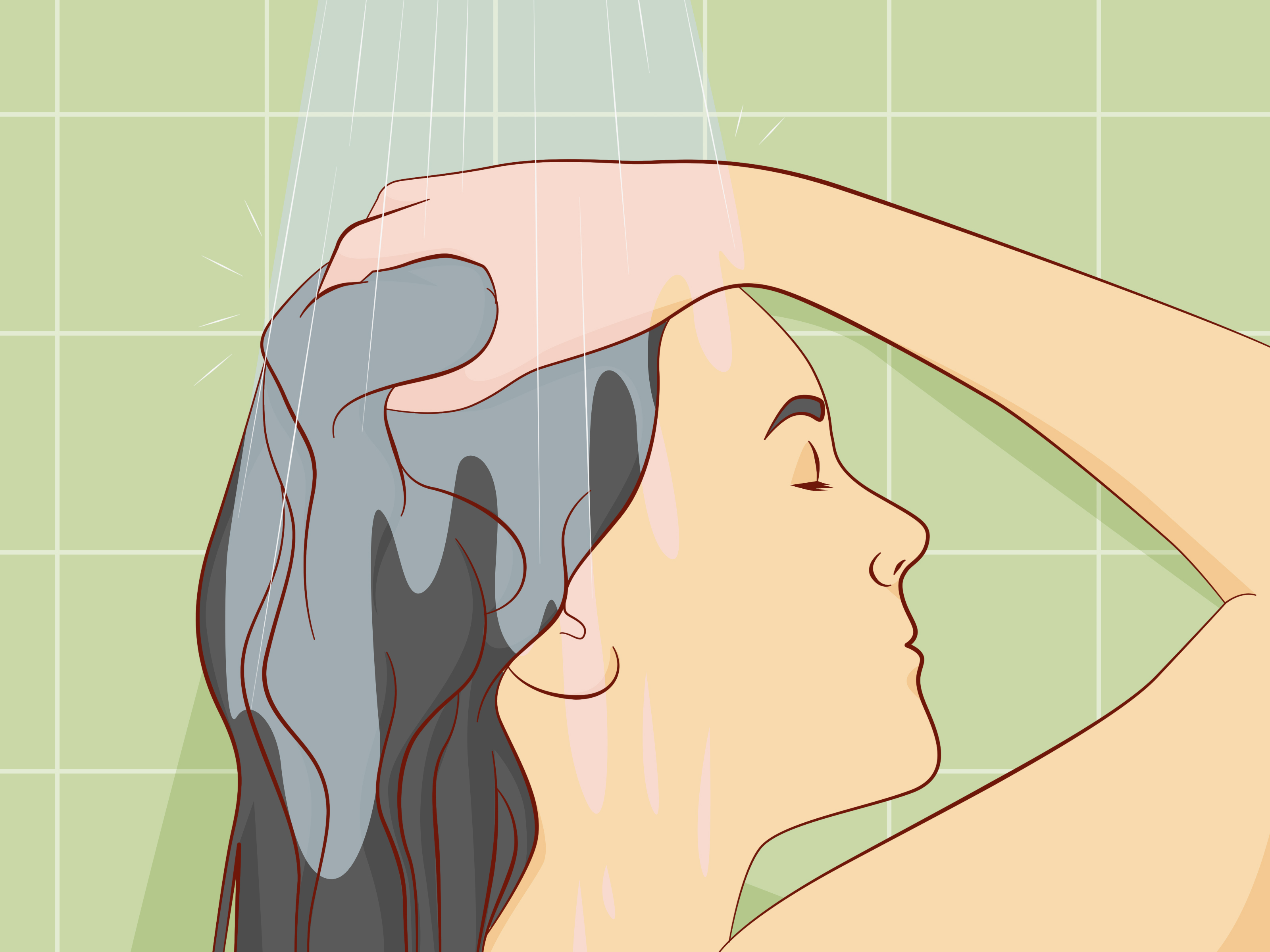
A thorough rinse with fresh water helps remove chlorinated pool water before it dries into your hair. Once chlorine and mineral residue dry on the strands, your hair may feel stiffer and harder to detangle. A quick rinse is helpful, but a slow, deliberate rinse is better. Let clean water run through your scalp and hair for several minutes. Use your fingers to gently separate the strands so the water reaches the inner layers, especially if you have thick, curly, coily, or long hair.
Use a shampoo made for swimmers
After rinsing, wash with a swimmer’s shampoo or chlorine-removing shampoo. These formulas are designed to lift pool residue more effectively than a basic daily shampoo. Some are clarifying, some are chelating, and some combine cleansing agents with ingredients that help reduce the chlorine smell.
If you swim only once in a while, using a swimmer’s shampoo after pool days may be enough. If you swim several times a week, you may want to alternate between a gentle moisturizing shampoo and a swimmer’s shampoo so you do not over-cleanse your hair. The goal is clean hair, not hair so squeaky it sounds like a windshield wiper.
How to do it correctly
Start by rinsing with lukewarm water. Avoid very hot water because heat can make already-dry hair feel rougher. Apply shampoo mainly to your scalp and roots, then gently work the lather down the lengths. Do not pile all your hair on top of your head and scrub like you are washing a cast-iron skillet. That creates tangles and friction.
Let the shampoo sit for a short time only if the product directions say to do so. Then rinse thoroughly. If your hair still smells strongly like chlorine or feels coated, repeat only if your hair can tolerate it. Fine or fragile hair may prefer one careful wash followed by a rich conditioner.
Best for
This method works well for regular swimmers, kids in swim lessons, lap swimmers, lifeguards, and anyone whose hair smells like a hotel pool long after leaving the water. It is also a smart first step for people with color-treated hair, because removing chlorine promptly may help reduce dryness and fading.
Way 2: Use a Vitamin C Rinse or Gentle DIY Chlorine Neutralizer
Why vitamin C is popular with swimmers
Vitamin C, also known as ascorbic acid, is commonly used in after-swim sprays and DIY chlorine-removing rinses because it can help neutralize chlorine. Many swimmers like it because it is simple, inexpensive, and easy to use after leaving the pool.
This does not mean you should dump a jar of orange juice on your head and call it a spa treatment. Citrus juice can be sticky, acidic, and unpredictable, especially on sensitive scalps or color-treated hair. A measured vitamin C rinse is cleaner, more controlled, and far less likely to make you smell like breakfast.
How to make a basic vitamin C hair rinse
For a simple rinse, dissolve a small amount of vitamin C powder in clean water. Many swimmers use ascorbic acid powder or sodium ascorbate powder. Sodium ascorbate is often considered gentler because it is less acidic. Pour or spray the mixture onto wet hair after swimming, let it sit briefly, then rinse very well and follow with conditioner.
Because hair types vary, start mild. A strong mixture is not automatically better. If your scalp stings, your hair feels rough, or your color looks affected, stop using it and switch to a swimmer’s shampoo or ask a stylist for advice. This is especially important for bleached, vivid-colored, relaxed, permed, or very dry hair.
When to choose a store-bought after-swim spray
If you do not want to play bathroom chemist, buy a chlorine-neutralizing after-swim spray. These products are often formulated with vitamin C or similar chlorine-neutralizing ingredients and are designed for hair and skin. They are convenient for gym bags, swim teams, travel, and parents who are already carrying goggles, towels, snacks, sunscreen, water bottles, and the emotional weight of locating one missing flip-flop.
Use the spray according to the label. In most cases, you apply it after swimming, massage it through the hair, rinse, then shampoo or condition as needed. Some swimmers use it before shampooing to reduce chlorine odor and make the wash more effective.
Be careful with harsh home remedies
You may hear about baking soda, vinegar, lemon juice, tomato juice, or other kitchen fixes for chlorine hair. Some people swear by them, especially for greenish tones. However, these remedies can be drying, acidic, alkaline, messy, or irritating. Baking soda, for example, has a high pH and may make hair feel rough if used too often. Lemon juice can increase dryness and may interact badly with sun exposure.
If you want to try a DIY method, keep it occasional, gentle, and brief. Always rinse thoroughly and condition afterward. When in doubt, choose a swimmer’s shampoo, chelating treatment, or professional salon solution instead of turning your head into a science fair volcano.
Best for
A vitamin C rinse is useful for people who want to reduce chlorine odor quickly, swimmers who shower at the pool, and families who want an easy post-swim step before shampoo and conditioner. It can also help when hair feels coated but not severely damaged.
Way 3: Deep Condition and Repair the Moisture Barrier
Removing chlorine is only half the job
Getting chlorine out of your hair is important, but your hair also needs moisture after swimming. Chlorine can leave hair feeling dry because it strips away oils that normally help protect the hair shaft. If you wash out chlorine but skip conditioner, your hair may still feel like it has been personally offended.
After any chlorine-removing method, use conditioner. Apply it from mid-lengths to ends, where hair is usually driest. Let it sit long enough to soften the strands, then rinse with cool or lukewarm water. If your hair is thick, curly, coily, bleached, highlighted, or long, consider a deep conditioner or hair mask once a week during swim season.
Choose the right conditioner for chlorine-damaged hair
Look for moisturizing ingredients such as glycerin, aloe, panthenol, shea butter, lightweight oils, or conditioning agents that help smooth the cuticle. If your hair is very fine, choose a lightweight conditioner so your hair does not collapse into a sad little curtain. If your hair is coarse, curly, or high-porosity, richer masks may work better.
Protein treatments can help some damaged hair, but too much protein may make hair feel stiff. If your hair feels mushy, weak, or stretchy when wet, a protein treatment may help. If it feels dry, hard, and brittle, moisture should usually come first. When you are unsure, ask a stylist who understands your hair type.
Do not forget leave-in conditioner
A leave-in conditioner can help detangle, reduce frizz, and soften the rough feeling chlorine leaves behind. Apply it to damp hair after washing and conditioning. Use a wide-tooth comb or your fingers to gently detangle, starting at the ends and working upward. This reduces breakage and prevents the classic post-pool battle between brush and hair, a battle no one truly wins.
For outdoor swimmers, a leave-in product with UV protection may be helpful. Sun exposure can make chlorine-related dryness worse, especially on color-treated or highlighted hair. Think of it as sunscreen’s quieter cousin: not as famous, but still trying to save the day.
Best for
Deep conditioning is essential for swimmers with dry, curly, textured, bleached, color-treated, gray, or long hair. It is also the step that makes the biggest difference in how your hair feels after chlorine removal. Clean hair is nice. Clean, soft, touchable hair is better.
How to Prevent Chlorine Buildup Before You Swim
The best way to get chlorine out of your hair is to let less chlorine in. Before swimming, wet your hair thoroughly with clean water. Hair that is already saturated with fresh water absorbs less chlorinated pool water. This one tiny step can make a surprising difference.
Next, consider applying a leave-in conditioner, swim cream, or lightweight oil to create a barrier. You do not need to grease your hair like a frying pan. A small amount through the lengths and ends is enough. If you are swimming laps, wearing a swim cap offers even better protection. It may not keep every drop of water out, but it reduces exposure and helps keep hair contained.
If your hair is blonde, silver, highlighted, or porous, prevention matters even more. These hair types are more likely to show discoloration from copper or mineral deposits. Rinsing before swimming, wearing a cap, and washing promptly afterward can help reduce the risk of greenish tones.
Common Mistakes That Make Chlorine Hair Worse
Waiting too long to wash
Letting pool water dry into your hair is one of the biggest mistakes. The longer chlorine and minerals sit, the drier and more coated your hair may feel. Even if you cannot do a full shampoo right away, rinse thoroughly as soon as possible.
Using hot water every time
Hot showers feel wonderful after a swim, but very hot water can worsen dryness. Use lukewarm water for washing and finish with a cooler rinse if your hair tolerates it.
Overusing clarifying shampoo
Clarifying shampoos can remove buildup, but using them too often may strip natural oils. If your hair starts feeling rough, squeaky, or frizzy after every wash, reduce the frequency and add more conditioning.
Skipping conditioner
This is the pool-hair equivalent of leaving the house with one shoe. Conditioner helps restore softness, reduce tangles, and improve manageability after cleansing.
Brushing wet hair aggressively
Wet hair is more fragile. Use a wide-tooth comb, detangling brush, or fingers. Start at the ends, work slowly, and treat knots like negotiations, not enemies.
What About Green Hair From the Pool?
If your hair turns green after swimming, chlorine may not be the main culprit. Copper and other metals in pool water often cause the green tint, especially on light, bleached, gray, or porous hair. A chelating shampoo or swimmer’s treatment designed to remove mineral deposits is usually more effective than regular shampoo.
If the tint is mild, a swimmer’s shampoo and deep conditioner may help after a few washes. If the green tone is strong, do not panic and do not immediately bleach your hair. Bleach can make damage worse. A professional stylist can use a chelating treatment or color-correction method that is safer for your hair.
of Real-Life Experience: What Pool Hair Actually Teaches You
Anyone who swims regularly learns that pool hair has a personality. It is not subtle. It arrives with crunch, tangles, mystery stiffness, and that unmistakable chlorine smell that follows you around like a tiny aquatic ghost. The first time many people notice it, they assume regular shampoo will fix everything. Sometimes it does. Other times, the hair dries into a shape best described as “pool noodle with ambitions.”
The biggest lesson from real swimming routines is that timing matters. The people with the best post-pool hair are usually not doing anything wildly expensive or complicated. They simply rinse right away. They do not sit around for two hours letting chlorine dry into their hair while they eat fries in the sun. They rinse, they shampoo when needed, and they condition like responsible adults who have seen what happens when they do not.
Another experience-based truth: different hair types react differently. Fine hair may feel limp and coated after chlorine exposure. Curly hair may shrink, frizz, and tangle. Bleached hair may feel rough almost immediately. Gray or silver hair may pick up dullness or discoloration. Kids’ hair can become knotty very fast because children swim like joyful tornadoes and then resist brushing as if it were a legal punishment.
A practical routine makes swimming easier. Keep a small swim bag with a travel-size swimmer’s shampoo, conditioner, wide-tooth comb, microfiber towel, and leave-in conditioner. If you swim after work or school, this little kit saves you from the “I’ll deal with it later” trap. Later usually means dry hair, more tangles, and regret.
Vitamin C rinses can also be helpful, especially for people who hate that lingering chlorine odor. Many swimmers like using a spray bottle because it is quick and less messy. Still, it is not magic glitter. You need to rinse well and condition afterward. The vitamin C step may help neutralize chlorine, but conditioner is what helps your hair feel human again.
The final lesson is prevention. Wetting your hair before swimming feels too simple to matter, but it does. Hair that is already full of clean water has less room to absorb pool water. Add a swim cap, and you have a much stronger defense. Add conditioner afterward, and suddenly your hair is not acting like it survived a desert hike.
In short, getting chlorine out of your hair is not about one miracle product. It is about a rhythm: wet before swimming, rinse after swimming, cleanse wisely, and restore moisture. Once that rhythm becomes habit, you can enjoy the pool without accepting crunchy hair as the admission fee.
Conclusion
Chlorine is useful in the pool, but it does not belong in your hair longer than necessary. To get chlorine out of your hair, start with a fast fresh-water rinse, then use a swimmer’s shampoo when needed. For stubborn chlorine odor, try a gentle vitamin C rinse or after-swim spray. Finally, always follow with conditioner or a deep-conditioning treatment to restore softness and reduce breakage.
The best routine is simple: protect your hair before swimming, rinse immediately afterward, remove residue with the right cleanser, and replenish moisture. Do that consistently, and your hair can survive pool season without turning into straw, rope, or a science experiment with bangs.
Note: This article is for general hair-care education. If you have scalp irritation, severe breakage, chemical damage, or persistent discoloration, consult a licensed dermatologist or professional hairstylist before trying strong treatments.