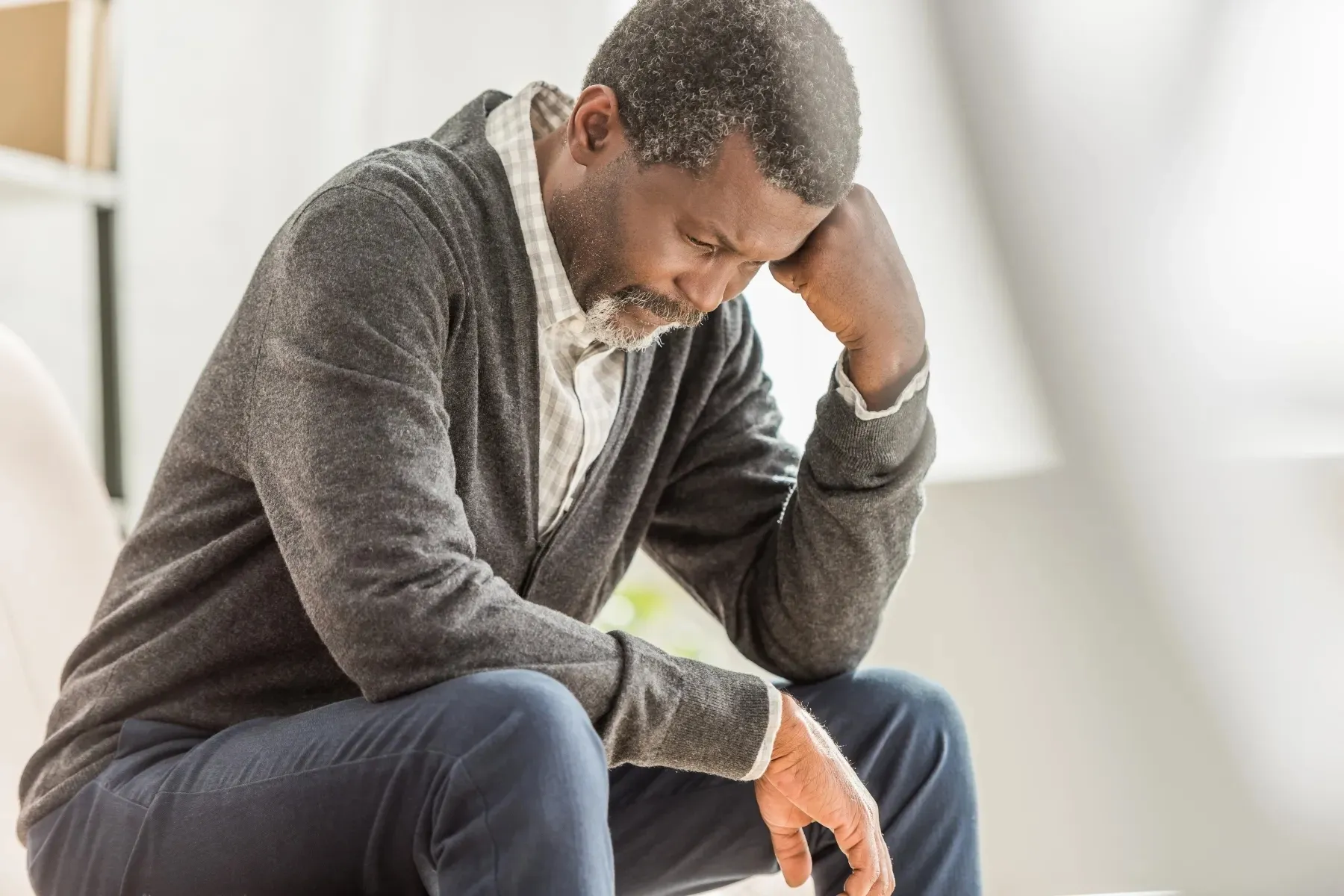
Prostate cancer fatigue is not ordinary “I stayed up too late watching one more episode” tiredness. It can feel more like someone quietly replaced your fully charged battery with one that reaches 12% before breakfast. Rest may help a little, but it often does not restore normal energy, concentration, motivation, or physical strength.
This type of exhaustion may develop because of prostate cancer itself, but it is especially common during treatments such as androgen deprivation therapy, radiation therapy, chemotherapy, surgery, and newer systemic therapies. It may begin gradually, fluctuate from day to day, or continue for months after treatment ends.
The good news is that fatigue should not be dismissed as an unavoidable price of cancer treatment. Doctors can investigate contributing causes, treat correctable problems, and recommend practical strategies that help many patients regain strength and control over their daily lives.
What Does Prostate Cancer Fatigue Feel Like?
Cancer-related fatigue is a persistent sense of physical, emotional, or mental exhaustion connected to cancer or its treatment. It is often out of proportion to recent activity and can interfere with normal functioning.
A person may sleep eight hours and still wake up feeling as though the night accomplished absolutely nothing. Others can manage basic activities in the morning but “hit a wall” by early afternoon. Common descriptions include:
- Heavy or weak arms and legs
- Difficulty starting or completing routine tasks
- Slower thinking, poor concentration, or forgetfulness
- Reduced interest in hobbies, exercise, work, or social activities
- Feeling emotionally drained or unusually irritable
- Needing much longer to recover after minor physical effort
- Feeling tired despite adequate rest or sleep
Normal Tiredness Versus Cancer-Related Fatigue
| Normal Tiredness | Prostate Cancer Fatigue |
|---|---|
| Usually follows a busy day, poor sleep, or strenuous activity | May occur without significant activity |
| Often improves after sleep or a day of rest | May remain after sleeping or resting |
| Has a predictable cause | Often has several overlapping causes |
| Usually causes limited disruption | Can affect work, self-care, relationships, memory, and mood |
Why Does Prostate Cancer Cause Fatigue?
Prostate cancer fatigue rarely has one convenient cause wearing a name tag. It is more often created by several factors working together: the disease, treatment, sleep disruption, emotional stress, reduced activity, nutritional problems, anemia, and other medical conditions.
The Cancer Itself
Advanced prostate cancer can alter the way the body uses energy and may trigger inflammatory responses that contribute to weakness and exhaustion. Cancer that has spread to the bones may also cause chronic pain, limited mobility, disturbed sleep, or changes in blood-cell production.
Fatigue alone does not prove that prostate cancer is growing or spreading. However, a significant unexplained change in energy should be discussed with a physician, particularly when it appears with weight loss, worsening pain, reduced appetite, urinary changes, or other new symptoms.
Androgen Deprivation Therapy Fatigue
Androgen deprivation therapy, commonly called ADT or hormone therapy, lowers testosterone or blocks its effects. Because many prostate cancer cells depend on androgen signals, ADT can slow cancer growth. Unfortunately, testosterone also helps support muscle mass, bone strength, mood, sexual function, and overall vitality.
As testosterone levels fall, patients may experience fatigue, loss of muscle, increased body fat, hot flashes, night sweats, mood changes, anemia, and reduced motivation. Hot flashes and repeated nighttime awakenings can create a frustrating cycle: poor sleep causes fatigue, fatigue reduces activity, and inactivity causes further loss of strength.
Newer androgen-receptor pathway drugs can also contribute to tiredness. Some may cause dizziness, balance difficulties, cognitive changes, or an increased risk of falls. Medication-specific symptoms should always be reviewed with the prescribing clinician rather than accepted with a heroic but unnecessary shrug.
Radiation Therapy Fatigue
Fatigue from prostate radiation often develops gradually. A patient may feel reasonably normal during the first treatments and notice increasing tiredness after several weeks. Daily travel, preparation, stress, urinary frequency, bowel symptoms, and the body’s response to radiation can all add to the energy drain.
Radiation-related fatigue may continue for several weeks or months after treatment. Recovery is rarely a perfect straight line. Better days and unexpectedly sluggish days can alternate as the body heals.
Surgery and Recovery
Radical prostatectomy is major surgery, even when performed with minimally invasive or robotic techniques. Anesthesia, blood loss, pain, disrupted sleep, reduced appetite, emotional strain, and temporary inactivity can produce significant postoperative fatigue.
Many patients underestimate how much energy the body uses for healing. Feeling tired during recovery does not mean someone is lazy or failing. It means the body has temporarily reassigned a large part of its budget to repairs.
Chemotherapy and Other Systemic Treatments
Chemotherapy can damage rapidly dividing cells in bone marrow, lowering red blood cells and causing anemia. Fewer red blood cells mean less oxygen is delivered to the body’s tissues, which can lead to weakness, dizziness, shortness of breath, or a racing heartbeat.
Chemotherapy may also cause infection, appetite loss, nausea, dehydration, pain, neuropathy, and sleep disturbance. Immunotherapy, radiopharmaceutical therapy, targeted treatments, steroids, and pain medicines may have their own effects on energy.
Other Conditions That Can Make Fatigue Worse
Not every tired day should be blamed on prostate cancer. Treatable conditions can hide underneath the same symptom, including:
- Anemia or bleeding
- Infection
- Dehydration or electrolyte imbalance
- Thyroid disorders
- Diabetes or unstable blood sugar
- Heart or lung disease
- Sleep apnea
- Depression or anxiety
- Uncontrolled pain
- Poor nutrition or unintended weight loss
- Frequent nighttime urination
- Medication side effects or interactions
- Loss of muscle caused by prolonged inactivity
This is why telling the treatment team about fatigue matters. A simple “I’m tired” may sound vague, but it can lead to a useful review of symptoms, medications, sleep, diet, mood, and laboratory results.
How Doctors Evaluate Prostate Cancer Fatigue
An oncology team may ask when the fatigue started, whether it is worsening, what time of day it peaks, and how much it interferes with normal activities. Patients may be asked to rate fatigue from zero to 10, with zero meaning no fatigue and 10 meaning the worst imaginable exhaustion.
Keep a Simple Fatigue Diary
For one or two weeks, record:
- Fatigue level in the morning, afternoon, and evening
- Sleep duration and nighttime awakenings
- Exercise or physical activity
- Meals and fluid intake
- Pain, hot flashes, anxiety, or low mood
- Medication and treatment days
- Activities that improve or worsen symptoms
A diary can reveal patterns that memory misses. It may show, for example, that energy falls two days after chemotherapy, improves after short walks, or worsens following nights interrupted by hot flashes and bathroom trips.
Possible Medical Tests
Depending on symptoms and treatment history, a clinician may order a complete blood count to look for anemia or infection. Additional tests may assess kidney function, liver function, electrolytes, thyroid levels, blood sugar, nutritional deficiencies, or other suspected problems.
PSA testing or imaging may be considered when there are concerns about the cancer, but fatigue alone cannot determine whether treatment is working. The evaluation should be based on the entire clinical picture.
How to Manage Prostate Cancer Fatigue
1. Use Exercise as Medicine, Not Punishment
Exercise may sound like an absurd suggestion when walking to the kitchen already feels like an expedition. Nevertheless, appropriately prescribed physical activity is one of the best-supported approaches for cancer-related fatigue.
Movement helps preserve muscle, improve circulation, support sleep, protect bone health, and reduce the physical decline associated with ADT. A practical starting point might be a five-minute walk once or twice a day. When that becomes manageable, add a minute or two rather than immediately attempting an Olympic comeback.
Resistance exercise is especially useful for people receiving hormone therapy because it helps counter muscle loss. Light weights, resistance bands, sit-to-stand exercises, and supervised strength training may be appropriate.
Exercise plans must be individualized. Patients with bone metastases, severe anemia, balance problems, neuropathy, heart disease, recent surgery, fever, or a high fall risk should obtain medical clearance. An oncology physical therapist or cancer exercise specialist can design a safer program.
2. Practice the Five Ps of Energy Conservation
- Prioritize: Decide which activities genuinely need to happen today.
- Plan: Schedule demanding tasks during your best energy period.
- Pace: Take planned breaks before exhaustion becomes overwhelming.
- Position: Sit while showering, preparing food, or completing other tasks when practical.
- Permission: Allow family members, friends, or caregivers to help.
Energy conservation is not surrender. It is budgeting. Spending all available energy before noon may leave nothing for eating dinner, exercising, or enjoying time with family.
3. Rest Strategically
Long periods in bed can weaken muscles and sometimes make fatigue worse. Short naps of approximately 20 to 30 minutes may be more helpful than sleeping for several hours during the day. Earlier naps are less likely to interfere with nighttime sleep.
On difficult days, rest is appropriate. The goal is not to eliminate rest but to balance recovery with enough safe movement to prevent deconditioning.
4. Improve Sleep Quality
Try to maintain consistent sleep and wake times, limit late caffeine, reduce evening screen exposure, and reserve the bed for sleep when possible. Discuss hot flashes, night sweats, pain, anxiety, and nocturia with the care team because each may be treatable.
Loud snoring, gasping during sleep, morning headaches, or severe daytime sleepiness may suggest sleep apnea. This condition deserves evaluation rather than another oversized mug of coffee.
5. Support the Body With Food and Fluids
Fatigue can reduce appetite, and inadequate nutrition can then worsen fatigue. Aim for regular meals containing protein, whole grains or other quality carbohydrates, fruits, vegetables, and healthy fats. Smaller meals or snacks may be easier when appetite is low.
Protein supports muscle maintenance, particularly during ADT and recovery from surgery. Helpful options may include eggs, poultry, fish, yogurt, beans, lentils, tofu, and nut butters, depending on personal preferences and medical restrictions.
Drink fluids regularly unless a clinician has prescribed a fluid limit. Dark urine, dry mouth, dizziness, and infrequent urination can be signs of dehydration. A registered oncology dietitian can help with weight loss, nausea, altered taste, swallowing difficulty, or treatment-specific dietary needs.
6. Treat Pain, Stress, and Mood Symptoms
Pain consumes energy and interrupts sleep. Depression and anxiety can also intensify physical exhaustion, while fatigue can worsen mood in return. Counseling, cognitive behavioral therapy, support groups, relaxation techniques, mindfulness, and appropriate medication may all play a role.
Emotional support does not imply that fatigue is imaginary. It recognizes that physical and psychological symptoms share the same human nervous system and frequently travel together.
7. Be Careful With Supplements and Testosterone
There is no universal supplement proven to eliminate prostate cancer fatigue. Iron should not be taken unless a deficiency has been identified because not all anemia is caused by low iron. Herbal products may interact with cancer drugs, blood thinners, or other medications.
Testosterone must never be started as a do-it-yourself energy treatment. Many prostate cancers are sensitive to androgen signaling, and patients receiving ADT are intentionally lowering testosterone. Any hormonal treatment requires guidance from specialists who understand the individual cancer history.
8. Ask About Rehabilitation or Palliative Care
Cancer rehabilitation can address weakness, balance, mobility, pain, and difficulty returning to work or normal activities. Palliative care is also appropriate at any cancer stage and can help manage fatigue, pain, sleep problems, appetite changes, and emotional stress. It is not limited to end-of-life care.
When Is Fatigue an Emergency?
Contact the oncology team promptly when fatigue is rapidly worsening, prevents basic self-care, or is accompanied by new symptoms. Seek urgent medical attention for:
- Chest pain or significant difficulty breathing
- Fainting, confusion, or sudden severe weakness
- Fever or chills during chemotherapy or other immune-suppressing treatment
- A fast or irregular heartbeat with dizziness
- Uncontrolled bleeding, black stools, or vomiting blood
- Inability to drink or signs of severe dehydration
- New severe back pain with leg weakness, numbness, or loss of bladder or bowel control
- Thoughts of self-harm or an inability to remain safe
Severe back pain combined with neurological symptoms can indicate pressure on the spinal cord, particularly in someone with cancer that has spread to the bones. This requires emergency assessment.
A Realistic Experience of Living With Prostate Cancer Fatigue
Consider a composite example based on experiences commonly reported during prostate cancer treatment. “Michael” is not a specific patient but represents patterns many patients and caregivers recognize.
Before treatment, Michael rarely thought about energy. He worked, handled household repairs, walked the dog, and considered a Sunday afternoon nap an optional luxury. Several weeks after beginning ADT and radiation, his days started changing. He still woke at the usual time, but getting dressed felt strangely complicated. By midmorning, his legs felt heavy, his thoughts moved more slowly, and he needed to sit after carrying groceries from the car.
At first, Michael treated fatigue as a character test. He pushed through chores on good days and spent the next day flattened on the couch. He became frustrated when sleep did not solve the problem. Family members offered help, but he sometimes heard their kindness as evidence that he was becoming dependent. Fatigue was not only draining his muscles; it was negotiating with his identity.
His nights were not helping. Hot flashes woke him, and urinary urgency sent him to the bathroom several times. He began drinking less water to reduce nighttime trips, which left him mildly dehydrated during the day. Because he was too tired to cook, lunch increasingly became crackers, coffee, or whatever required the fewest decisions.
During a follow-up visit, Michael finally described the problem instead of answering “fine” automatically. His clinician reviewed his medications, ordered blood tests, discussed sleep, and referred him to an oncology physical therapist. His results showed mild anemia but no emergency. More importantly, he learned that fatigue was a recognized treatment effect rather than a private failure.
The physical therapist did not hand him a heroic workout plan. Michael began with two five-minute walks and simple sit-to-stand exercises. On radiation days, he walked after returning home and rested afterward. He used a chair while showering, placed frequently used items at waist height, and stopped scheduling every task for the same morning.
He also adopted an energy budget. One major task, one health task, and one enjoyable task became enough for a successful day. The health task might be a walk or medical appointment. The enjoyable task might be calling a friend, working briefly in the garden, or watching a baseball game without simultaneously feeling guilty about the laundry.
Progress was uneven. Some mornings he walked 20 minutes and felt encouraged. Other days, walking to the mailbox was the entire event. Rather than viewing the bad days as proof that nothing worked, he began looking at weekly patterns. Over several weeks, he noticed that he recovered faster after activity, relied less on daytime naps, and felt steadier on stairs.
His partner’s experience changed too. Instead of repeatedly asking, “Are you still tired?” she asked, “What is worth using your energy on today?” That small change made fatigue feel like a shared practical problem rather than a daily interrogation.
Michael did not return instantly to his pretreatment energy level. Hormone therapy continued, and some fatigue remained. However, the exhaustion became more manageable once medical causes were evaluated and daily habits were adjusted. He stopped waiting to feel energetic before moving and stopped assuming that movement required a full workout. Five useful minutes counted. Asking for help counted. Resting before a crash counted.
The central lesson from experiences like Michael’s is that recovery is often built from small, repeatable decisions rather than dramatic breakthroughs. A patient may not control every treatment side effect, but tracking symptoms, reporting changes, preserving muscle, improving sleep, eating consistently, and accepting support can gradually create more usable energy.
Conclusion: Fatigue Deserves Treatment, Too
Prostate cancer fatigue is common, complex, and sometimes persistent, but it should never be brushed aside. The cause may include prostate cancer, ADT, radiation, surgery, chemotherapy, anemia, poor sleep, pain, emotional distress, inactivity, or several factors operating at once.
Management begins with an honest conversation with the healthcare team. Correctable medical problems should be treated, while safe exercise, strength training, strategic rest, better sleep, adequate nutrition, energy conservation, and emotional support can help restore function.
Recovery may arrive in inches rather than miles. A short walk, a completed meal, a better night’s sleep, or enough energy to enjoy an afternoon with family can all represent meaningful progress. Fatigue may be part of the prostate cancer journey, but it does not have to drive the entire vehicle.