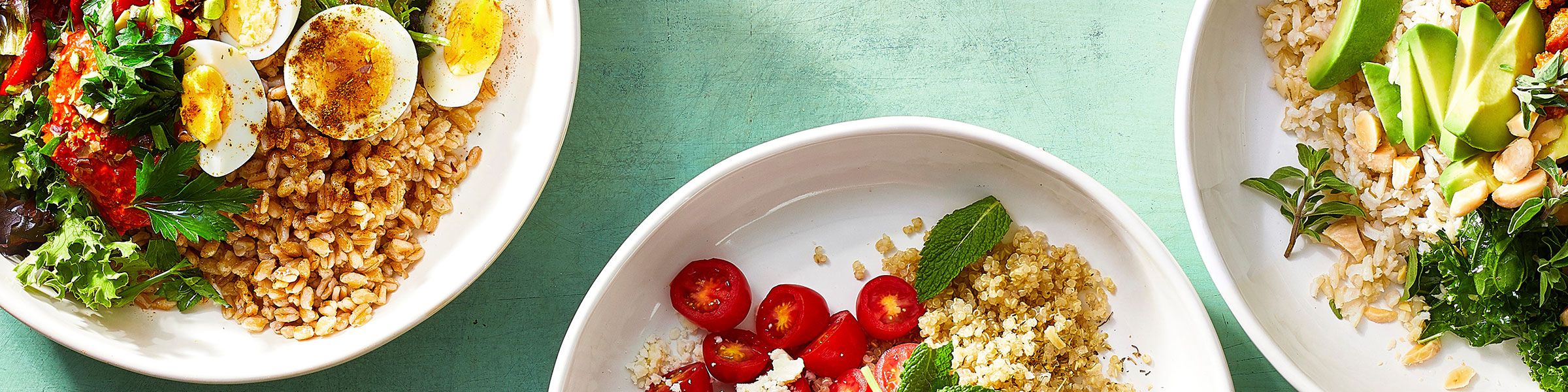
Rice and grain recipes are the quiet superheroes of the kitchen: affordable, flexible, filling, and always ready to rescue dinner when the fridge looks like it has entered witness protection. From fluffy white rice and nutty brown rice to quinoa bowls, farro salads, barley soups, and wild rice pilaf, grains can become breakfast, lunch, dinner, meal prep, comfort food, or the “I forgot to grocery shop” miracle you proudly call rustic cooking.
The best part? Rice and grains do not require fancy equipment or a culinary degree. They simply need the right liquid ratio, a little patience, and the emotional strength not to lift the lid every 45 seconds. This guide explores practical cooking methods, flavor ideas, easy recipes, storage tips, and real kitchen experiences that make grains taste less like “healthy homework” and more like something you actually want to eat.
Why Rice & Grain Recipes Belong in Every Kitchen
Rice and grains are pantry essentials because they work with almost every cuisine. A pot of jasmine rice can support a quick stir-fry, brown rice can anchor a veggie bowl, oats can become breakfast, barley can thicken soup, and quinoa can turn leftover vegetables into a lunch that looks suspiciously planned.
Whole grains also bring texture and substance. Brown rice has a chewy bite, farro tastes pleasantly nutty, barley adds creamy comfort, and wild rice brings an earthy flavor that makes even a simple side dish feel restaurant-adjacent. Refined grains, such as white rice, can still be useful too, especially when you want a soft, neutral base for saucy foods.
A smart grain routine is not about choosing one “perfect” grain forever. It is about using the right grain for the right dish. Long-grain rice shines when you want separate, fluffy grains. Short-grain rice is better for sticky bowls, sushi-style dishes, rice pudding, and creamy comfort recipes. Sturdy grains like farro and barley are excellent for soups, salads, and make-ahead meals because they hold their texture like tiny edible overachievers.
Essential Rice & Grain Cooking Tips
1. Match the grain to the recipe
Before cooking, ask one simple question: do you want fluffy, creamy, chewy, or sticky? Long-grain rice, such as basmati or jasmine, is ideal for fluffy sides and pilafs. Medium- and short-grain rice works better when a dish needs cling, such as rice balls, rice pudding, and creamy casseroles. Quinoa is quick and light. Farro is chewy and hearty. Barley is excellent when you want a soup to feel like it brought a blanket.
2. Rinse when texture matters
Rinsing rice can remove surface starch, which helps many rice dishes cook up lighter and less gummy. This is especially helpful for jasmine rice, basmati rice, and sushi rice when clean texture matters. However, rinsing enriched white rice may wash away some added nutrients, so consider the recipe and the type of rice before automatically rinsing.
3. Use the right amount of liquid
Absorption cooking is the classic method: grain plus measured liquid, simmered until the liquid disappears. For many white rice varieties, a common starting point is about 1 cup rice to 1 1/2 to 2 cups water. Brown rice usually needs more liquid and more time. Quinoa often cooks well with about 2 cups liquid for every 1 cup quinoa. Farro and barley may be cooked either by absorption or pasta-style in plenty of water and drained.
4. Rest before fluffing
After cooking rice, turn off the heat and let it rest, covered, for 5 to 10 minutes. This allows moisture to redistribute. Then fluff with a fork, not a spoon. A spoon tends to mash; a fork separates. Yes, your fork has been training for this moment.
5. Season in layers
Plain grains are useful, but seasoned grains are where dinner gets interesting. Cook rice in broth instead of water. Add bay leaf, garlic, ginger, lemon zest, coconut milk, tomato paste, or toasted spices. Stir in fresh herbs after cooking. Finish with olive oil, butter, lime juice, toasted nuts, or a sprinkle of cheese. Small upgrades make a big difference.
Easy Rice Recipes for Everyday Meals
Fluffy Garlic Butter Rice
This simple rice recipe works with chicken, fish, roasted vegetables, eggs, beans, or anything else that needs a cozy carbohydrate friend.
Ingredients: 1 cup long-grain white rice, 1 3/4 cups water or broth, 1 tablespoon butter, 1 minced garlic clove, 1/2 teaspoon salt, and 1 tablespoon chopped parsley.
Method: Melt butter in a saucepan, add garlic, and cook for 30 seconds. Stir in rice and toast for 1 minute. Add water or broth and salt. Bring to a boil, reduce heat, cover, and simmer for 15 minutes. Rest for 10 minutes, fluff, and finish with parsley.
Best with: grilled chicken, roasted salmon, sautéed mushrooms, or a fried egg with crispy edges.
One-Pot Tomato Rice
Tomato rice is colorful, budget-friendly, and dramatic enough to make plain rice jealous.
Ingredients: 1 cup rice, 1 tablespoon olive oil, 1/2 chopped onion, 1 minced garlic clove, 1 tablespoon tomato paste, 1 cup crushed tomatoes, 3/4 cup broth, 1/2 teaspoon paprika, salt, and black pepper.
Method: Sauté onion in olive oil until soft. Add garlic, tomato paste, and paprika. Stir in rice, tomatoes, broth, salt, and pepper. Simmer covered until rice is tender. Rest, fluff, and top with herbs.
Variation: Add black beans, corn, and a squeeze of lime for a simple rice bowl base.
Coconut Lime Jasmine Rice
This rice tastes rich, bright, and slightly tropical. It is perfect with curry, shrimp, tofu, grilled vegetables, or spicy chicken.
Ingredients: 1 cup jasmine rice, 1 cup light coconut milk, 3/4 cup water, 1/2 teaspoon salt, zest of 1 lime, and 1 tablespoon lime juice.
Method: Combine rice, coconut milk, water, and salt. Bring to a gentle boil, reduce heat, cover, and cook until tender. Rest for 10 minutes. Fluff with lime zest and lime juice.
Whole Grain Recipes That Actually Taste Good
Brown Rice Veggie Bowl
Brown rice is hearty, chewy, and ideal for bowls because it does not collapse under sauces. Cook a batch, then build meals all week.
Base: cooked brown rice.
Toppings: roasted sweet potatoes, cucumber, avocado, shredded carrots, chickpeas, and greens.
Sauce: whisk tahini, lemon juice, garlic, warm water, salt, and a tiny drizzle of honey.
Assembly: Spoon brown rice into a bowl, add toppings, drizzle sauce, and finish with sesame seeds or pumpkin seeds. It tastes fresh, filling, and far more exciting than the words “brown rice” usually promise.
Quinoa Herb Salad
Quinoa cooks quickly and works beautifully in cold salads. It is light enough for lunch but sturdy enough to survive a commute, a lunchbox, or your fourth “quick meeting” of the day.
Ingredients: 2 cups cooked quinoa, chopped cucumber, cherry tomatoes, parsley, mint, green onion, lemon juice, olive oil, salt, and pepper.
Method: Cool the quinoa completely. Toss with vegetables and herbs. Dress with lemon juice, olive oil, salt, and pepper. Chill for 20 minutes before serving so the flavors can introduce themselves properly.
Farro Mushroom Skillet
Farro has a nutty chew that makes it excellent for savory skillet meals. This recipe feels cozy without requiring a nap afterward.
Ingredients: cooked farro, sliced mushrooms, onion, garlic, spinach, olive oil, broth, parmesan cheese, and black pepper.
Method: Sauté onion and mushrooms until browned. Add garlic, cooked farro, a splash of broth, and spinach. Stir until the spinach wilts. Finish with parmesan and pepper.
Tip: For a vegetarian main dish, top with a soft-boiled egg or white beans.
Barley Vegetable Soup
Barley is a soup champion. It thickens broth, adds chew, and makes vegetables taste like they have a retirement plan.
Ingredients: pearl barley, carrots, celery, onion, garlic, diced tomatoes, vegetable broth, thyme, bay leaf, salt, and pepper.
Method: Sauté onion, carrots, and celery. Add garlic, barley, tomatoes, broth, thyme, and bay leaf. Simmer until barley is tender. Adjust seasoning and serve warm.
Rice & Grain Recipes for Meal Prep
Grains are meal prep gold because they can be cooked in batches and used in different ways. One pot of rice can become a burrito bowl on Monday, fried rice on Tuesday, soup on Wednesday, and a casserole on Thursday. By Friday, it deserves a tiny trophy.
Build a Grain Bowl Formula
Use this simple structure: one cooked grain, one protein, two vegetables, one sauce, and one crunchy topping. For example, try brown rice with chicken, roasted broccoli, carrots, peanut sauce, and chopped peanuts. Or make quinoa with chickpeas, cucumber, tomatoes, yogurt sauce, and toasted pita crumbs.
Turn Leftover Rice Into Fried Rice
Day-old rice is perfect for fried rice because it is drier than fresh rice. Heat oil in a large skillet, scramble an egg, add vegetables, stir in cold rice, and season with soy sauce, garlic, ginger, and a little sesame oil. Add leftover chicken, shrimp, tofu, or edamame for protein.
Freeze Grains in Portions
Cooked rice, quinoa, farro, and barley can be cooled and frozen in meal-size portions. Flatten the portions in freezer bags so they thaw quickly. Future you will be grateful, and future you is notoriously difficult to impress.
Breakfast Grain Recipes
Cinnamon Brown Rice Breakfast Bowl
Leftover brown rice can become a warm breakfast bowl in minutes. Simmer cooked rice with milk, cinnamon, vanilla, and a pinch of salt. Top with banana, walnuts, and maple syrup. It tastes like rice pudding went to yoga and got its life together.
Savory Oatmeal With Egg
Oats are not only for sweet breakfasts. Cook rolled oats with water or broth, then top with a fried egg, sautéed spinach, scallions, and a little hot sauce. The result is creamy, savory, and deeply satisfying.
Millet Porridge
Millet has a mild corn-like flavor and works well as porridge. Toast it briefly in a dry pot, add milk or water, and simmer until soft. Top with berries, nuts, or a spoonful of yogurt.
Global Flavor Ideas for Rice & Grain Recipes
One reason rice and grains never get boring is that they can travel the world without leaving your saucepan. For Mediterranean flavors, pair farro or quinoa with lemon, parsley, cucumber, olives, tomatoes, and feta. For Mexican-inspired bowls, use rice with beans, salsa, corn, avocado, cilantro, and lime. For Asian-inspired meals, pair jasmine rice with ginger, scallions, sesame, soy sauce, tofu, eggs, or stir-fried vegetables.
For Middle Eastern-inspired dishes, try rice or bulgur with cinnamon, cumin, toasted almonds, raisins, chickpeas, and herbs. For Southern-style comfort, serve rice with red beans, okra, greens, or smoky spices. For Italian-style grain dishes, use farro with mushrooms, parmesan, roasted tomatoes, and basil.
The trick is to treat grains as a canvas, not a chore. Add acid for brightness, fat for richness, herbs for freshness, spices for personality, and crunch for contrast. Without contrast, a grain bowl can feel like a beige conference call.
Food Safety Tips for Cooked Rice and Grains
Cooked rice and grains should be handled carefully because warm, moist foods can become unsafe if left at room temperature too long. Cool leftovers promptly, store them in shallow airtight containers, and refrigerate them within two hours. Most cooked leftovers are best used within three to four days.
When reheating rice or grains, heat them until steaming hot. Add a splash of water before microwaving to restore moisture. Stir halfway through reheating so the heat spreads evenly. If leftovers smell off, feel slimy, or have been forgotten in the refrigerator long enough to develop a backstory, throw them away.
Common Mistakes That Ruin Rice & Grain Recipes
Using the same method for every grain
White rice, brown rice, quinoa, barley, farro, millet, and wild rice all behave differently. Some absorb water quickly. Some need long simmering. Some are happier cooked pasta-style and drained. Read package directions when available, then adjust based on texture.
Lifting the lid too often
Steam is part of the cooking process. Every time you lift the lid, steam escapes and the grain loses heat. This is how rice goes from fluffy to confusing. Trust the timer. The rice is not lonely.
Skipping salt
Grains need seasoning. A little salt in the cooking liquid gives flavor from the inside out. You can always add sauces later, but properly seasoned grains taste better before toppings even enter the room.
Serving grains without texture
Soft grains need crunch. Add toasted nuts, seeds, crispy onions, raw vegetables, roasted chickpeas, or crushed crackers. Texture makes simple rice and grain recipes feel complete.
Practical Experiences With Rice & Grain Recipes
After cooking rice and grains in many different ways, one lesson stands above the rest: the “perfect” recipe is often less important than the routine. When grains become part of your weekly rhythm, cooking gets easier. A container of cooked rice in the refrigerator can turn a random handful of vegetables into dinner. A bag of quinoa can rescue lunch when bread is gone. A pot of barley soup can make a cold evening feel less dramatic.
One useful experience is learning to cook grains before you need them. If you start rice only when everyone is already hungry, the kitchen suddenly becomes a courtroom and the rice is on trial. But if you cook grains earlier in the day, or batch-cook them once or twice a week, meals come together calmly. Rice bowls, grain salads, soups, burritos, stuffed peppers, and skillet meals all become faster.
Another helpful habit is cooking grains in flavorful liquid. Water works, but broth brings instant depth. Even a bay leaf, a crushed garlic clove, or a strip of lemon peel can change the final dish. For brown rice, a little olive oil and salt can make it taste more polished. For quinoa, rinsing and toasting before simmering can reduce bitterness and add a nutty flavor. For farro, cooking it like pasta gives you more control over tenderness.
Leftovers also teach creativity. Yesterday’s rice may not be exciting on its own, but it can become fried rice, rice pancakes, stuffed bell peppers, rice soup, or a quick breakfast bowl. Leftover quinoa can be mixed with egg and vegetables to form patties. Cooked barley can be added to salads or simmered into stew. Wild rice can be folded into casseroles with mushrooms and herbs. The best leftover strategy is to change the texture or flavor so it does not feel like a repeat performance wearing a fake mustache.
Texture is another lesson learned through trial and error. Fresh rice is soft and steamy, while chilled rice is firm and dry. That dryness is not a failure; it is exactly why leftover rice fries so well. Brown rice and farro stay chewy in meal prep, which makes them excellent for lunches. Quinoa absorbs dressings quickly, so it benefits from extra lemon juice or olive oil before serving. Barley thickens soups as it sits, so add more broth when reheating.
The final experience is this: simple grains become memorable when you add contrast. A bowl of rice with beans is good. Add lime, salsa, avocado, cilantro, and crunchy cabbage, and suddenly it feels intentional. Quinoa with vegetables is fine. Add feta, toasted almonds, herbs, and lemon dressing, and now it has personality. Farro with mushrooms is earthy and satisfying. Add parmesan, black pepper, and a splash of vinegar, and it wakes up beautifully.
Rice and grain recipes reward small improvements. You do not need complicated techniques. You need a good base, balanced seasoning, fresh toppings, and a willingness to taste as you go. Once you understand that, grains stop being the quiet side dish and become the foundation of meals that are affordable, flexible, nourishing, and genuinely delicious.
Conclusion
Rice and grain recipes are some of the most useful recipes any home cook can learn. They stretch ingredients, support endless flavors, and fit nearly every meal style, from quick weeknight dinners to hearty meal prep bowls. Whether you love fluffy jasmine rice, chewy brown rice, bright quinoa salad, creamy barley soup, or nutty farro skillets, the secret is simple: choose the right grain, season it well, cook it properly, and give it toppings that bring color, crunch, and flavor.
With a few reliable methods and a little creativity, your pantry grains can become far more than background food. They can be the main event, the backup plan, and the reason dinner does not become cereal again.