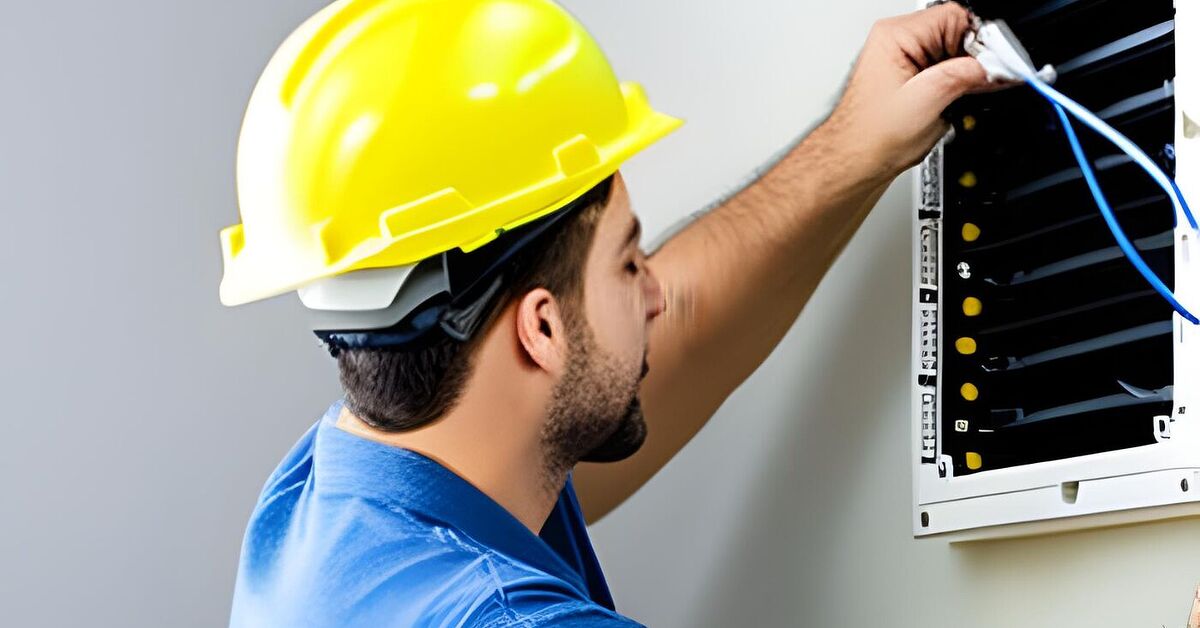
DIY is wonderful. It can save money, teach useful skills, and give you the kind of confidence that makes you look at a loose cabinet knob and say, “Not today, tiny problem.” But not every home project belongs on your weekend warrior list. Some jobs involve hidden hazards, building codes, permits, specialized equipment, and mistakes that can turn an affordable repair into a very expensive emergency.
The goal is not to scare you away from home improvement. Paint a bedroom. Build a raised garden bed. Install peel-and-stick backsplash. Replace cabinet hardware. Go forth and conquer the small stuff. But when a project can cause fire, structural failure, toxic exposure, serious injury, or major water damage, the smartest DIY move is knowing when to call a licensed professional.
Below are seven DIY projects best left to professionals, plus practical ways to spot danger before your house, wallet, or eyebrows become unwilling participants in the experiment.
Why Some DIY Projects Are Not Worth the Risk
The internet makes almost everything look easy. A three-minute video can make rewiring a room seem as casual as assembling a sandwich. The problem is that edited tutorials usually skip the boring but important parts: permits, inspections, safety checks, code requirements, hidden damage, moisture testing, load calculations, and years of hands-on training.
Professional contractors are not just charging for labor. They bring licensing, insurance, tools, experience, and accountability. A qualified electrician knows how to size circuits and protect against overloads. A roofer knows how to work safely at height and prevent leaks around flashing. A structural engineer knows whether that “annoying wall” is holding up more than your collection of framed vacation photos.
In other words, the professional is often cheaper than the mistake. That is the golden rule of safe home improvement.
1. Major Electrical Work
Why It Is Risky
Changing a lightbulb is one thing. Rewiring a room, upgrading an electrical panel, adding new circuits, or moving outlets is a different universe. Electrical systems must be installed correctly to prevent shock, overheating, short circuits, and electrical fires. A wire that looks “close enough” can hide a dangerous problem behind drywall for years before it announces itself with smoke.
Major electrical work also has to meet local building codes. Many areas require permits and inspections for panel upgrades, new wiring, or circuit changes. If unpermitted work causes a fire or fails during a home sale inspection, that “money-saving” shortcut may become a paperwork marathon with a side dish of regret.
Call a Professional For
- Electrical panel upgrades or replacements
- New circuits for appliances, workshops, or additions
- Whole-room rewiring
- Aluminum wiring repairs
- Burning smells, warm outlets, buzzing switches, or frequent breaker trips
What You Can Safely Do Instead
Homeowners can focus on low-risk maintenance: labeling the breaker panel, testing GFCI outlets, replacing lightbulbs with proper wattage, and watching for warning signs. If lights flicker when appliances run, outlets feel hot, or breakers trip repeatedly, do not “upgrade” the breaker yourself. Call a licensed electrician and let the house keep its eyebrows.
2. Gas Line Repairs and Gas Appliance Connections
Why It Is Risky
Natural gas and propane systems demand respect. A poor connection, damaged fitting, or improper appliance hookup can lead to gas leaks, fire, explosions, or carbon monoxide hazards. Unlike a crooked shelf, a gas mistake does not politely wait for your next free Saturday.
Gas work is also regulated in many places. Licensed plumbers, HVAC technicians, or gas utility professionals are trained to pressure-test lines, check ventilation, verify appliance requirements, and confirm safe operation. A YouTube tutorial cannot smell-test your basement, and “I think it is tight enough” is not a safety standard.
Call a Professional For
- Installing or moving gas lines
- Connecting gas stoves, dryers, fireplaces, furnaces, or water heaters
- Repairing gas valves or regulators
- Any suspected gas leak
- Carbon monoxide concerns from fuel-burning appliances
Important Safety Reminder
If you smell a rotten-egg odor, hear hissing, or suspect a gas leak, leave the area immediately and call emergency services or your gas utility from a safe location. Do not flip switches, use electronics nearby, light matches, or try to locate the leak yourself. This is not a “grab the toolbox” moment. This is a “grab the people and pets” moment.
3. Roof Repairs and Roof Replacement
Why It Is Risky
Roof work looks simple from the ground because the ground is not trying to throw you off a sloped surface. Once you are up there, the project changes. Loose shingles, steep pitches, wind, wet surfaces, weak decking, skylights, and ladder setup all create fall risks. Even experienced workers use fall protection and proper equipment.
The second risk is water. A roof is a system, not just a pile of shingles. Flashing, underlayment, ventilation, drip edge, valleys, fasteners, and penetrations around chimneys or vents all need to work together. A small installation mistake can send water into insulation, ceilings, walls, and framing. By the time you see the stain, the leak may already have RSVP’d to several rooms.
Call a Professional For
- Roof replacement
- Large leak repairs
- Flashing around chimneys, skylights, or valleys
- Repairs on steep or high roofs
- Storm damage inspections
What You Can Safely Do Instead
Stay on the ground when possible. Use binoculars to look for missing shingles, sagging gutters, damaged flashing, or debris buildup. Check your attic after heavy rain for damp insulation or staining. Cleaning low, easily reachable gutters may be manageable for some homeowners, but high ladder work is not a personality test. There is no trophy for “most dramatic gutter cleaning.”
4. Removing Load-Bearing Walls or Major Structural Changes
Why It Is Risky
Open-concept living is popular, but houses do not care about design trends. Some walls carry weight from the roof, upper floors, ceiling joists, or other structural elements. Remove the wrong wall without proper support, and your home may respond with sagging ceilings, cracked drywall, sticking doors, uneven floors, or worse.
Structural work often requires engineering calculations, temporary supports, beams, posts, footings, permits, and inspections. Even when a wall is not load-bearing, it may hide plumbing, electrical wiring, HVAC ducts, or gas lines. The wall you thought was “just drywall” may be the house’s version of a secret storage unit.
Call a Professional For
- Removing walls
- Adding large openings between rooms
- Repairing sagging floors or cracked foundations
- Building decks, balconies, or additions
- Changing rooflines or major framing
Best Practice
Before altering the structure, hire a qualified contractor and, when needed, a structural engineer. This is especially important in older homes, where previous renovations may have already changed the load path. A professional evaluation can confirm what is safe, what permits are needed, and what support must be installed before demolition begins.
5. Major Plumbing, Sewer Line, and Water Heater Work
Why It Is Risky
A dripping faucet is annoying. A failed plumbing repair behind a wall is indoor weather. Major plumbing work can cause leaks, water damage, mold growth, contaminated water, sewer gas issues, and expensive repairs if connections, slopes, vents, or materials are wrong.
Sewer line repairs are especially serious because they involve sanitation hazards, excavation risks, utility lines, and code requirements. Water heater installation also deserves professional attention because it may involve gas, electricity, pressure relief valves, venting, combustion air, and scalding risks. A water heater is not just a big metal thermos with ambition.
Call a Professional For
- Sewer line repairs or replacements
- Main water line work
- Water heater installation or replacement
- Bathroom or kitchen plumbing relocation
- Persistent low water pressure or recurring drain backups
What You Can Safely Do Instead
You can handle basic maintenance such as cleaning faucet aerators, checking visible supply lines, using strainers in drains, and knowing where the main water shutoff valve is located. That last one is critical. The best time to find your shutoff valve is not while water is doing its best impression of Niagara Falls under your sink.
6. Asbestos, Lead Paint, and Large Mold Remediation
Why It Is Risky
Older homes can contain hazardous materials that should not be disturbed casually. Homes built before 1978 may contain lead-based paint. Older flooring, insulation, ceiling textures, pipe wrap, siding, and other materials may contain asbestos. Water-damaged areas can also develop mold, sometimes behind walls or under flooring.
The biggest danger is making contamination airborne or spreading it to clean areas. Sanding old paint, tearing out suspicious flooring, scraping textured ceilings, or demolishing water-damaged drywall without proper containment can create health hazards and contaminate the home. A dust mask from the garage does not magically become a professional abatement system because you feel optimistic.
Call a Professional For
- Renovation in homes with suspected lead-based paint
- Any suspected asbestos-containing materials
- Large mold areas or mold caused by contaminated water
- Mold affecting HVAC systems
- Cleanup when residents have asthma, allergies, or other sensitivities
Smart Homeowner Move
Test before you disturb questionable materials. Certified professionals can identify hazards, set up containment, use proper protective equipment, dispose of waste correctly, and document the work. This protects your health and can also matter during insurance claims, rental compliance, or future home sales.
7. Large Tree Removal and Dangerous Landscaping Work
Why It Is Risky
Pruning a small shrub is a relaxing Saturday task. Removing a large tree near a house, power line, fence, garage, or driveway is not. Tree work involves gravity, sharp tools, unpredictable movement, hidden rot, overhead hazards, and sometimes electrical danger. Trees are heavy, and they do not always fall where enthusiasm predicts.
Professional arborists and tree crews use ropes, rigging, lifts, protective gear, chainsaws, and controlled cutting methods. They also know when a tree is diseased, unstable, hollow, storm-damaged, or too close to utilities. A large limb can damage a roof or vehicle in seconds, and working near power lines can be deadly.
Call a Professional For
- Trees near power lines
- Large trees close to structures
- Storm-damaged or leaning trees
- High limb removal
- Stump grinding near utilities or hardscaping
What You Can Safely Do Instead
Homeowners can handle light pruning from the ground with proper hand tools, remove small fallen branches, and monitor trees for cracks, fungus, dead limbs, or sudden leaning. If a tree looks like it is plotting against your roof, call a certified arborist before the plot develops a dramatic third act.
How to Decide: DIY or Hire a Pro?
The safest decision usually comes down to risk, not pride. Ask yourself a few simple questions before starting any home project:
- Could a mistake cause fire, flooding, injury, toxic exposure, or structural damage?
- Does the job require a permit or inspection?
- Would the work affect electrical, gas, plumbing, roofing, or framing systems?
- Do I need specialized tools or protective equipment?
- Would my insurance or home sale be affected by unpermitted work?
- Can I identify all hidden hazards before cutting, drilling, digging, or demolishing?
If the answer to any of these is yes, pause. Getting an estimate does not commit you to the job, but it can reveal the true scope, timeline, and safety requirements. Sometimes the professional quote will confirm that DIY is not worth it. Other times, a contractor may explain which parts you can safely handle yourself, such as demolition cleanup, painting, or finish work after the dangerous systems are complete.
Permits, Insurance, and the Hidden Cost of “Cheap” DIY
One of the most overlooked parts of dangerous DIY projects is paperwork. Permits may sound boring, but they exist to protect homeowners and future buyers. Electrical, plumbing, gas, structural, roofing, and major remodeling projects often require local approval. Skipping permits can create problems during insurance claims, refinancing, or resale.
Insurance is another issue. If unlicensed work causes damage, your insurer may ask uncomfortable questions. Buyers may also request repairs or price reductions if an inspection uncovers unpermitted changes. That bargain project can suddenly cost more than hiring the right person in the first place.
A licensed professional should understand local codes, pull required permits when appropriate, and provide documentation. Always ask for proof of license, insurance, references, and a written scope of work. A good contractor will not be offended. A questionable one may suddenly become harder to reach than a missing 10 mm socket.
Extra Experience: Real-World Lessons From Risky DIY Projects
Home improvement experience teaches one lesson again and again: the hard part is rarely the part you can see. A homeowner may look at a bathroom wall and think, “I will just move this vanity plumbing a few inches.” Then the wall opens, and surpriseold pipes, questionable wiring, water-damaged studs, and a vent line appear like unwanted guests at a dinner party. What started as a small upgrade becomes a bigger project because houses love plot twists.
One common experience is underestimating preparation. Painting a room requires drop cloths and patience. Electrical work requires circuit knowledge, testing, code compliance, and safety discipline. Roofing requires weather awareness, ladder setup, fall protection, and the ability to seal every vulnerable point. Structural work requires understanding how loads travel through the building. The difference between DIY and professional work is often not effort; it is knowing what can go wrong before it happens.
Another lesson is that confidence can be misleading. Many homeowners are careful, smart, and capable, but dangerous projects do not forgive missing information. For example, a person may know how to connect two pipes but not know the required slope for drainage, the right venting arrangement, or which materials are allowed by local code. A person may know how to patch shingles but not recognize damaged decking or failed flashing. A person may know how to use a saw but not realize that a wall is carrying roof loads. The danger is not stupidity. The danger is invisible complexity.
Budget pressure is also real. Professional repairs can be expensive, and it is tempting to say, “I can do that for half the price.” Sometimes that is true. Simple cosmetic projects are great candidates for DIY savings. But for high-risk work, the cheaper option can become more expensive if a mistake requires emergency repair, mold cleanup, water extraction, fire restoration, or structural correction. Paying once for skilled labor is usually better than paying twice: once for the mistake and again for the rescue mission.
A practical approach is to divide projects into safe zones and danger zones. Safe zones include painting, simple landscaping, furniture assembly, caulking small gaps, installing shelves into proper anchors, replacing cabinet pulls, and other projects where mistakes are mostly cosmetic. Danger zones include anything involving live electricity, gas, roof height, major plumbing, structural changes, hazardous materials, or large trees. This simple sorting method prevents a lot of trouble.
Experienced homeowners also learn to respect diagnostic work. Before starting a project, they ask questions. What is behind this wall? Where is the shutoff? Does this material contain lead or asbestos? Is the roof deck sound? Is the tree near a power line? Does this repair need a permit? A professional inspection or consultation may cost money, but it can prevent the kind of “oops” that echoes through the bank account.
Finally, the best DIYers are not the ones who do everything themselves. They are the ones who know which tasks match their skill level and which ones deserve professional help. They save money where it makes sense, spend money where safety demands it, and sleep better knowing the house is not secretly plotting revenge behind the drywall.
Conclusion: Smart DIY Starts With Safety
DIY home improvement can be rewarding, creative, and genuinely fun. But the smartest homeowners know that safety comes before savings. Major electrical work, gas line repairs, roof projects, structural changes, major plumbing, hazardous material remediation, and large tree removal carry risks that go far beyond a crooked finish or a weekend delay.
When a project can affect your home’s structure, air quality, fire safety, water systems, or personal safety, call a qualified professional. You can still be involved, ask questions, compare estimates, and handle safer finishing touches. The goal is not to avoid DIY. The goal is to choose the right DIY projectsthe ones that end with pride, not panic.
Your home is probably your biggest investment. Treat it like one. And remember: sometimes the most powerful tool in the garage is the phone number of someone licensed, insured, and calm under pressure.