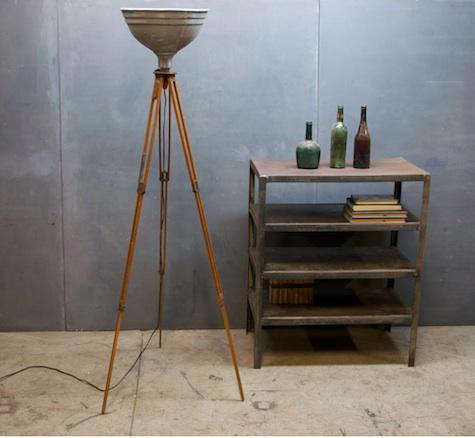
Some lamps sit quietly in a corner. The Surveyors Vintage Maple Tripod Lamp does not. It stands there like it once mapped a mountain, measured a railroad line, and still has a few opinions about your sofa placement. Equal parts antique tool, sculptural floor lamp, and conversation starter, this style of lighting brings together the warm grain of maple wood, the honest shine of brass hardware, and the practical geometry of a three-legged surveyor’s stand.
Originally inspired by early 20th-century surveying equipment, this lamp style turns a utilitarian field instrument into a refined piece of home decor. The best examples feel collected rather than manufactured. They look as comfortable in a brownstone library as they do beside a linen sofa, a leather club chair, or a modern reading nook that needs one object with a little backbone.
In today’s interiors, where everyone wants a room that feels personal but not chaotic, the vintage maple tripod lamp has become a smart choice. It provides height, texture, and a hint of industrial history without shouting, “I bought all my furniture from the same catalog on a sleepy Tuesday.”
What Is a Surveyors Vintage Maple Tripod Lamp?
A surveyors vintage maple tripod lamp is a floor lamp made from, or designed to resemble, an old surveyor’s tripod. Traditional surveyor tripods were built to support instruments such as transits, levels, and theodolites. They needed to be stable, portable, adjustable, and strong enough to handle outdoor work. That practical design is exactly what makes them so appealing as lighting today.
The typical version features three splayed wooden legs, often maple, paired with metal fittings in brass, iron, or steel. A lamp socket and shade are added to the top, transforming the tripod from a measuring tool into a functional decorative light. Some pieces are authentic vintage tripods that have been professionally converted, while others are modern reproductions borrowing the same silhouette.
Why Maple Matters
Maple is not just a pretty face in the wood world. It is dense, durable, smooth-grained, and naturally light in tone. Those qualities make it ideal for a tripod lamp because it can handle the stress of adjustable legs while offering a warm, clean look. Over time, vintage maple develops a soft patina that feels richer than a brand-new stain. It is the difference between “fresh from the box” and “this lamp has seen things.”
Maple also plays well with other materials. Against brass, it feels classic. With blackened steel, it leans industrial. Beside linen, wool, or leather, it becomes quietly luxurious. That flexibility is one reason surveyor tripod lamps work across farmhouse, modern rustic, industrial, transitional, and vintage-inspired interiors.
The Design Appeal: Utility Becomes Art
The charm of the Surveyors Vintage Maple Tripod Lamp comes from its built-in tension. It is both precise and imperfect. The form is mathematical: three legs, balanced angles, adjustable hardware, a central vertical line. But the finish is human: scuffs, darkened screws, worn edges, and wood that has aged naturally.
That combination gives the lamp visual authority. A plain floor lamp can disappear into the background, which is sometimes useful. A vintage surveyor tripod lamp, however, becomes part of the architecture of the room. It frames a seating area, gives height to an empty corner, and adds a sense of collected history.
Industrial, But Not Cold
Industrial decor can sometimes feel a little too warehouse-after-hours. The maple tripod lamp avoids that problem because the wood softens the mechanical structure. Brass or steel fittings bring the engineering mood, while the maple keeps the piece warm and approachable. It says “vintage workshop,” not “interrogation room.” That is an important distinction when you are trying to relax with a book and not feel like you owe someone a confession.
A Lamp With a Strong Silhouette
Tripod lamps have a naturally graphic shape. The legs create diagonal lines that pull the eye upward, while the shade adds a soft horizontal element. In design terms, this makes the lamp useful for balancing rooms with too many low, boxy pieces. If your space has a sectional sofa, a rectangular coffee table, and a long media console, a tripod floor lamp can break up the geometry and keep the room from looking like a furniture spreadsheet.
Where to Use a Vintage Maple Tripod Lamp
The beauty of this lamp is that it works in more places than you might expect. It is dramatic enough for a living room but practical enough for a reading corner. The key is giving it enough breathing room. Those tripod legs need floor space, and the lamp looks best when it is allowed to stand confidently rather than squeezed between a bookcase and a pile of mystery cables.
Living Room
In a living room, place the lamp beside a lounge chair, near the end of a sofa, or in a corner that needs vertical interest. A linen drum shade creates a soft glow for evening conversation, while a darker shade can make the piece feel moodier and more dramatic. If your room already has wood tones, choose a shade that contrasts gently so the maple does not blend into the background.
Home Office
A surveyor tripod lamp feels especially appropriate in a home office because it carries a subtle association with measurement, maps, planning, and fieldwork. It looks great next to a writing desk, behind a reading chair, or near shelves filled with books and objects. Pair it with a warm LED bulb to avoid harsh glare during late-night work sessions.
Bedroom
In a bedroom, the lamp can replace a standard floor lamp near a chair or dressing area. It adds character without overwhelming the space. For a softer look, use a natural linen shade, cream upholstery, and muted bedding. The lamp brings structure; the textiles bring calm. Together, they make the room feel designed but not staged.
Entryway or Loft Space
If you have a generous entryway, studio, loft, or open-plan space, a vintage maple tripod lamp can act almost like sculpture. It welcomes guests with personality and instantly signals that the home has a point of view. In a loft, it pairs beautifully with exposed brick, concrete floors, steel windows, and worn leather seating.
How to Choose the Right Surveyor Tripod Lamp
Not every tripod lamp is created equal. Some are genuine antique surveyor tripods that have been converted into lighting. Others are new lamps designed to mimic the look. Both can be beautiful, but they offer different values.
Authentic Vintage vs. Reproduction
An authentic vintage tripod lamp has real age. The maple may show dings, stains, stamped markings, old hardware, and signs of field use. These details are part of the appeal. A reproduction, on the other hand, may offer cleaner construction, consistent finish, and easier availability. If you want history, choose vintage. If you want the style without the quirks, choose a reproduction.
For collectors and design lovers, authentic pieces usually have more character. They may also hold value better because no two are exactly alike. However, they should be checked carefully for stability and electrical safety. A lamp can be charming and still have wiring that belongs in retirement.
Check the Hardware
Look for sturdy leg locks, secure brackets, and a top assembly that does not wobble. Brass fittings are especially attractive because they age gracefully and complement maple. Iron and steel can also look excellent, especially in more industrial interiors. The important thing is that all moving parts feel solid.
Inspect the Shade
The shade can make or break the lamp. A shade that is too small makes the tripod look top-heavy in the wrong way, like it borrowed a hat from a child. A shade that is too large can overwhelm the frame. For most surveyor tripod floor lamps, a drum or tapered drum shade in linen, cotton, or parchment-style material works well. Natural, ivory, oatmeal, and warm white shades are reliable choices.
Consider Height and Footprint
Vintage tripod lamps often have adjustable legs, but you still need to measure. A lamp around 58 to 72 inches tall can work well in many living rooms, but the leg spread may be wider than a standard floor lamp. Before buying, mark the footprint on the floor with painter’s tape. This small step can prevent the classic design tragedy known as “beautiful lamp, impossible walkway.”
Best Bulbs and Lighting Temperature
Because the maple tripod lamp already has a warm material palette, it usually looks best with a warm white bulb. A color temperature around 2700K to 3000K creates a cozy glow similar to traditional incandescent light. This range is flattering for wood, brass, leather, and textiles.
For general ambient lighting, choose an LED bulb with enough lumens to softly brighten the corner without turning the room into a grocery store aisle. If the lamp is used for reading, consider a brighter bulb or a three-way socket if the wiring supports it. Dimmable bulbs are also a smart choice because they let the lamp shift from practical task lighting to evening atmosphere.
Safety and Restoration Tips
If you are buying a real vintage surveyor tripod lamp, electrical safety matters. Old cords, brittle insulation, loose sockets, and improvised conversions can be risky. A beautiful antique lamp should be professionally inspected or rewired before daily use. Modern UL-listed components, properly installed, help make the lamp safer while preserving its vintage appearance.
Also check stability. The tripod should stand evenly on the floor, and the legs should lock firmly in position. Avoid placing the lamp where children, pets, or distracted adults carrying snacks can easily knock into it. A tripod base is stable when properly opened, but it still needs sensible placement.
How to Style a Surveyors Vintage Maple Tripod Lamp
Styling this lamp is about contrast. Since the piece already has strong lines and a functional heritage, surround it with materials that either soften it or echo its character.
Pair It With Natural Textures
Maple looks excellent with wool rugs, linen curtains, jute, rattan, cane, stone, and leather. These materials make the lamp feel integrated rather than random. A maple tripod lamp beside a worn leather chair and a stack of oversized art books is a classic setup for a reason: it looks intelligent without trying too hard.
Use It as a Focal Point
Do not bury the lamp behind oversized furniture. Let it be seen. Place it where the legs and hardware can be appreciated from multiple angles. In a minimal room, it can be the main vintage accent. In a layered room, it can connect wood tones, metals, and textiles.
Mix Old and New
The lamp works especially well when paired with modern furniture. A clean-lined sofa, contemporary art, and a vintage maple tripod lamp create a balanced mix. Too many antiques can make a room feel like a museum with throw pillows. One strong antique piece gives the space soul while keeping it livable.
Why Designers Love This Lamp Style
Designers often look for pieces that solve more than one problem. The surveyor tripod lamp does exactly that. It adds lighting, height, texture, history, and sculptural form in one object. It can make a plain corner feel intentional. It can make a new room feel less new. It can make a neutral palette feel layered instead of flat.
The lamp also photographs well, which matters in the age of online interiors. Its diagonal legs create movement, and its wood-and-metal combination adds detail without visual clutter. Unlike trend-driven decor, it has roots in real function. That gives it staying power.
Buying Advice: What to Look For Before You Commit
When shopping for a Surveyors Vintage Maple Tripod Lamp, start with authenticity, condition, and scale. Ask whether the tripod is original or reproduction. Check whether the lamp has been rewired. Look closely at the feet, leg clamps, top plate, socket, cord, plug, and shade. If buying online, request clear photos from multiple angles.
Price can vary widely depending on age, material, condition, provenance, and craftsmanship. Authentic early 20th-century surveyor tripod lamps with maple and brass details often command higher prices than mass-produced tripod-style lamps. That is understandable: you are not just buying a light source; you are buying a piece of adapted material history.
Still, the most expensive option is not automatically the best one. The right lamp should fit your room, work safely, and make you happy every time you switch it on. If it wobbles, smells like old basement wiring, or requires a living room the size of a train station, keep looking.
Care and Maintenance
To care for maple, dust it regularly with a soft cloth. Avoid harsh cleaners that can strip patina or damage the finish. For brass fittings, decide whether you want shine or age. Polishing can brighten brass, but over-polishing may erase the mellow character that makes vintage hardware appealing.
Keep the cord in good condition and avoid pinching it beneath the legs. Replace bulbs with the recommended wattage or LED equivalent. If the lamp has adjustable parts, tighten them gently when needed, but do not force old hardware. Antique pieces appreciate respect. They have survived decades; they do not need a wrestling match.
Real-Life Experiences With a Surveyors Vintage Maple Tripod Lamp
Living with a surveyors vintage maple tripod lamp is different from living with an ordinary floor lamp. The first thing you notice is the presence. Even before it is turned on, it changes the mood of a room. In one living room setup, a maple tripod lamp placed beside a deep green armchair instantly made the corner feel like a reading retreat. Before the lamp arrived, the chair looked slightly abandoned, as if it were waiting for a meeting that had been canceled. Afterward, the space had purpose.
The second experience is the way people react to it. Guests tend to ask about the lamp before they ask about the sofa, the rug, or the artwork. That makes sense. A tripod lamp has a story built into its shape. People recognize that it was once connected to measurement, maps, construction, or exploration, even if they cannot name the exact instrument it supported. It invites curiosity without needing a dramatic backstory.
Another practical experience is learning how important placement is. A tripod lamp needs space around its legs. In a small apartment, it may not work beside a narrow walkway or a crowded media console. But in a corner, beside a chair, or behind the open end of a sectional, it can be perfect. The lamp rewards thoughtful placement. Treat it like a small piece of furniture rather than a skinny accessory.
Lighting quality also matters. With a warm LED bulb and a linen shade, the maple glows softly and the brass hardware catches just enough light to feel special. A cool white bulb, however, can make the same lamp look oddly harsh. The difference is dramatic. Warm light makes the piece feel like an heirloom. Cold light makes it feel like it is about to inspect your tax documents.
Over time, the lamp becomes part of the daily rhythm of the room. It is the light turned on before reading, before guests arrive, or during quiet evenings when overhead lighting feels too aggressive. The adjustability can also be useful, especially if the tripod legs allow subtle height changes. Even when the lamp is not moved often, knowing it can be adjusted adds to its functional charm.
The most satisfying part is how easily it blends with different decor updates. Change the shade, swap the chair, repaint the walls, or replace the rug, and the lamp still works. That is the advantage of a piece with authentic materials and a timeless shape. It does not depend on a micro-trend. It has already lived through several design eras and appears fully prepared to outlast several more.
Conclusion
The Surveyors Vintage Maple Tripod Lamp is more than a stylish floor lamp. It is a bridge between fieldwork and fine interiors, between practical engineering and warm domestic atmosphere. With maple legs, metal hardware, adjustable structure, and a strong sculptural profile, it brings depth and personality to almost any room.
For homeowners, collectors, and design lovers, this lamp offers something increasingly rare: character with function. It lights the room, anchors a corner, tells a story, and refuses to look generic. Choose carefully, check the wiring, size the shade properly, and give it space to stand. Do that, and this vintage-inspired piece may become the most admired object in the roompolitely outshining the sofa without even trying.
Note: This article is written for web publication and is based on real product, antique, lighting, and interior design information. Direct source links are intentionally not included in the article body.