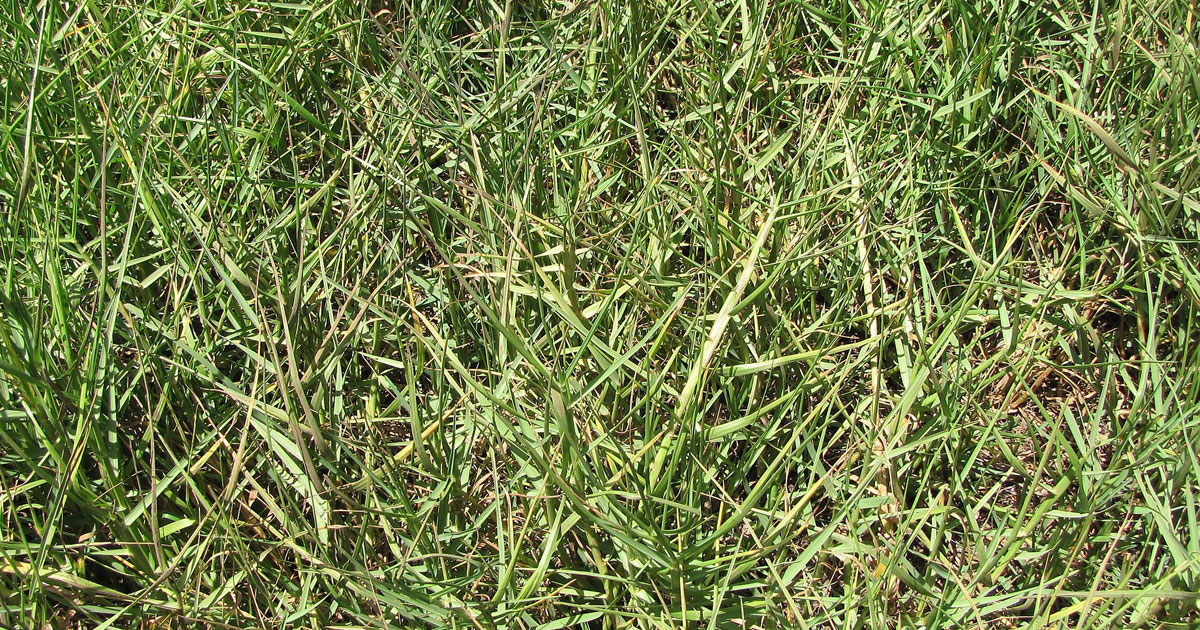
Seashore paspalum grass is the lawn world’s coastal specialist: calm under salt spray, surprisingly elegant when mowed well, and perfectly happy in places where other turfgrasses start waving a tiny white flag. Known botanically as Paspalum vaginatum, this warm-season grass is widely used on coastal lawns, golf courses, athletic fields, resort landscapes, and salty or sandy sites where ordinary turf often struggles.
That does not mean seashore paspalum is a magic green carpet you can install and ignore. Like a fancy espresso machine, it performs beautifully when you understand its quirks. It loves warm weather, tolerates salt better than most common lawn grasses, spreads by stolons and rhizomes, and can create a dense, attractive surface. But it also dislikes freezing temperatures, can develop thatch if overfed, and needs a different care strategy than bermudagrass, St. Augustinegrass, or zoysiagrass.
This guide explains how to grow seashore paspalum grass, how to care for it through the seasons, and how to decide whether it belongs in your yard. Spoiler: if your lawn is near the coast, irrigated with salty water, or located in a warm southern climate, this grass deserves a serious look.
What Is Seashore Paspalum Grass?
Seashore paspalum is a warm-season perennial turfgrass naturally associated with coastal areas, brackish wetlands, and saline soils. It is valued for its fine to medium texture, dense growth habit, blue-green to dark green color, and unusually high tolerance of salt. In the United States, it is most commonly used in warm coastal regions, especially in Florida, Georgia, Texas, Hawaii, Southern California, and other areas where salt exposure or poor-quality irrigation water can make turf management tricky.
Because it spreads laterally, seashore paspalum can fill in bare areas when it is actively growing. This makes it useful for lawns, golf fairways, tees, sports turf, and erosion-prone coastal sites. It also forms a dense sod when managed correctly, which helps reduce weed pressure and gives the lawn that smooth, “yes, I absolutely know what I’m doing” appearance.
Common Uses
Seashore paspalum grass is commonly used for:
- Coastal residential lawns
- Golf courses and resort landscapes
- Athletic fields in warm climates
- Areas with salty soil or brackish irrigation water
- Shoreline stabilization and erosion control
- Low-elevation warm-season landscapes with good sunlight
It is especially popular where water quality is a problem. Many grasses tolerate heat; fewer tolerate salt. Seashore paspalum is one of the rare grasses that can look at salty conditions and say, “Is that all you’ve got?”
Pros and Cons of Seashore Paspalum
Advantages
The biggest benefit of seashore paspalum is salt tolerance. It can perform well in areas exposed to ocean spray, saline soils, and certain non-potable irrigation sources. This makes it valuable for coastal homeowners who have watched other grasses turn crispy, patchy, or dramatic for no apparent reason.
It also has attractive turf quality. When mowed at the proper height and given enough sunlight, seashore paspalum can produce a smooth, dense lawn with a refined look. Some cultivars have a two-toned leaf surface that creates subtle striping after mowing. It also handles moderate traffic, which is useful for yards with children, pets, or guests who believe “stay off the grass” signs are merely decorative.
Another advantage is its ability to compete with certain weeds when maintained properly. Dense turf blocks sunlight at the soil surface, making it harder for weed seeds to germinate. In professional turf settings, its salt tolerance can even be used strategically to suppress less salt-tolerant weeds, although homeowners should avoid experimenting with salt applications unless guided by a local turf expert.
Disadvantages
Seashore paspalum is not ideal for every yard. It has poor cold tolerance compared with some other warm-season grasses, so it is best suited to the southernmost regions and coastal climates. In areas with freezing winters, it may go dormant, thin out, or suffer injury.
It also needs sun. Although some sources describe it as having better shade tolerance than bermudagrass in certain conditions, it should not be treated as a shade grass. Dense shade from trees, fences, or buildings can lead to thinning and weak growth. If your yard looks like a forest floor by noon, seashore paspalum may not be your hero.
Another drawback is disease potential. Like other warm-season grasses, it can be affected by fungal diseases under favorable conditions, especially when overwatered, overfertilized, or kept too wet for too long. It can also scalp if mowed too low with dull blades or uneven equipment.
Best Climate and Soil Conditions
Seashore paspalum grows best in warm climates with mild winters. It thrives during active warm-season growth, usually from late spring through summer and into early fall. Growth slows when temperatures drop, and the grass may enter dormancy during cool weather.
The ideal site has full sun, warm temperatures, and soil that drains reasonably well while still holding enough moisture. This grass can tolerate wet soils and brief inundation better than many turfgrasses, but prolonged flooding is still a problem. In other words, it likes moisture, not a permanent backyard swamp with mosquitoes acting as the homeowners association.
Soil pH
Seashore paspalum generally performs well in slightly acidic to moderately alkaline soils, with many recommendations placing the preferred pH around 6.0 to 8.0. A soil test is the smartest starting point before planting or fertilizing. Guessing your soil pH is like guessing your Wi-Fi password: possible, but usually annoying and wrong.
Salt and Water Quality
This grass is famous for salt tolerance, but salt tolerance does not mean salt is required. Seashore paspalum can grow beautifully with fresh water, and in home lawns, clean irrigation water is usually easier to manage. Where saline irrigation is unavoidable, the lawn may still need periodic flushing with fresh water to prevent salt buildup in the root zone.
How to Plant Seashore Paspalum Grass
Seashore paspalum is usually established by sod, sprigs, plugs, or stolons. Seed may be available for some cultivars, but vegetative establishment is common because it provides a more predictable lawn and preserves cultivar characteristics.
Best Time to Plant
The best time to plant seashore paspalum is during active warm-season growth, when soil temperatures are consistently warm and daytime temperatures are generally above 70 degrees Fahrenheit. Late spring through summer is usually the safest window. Planting too late in the season gives the grass less time to root before cool weather arrives.
Site Preparation
Before planting, remove weeds, debris, rocks, and old turf. Grade the soil so water moves away from buildings and does not sit in low spots. If the soil is compacted, loosen the top layer and incorporate appropriate amendments only after a soil test. Avoid adding random bags of “miracle something” just because the label has a leaf on it.
For sod, lay pieces tightly together in a staggered brick pattern, then roll lightly to improve root-to-soil contact. For sprigs or stolons, spread the planting material evenly, press it into the soil, and keep the area consistently moist until roots develop. Newly planted paspalum should not be allowed to dry out during establishment.
Establishment Care
Water lightly and frequently at first, then gradually reduce frequency and increase depth as roots develop. Avoid heavy traffic during establishment. The first mowing should happen only after the grass is rooted well enough that the mower does not pull it up. Use sharp blades and remove no more than one-third of the leaf blade at a time.
Mowing Seashore Paspalum
Mowing is one of the most important parts of seashore paspalum care. For home lawns, a mowing height of about 1 to 2 inches is commonly recommended, while more intensively managed turf may be maintained lower with reel mowers. A rotary mower can work for home lawns, but sharp blades are essential.
Cutting too low can scalp the grass, especially on uneven lawns. Scalped seashore paspalum can be slow to recover, and the damaged areas may invite weeds. Keep mowing consistent during active growth. Weekly mowing is a reasonable starting point for home lawns, but fast summer growth may require more frequent cuts.
Mowing Tips
- Keep mower blades sharp to prevent ragged leaf tips.
- Never remove more than one-third of the blade height at once.
- Raise the mowing height slightly during stress, drought, or heat extremes.
- Alternate mowing directions to reduce grain and improve appearance.
- Do not mow when the soil is soggy, unless you enjoy tire ruts as lawn art.
Watering Seashore Paspalum Grass
Once established, seashore paspalum should be watered deeply and infrequently rather than lightly every day. The goal is to encourage deeper roots and reduce disease pressure. Water when the grass begins to show signs of drought stress, such as folded leaf blades, a dull bluish cast, or footprints that remain visible after walking across the lawn.
In sandy coastal soils, irrigation may be needed more often because water drains quickly. In heavier soils, watering too often can create wet conditions that encourage disease. The perfect schedule depends on soil type, rainfall, temperature, wind, and the lawn’s use. A smart irrigation controller or simple rain gauge can help prevent accidental overwatering.
Should You Use Saltwater?
Seashore paspalum can tolerate saline water better than many grasses, but homeowners should be cautious. Salt can accumulate in soil and damage nearby plants that are not salt tolerant. If you rely on brackish water, monitor soil conditions and consider occasional flushing with fresh water. For most residential lawns, fresh water is still the easiest and safest irrigation source when available.
Fertilizing Seashore Paspalum
Seashore paspalum does not need to be force-fed. In fact, too much nitrogen can create excessive top growth, thatch buildup, weak tissue, and higher disease risk. A moderate fertility program based on soil testing is best.
Many lawn recommendations fall in the range of about 2 to 5 pounds of nitrogen per 1,000 square feet per year, depending on location, soil, cultivar, use, and desired quality. In lower-maintenance home lawns, the lower end of that range may be enough. Golf and athletic turf usually require more precise management.
Fertilizer Timing
Apply fertilizer during active growth, not during winter dormancy. Split applications are better than dumping the whole annual amount at once. Slow-release nitrogen products are often helpful because they feed the lawn gradually and reduce the risk of surge growth.
Potassium can be important for stress tolerance, especially in sandy soils, but it should be applied according to soil test results. Phosphorus should not be applied unless a soil test shows it is needed, since unnecessary phosphorus can contribute to water quality problems.
Weed, Pest, and Disease Management
The first rule of weed control is to grow a thick lawn. Dense seashore paspalum leaves little room for weeds to establish. Proper mowing, watering, fertilizing, and sunlight are your best long-term weed management tools.
Common Weed Issues
Weeds can appear in thin or stressed areas, especially after scalping, drought injury, poor establishment, or excessive shade. Because seashore paspalum has unique herbicide tolerances, homeowners should read labels carefully and choose products specifically labeled for use on seashore paspalum. A weed killer safe for bermudagrass may not automatically be safe for paspalum.
Insects and Disease
Potential pests may include armyworms, webworms, mole crickets, grubs, or other turf insects depending on region. Disease issues can include large patch, dollar spot, and other fungal problems where moisture, temperature, and susceptible turf line up at the same unfortunate party.
To reduce disease risk, avoid overwatering, avoid excessive nitrogen, improve air movement, and mow at the recommended height. If damage appears suddenly or spreads in patches, identify the cause before treating. Insects, drought, disease, mower damage, and pet urine can look surprisingly similar from a distance.
Thatch and Soil Management
Seashore paspalum can develop thatch, especially when heavily fertilized or maintained at a high growth rate. Thatch is the spongy layer of stems, roots, and organic matter between the green leaves and soil surface. A little thatch is normal; too much can interfere with water movement, fertilizer response, and root health.
Core aeration can help relieve compaction and improve air and water movement. Verticutting or dethatching may be needed in more intensively maintained turf, but it should be done during active growth so the grass can recover quickly. Do not perform aggressive cultivation right before cool weather.
Seasonal Care Calendar
Spring
As temperatures rise, inspect the lawn for winter injury, weeds, and thin areas. Begin mowing when growth resumes. Wait until the grass is actively growing before applying nitrogen fertilizer. Spring is also a good time for soil testing and planning repairs.
Summer
Summer is peak growing season. Mow regularly, irrigate deeply when needed, and watch for pests. This is the best time for establishment, aeration, and recovery from damage. Avoid letting the lawn get wildly overgrown between mowings because bringing it back down in one cut can scalp it.
Fall
Gradually reduce nitrogen as growth slows. Continue mowing as needed, and manage leaves so they do not smother the turf. Fall is also a good time to correct drainage problems before winter. Avoid heavy cultivation too late in the season.
Winter
In cooler weather, seashore paspalum may go dormant. Reduce irrigation and avoid fertilizing dormant grass. Limit traffic if the lawn is not actively growing, because recovery will be slow until warm weather returns.
Is Seashore Paspalum Better Than Bermudagrass?
The honest answer is: it depends. Seashore paspalum is usually better where salt is a major problem, especially near coasts or in landscapes using lower-quality irrigation water. Bermudagrass often has better cold tolerance, wider availability, and more familiar management practices. Bermudagrass may also be a better choice for very high-wear athletic areas in some regions.
Choose seashore paspalum if salt tolerance, coastal performance, and turf quality are top priorities. Choose bermudagrass if you need a rugged, widely adapted warm-season lawn and do not have major salt issues. The best grass is not the fanciest one; it is the one that matches your site without demanding daily emotional support.
Practical Experiences With Seashore Paspalum Grass
One of the most useful lessons from growing seashore paspalum is that it rewards consistency more than intensity. Many lawn owners make the mistake of treating it like bermudagrass with a beach vacation habit. They mow it too low, push it with too much nitrogen, water it on autopilot, and then wonder why the lawn becomes puffy, patchy, or disease-prone. The better approach is calmer: steady mowing, moderate feeding, careful irrigation, and regular observation.
In coastal neighborhoods, seashore paspalum can be a real problem solver. Homeowners dealing with salt spray, sandy soils, or reclaimed irrigation water often notice that ordinary grasses thin out near driveways, seawalls, sidewalks, and exposed edges. Seashore paspalum tends to handle those stressful margins better, especially when the lawn receives enough sunlight. It may not turn a harsh site into a magazine cover overnight, but it gives the homeowner a much better starting hand.
Another experience worth sharing is that establishment quality matters enormously. A carefully prepared soil bed, tight sod seams, and reliable moisture during the first few weeks can make the difference between a smooth lawn and a frustrating patchwork quilt. When installing sod, the edges dry out fastest, so they need extra attention. Walk the lawn daily during the first stage and check corners, slopes, and sunny edges. If sod pieces shrink or curl, the grass is telling you it is thirsty, not trying to be artistic.
Mowing also becomes easier when the lawn surface is level. Seashore paspalum can look spectacular at a lower height, but uneven ground turns low mowing into a scalping festival. Before trying to maintain a very short lawn, fix bumps and depressions. For most homeowners, keeping the grass around 1 to 2 inches is more realistic than chasing golf-course heights. Golf courses have reel mowers, trained crews, sand topdressing programs, and budgets that would make a backyard shed blush.
Watering experience teaches another important point: drought stress and salt stress are not always obvious at first. A paspalum lawn can look fine one week and dull the next if salts build up or irrigation coverage is uneven. Sprinkler audits are boring until they save your lawn. Place a few straight-sided cups around the yard during irrigation and compare how much water each area receives. Dry arcs, blocked heads, and windy overspray are common reasons for mystery brown spots.
Finally, seashore paspalum is best managed with curiosity. Watch how it responds after fertilizer, rain, mowing, heat waves, and traffic. The lawn will teach you its rhythm. When it grows dense and even, stay the course. When it looks stressed, do not immediately throw fertilizer at it. Check soil moisture, mowing height, shade, pests, and drainage first. The most experienced turf managers are not the ones who apply the most products; they are the ones who notice small changes before they become big problems.
Conclusion
Seashore paspalum grass is one of the best warm-season turf choices for coastal lawns, salty soils, and landscapes where irrigation water quality is less than perfect. It offers excellent salt tolerance, attractive color, dense growth, and strong performance in warm climates. However, it is not a low-effort miracle grass. It needs sunlight, proper mowing, moderate fertility, smart irrigation, and protection from cold stress.
For the right site, seashore paspalum can be a beautiful and practical lawn solution. Treat it like its own grass, not like bermudagrass wearing a coastal disguise, and it can reward you with a resilient, polished, salt-tolerant lawn that looks ready for a resort brochure.
Note: This HTML article is written for web publishing and does not include visible source links inside the body content.