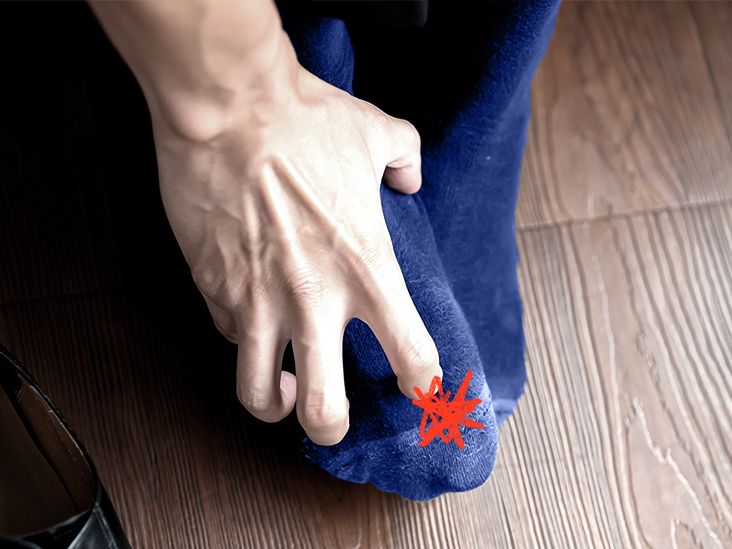
Toenail fungus is one of those tiny problems that can become weirdly dramatic. One day your toenail looks a little cloudy, and the next it seems to be auditioning for a horror movie called The Yellowing. The internet, naturally, has opinions. Vinegar soaks! Tea tree oil! Vicks VapoRub! Baking soda! Garlic! A stern lecture from your grandmother! But the real question is simple: do home remedies for toenail fungus actually work?
The honest answer: sometimes they may help mild symptoms look better or slow things down, but most home remedies do not reliably cure true toenail fungus. Toenail fungus, medically called onychomycosis, is stubborn because the infection lives under or inside the hard nail plate. That nail is basically a tiny protective roof for the fungus. Cute? No. Effective? Unfortunately, yes.
This guide breaks down what toenail fungus is, which home remedies have the most discussion behind them, which ones are mostly wishful thinking in a bottle, and when it is smarter to stop playing bathroom chemist and call a healthcare professional.
What Is Toenail Fungus?
Toenail fungus is a fungal infection that affects the nail plate, nail bed, or both. It commonly starts as a white or yellow spot under the tip of the toenail. Over time, the nail may become thicker, brittle, crumbly, distorted, ragged, or darker in color. In some cases, the nail can separate from the nail bed, which is about as pleasant as it sounds.
The most common cause is a group of fungi called dermatophytes, though yeasts and molds can also be involved. Fungi love warm, damp environments, which explains why feet trapped in sweaty shoes all day are basically a luxury resort for them. Locker rooms, public showers, tight footwear, nail trauma, athlete’s foot, diabetes, circulation problems, and weakened immunity can all raise the risk.
Why Toenail Fungus Is So Hard to Treat
Treating toenail fungus is not like wiping jelly off a counter. The fungus is protected by the nail, and toenails grow slowly. Very slowly. If fingernails are sports cars, toenails are tractors stuck behind a parade. Even with effective treatment, a toenail may take 12 to 18 months to grow out completely and look normal again.
This is why people get impatient and start searching for home remedies. It is understandable. Prescription treatments take time, some can be expensive, and oral antifungal medications may not be right for everyone. Still, patience matters. If a remedy claims to “kill toenail fungus overnight,” that is not a treatment plan; that is marketing wearing a fake mustache.
Do Home Remedies for Toenail Fungus Work?
Most home remedies have limited scientific evidence. Some ingredients show antifungal activity in laboratory settings, but a petri dish is not the same as a thick human toenail. The main challenge is penetration. A substance must reach the fungus in meaningful amounts, stay there long enough, and do so without irritating the skin. That is a tall order for pantry products.
For mild, early, surface-level changes, careful home care may improve the appearance of the nail and reduce moisture that encourages fungal growth. For moderate or severe toenail fungus, home remedies usually are not enough. Prescription topical treatments, oral antifungal medications, professional nail trimming, and medical diagnosis are often more effective.
Common Home Remedies: What the Evidence Suggests
1. Tea Tree Oil
Tea tree oil is one of the most popular natural remedies for toenail fungus. It has antifungal and antimicrobial properties in laboratory studies, which makes it sound promising. Some small studies have looked at tea tree oil for fungal nail infections, but the evidence is still limited and not strong enough to call it a reliable cure.
It may help some people with mild cases, especially when used consistently, but it can also cause skin irritation or allergic reactions. Essential oils should never be applied carelessly or used on broken skin. “Natural” does not mean “impossible to annoy your skin.” Poison ivy is natural too, and nobody invites it to brunch.
2. Vinegar or Apple Cider Vinegar Soaks
Vinegar is often recommended online because it is acidic and may slow the growth of some microbes. However, there is no strong clinical evidence that vinegar cures toenail fungus. A vinegar foot soak may help reduce odor or create a less friendly environment for fungus, but it is unlikely to penetrate deeply enough to clear an established nail infection.
People with sensitive skin, cracks, wounds, diabetes, or circulation problems should be especially cautious. Vinegar can irritate skin, and stronger is not better. If your foot soak feels like a science fair volcano, your toes are not winning.
3. Vicks VapoRub and Menthol Ointments
Vicks VapoRub has become a famous internet remedy for toenail fungus. It contains ingredients such as camphor, menthol, and eucalyptus oil, which have some antifungal properties. A few small studies and anecdotal reports suggest it may improve the appearance of affected nails in some people.
That said, the evidence is not strong enough to consider it a dependable treatment. It may be low-cost and easy to try for mild cases, but it should not replace medical care when the nail is painful, spreading, thick, or worsening.
4. Baking Soda
Baking soda is commonly suggested because it can absorb moisture and may make the environment less comfortable for fungi. It may be useful inside shoes to help reduce dampness and odor. But as a toenail fungus treatment, baking soda is not well supported by clinical evidence.
Think of baking soda as a supporting actor, not the star of the show. It may help keep feet drier, but it is unlikely to evict fungus that has already moved into the nail like it signed a long-term lease.
5. Hydrogen Peroxide
Hydrogen peroxide is sometimes promoted for toenail fungus because it can kill some microbes on surfaces. The problem is that toenail fungus usually is not just sitting politely on the surface waiting to be wiped away. It often lives deeper in the nail structure.
Hydrogen peroxide can irritate skin, especially with repeated use or high concentrations. It may lighten debris or temporarily change how the nail looks, but it should not be viewed as a proven cure for onychomycosis.
6. Garlic
Garlic has compounds with antifungal activity, and it has been used in folk remedies for many skin problems. But rubbing garlic on toenails is not a proven treatment for toenail fungus. It can also cause skin irritation or burns, especially if left on too long.
Garlic is excellent in pasta. On infected toenails, the evidence is thin. Also, your socks may begin telling secrets.
7. Coconut Oil
Coconut oil contains fatty acids that may have mild antimicrobial effects. It can moisturize dry skin around the nail, which may make feet feel more comfortable. However, there is not enough evidence to show that coconut oil can cure toenail fungus.
It may be reasonable as a skin moisturizer if your skin tolerates it, but it should not be treated as a replacement for antifungal therapy.
8. Ozonized Oils and Snakeroot Extract
Some alternative treatments, such as ozonized sunflower oil and snakeroot extract, have been studied more than many other home remedies. A few small studies suggest possible benefit, but the research is still limited, and product quality can vary. These remedies may be more promising than random internet hacks, but they are not guaranteed cures.
If you use alternative products, choose reputable brands, avoid applying anything to open wounds, and watch for irritation. When in doubt, ask a healthcare professional, preferably before your bathroom cabinet becomes a tiny herbal pharmacy.
Home Care That Actually Helps
Even when home remedies do not cure toenail fungus, smart foot care can make a real difference. Good hygiene reduces moisture, limits spread, and supports medical treatment. This is the practical stuff: not glamorous, but neither is a crumbly toenail.
Keep Toenails Trimmed and Clean
Trim nails straight across and keep them short. Thickened areas can be gently filed down, but avoid aggressive digging or cutting into the skin. Disinfect nail clippers after use, especially if one nail is infected. Sharing clippers is also a bad idea unless your idea of friendship includes swapping fungi.
Keep Feet Dry
Fungus thrives in moisture. Dry your feet well after bathing, especially between the toes. Change socks when they become sweaty. Choose breathable footwear when possible, and rotate shoes so they can dry fully between wears.
Treat Athlete’s Foot Promptly
Athlete’s foot can spread to the nails. If you have itchy, peeling, burning skin between the toes, over-the-counter antifungal creams or powders may help. Treating the skin infection may reduce the chance of reinfecting the nails.
Avoid Nail Polish on Infected Nails
Nail polish can trap moisture and hide changes that need attention. It may also make it harder for topical treatments to reach the nail. If your toenail is already staging a fungal rebellion, covering it with polish is like putting wallpaper over a leak.
When Home Remedies Are Not Enough
Home care may be reasonable for a very mild case, especially if the nail change is small, painless, and not spreading. But you should consider medical evaluation if the nail becomes painful, thick, crumbly, dark, distorted, or separated from the nail bed. You should also get medical help if the infection spreads to other nails or keeps returning.
People with diabetes, poor circulation, immune system problems, or a history of foot ulcers should not delay care. A small nail problem can become more serious when healing is impaired. In these cases, professional guidance is not overreacting; it is good foot insurance.
Diagnosis Matters: It May Not Be Fungus
Not every ugly toenail is fungal. Nail trauma, psoriasis, eczema, aging, bacterial infection, and repeated pressure from shoes can all cause discoloration or thickening. A healthcare provider may confirm toenail fungus with a nail clipping, scraping, microscopy, culture, or other lab test.
This matters because using home remedies for months on a nail that is not infected wastes time and may delay proper treatment. It is like yelling “fire” at a toaster that is not plugged in.
Medical Treatments That Are More Proven
Prescription treatments are generally more effective than home remedies. The best option depends on the severity of infection, the number of nails affected, health history, medications, and the type of fungus.
Topical Antifungal Treatments
Prescription topical treatments include medicated solutions or lacquers applied directly to the nail. Examples include efinaconazole, tavaborole, and ciclopirox. These treatments may be useful for mild to moderate cases, especially when the infection does not involve the entire nail. They usually require daily use for many months.
Topicals have fewer whole-body side effects than oral medications, but they can be less effective because the medicine must penetrate the nail. Consistency is essential. Missing applications every other day and expecting a miracle is like watering a plant once in July and blaming the plant for being dramatic.
Oral Antifungal Medications
Oral antifungal medications, especially terbinafine, are often considered among the most effective treatments for toenail fungus. Itraconazole and fluconazole may also be used in certain situations. These medications can interact with other drugs and may require liver monitoring, so they should be taken only under medical supervision.
Laser and Professional Nail Care
Laser treatments are available, but results vary, and they may not be as effective as standard antifungal medications. A podiatrist or dermatologist may also trim or thin thickened nails, making them more comfortable and sometimes helping topical medication work better.
How Long Does Toenail Fungus Take to Improve?
Toenail fungus improvement is slow. Even if treatment works, the damaged nail has to grow out. You may see clearer nail growth near the base first, while the older damaged part remains at the tip. A full healthy-looking toenail can take a year or longer.
This slow timeline is one reason people think remedies are not working. Sometimes they are not. Other times, the nail simply needs time to grow. Taking progress photos every month can help you judge changes more accurately than staring at your toe every morning like it owes you rent.
How to Prevent Toenail Fungus from Coming Back
Repeat infections are common, so prevention matters even after treatment. Wash and dry feet daily. Wear clean socks. Choose breathable shoes. Use shower shoes in public locker rooms or pool areas. Avoid sharing nail tools. Disinfect clippers and replace old footwear if it may be contaminated.
If you get pedicures, choose salons that properly sterilize tools. Do not let anyone cut your cuticles aggressively, because tiny breaks in the skin can invite infection. Your cuticles are not decorative speed bumps; they help protect the nail area.
So, Are Home Remedies Worth Trying?
Home remedies may be worth trying only for very mild cases, and only with realistic expectations. They may help improve nail appearance, reduce moisture, or support prevention. But they are not the most reliable way to cure toenail fungus.
If the infection is advanced, painful, spreading, or affecting multiple nails, medical treatment is usually the better path. The most effective plan often combines accurate diagnosis, proven antifungal therapy, good foot hygiene, and patience.
The bottom line: home remedies are not completely useless, but they are often oversold. Toenail fungus is stubborn, and stubborn problems rarely surrender to one splash of vinegar and a motivational quote.
Personal Experiences and Practical Lessons from Dealing with Toenail Fungus
Many people first notice toenail fungus in the most ordinary way: while clipping nails, wearing sandals, or wondering why one toenail suddenly looks like it has been through a tiny construction accident. The first reaction is usually denial. “Maybe it is just a bruise,” they think. “Maybe my shoe rubbed it.” Sometimes that is true. But when the nail keeps getting thicker, yellower, or more brittle, the fungus theory starts looking less like paranoia and more like the main character.
One common experience is trying a home remedy with huge optimism and very little patience. Someone applies tea tree oil for three days, checks the nail, sees no change, and declares the remedy useless. Another person soaks in vinegar for two weeks and believes the nail looks brighter, but the thick area remains. This is where expectations matter. Toenails grow slowly, and no remedy can instantly replace damaged nail with healthy nail. Even successful treatment often looks boring at first: a small strip of clearer nail growing from the base.
Another lesson people learn quickly is that consistency is harder than it sounds. Applying a remedy or medication every day for months is not exciting. It is repetitive, easy to forget, and not exactly the glamorous self-care routine people post online. There are no scented candles, no spa music, just you and a suspicious toenail. But consistency often separates “maybe this helped” from “I forgot about it after Tuesday.”
Footwear also turns out to be a bigger deal than many expect. People may treat the nail but keep wearing the same tight, sweaty shoes every day. That creates a cycle where the fungus-friendly environment never changes. Switching socks more often, drying shoes, using antifungal powder when appropriate, and choosing breathable footwear can make a noticeable difference. The nail still needs treatment, but the surrounding environment matters.
People who finally see a podiatrist or dermatologist often report one surprising thing: relief. Not because the toenail magically transforms overnight, but because they stop guessing. A professional can confirm whether it is fungus, trim thick nails safely, discuss prescription options, and explain what progress should look like. That clarity can save months of experimenting with every remedy on the internet, including a few that sound like salad dressing.
The biggest practical takeaway is balance. Home remedies may be part of a careful routine for mild cases, but they should not become an excuse to ignore worsening symptoms. If the nail hurts, spreads, lifts, darkens, or affects walking, it is time for medical advice. Toenail fungus is common, treatable, and nothing to be embarrassed about. Feet do a tough job. Sometimes they need more than a sock change and positive thinking.
Conclusion
Home remedies for toenail fungus can sound tempting because they are cheap, easy, and already sitting in the kitchen or medicine cabinet. But effectiveness varies, and most remedies are not backed by strong clinical evidence. Tea tree oil, menthol ointments, vinegar soaks, baking soda, and other natural options may help some mild cases or support better foot hygiene, but they usually do not match the effectiveness of proven antifungal treatments.
For the best results, start with the basics: keep feet dry, trim nails carefully, treat athlete’s foot, avoid sharing nail tools, and consider a medical diagnosis before spending months guessing. If toenail fungus is painful, spreading, thick, or persistent, professional treatment is the smarter move. Your toenails may be slow, but with the right plan, they can still make a comeback.
SEO Tags
Note: This article is for educational purposes only and does not replace medical advice, diagnosis, or treatment from a qualified healthcare professional.