Some craft projects arrive with a marching band. Others sneak in quietly, wearing tiny green leaves and smelling faintly of last weekend’s cabernet. Succulent wine cork magnets belong to the second group: small, charming, eco-friendly, and surprisingly addictive to make. They turn ordinary wine corks into miniature planters that cling to your refrigerator, office filing cabinet, magnetic board, or any metal surface that looks like it could use a little leafy optimism.
This DIY project checks several boxes at once. It upcycles wine corks, uses tiny succulent cuttings, costs very little, and creates gifts that look like they came from a boutique craft fair where everything is priced just high enough to make you whisper, “I could make that.” And yes, you absolutely can.
Whether you use real succulents or faux ones, these little magnets bring texture, greenery, and personality into a kitchen or workspace without demanding much room. They are perfect for party favors, teacher gifts, wedding shower decorations, refrigerator styling, or simply proving that your junk drawer is actually a “future craft supply archive.”
What Are Succulent Wine Cork Magnets?
Succulent wine cork magnets are mini planters made by hollowing out wine corks, adding a small amount of succulent soil or moss, inserting a tiny succulent cutting, and attaching magnets to the back. The finished piece looks like a miniature vertical garden, except instead of hanging on a wall, it sticks to your fridge like a cheerful little plant-powered note holder.
The idea works because cork is lightweight, easy to carve, and naturally rustic. Succulents work because they store water in their fleshy leaves and can tolerate small containers better than thirsty plants. Combine the two, and you get a project that feels clever without requiring an engineering degree or a garage full of tools.
These magnets are especially popular because they blend several modern home trends: upcycled decor, indoor greenery, tiny-space gardening, handmade gifts, and sustainable crafting. They are cute enough for a farmhouse kitchen, sleek enough for a modern apartment, and small enough that even a person with no counter space can still claim to have a garden.
Why This DIY Cork Magnet Project Is So Popular
It Gives Old Corks a Second Life
Wine corks are one of those objects people save with confidence and no real plan. They accumulate in bowls, jars, drawers, and decorative containers until someone finally asks, “Are we building a raft?” Succulent wine cork magnets give that stash a purpose. Instead of tossing corks away, you transform them into tiny planters with personality.
It Adds Greenery Without Taking Over the Room
Houseplants are wonderful, but not everyone has space for a jungle. These mini succulent magnets are ideal for small apartments, dorm rooms, offices, studio kitchens, and compact workspaces. They add a natural touch without stealing shelf space or requiring a plant stand that slowly becomes a second furniture collection.
It Makes a Thoughtful Handmade Gift
Because each cork has its own shape, stamp, texture, and color, every magnet feels slightly different. That makes them excellent for handmade gifts. A set of six can become a hostess gift, a holiday stocking stuffer, a Mother’s Day surprise, or a thank-you present for someone who deserves something more charming than another scented candle.
Supplies You Need
The beauty of this project is that the supply list is short. You may already have several items at home, especially if you are the kind of person who saves corks “just in case.” Today is the case.
- Natural wine corks
- Small succulent cuttings or faux mini succulents
- Strong small magnets
- Hot glue gun and glue sticks
- Drill, craft knife, corkscrew, or small screwdriver
- Succulent or cactus potting mix
- Sphagnum moss or decorative moss
- Tweezers or toothpicks
- Optional craft paint or acrylic paint
- Optional painter’s tape for dipped-color designs
- Optional pennies, washers, or small weights for freestanding cork planters
Natural corks are usually easier to hollow than synthetic corks. Synthetic corks can be rubbery, slippery, or too dense for neat carving. Natural cork has that crumbly-but-cooperative texture that makes this project feel handmade instead of mildly combative.
Best Succulents for Wine Cork Magnets
Not every succulent is right for a cork-sized planter. Large rosettes, thick aloe pups, and dramatic jade stems are beautiful, but they will look like they are trying to move into a studio apartment with a grand piano. For this project, choose tiny cuttings, small offsets, or compact varieties.
Good Real Succulent Choices
- Sedum cuttings: Small, hardy, and forgiving.
- Echeveria offsets: Perfect if you can find tiny rosettes.
- String of pearls cuttings: Great for a trailing look.
- Burro’s tail pieces: Cute, plump, and sculptural.
- Crassula cuttings: Compact and easy to root.
- Sempervivum chicks: Tiny offsets can work well for short-term displays.
If you are using real plants, remember that these are very small containers. The cork magnet is more like a decorative starter home than a forever mansion. Over time, healthy succulents may outgrow the cork and need to be moved into a proper pot. Congratulations: your fridge plant graduated.
When Faux Succulents Make More Sense
Faux succulents are a smart choice if the magnets will be used in a low-light room, given as party favors, placed in a classroom, or handled by people who do not want plant care responsibilities. They also work better for craft fairs because buyers do not need watering instructions. No guilt. No crispy leaves. Just tiny green drama.
How to Make Succulent Wine Cork Magnets
Step 1: Choose and Clean the Corks
Select corks that are firm, dry, and not cracked all the way through. A little staining from wine is fine; it adds character. If the corks are dusty, wipe them with a dry cloth. Avoid soaking them in water because wet cork can soften, crumble, or become harder to glue.
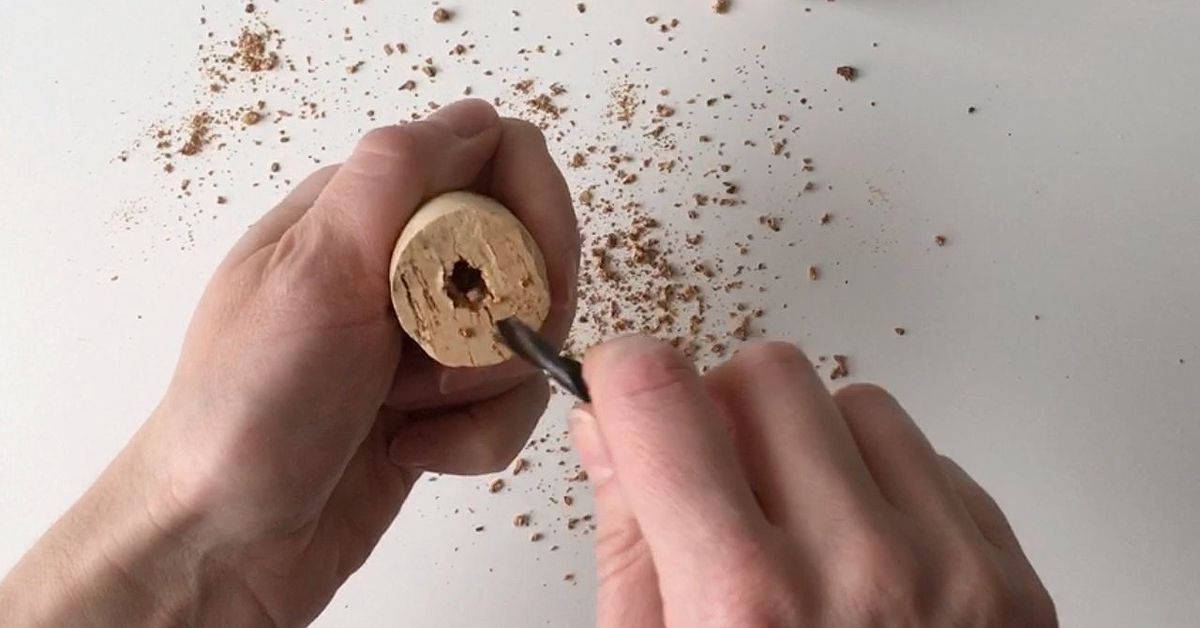
Step 2: Hollow Out the Cork
Use a small drill bit, craft knife, corkscrew, or narrow screwdriver to create a hole in the top of each cork. Aim to hollow the cork about halfway to three-quarters of the way down. Do not drill all the way through unless you enjoy watching soil escape like it has somewhere better to be.
A drill is the fastest tool, but a craft knife gives more control. If using a knife, work slowly and twist gently. Cork can split if rushed. Hold the cork securely, keep your fingers away from the blade, and remember that this is a craft project, not a race against a cooking show timer.
Step 3: Add the Magnet
Turn the cork on its side and hot glue one or two small magnets to the back. Strong magnets are best because the cork will gain a little weight once soil and plant material are added. Let the glue cool completely before testing the magnet on a metal surface.
For extra hold, use two magnets on taller corks. This helps keep the cork from spinning sideways or sliding down the refrigerator door in a slow, tragic descent. If you use very small high-powered magnets, handle them carefully and keep them away from young children and pets.
Step 4: Add Soil or Moss
Place a pinch of succulent potting mix into the hollowed cork. A toothpick or tweezers can help pack it lightly. You can also use sphagnum moss, especially if you are working with tiny cuttings that need support. The key is not to overfill. Leave enough room for the cutting to sit securely without being crushed.
Succulents dislike soggy soil, so use a fast-draining cactus or succulent mix rather than regular garden soil. Since cork magnets do not have drainage holes, water control matters even more. Think “barely moist,” not “tiny swamp.”
Step 5: Insert the Succulent Cutting
Gently place the succulent cutting into the cork. If the stem is long, trim it slightly so it fits. Use tweezers to position small pieces. Press the soil or moss around the base just enough to stabilize the plant. If needed, add a tiny bit more moss on top for a finished look.
If you are using faux succulents, add hot glue inside the cork and press the faux stem into place. This version is faster, sturdier, and better for magnets that will be packed, shipped, or sold.
Step 6: Decorate the Corks
Natural cork looks beautiful on its own, but paint can make these magnets pop. Use painter’s tape to create a dipped-color effect on the lower half of the cork. Soft neutrals look modern, bright colors feel playful, and metallic paint adds a festive touch for holidays.
Let paint dry completely before adding plants. Wet paint and soil are not friends. They are more like awkward coworkers forced to share a break room.
Care Tips for Real Succulent Cork Magnets
Real succulent wine cork magnets are low-maintenance, but they are not no-maintenance. Because the cork holds only a tiny amount of soil, the plant depends on careful light and watering.
Give Them Bright Light
Place the magnets where the plants receive bright, indirect light. A refrigerator near a sunny kitchen window is ideal. If your kitchen is dark, move the magnets to a brighter spot every few days or use faux succulents instead. Real succulents stretch, fade, or weaken when they do not get enough light.
Water Sparingly
Use a spray bottle, dropper, or tiny spoon to add a small amount of water near the base of the plant. Water only when the soil or moss feels completely dry. For many homes, once every one to two weeks is enough, but conditions vary. Warm, bright kitchens dry faster; cool, shaded rooms dry slowly.
Do not soak the cork. Without drainage, too much water can cause rot. If the plant looks mushy, translucent, or sad in a suspiciously wet way, reduce watering immediately.
Repot When Needed
If a succulent cutting begins to root and grow strongly, it may eventually need a larger home. Remove it gently and plant it in a small pot with drainage holes and succulent soil. Then refill the cork with a fresh cutting. This keeps the magnet looking full and gives the plant room to continue growing.
Design Ideas for Succulent Wine Cork Magnets
Rustic Farmhouse Set
Leave the corks natural, use green sedum or small echeveria cuttings, and add a little moss at the top. This style pairs well with wooden cabinets, white kitchens, and people who own at least one item labeled “gather.”
Modern Color-Dipped Magnets
Paint the bottom third of each cork in matte white, black, terracotta, sage, or navy. Keep the plants simple and compact. This version looks polished and works well for apartment decor, office boards, or minimalist spaces.
Wedding or Party Favors
Create sets using corks from meaningful bottles, add tiny tags with names or dates, and place each magnet in a small kraft box. For large events, faux succulents are easier because they can be made ahead of time without worrying about wilting or watering.
Holiday Cork Magnets
Use metallic paint, red ribbon, mini bells, or tiny pine sprigs with faux succulents. These can double as refrigerator decorations or stocking stuffers. Add a small loop of wire, and the cork can even become a tiny ornament.
Common Mistakes to Avoid
Using Weak Magnets
Standard craft magnets may not be strong enough once the cork is planted. Choose small but sturdy magnets that can support the weight. Test before gifting. Nobody wants a plant magnet that behaves like a refrigerator avalanche.
Overwatering
This is the fastest way to ruin real succulent cork magnets. The container is tiny and has no drainage. Use very little water and let the planting material dry fully between waterings.
Choosing Plants That Are Too Large
Large succulent pieces can make the cork top-heavy and unstable. Use tiny cuttings or small offsets. If the plant looks like it is wearing the cork as a shoe, it is too big.
Skipping Safety Precautions
Small magnets can be dangerous if swallowed. Keep finished magnets and loose magnets away from children and pets. If you plan to sell or gift these, include a simple safety note. Cute should still be responsible.
How to Package Succulent Wine Cork Magnets as Gifts
A handmade item feels more special when it is packaged thoughtfully. Place each cork magnet in a small kraft box with shredded paper, moss, or tissue. Add a care card that explains light and watering needs. For a set, arrange three to six magnets in a shallow gift box and include a note such as, “For your fridge, office board, or tiny botanical empire.”
If you use real succulents, package them close to the gifting date. If you need to make them weeks ahead, use faux plants. Real cuttings can survive for a while, but they still prefer light and air. A closed box is not a spa retreat for plants.
Can You Sell Succulent Wine Cork Magnets?
Yes, succulent wine cork magnets can be a fun craft fair or online shop item, especially when made neatly and photographed well. Sets often sell better than single magnets because they look more intentional. Offer color themes such as “farmhouse neutral,” “rainbow cork garden,” “wedding favor green,” or “mini desert mix.”
For selling, faux succulents may be more practical. They do not require care instructions, they ship better, and they look consistent in photos. If you sell real succulent versions, be clear that they are living cuttings, may need repotting, and require bright light with minimal water.
Personal Experience: What Making Succulent Wine Cork Magnets Teaches You
The first time you make succulent wine cork magnets, you may think the project will take ten minutes. Technically, one magnet can take ten minutes. But then you notice another cork with a prettier logo, and another one with a better shape, and suddenly you are creating a tiny botanical neighborhood on your kitchen table. This is how craft projects get you. They start with “just one” and end with you comparing moss textures like a landscape architect for ants.
One of the most useful lessons is that corks are not all the same. Some carve beautifully, while others crumble like they have lost the will to participate. Natural corks usually behave better than synthetic ones. Wider corks are easier to hollow and balance. Shorter corks make sturdier magnets, while tall corks look elegant but may need stronger magnets to stay upright on the fridge.
Another experience worth mentioning is the importance of testing the magnet before adding the plant. It is tempting to finish the whole thing and then proudly stick it to the refrigerator. But if the magnet is weak, the cork may slide down slowly, leaving a tiny trail of soil and disappointment. Testing early saves you from having to re-glue a finished piece while trying not to disturb the succulent.
Working with real succulent cuttings also teaches patience. They do not always look perfect immediately. Some need a few days to settle. A cutting may lean dramatically at first, like it is posing for a tragic album cover, then perk up once it starts adjusting. The best-looking magnets often come from mixing shapes: one rosette, one trailing piece, one upright stem, and a little moss to cover the soil.
Watering is where most beginners overdo it. A cork magnet feels like a planter, but it is really a tiny display container. A few drops can be enough. A heavy spray can soak the cork and encourage rot. After making several, you learn to water with restraint. This project may be the only time in life when being slightly forgetful is an advantage.
The gift reaction is also part of the fun. People tend to pick them up, laugh, and say, “Wait, is that a real plant?” That tiny moment of surprise is the charm. These magnets are not expensive or complicated, but they feel personal. They show that someone spent time turning ordinary materials into something cheerful.
They are also excellent conversation starters. A refrigerator covered in grocery lists and takeout menus suddenly looks curated. An office filing cabinet becomes less gray and more alive. Even one cork magnet can soften a space. A set of six looks like a miniature vertical garden that refuses to take itself too seriously.
The biggest takeaway is that succulent wine cork magnets are less about perfection and more about play. Some corks will tilt. Some plants will look better than others. A bit of moss may poke out at a weird angle. That handmade character is part of the appeal. The goal is not to create identical factory-perfect magnets. The goal is to make something small, green, clever, and joyful from materials that might otherwise be forgotten.
Conclusion
Succulent wine cork magnets are the kind of DIY project that proves small crafts can have big personality. They are affordable, beginner-friendly, eco-conscious, and endlessly customizable. With a few corks, tiny succulents, strong magnets, and a little glue, you can create miniature planters that brighten a refrigerator, decorate a workspace, or become memorable handmade gifts.
The best part is their flexibility. Real succulents offer living charm, while faux succulents provide long-lasting, no-care convenience. Natural cork gives a rustic look, painted cork adds modern color, and themed sets can fit holidays, weddings, classrooms, craft fairs, or everyday home decor.
Just remember the essentials: choose sturdy corks, hollow them carefully, use strong magnets, avoid overwatering, and keep small magnets away from children and pets. Do that, and your cork collection can finally become something more impressive than a jar full of “maybe someday.” Someday is here, and it is adorable.
Note: This article is based on practical DIY methods, indoor succulent care principles, upcycling ideas, and magnet safety guidance from reputable U.S.-based craft, gardening, home, university extension, and consumer safety resources.