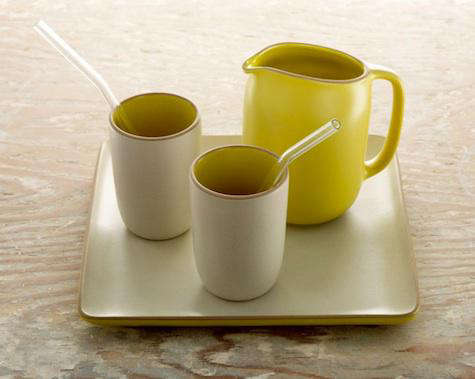
Some tabletop upgrades announce themselves with drama: a hand-thrown serving bowl, a sculptural pitcher, a linen napkin so nice you suddenly feel underdressed at your own breakfast table. Others are quieter. A reusable glass straw is one of those small objects that looks almost too simple to matteruntil you use it. Then your iced coffee feels cleaner, your lemonade looks brighter, and your kitchen counter whispers, “Yes, we are adults here, even if dinner is toast.”
That is the charm of the Glass Dharma drinking straw sold through Heath Ceramics. It is not trying to be a gadget. It does not blink, beep, collapse into 11 pieces, or require an app. It is simply a clear, handmade borosilicate glass strawelegant, reusable, easy to rinse, and surprisingly good at making ordinary drinks feel designed. In the world of tabletop accessories, that is a rare little victory.
Heath Ceramics has long been associated with timeless tableware, California craft, and objects that earn their place in the home. So a glass drinking straw in the Heath universe makes sense. It is practical, beautiful, and restrained. It belongs beside ceramic cups, stoneware plates, woven runners, and pitchers filled with something cold enough to fog the glass.
Why a Glass Straw Belongs on a Thoughtful Table
The phrase “tabletop accessory” can sound a little fancy, as if your dining table has hired a stylist and now refuses to speak to the toaster. But a good tabletop object does not need to be precious. It needs to improve the daily ritual of eating and drinking. A glass straw does exactly that.
Plastic straws are convenient for a few minutes and then become waste. Paper straws often begin with noble intentions and end in pulp. Metal straws are durable, but some people dislike the cold feel, the metallic sensation, or the mystery of not seeing what is happening inside. Silicone straws are soft and practical, especially for travel, but they do not bring the same visual clarity to a table setting. Glass sits in a sweet spot: clean-looking, neutral in flavor, reusable, and naturally suited to a well-designed tabletop.
The Glass Dharma-style straw at Heath Ceramics is especially appealing because it feels less like an eco lecture and more like a tiny piece of functional design. It does not shout, “I am saving the planet!” It simply shows up, looks good, and quietly replaces disposable plastic one drink at a time. Very civilized. Possibly smug, but in a tasteful way.
What Makes the Heath Ceramics Glass Straw Special?
Heath’s Sun Curved Straw is listed as an 8-inch straw with a 0.4-inch diameter, made from clear borosilicate glass and shaped by hand one piece at a time. It includes a reusable cleaning brush, which is important because nobody wants a smoothie fossil living rent-free inside a straw.
Borosilicate glass is commonly used in kitchen and laboratory contexts because it handles temperature changes better than ordinary glass. For a drinking straw, that means it is suitable for cold beverages, hot drinks used carefully, and daily rinsing without the fragile feeling of decorative glassware that panics when you look at it too firmly. It is still glass, of course, so it should be handled with common sense. But it is not a flimsy party favor pretending to be sustainable.
A Clear Straw Has a Real Advantage
One underrated benefit of glass is visibility. You can see whether the straw is clean. That sounds almost too obvious, but anyone who has used opaque reusable straws knows the small suspicion that comes with them. Is it clean? Did the dishwasher do its job? Is there a chia seed hiding in there plotting revenge?
With a transparent glass straw, cleanliness is not a philosophical question. You can inspect it, rinse it, brush it, and move on. For iced coffee, citrus water, tea, smoothies, and sparkling drinks, that clarity is both practical and beautiful. The straw almost disappears into the drink while still giving the glass a polished, intentional look.
Heath Ceramics and the Art of Everyday Objects
Heath Ceramics is not just a retailer of pretty things. It is a California design institution known for ceramic dinnerware, tile, and a philosophy that values craft over trend-chasing. The brand’s tableware has a midcentury soul without feeling trapped in a museum. Its pieces are meant to be used, stacked, washed, and lived with.
That matters because a reusable straw can easily become another “sustainable” object that gets bought, admired, and forgotten in a drawer. Heath’s approach to tabletop goods encourages the opposite. The point is daily use. A good object should become part of the rhythm of the kitchen: morning coffee, afternoon water, weekend brunch, late-night herbal tea, the occasional dramatic glass of lemonade after cleaning the fridge.
The Glass Dharma drinking straw fits neatly into this philosophy. It is small, but it participates in the same conversation as a durable plate or a well-made mug: buy fewer disposable things, choose better permanent things, and let usefulness have a little beauty.
Reusable Glass Straws vs. Plastic, Metal, Silicone, and Paper
Choosing a reusable straw sounds simple until you discover the straw world has categories. There are metal straws, silicone straws, bamboo straws, collapsible straws, wide smoothie straws, short tumbler straws, bent straws, straight straws, and paper straws that dissolve with the emotional speed of a sad biscuit.
Glass vs. Plastic
Plastic straws win on convenience but lose almost everywhere else. They are single-use, easy to discard, and part of a larger waste problem. A glass straw asks for a little more care, but it can be used again and again. It also does not soften, bend, or add that faint disposable feel to a nice drink.
Glass vs. Metal
Metal straws are extremely durable and travel well, but they can feel too cold or too hard for some drinkers. They may also slightly change the sensory experience of a beverage, especially for people who are picky about taste and texture. Glass feels smoother, more neutral, and more visually refined on the table.
Glass vs. Silicone
Silicone straws are flexible and gentle, which makes them useful for kids or anyone who prefers a softer bite. Glass, however, wins on appearance and clean visibility. It is a better match for a designed tabletop, especially when serving guests or styling a kitchen scene for everyday elegance.
Glass vs. Paper
Paper straws have one job: survive the drink. Many do not. They begin optimistically and then slowly become a damp reminder that good intentions need engineering. A glass straw keeps its shape, looks better, and does not turn your iced tea into a craft project.
Best Drinks for a Glass Dharma Straw
The beauty of a clear glass straw is that it does not compete with the drink. It works especially well with beverages that look good in a transparent glass or ceramic tumbler.
Try it with iced coffee, cold brew, matcha latte, citrus water, cucumber mint water, homemade lemonade, iced tea, fruit spritzers, smoothies, and creamy shakes. For thicker drinks, the 0.4-inch diameter is helpful because it gives more room than a very narrow straw. Nobody wants to fight a mango smoothie through a straw the width of a sewing needle.
It also works beautifully with Heath-style tabletop settings: a ceramic cup, a linen napkin, a small plate with fruit, and a straw that quietly says, “This kitchen has taste.” Even a basic glass of water feels more deliberate. That is the power of good design: it does not change the water, but somehow the water gets better manners.
How to Clean and Care for a Glass Drinking Straw
The easiest care routine is also the most important: rinse the straw right after using it. If the drink was water, tea, or black coffee, a quick rinse may be enough before a proper wash. If the drink contained dairy, fruit pulp, protein powder, or anything sticky, use the included cleaning brush with warm soapy water.
Push the brush through from both ends, scrub the openings, rinse thoroughly, and let the straw air dry. If residue dries inside, soak the straw in warm soapy water before brushing. This is not difficult, but it is one of those chores that becomes annoying if ignored. Like laundry, email, and houseplants, straws reward small acts of timely responsibility.
Storage Tips
Store glass straws where they will not roll around loose in a drawer full of metal utensils. A small cup, ceramic crock, cloth sleeve, or divided drawer organizer works well. If you use the straw daily, keep it near your coffee station or water glasses. A reusable object only works if it is easier to reach than the disposable alternative.
Is a Glass Straw Worth It?
A glass straw is not a necessary object in the way a knife, cup, or plate is necessary. You can live without one. Humanity has survived many centuries without elegant borosilicate sipping tubes. But tabletop design is not only about survival. It is about making daily routines more pleasant, less wasteful, and more aligned with the kind of home you want to live in.
If you often drink iced coffee, smoothies, tea, sparkling water, or lemonade, a reusable glass straw can become a genuinely useful part of your routine. If you care about reducing single-use plastic, it helps. If you like beautiful objects that do not take up much space, it helps there too. And if you simply enjoy the small luxury of sipping from glass instead of disposable plastic, that is reason enough.
Who Will Love the Glass Dharma Drinking Straw at Heath Ceramics?
This straw is ideal for people who appreciate minimal design, reusable kitchen goods, and tabletop pieces that feel intentional without being fussy. It is a great fit for Heath Ceramics fans, design-minded hosts, coffee lovers, smoothie drinkers, and anyone trying to build a more sustainable kitchen one small habit at a time.
It also makes a thoughtful small gift. Pair it with a Heath mug, a bag of coffee, loose-leaf tea, handmade coasters, or a simple glass tumbler. It is the kind of gift that says, “I noticed you like nice things,” without shouting, “I panicked and bought this near the checkout.”
Design Notes: Why It Looks So Good on the Table
The best tabletop accessories do not steal attention. They add a line, a texture, a reflection, or a sense of completeness. A glass straw adds verticality to a drink. It catches light. It makes the beverage look colder, fresher, and more carefully served. Because it is transparent, it pairs with almost any color palette: earthy ceramics, white stoneware, smoky glass, bright summer pitchers, or moody autumn tables.
There is also something pleasing about the contrast between glass and ceramic. Heath’s ceramics are known for depth, glaze, and tactile warmth. A clear glass straw brings a crisp, clean note beside those softer surfaces. It is a small design detail, but small details are often what make a table feel finished.
Experience Notes: Living With a Glass Straw in the Real Kitchen
The first thing you notice when using a glass straw is the smoothness. It does not have the bendy squeak of plastic or the chilly firmness of metal. It feels clean in a way that is difficult to describe until you try it. With iced coffee, the difference is immediate. The drink tastes like coffee, not like the lid, the cup, or the faint memory of a disposable straw pulled from a paper wrapper.
In a morning routine, the straw becomes part of the setup. Glass, coffee, ice, milk or oat milk, straw. It is a tiny ritual, but tiny rituals are the architecture of home life. Nobody needs a ceremony for cold brew, but a well-made object can make even a rushed breakfast feel slightly less chaotic. That is a major achievement before 9 a.m.
With lemonade or citrus water, the clear straw almost disappears, letting the drink do the visual work. Lemon slices, mint leaves, cucumber ribbons, berrieseverything looks brighter through glass. This makes the straw especially good for hosting. You can set out a small jar of clean glass straws beside a pitcher, and guests immediately understand the idea. No announcement required. No speech about landfills. No PowerPoint titled “The Straw Situation.” Just a better option, ready to use.
For smoothies, the experience depends on thickness. A thinner smoothie moves easily; a very thick one may need a wider straw or a few extra seconds in the blender. But the cleaning advantage is real. Because the straw is transparent, you can see whether anything remains inside. That alone makes it easier to keep in regular rotation. A reusable straw should not feel like a science experiment after every drink.
The main adjustment is handling. Glass is durable when made well, but it is not indestructible. You do not toss it into a sink like a spoon or let it wrestle with a cast-iron pan. You rinse it, brush it, and place it somewhere safe. After a few uses, this becomes automatic. In fact, the care routine is part of the appeal. It slows the moment down just enough to remind you that reusable objects are relationships, not transactions.
On a styled tabletop, the straw feels refined but not showy. It works with a casual lunch, a weekend breakfast tray, a garden table, or a work-from-home desk where the drink is doing emotional support duty. It is particularly attractive beside handmade ceramics because both objects share a similar mood: simple, useful, and human-scaled.
There is also a surprising pleasure in not running out of straws. Disposable items create a quiet background anxiety: Do we have enough? Should I buy more? Why is there a plastic sleeve under the couch? A reusable glass straw removes that little loop. Wash it, reuse it, repeat. The kitchen becomes slightly less cluttered, and the trash can receives one fewer daily offering.
After living with a glass straw for a while, it becomes less of a novelty and more of a preference. You reach for it because it feels better. You keep it clean because you use it often. You notice how disposable straws suddenly seem flimsy and unnecessary. That is the best kind of sustainable design: not the kind that scolds you into better behavior, but the kind that makes the better habit more enjoyable.
Conclusion: A Small Tabletop Upgrade With Real Staying Power
The Glass Dharma drinking straw at Heath Ceramics proves that a useful object does not have to be boring, and a sustainable choice does not have to look like homework. It is a small tabletop accessory with a clear purpose: replace disposable straws, improve the drinking experience, and bring a bit of visual polish to everyday beverages.
Its appeal comes from the combination of material, design, and context. Borosilicate glass gives it durability and clarity. The handmade quality gives it character. Heath Ceramics gives it a natural home among objects designed for long-term use. Together, they make a straw that feels less like an accessory and more like a tiny commitment to better daily rituals.
Will it transform your kitchen overnight? No. It is a straw, not a renovation contractor. But it can make iced coffee more satisfying, lemonade more charming, and your table a little more intentional. Sometimes that is enough. Sometimes the smallest object on the table is the one that quietly changes the whole mood.