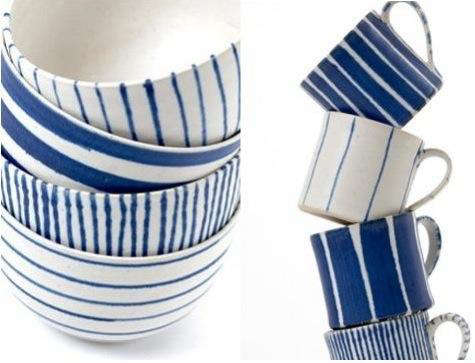
Some tableware politely waits to be noticed. Sue Binns pottery does not. It arrives at the table in crisp blue-and-white stripes, looking fresh, cheerful, and just a little bit mischievouslike a seaside deckchair that has somehow learned excellent manners. Based in England, Sue Binns is known for hand-thrown domestic stoneware that turns everyday objectsmugs, jugs, bowls, teapots, vases, coffee cupsinto small celebrations of pattern, touch, and useful beauty.
The phrase “Tabletop: Sue Binns Pottery in England” fits because her work belongs exactly where life happens: beside the toast, under the salad, next to the coffee, in the middle of a table where people are talking too loudly and passing the butter with suspicious delay. This is not pottery designed only for a museum shelf, although it has the confidence of collectible craft. It is pottery made for use, for handling, for pouring, sipping, serving, and occasionally admiring for longer than necessary.
In a world full of mass-produced dinnerware that often looks like it was designed by a committee with excellent spreadsheets and no snacks, Sue Binns pottery offers something warmer. Her ceramics combine English studio pottery traditions with Mediterranean ease, Japanese textile rhythm, and a nostalgic nod to midcentury Rye Pottery. The result is tabletop design with personality: calm enough for breakfast, bold enough for a dinner party, and charming enough to make even reheated soup feel as though it has a lifestyle coach.
Who Is Sue Binns?
Sue Binns is a mostly self-taught English potter whose work has become recognizable for its hand-painted striped patterns and functional stoneware forms. She received important guidance from potter Ian Godfrey at Montem School in the 1980s, but much of her style developed through personal practice, close observation, and a deep curiosity about how surface decoration changes the character of an object.
Her ceramics are usually described as domestic stoneware, which is a humble phrase for something that can be surprisingly poetic. Domestic stoneware means the pieces are intended for daily life, not just display. A Sue Binns mug is meant to hold coffee. A bowl is meant to welcome fruit, soup, pasta, or whatever delicious thing escaped the recipe plan. A jug is meant to pour. These pieces are not precious in the fragile, “please do not breathe near me” sense. They are precious because they bring craft into ordinary routines.
That practical foundation is part of the appeal. Contemporary collectors often love handmade pottery because it creates a bridge between art and use. You do not need to understand ceramic theory to enjoy a well-balanced cup. You simply pick it up, feel the curve, notice the glaze, and suddenly your morning coffee has better posture.
The Signature Look: Blue and White Stripes with Soul
Sue Binns pottery is instantly associated with blue-and-white stripes. Yet calling them “stripes” alone is like calling a symphony “some organized noise.” The lines vary in thickness, density, spacing, and rhythm. Some pieces feel breezy and coastal; others feel graphic and architectural. A narrow stripe can appear delicate and textile-like, while a broader stripe gives the form a stronger, almost sculptural presence.
The technique behind the look is beautifully specific. Binns creates her distinctive decoration by brushing dilute cobalt over a dolomite glaze before firing the pieces at high temperature. Cobalt has a long and famous history in ceramics, especially in blue-and-white pottery traditions around the world. In Binns’s hands, however, it does not feel antique or overly formal. It feels alive, handmade, and direct.
The dolomite glaze contributes a soft, matte surface that gently blurs the edges of the lines. This is where the magic happens. The stripes are orderly, but not stiff. They have a human wobble, a brush-made softness, and an occasional movement where the glaze pulls the cobalt into subtle variations. In other words, the pots have manners, but they are not boring. They know how to sit at the table without wearing a tie.
Why the Stripes Work So Well on the Table
Stripes are one of design’s oldest tricks because they can do several jobs at once. They create rhythm, emphasize shape, and add energy without needing complicated imagery. On a Sue Binns jug, vertical stripes can make the form feel taller and livelier. On a bowl, curved stripes follow the roundness of the vessel and create a sense of movement. On a mug, the pattern invites the hand to turn the cup and notice small differences all the way around.
That interaction matters. Handmade ceramics are not flat pictures; they are three-dimensional objects. A pattern has to work from every angle. Binns’s blue-and-white surfaces reward slow looking, but they do not demand ceremony. You can admire the pattern while pouring tea, which is perhaps the most civilized form of multitasking.
The color palette is also part of the success. Blue and white feels clean, classic, and flexible. It can sit comfortably with rustic wooden boards, white linen, stainless steel cutlery, colorful napkins, vintage glassware, or a table that is only pretending to be organized five minutes before guests arrive. Because the palette is limited, the pattern has impact without overwhelming food. A tomato salad still looks like the star. The pottery simply provides excellent backup vocals.
Influences: Mediterranean Pottery, Japanese Fabrics, and 1950s Rye Pottery
Binns has cited Mediterranean pottery, Japanese fabrics and ceramics, and especially 1950s Rye Pottery as sources of inspiration. That combination explains a great deal about the work. The Mediterranean influence suggests sun, relaxed meals, and ceramics that feel tied to place and daily use. Japanese textiles bring attention to repeat pattern, restraint, and the beauty of variation. Rye Pottery adds a distinctly British midcentury note, connecting Binns’s pieces to a lineage of studio ceramics that are decorative, functional, and quietly characterful.
What makes her pottery interesting is not that it copies these influences. It translates them. The pieces do not look like souvenirs from three different design traditions piled onto one shelf. Instead, they feel coherent: English in their studio pottery discipline, Mediterranean in their friendliness, Japanese in their graphic rhythm, and midcentury in their confidence that useful objects can still be artful.
This is one reason Sue Binns pottery works so well in modern homes. Many people today want interiors that feel collected rather than showroom-perfect. A striped handmade jug can sit beside contemporary dinner plates, vintage silver, or a simple grocery-store bouquet and immediately make the table feel more intentional.
Forms Made for Everyday Use
Sue Binns produces a wide range of domestic forms, including mugs, espresso cups, coffee cups, bowls, jugs, teapots, and vases. Each form gives the stripe pattern a different job. Mugs emphasize comfort and grip. Jugs show off height and curve. Bowls let the pattern wrap around an open form. Vases turn the stripes into a decorative statement even before flowers arrive, which is convenient for those of us whose floral arranging style is “panic and trim stems unevenly.”
The usefulness of the pieces is not a side issue; it is central to the work. Good tabletop pottery must pass several quiet tests. Does the cup feel balanced? Does the bowl invite use? Does the jug pour well? Does the surface feel pleasing in the hand? Handmade pottery can be visually exciting, but if it is awkward at breakfast, the romance ends quickly. Binns’s work keeps its focus on use, which is why it appeals to collectors and everyday design lovers alike.
How Sue Binns Pottery Fits Into Contemporary Tabletop Design
Tabletop design has shifted in recent years. Many homeowners are moving away from perfectly matched dinnerware sets and toward layered tables that mix handmade ceramics, vintage pieces, natural textures, and personal objects. The best tables now often look less like a department store display and more like a meal hosted by someone with taste, stories, and possibly too many napkins.
Sue Binns pottery fits beautifully into this movement. Her work is distinctive enough to anchor a table, but simple enough to mix with other pieces. A blue-and-white striped jug can brighten a plain white dinner set. A group of striped mugs can add pattern to open kitchen shelves. A bowl can serve food at the table and then remain visible afterward as a decorative object. This flexibility makes the pottery especially appealing for people who want fewer, better things.
There is also a sustainability-minded argument for handmade ceramics. While handmade pottery is often more expensive than factory-made tableware, it encourages a slower relationship with objects. You buy one piece, use it often, care for it, and let it become part of household memory. A favorite mug can become the official cup of Sunday morning. A jug can become the one everyone reaches for during summer lunches. These objects earn their place, one meal at a time.
Styling Sue Binns Pottery at Home
Pair It with Simple White Dinnerware
If you want the stripes to shine, place Sue Binns pottery against plain white plates or neutral stoneware. The blue-and-white pattern adds freshness without making the table feel busy. This approach works especially well for brunch, seafood dinners, garden lunches, and casual suppers where the goal is “effortless charm,” even if the kitchen currently looks like a flour-based weather event.
Use Wood, Linen, and Glass for Balance
The matte ceramic surface looks especially good with natural textures. Try wooden serving boards, washed linen napkins, clear glass tumblers, or woven placemats. These materials soften the graphic quality of the stripes and create a table that feels relaxed but thoughtful.
Let One Piece Be the Hero
You do not need a full collection to enjoy the look. A single striped jug filled with flowers can become a centerpiece. A single bowl can hold lemons on a kitchen counter. A pair of mugs can turn an afternoon coffee break into a miniature design moment. Start small, then let obsession develop naturally, as all respectable pottery obsessions do.
Mix with Other Blue-and-White Pieces
Because blue-and-white ceramics have such a long global history, Binns’s pottery can converse easily with other pieces in the same palette. It can sit near Delft-inspired plates, Japanese indigo textiles, Chinese-style porcelain, or modern blue glassware. The key is to vary scale and pattern so the table feels collected rather than matchy-matchy.
Why Collectors Love Handmade Tabletop Pottery
Collectors are often drawn to ceramics because pottery holds evidence of the hand. Unlike mass-produced objects, handmade ceramics carry small differences in shape, glaze, brushwork, and proportion. These variations are not flaws; they are the fingerprint of the process. With Sue Binns pottery, the stripes may share a recognizable language, but each piece has its own tone of voice.
This individuality is especially important in tabletop objects. A handmade cup becomes familiar through repetition. You learn its weight, the feel of its rim, the way the glaze catches morning light. Over time, the object stops being simply “a mug” and becomes “the mug.” Anyone who has a favorite cup understands this deeply. Anyone who says all cups are the same should be offered tea in a measuring jug and asked to reconsider.
There is also visual pleasure in collecting related but non-identical pieces. A shelf of Sue Binns mugs or bowls can look unified through color and pattern while still showing variety. This is the sweet spot between order and character. It is design harmony with a little jazz in the background.
Experiences Inspired by Tabletop: Sue Binns Pottery in England
Imagine encountering Sue Binns pottery for the first time in a small English gallery or a carefully edited design shop. The pieces might be grouped on a shelf: blue-and-white mugs in one row, jugs standing like polite lighthouse keepers, bowls stacked just enough to make you wonder whether you need three. At first, you notice the stripes. Then you notice the softness of the glaze. Then, inevitably, you pick something up.
That moment of touch changes everything. A photograph can show the pattern, but it cannot fully explain the feel of matte stoneware in the hand. The surface has a quiet tactility, not slippery or flashy, but warm and grounded. The shape feels made by someone who understands that pottery must serve the body as much as the eye. A mug has to meet the hand. A jug has to respond to the wrist. A bowl has to feel generous without becoming clumsy.
Using this kind of pottery at the table creates a different rhythm around meals. Breakfast feels less rushed when coffee is poured into a cup with personality. Lunch feels more composed when a simple salad is served from a handmade bowl. Even a weeknight dinner becomes slightly more deliberate when the table includes objects that were shaped, glazed, and fired with care. The food does not need to be fancy. Handmade pottery has a wonderful ability to elevate humble meals without judging them. Beans on toast? Fine. Leftover pasta? Splendid. Crackers and cheese because the day won? The pottery will keep your secret.
In England, where studio pottery has a rich modern tradition, Binns’s work feels connected to both craft history and domestic life. It belongs to a culture that appreciates useful things made well: a good teapot, a sturdy mug, a bowl that earns its cupboard space. Her pieces also echo the English love of pattern, from striped textiles to coastal ceramics to midcentury tableware. Yet they feel contemporary because they are graphic, clean, and easy to style in modern interiors.
A memorable tabletop experience does not require a formal dinner party. In fact, Sue Binns pottery may be at its best in the relaxed middle ground: a weekend breakfast, an afternoon tea, a supper with friends, a kitchen table scattered with bread, flowers, and conversation. The stripes bring visual energy, while the handmade forms keep everything approachable. They say, “Yes, this table has style,” but they do not say, “Please use the correct fork or leave immediately.”
For anyone building a more personal table setting, the lesson is simple: choose objects that make daily rituals feel better. A beautiful cup can improve a morning. A handmade jug can make water, milk, or flowers feel considered. A striped bowl can turn fruit into a still life. Sue Binns pottery reminds us that tabletop design is not just about entertaining guests; it is about entertaining life itself, preferably with good coffee and a plate close by.
Conclusion
Tabletop: Sue Binns Pottery in England is really a story about how useful objects become meaningful. Through hand-thrown stoneware, cobalt decoration, dolomite glaze, and an unmistakable love of stripes, Sue Binns creates ceramics that feel both classic and fresh. Her work draws from Mediterranean pottery, Japanese fabrics and ceramics, and 1950s Rye Pottery, yet it stands confidently on its own as modern English tabletop craft.
For collectors, her pottery offers recognizable style and handmade individuality. For home cooks and design lovers, it offers something even better: pieces that can be used every day without losing their charm. Whether you begin with one mug, a small bowl, or a dramatic striped jug, Sue Binns pottery has a way of making the table feel brighter, calmer, and more human. And honestly, if a cup can make coffee taste better before 8 a.m., it deserves applause.
Note: This article is written in clean HTML body format for web publishing and is based on real information about Sue Binns pottery, English studio ceramics, handmade tabletop design, and blue-and-white ceramic traditions.