Most of us spend a huge chunk of life indoors, assuming our homes are little fortresses of fresh air. Then someone burns toast, sprays a heroic amount of lemon cleaner, lights a candle that smells like “Mystic Cabin Rain,” and suddenly the living room is less wellness sanctuary and more chemistry experiment. That is exactly why a good air quality monitor earns its spot on the shelf.
The best air quality monitors do not magically scrub the air themselves. They are more like brutally honest roommates. They tell you when your kitchen turns into a tiny wildfire, when your bedroom needs more ventilation, when your basement humidity is auditioning for a mold documentary, and when that “clean linen” spray is not as innocent as its name suggests.
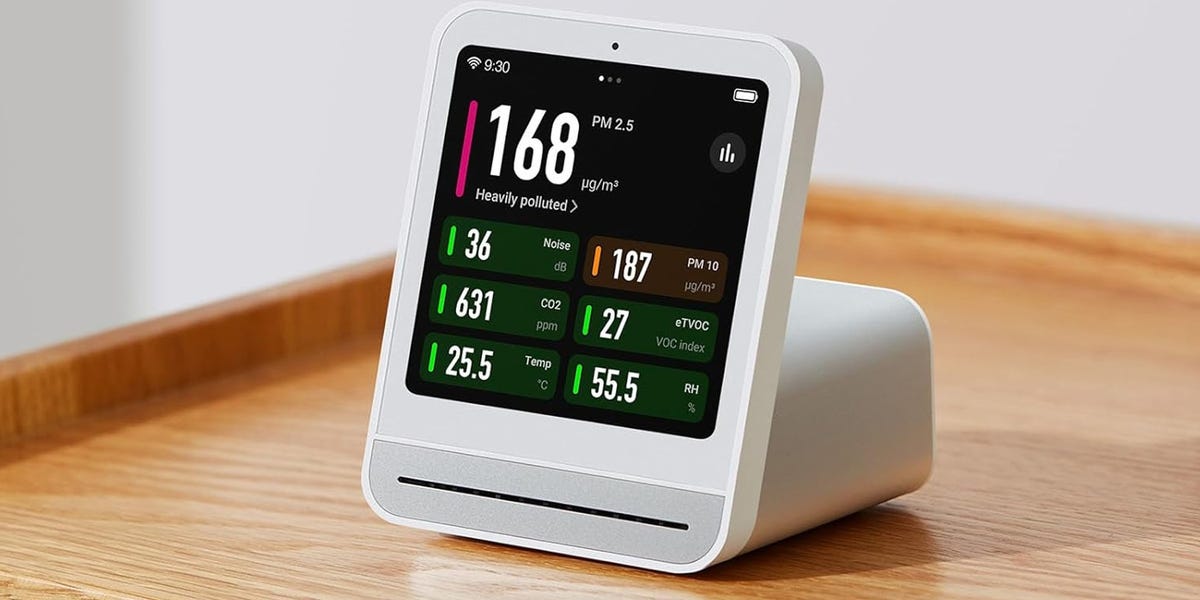
For a cleaner home, the smartest monitors track the things that matter most: PM2.5 for fine particles, CO2 for ventilation, VOCs for airborne chemicals, and humidity and temperature for comfort and moisture control. A few premium models also track radon, which is a major bonus if you live in a basement-heavy home or simply enjoy sleeping better after removing invisible worries from your life.
Why an indoor air quality monitor is worth buying
A lot of people assume bad air is obvious. Sometimes it is. Smoke smells like smoke, and mildew usually announces itself like an unwanted houseguest. But many indoor air problems are sneaky. Fine particles from cooking, poor ventilation that pushes CO2 up, and chemical fumes from paint, cleaning products, or new furniture can all build quietly without setting off your nose’s drama alarm.
That is where a home air quality monitor helps. It gives you real-time feedback instead of vague guessing. Open the windows or keep them shut? Run the air purifier now or later? Is your basement actually damp, or just emotionally gloomy? A monitor can answer those questions with numbers, trends, alerts, and, if you buy the fancy kind, enough graphs to make you feel like you run a tiny environmental lab.
Still, there is one important caveat: consumer monitors are best used as trend trackers, not laboratory instruments. They are incredibly useful for spotting patterns, triggers, and daily changes, but they do not measure everything and they should not replace dedicated safety devices. If carbon monoxide is a concern, you still need proper CO alarms on each level of the home and outside sleeping areas.
What to look for in the best air quality monitors
1. PM2.5 tracking
If you care about smoke, cooking fumes, dust, wildfire haze, or fine airborne particles, PM2.5 is the metric to watch. It is one of the most important numbers on any indoor air quality monitor because those particles are tiny enough to travel deep into the lungs.
2. CO2 monitoring
CO2 is not the villain in the same way carbon monoxide is, but it is extremely helpful as a ventilation clue. If your CO2 climbs, your room is telling you it needs more fresh air. In practical terms, high CO2 often means a stuffy bedroom, a sleepy home office, or a meeting room that feels like everyone’s brain left the building 20 minutes ago.
3. VOC sensing
VOCs, or volatile organic compounds, come from things like paint, cleaning supplies, some building materials, air fresheners, and other household products. VOC readings are often less precise than PM2.5 readings, but they are still useful as a “something chemical is happening here” signal.
4. Humidity and temperature
These two do not sound glamorous, but they matter. Humidity that runs too high can encourage mold and dust mites. Too low, and your home can feel like a crunchy winter cracker. For most homes, balanced humidity is part of better indoor air, not just comfort.
5. App quality and alerts
A brilliant sensor with a terrible app is like a genius with no phone charger: impressive, but not especially helpful. The best models make it easy to spot trends, set alerts, and understand what to do next.
6. Radon, if your home needs it
If you have a basement, live in a radon-prone region, or want broader protection, a radon-capable monitor deserves serious attention. Not every monitor includes it, and that extra sensor is often what separates a premium pick from a merely good one.
The best air quality monitors for a cleaner home
1. Best overall: Qingping Air Quality Monitor
If you want the best balance of price, useful sensors, and day-to-day usability, Qingping is the sweet spot. This monitor line has earned attention for doing what many buyers actually want: showing the most helpful data without demanding a premium-budget identity crisis.
Its biggest strength is balance. You get core measurements like PM2.5 and CO2, plus humidity and temperature, and on newer versions you also see PM10 and other helpful environmental readings. That makes it a strong fit for living rooms, bedrooms, nurseries, and home offices where you want ongoing awareness without spending radon-monitor money.
Why it works so well for most households is simple: it answers the everyday questions. Did cooking spike the particles? Is the room stuffy? Is the air purifier actually doing anything beyond making expensive white noise? Qingping tends to make those answers visible fast. It is not the flashiest monitor on the market, but it is practical, readable, and much more useful than buying a mystery gadget that only reports “air: vibes unclear.”
2. Best premium pick: Airthings View Plus
If you want the Cadillac of indoor air quality monitors, Airthings View Plus is one of the strongest premium options available. It tracks a very wide range of measurements, including PM2.5, CO2, VOCs, humidity, temperature, pressure, and the headline feature: radon.
That radon sensor is the big differentiator. Radon is invisible, odorless, and easy to ignore until you remember it is the second leading cause of lung cancer overall and the top cause among non-smokers. That is not exactly the kind of surprise anyone wants in their basement rec room.
The View Plus is ideal for larger homes, finished basements, and people who love detailed data. The e-ink display is clean, the app is polished, and the long-term tracking is especially useful if you want to understand seasonal changes, closed-window winter conditions, or how home improvement projects affect your air.
Its downside is price. This is not the monitor you buy because you found a spare twenty in the couch. But if you want one device that covers nearly everything a homeowner would care about, it is hard to beat.
3. Best for Alexa users: Amazon Smart Air Quality Monitor
The Amazon Smart Air Quality Monitor is a very good pick for people who want something compact, simple, and deeply plugged into the Alexa ecosystem. It measures PM2.5, VOCs, carbon monoxide, humidity, and temperature, and it wraps those readings into an easy air-quality score inside the Alexa app.
This is the model for people who do not want to become full-time air analysts. It is small, easy to set up, and genuinely convenient if you already use Echo devices and Alexa routines. You can check your air, receive alerts, and connect it to smart-home actions without learning a whole new platform.
That said, it does not measure CO2 or radon, so it is not the most complete option on this list. Think of it as an excellent simplicity pick, not an all-out air-nerd machine. For apartments, bedrooms, and smart homes that value convenience over every possible metric, it punches above its size.
4. Best display and data experience: IQAir AirVisual Pro
The IQAir AirVisual Pro remains a favorite among people who love a monitor that is easy to read from across the room. If a lot of devices feel like they were designed for ants with excellent eyesight, this one is refreshingly human. Its display is large, clear, and great at making indoor air information instantly understandable.
It tracks PM2.5, CO2, temperature, and humidity, and one of its biggest advantages is context. IQAir has long leaned into the connection between indoor readings and wider air quality awareness, which is especially useful if you live somewhere affected by traffic pollution, seasonal smoke, or wildfire events.
The AirVisual Pro is a strong choice for households that want highly visible feedback in shared spaces. Put it in the kitchen, living room, or family room and suddenly everyone can see the result of cooking bacon with the windows closed. Spoiler: the bacon may be delicious, but the monitor will still judge you.
5. Best budget choice: Temtop M10i
If you want a more affordable way to monitor your air without giving up useful information, the Temtop M10i is a solid budget option. It is commonly recommended because it focuses on core concerns such as PM2.5, VOCs, and formaldehyde-related tracking without inflating the price with features many casual buyers will never use.
The M10i is particularly helpful for people worried about recent painting, renovations, new furniture, or a room that smells “new” in a way that is somehow both exciting and suspicious. It is also compact enough to move between rooms, which is handy when you are trying to figure out whether the problem is the whole house or just that one room where the mystery candle empire lives.
You give up some sophistication, and it is not the most elegant device on the market, but for focused spot-checking and value, it makes sense.
6. Best for design-forward smart homes: Awair Element
Awair Element is the monitor for people who want solid readings without turning their shelf into a mini weather station from 1998. It tracks PM2.5, CO2, VOCs, humidity, and temperature, and it wraps that data in a more polished, design-friendly package.
This model is a particularly nice fit for bedrooms and living spaces where you want the device to blend in. It also appeals to smart-home users who like app-driven alerts and automation. If you want your tech to look like home decor instead of a municipal sensor project, Awair has real appeal.
It is not the cheapest option, and it does not include radon, but it is a very appealing middle-to-premium choice for households that care about both aesthetics and actionable air information.
How to choose the right one for your home
If your main worry is wildfire smoke, cooking pollution, or dust, prioritize PM2.5. If you care about stuffy rooms and better ventilation, get CO2. If you live in a basement-heavy house or want broader health protection, add radon. If you mostly want to know when everyday home products are making the air funky, VOC tracking is useful.
In many homes, the best answer is not the monitor with the most sensors. It is the one you will actually check, understand, and use. A simple monitor in the right room often helps more than a deluxe monitor hidden behind a plant because it did not match the curtains.
How to use an air quality monitor to make your home cleaner
Once you buy a monitor, do not just stare at the numbers like you are waiting for a stock market miracle. Use it to change behavior.
Watch what happens when you cook. See what changes when you open windows. Track how fast your air purifier lowers PM2.5 after a smoky meal. Notice whether your bedroom CO2 creeps up overnight. Check whether humidity spikes after showers or in the basement after rain.
Those patterns are gold. They tell you whether you need better ventilation, a stronger range hood, a dehumidifier, a HEPA air purifier, or simply fewer aggressively scented products. Indoor air quality becomes much easier to improve when you stop guessing and start observing.
One more tip: place the monitor where you actually breathe, not in a weird corner near a vent, window, or purifier outlet. Good placement matters. You want the reading to reflect the room, not the air equivalent of standing under a hand dryer and declaring the whole building windy.
Common mistakes people make
The first mistake is expecting one device to measure everything perfectly. It will not. The second is forgetting that a monitor does not fix the problem by itself. It tells you what is happening; you still need to ventilate, filter, dehumidify, or remove the source.
The third mistake is treating a consumer monitor like a full replacement for smoke alarms or carbon monoxide alarms. It is not. Keep those dedicated safety devices in place.
And the fourth mistake is overreacting to every tiny fluctuation. Air changes all day. The goal is not to achieve mythical “perfect air.” The goal is to spot bad patterns, reduce meaningful exposures, and make your home cleaner and healthier most of the time.
Final verdict
If you want the best all-around value, the Qingping Air Quality Monitor is a smart buy for most homes. If you want the most complete feature set and radon tracking, the Airthings View Plus is the premium standout. If you love simplicity and already live in Alexa world, the Amazon Smart Air Quality Monitor is easy to recommend. For readable data at a glance, the IQAir AirVisual Pro is excellent. And if budget matters most, the Temtop M10i gives you useful insight without eating your grocery money.
The real win, though, is not the gadget itself. It is the moment your home stops being a mystery. Once you can see what your air is doing, you can actually make it cleaner. And that is a lot more useful than hoping your house is fresh because the candle label had a picture of a mountain on it.
Extra experiences: what living with an air quality monitor is actually like
After people start using an indoor air quality monitor, they usually go through the same emotional journey. First comes curiosity. Then comes the thrilling discovery that numbers move. Then comes the moment of betrayal, when they realize their own everyday habits are often the reason the readings look bad.
Cooking is the classic example. Someone sautes onions, sears chicken, or forgets the toast for a heroic extra minute, and the PM2.5 reading suddenly climbs like it is training for a mountain race. That experience alone changes how many people use their kitchens. They start turning on the range hood before cooking, not after. They crack a window sooner. They run the purifier on high during dinner prep. In other words, the monitor quietly turns them into smarter home managers.
Bedrooms create a different surprise. Many people assume the bedroom is one of the cleanest rooms in the house because nothing dramatic happens there besides sleeping and doomscrolling. But monitors often reveal rising CO2 overnight, especially in smaller rooms with the door closed. The result is not panic; it is perspective. Suddenly that “why do I wake up stuffy and groggy?” question has a clue attached to it. A little more ventilation can make the room feel noticeably better.
Basements are another eye-opener. A monitor with humidity tracking can reveal that the space is not just cool and quiet. It may also be damp enough to encourage mold growth over time. People who thought they simply had a “musty basement smell” realize the smell is not a personality trait of the house. It is a signal. The monitor helps connect that signal to action, like running a dehumidifier, improving drainage, or checking problem areas more carefully.
Families with kids often find monitors especially useful because children spend so much time indoors sleeping, playing, studying, and inhaling whatever the grown-ups accidentally aerosolized in the name of cleanliness. Parents may notice that strong cleaners, scented sprays, or even craft supplies trigger VOC spikes. That can lead to easy changes, such as switching products, ventilating better, or moving messy projects outdoors.
People with allergies also tend to appreciate the day-to-day visibility. An air quality monitor cannot diagnose why you are sneezing, but it can help reveal patterns. Maybe dusting kicks up particles more than expected. Maybe vacuuming without good filtration makes things worse before they get better. Maybe outdoor pollution is sneaking inside during certain times of day. Once you see the pattern, you can respond instead of merely suffering in dramatic silence.
Perhaps the most underrated experience is simple peace of mind. Good air is invisible, which means clean air improvements can feel abstract. A monitor makes progress visible. You run the purifier, open the windows wisely, reduce moisture, and the numbers improve. That feedback loop is surprisingly satisfying. It turns cleaner-home goals from vague intentions into something measurable and real. And honestly, watching PM2.5 drop after you fix a problem is the kind of small domestic victory that deserves its own parade, or at least a smug cup of coffee.