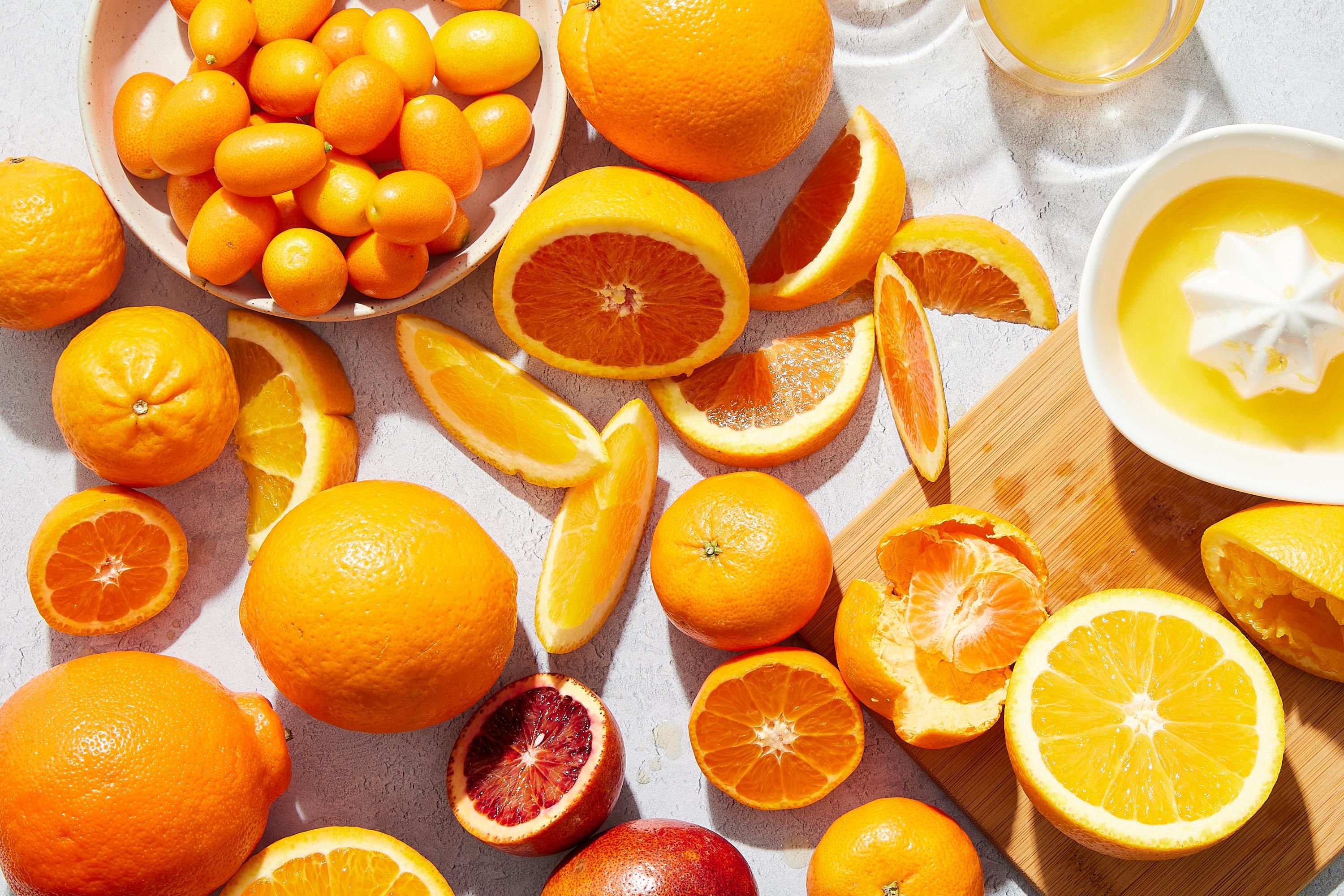
Winter gets a bad rap. The days are short, the air hurts your face, and your car windshield suddenly develops a personal vendetta.
But winter does have one undefeated superpower: fruit that tastes like someone turned the saturation up on flavor.
While summer fruit is out there being loud and juicy (respect), winter fruit shows up with bright citrus, jewel-toned pomegranates,
and crisp apples that somehow still snap in February like they have something to prove.
This guide is your delicious, no-stress answer to the question, “What should I be buying right now?” We’ll cover the best winter fruits
in season across the U.S., plus how to pick them, store them, and actually use them before they become “a science experiment in the crisper drawer.”
What “In Season” Really Means in Winter
Winter seasonality in the U.S. is a mix of fresh harvests (hello, citrus), late-fall holdovers (pomegranates and persimmons),
and smart storage (apples and pears that were harvested months ago but are still living their best crisp life).
Climate matters, too: Florida and California dominate winter citrus, the Pacific Northwest shines with pears and apples,
and the Northeast and Upper Midwest rule the cranberry world.
Translation: winter fruit is not a sad compromise. It’s a very organized, very tasty supply chain with excellent PR.
The Best Winter Fruits in Season
Below are the winter MVPsfruits you’re most likely to find at peak flavor (or peak usefulness) during winter months.
Seasons vary by region and variety, but these are strong bets from early winter through late winter.
1) Navel Oranges
If winter had a mascot fruit, it would be the navel orange: sweet, easy to peel, and basically portable sunshine.
Look for fruit that feels heavy for its size (that usually means juicy). The skin doesn’t have to be flawlesscosmetic scuffs are normal.
- Best uses: Snacking, lunchbox wedges, citrus salads, fresh juice (yes, you canjust don’t expect Valencia-level yield).
- Quick idea: Orange segments + shaved fennel + olive oil + flaky salt = “I definitely planned this.”
- Storage: Counter for a few days, or refrigerate for longer; bring to room temp for maximum aroma.
2) Mandarins (Clementines, Satsumas, Tangerines)
Mandarins are the winter fruit equivalent of a group chat that never disappoints: small, sweet, and always ready.
Many peak in the heart of winter, which explains why they’re everywhere the moment you start craving “something fresh.”
- How to pick: Slightly soft is okay; avoid fruit with wet spots or a fermented smell.
- Best uses: Snacking, lunchbox “peel-and-eat” heroics, brightening grain bowls, or tossing into leafy salads.
- Fun move: Freeze peeled segments on a tray, then blend into smoothies like a citrus sorbet shortcut.
3) Grapefruit (Pink, Ruby Red, White)
Grapefruit is bold. It’s not here to whisper. In winter, it’s often at its juiciest and most aromaticperfect for people who like their fruit
with a little edge (and their breakfasts with a little drama).
- How to eat without wrestling: Supreme segments (cut peel/pith off, then slice between membranes) or go classic with a spoon.
- Best uses: Breakfast bowls, salads with avocado and greens, citrus vinaigrettes, or broiled with a sprinkle of sugar.
- Note: Grapefruit can interact with certain medicationscheck with your clinician/pharmacist if you’re unsure.
4) Blood Oranges
Blood oranges are winter’s flex: ruby flesh, berry-ish flavor, and a color that makes everything look like a restaurant plated it.
That dramatic pigment develops best with cool nightswinter’s way of saying, “You’re welcome.”
- Best uses: Salad showstopper, citrus curd, cocktail citrus, or simply sliced and stared at appreciatively.
- Pairing that never misses: Blood orange + dark chocolate + a pinch of sea salt.
- Storage: Refrigerate if you’re not eating within a few days; bring to room temp for best flavor.
5) Lemons (Including Meyer Lemons)
Lemons aren’t always thought of as “seasonal,” but winter is when many home gardeners and citrus-growing regions get especially excited.
And Meyer lemonssweeter, more floral, less aggressively souroften show up in winter and early spring, right when baking season needs a co-star.
- Best uses: Salad dressings, roasted veggies, lemony pasta, preserved lemons, and desserts that taste like clean joy.
- Micro-upgrade: Add lemon zest to anything creamy (yogurt, ricotta, oatmeal). Instant “chef energy.”
- Storage: Refrigerate to extend life; room temp is fine short-term.
6) Kiwifruit (Especially California Kiwi)
Kiwi is the underrated winter workhorse: sweet-tart, bright green, and happy to do everything from snacking to salsa.
California-grown kiwifruit is commonly marketed through the winter months, thanks to harvest timing and cold storage.
- How to pick: For “eat now,” choose kiwi that yields slightly to gentle pressure. For “later,” buy firmer fruit.
- Best uses: Fruit salads, yogurt bowls, green smoothies, or sliced on toast with nut butter (don’t knock it till you try it).
- Storage: Ripen on the counter; refrigerate once ripe. Want faster ripening? Put kiwi in a paper bag with a banana or apple.
7) Pears (Anjou, Bosc, Comice and Friends)
Pears are the soft-spoken geniuses of winter fruit: fragrant, buttery, and unfairly judged because people eat them too early.
Many popular varieties hit stores in fall and stay available deep into winter.
- How to know it’s ripe: Gently press the neck (near the stem). If it gives slightly, it’s ready.
- Best uses: Cheese boards, salads with walnuts, poached pears, baked pears with cinnamon, or sliced into oatmeal.
- Storage: Ripen at room temp; once ripe, refrigerate to slow the “now I’m perfect… now I’m mush” phase.
8) Apples (Yes, Still)
Apples are available year-round in the U.S. largely because modern storage keeps them crisp for months after harvest.
Winter is a great time to lean into varieties that stay snappy and flavorfulthink Honeycrisp, Fuji, Granny Smith, Pink Lady, and friends.
- How to pick: Firm, tight skin, no soft spots. A little russeting is fine; it’s basically a natural sweater.
- Best uses: Everything. Snack apples, baking apples, salad apples, “I ate an apple instead of cookies” apples.
- Storage: Refrigerate in the crisper for longest life; keep away from delicate produce if you want them to last (apples release ethylene).
9) Pomegranates
Pomegranates are late-fall into winter royalty: shiny, heavy fruit packed with jewel-like arils that make any dish look fancy.
They’re often harvested in the fall, and you’ll commonly see them through early winter (sometimes into January, depending on supply and storage).
- How to pick: Heavy for size, firm, and angular rather than perfectly round (that can signal mature arils pressing outward).
- Best uses: Salad sparkle, yogurt topping, grain bowls, mocktails, sauces for roasted chicken, or stirred into dark leafy greens.
- Mess management tip: Break apart under water in a bowl to keep juice from redecorating your shirt.
10) Persimmons (Fuyu & Hachiya)
Persimmons are the winter fruit that feels like a secret handshake. Two common types show up in the U.S.:
Fuyu (eat while firm, crisp like an apple) and Hachiya (only eat when very soft, custardy, and fully ripe).
Get that wrong and you will understand the meaning of the word “astringent” in a deeply personal way.
- Best uses: Fuyu sliced into salads; Hachiya baked into puddings, quick breads, and soft desserts.
- Storage: Ripen Hachiyas at room temp; refrigerate when ripe. Fuyus can chill like apples once you’re ready to slow them down.
11) Cranberries (Fresh, Frozen, Dried)
Cranberries are harvested in the fall, but they’re a winter staple because they store well and show up in everything from sauces to baked goods.
Fresh berries often linger into early winter; frozen cranberries are basically available whenever your muffin cravings strike.
- How to use beyond Thanksgiving: Toss into oatmeal, bake into orange-cranberry bread, or simmer into a quick sauce for pork or tofu.
- Shortcut: Freeze fresh cranberries right in the bag. No blanching required. They’re low-maintenance like that.
12) Kumquats
Kumquats are tiny citrus fruits that come with a built-in plot twist: the peel is sweet and the inside is tart.
They’re often in season during winter, and they’re perfect if you want citrus flavor without committing to peeling anything larger than a grape.
- How to eat: Pop whole and chew (yes, peel and all). Remove seeds if you’re feeling extra civilized.
- Best uses: Marmalade, salads, roasting pan sauces, cocktails, or candied for desserts.
13) Dates (A “Winter Pantry Fruit” Worth Knowing)
Dates are typically harvested earlier (late summer through fall in major U.S. growing regions), but they shine all winter because they store beautifully.
If winter had an official fruit for “I need dessert but I also need to pretend this is a health decision,” it would be a date.
- Best uses: Stuff with nut butter, chop into oatmeal, blend into smoothies, or use as a natural sweetener in energy bites.
- Pro move: Warm a date for 10 seconds and it becomes caramel-adjacent. You’re welcome.
How to Shop Winter Fruit Like You’re in on the Secret
Go heavy, not perfect
For citrus and pomegranates, weight is a great “juiciness” clue. For apples and pears, firmness matters more than cosmetic perfection.
A few scars just mean the fruit had a life.
Plan for “eat now” and “eat later”
Buy a mix: ripe pears for tonight, firm pears for next week; ripe kiwi for breakfast, firmer kiwi for midweek snacks.
Winter fruit is amazing, but it won’t pause time just because you’re busy.
Store smarter, waste less
- Citrus: Counter for short-term, fridge for longer storage.
- Apples: Refrigerate for maximum crunch longevity.
- Pears: Ripen on the counter, then refrigerate when ready.
- Pomegranate arils: Refrigerate in an airtight container; freeze extras for smoothies or salad “sparkle.”
- Cranberries: Freeze with zero effort and enjoy later.
Fast Ways to Use Winter Fruit (So It Doesn’t Become Counter Decor)
5-minute citrus salad
Slice oranges or grapefruit, drizzle olive oil, add a pinch of salt, and toss in a handful of nuts. Optional: a little honey. Mandatory: enjoying it.
Winter yogurt bowl that feels fancy
Greek yogurt + sliced kiwi + pomegranate arils + chopped dates. Add cinnamon and pretend you’re at a boutique hotel breakfast.
Roasted pear dessert (minimal effort, maximum applause)
Halve pears, sprinkle cinnamon, bake until tender. Top with yogurt or ice cream. You’re now “the person who makes desserts.”
Cranberry-orange quick sauce
Simmer cranberries with orange juice and a little sugar until they pop. Spoon onto pancakes, oatmeal, or savory dishes. It’s not just for turkey.
Are Winter Fruits “Good for Immunity”?
Winter fruitsespecially citrus and kiwiare strong sources of vitamin C, which supports normal immune function.
That said, no fruit can replace sleep, vaccines, handwashing, or the radical act of not licking subway poles.
Think of winter fruit as daily support: fiber for gut health, hydration, and nutrients that make your diet more resilient.
A practical angle: build a “winter fruit habit” you actually enjoymandarins after lunch, grapefruit with breakfast, kiwi in yogurt,
apples as your afternoon snack. Consistency beats perfection (and is far easier to maintain when it tastes good).