If you have psoriasis, you have probably heard at least one person say, “Just stop eating gluten,” “Try celery juice,” or “My cousin’s neighbor cured hers by quitting tomatoes.” Helpful? Maybe. Scientifically solid? Not always. Psoriasis is an immune-mediated inflammatory condition, which means your immune system is overactive and your skin gets pulled into the drama like an innocent bystander at a family argument.
Food does not “cause” psoriasis, and there is no magical psoriasis diet that works for everyone. But diet can influence inflammation, weight, heart health, blood sugar, gut health, and even how well some treatments work. In other words, what you eat may not be the main character in your psoriasis story, but it is definitely in the cast.
The best approach is not extreme restriction. It is building a psoriasis-friendly diet around anti-inflammatory foods, whole ingredients, steady blood sugar, and smart trigger tracking. Think less “punishment diet” and more “skin-supportive eating plan that does not make dinner feel like homework.”
How Diet and Psoriasis Are Connected
Psoriasis is linked with systemic inflammation, and people with psoriasis also have a higher risk of related conditions such as psoriatic arthritis, obesity, type 2 diabetes, high blood pressure, fatty liver disease, and cardiovascular disease. That is why nutrition advice for psoriasis often overlaps with advice for heart health and metabolic health.
An anti-inflammatory eating pattern may help reduce the background inflammation that can worsen flare-ups in some people. It may also support a healthier weight, which matters because excess body fat can produce inflammatory chemicals. This does not mean weight is a moral issue. It means body composition and inflammation can interact biologically, and improving overall health may improve psoriasis control.
Most experts agree on three big ideas: eat more whole plant foods, choose healthy fats and lean proteins, and limit foods that commonly promote inflammation, weight gain, or blood sugar spikes. Your skin may not send you a thank-you card, but it may become a little less dramatic.
Best Foods to Eat if You Have Psoriasis
1. Colorful Fruits and Vegetables
Fruits and vegetables are packed with fiber, vitamins, minerals, antioxidants, and polyphenols. These compounds help support immune function and may help calm oxidative stress, which is part of the inflammatory process.
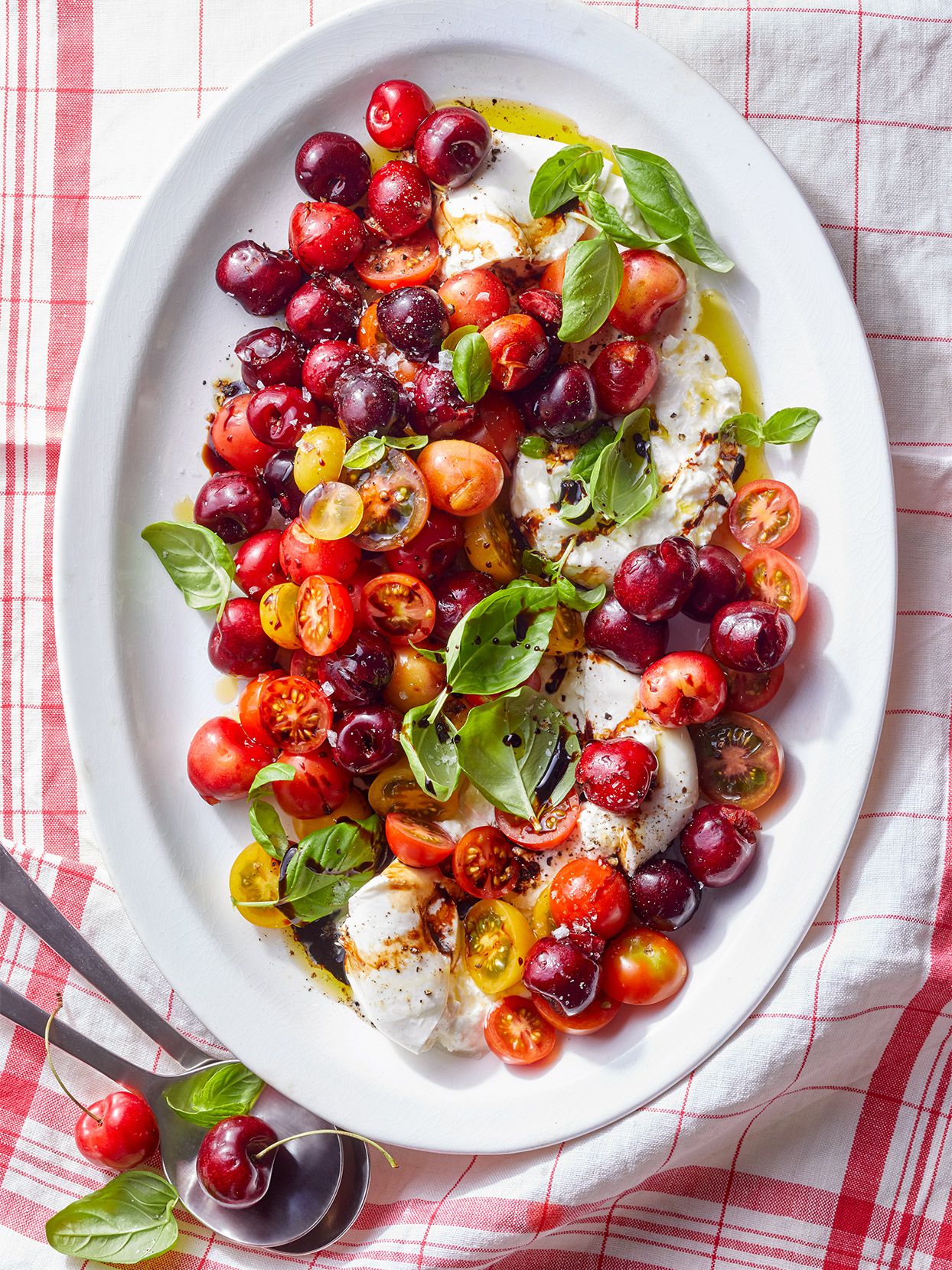
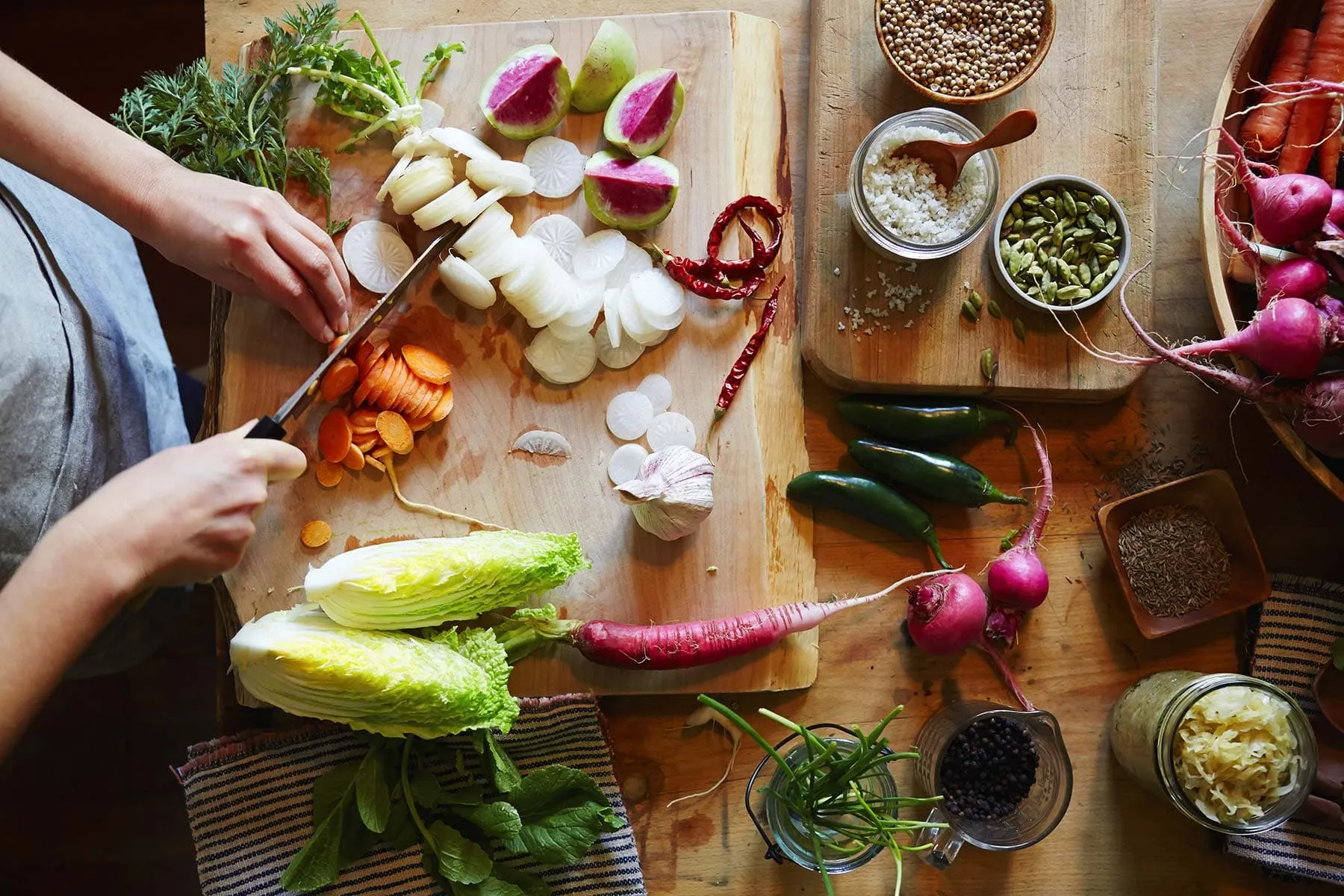
Good choices include berries, oranges, apples, cherries, spinach, kale, carrots, broccoli, peppers, squash, cabbage, and sweet potatoes. Aim for variety. A plate with several colors usually means a wider range of protective nutrients. If your dinner looks like beige-on-beige with a side of beige, it may be time to invite vegetables back to the party.
2. Fatty Fish Rich in Omega-3s
Fatty fish such as salmon, sardines, trout, tuna, herring, and mackerel contain omega-3 fatty acids, which are known for anti-inflammatory effects. Omega-3s may also support heart health, which is especially important because psoriasis is associated with a higher risk of cardiovascular problems.
A practical goal is to eat fatty fish about twice a week. Try baked salmon with olive oil and herbs, sardines on whole-grain toast, tuna over a salad, or trout with roasted vegetables. If you dislike fish, plant sources such as chia seeds, flaxseeds, hemp seeds, and walnuts can help, though they contain a different form of omega-3.
3. Whole Grains Instead of Refined Carbs
Whole grains contain fiber and nutrients that refined grains lose during processing. Better options include oats, brown rice, quinoa, barley, farro, whole-wheat bread, and whole-grain pasta. These foods digest more slowly than white bread, sugary cereal, pastries, and regular white pasta, which can help keep blood sugar steadier.
Stable blood sugar matters because high-glycemic foods can contribute to inflammation and weight gain. A bowl of oatmeal with berries and walnuts is far more skin-friendly than a frosted pastry that leaves you hungry again by 10 a.m. The pastry may be charming, but it is not exactly a long-term wellness strategist.
4. Beans, Lentils, and Other Plant Proteins
Beans, lentils, chickpeas, tofu, tempeh, edamame, and peas are excellent protein sources with fiber, minerals, and plant compounds. They are filling, budget-friendly, and helpful for gut health. Since the gut and immune system are closely connected, fiber-rich foods may support a healthier inflammatory balance.
Try lentil soup, black bean tacos, chickpea salad, hummus with vegetables, tofu stir-fry, or bean chili. These meals are hearty without relying heavily on saturated fat.
5. Nuts, Seeds, Olive Oil, and Avocado
Healthy fats are a major part of Mediterranean-style eating, which is commonly recommended as a smart pattern for people with inflammatory conditions. Extra-virgin olive oil, avocado, almonds, walnuts, pistachios, flaxseeds, chia seeds, and pumpkin seeds can help replace less helpful fats from fried foods, processed snacks, and fatty meats.
Use olive oil for salads and low-to-medium heat cooking. Sprinkle seeds into oatmeal or yogurt. Add avocado to a grain bowl. Keep nuts in reasonable portions, because they are nutrient-dense and calorie-dense. Translation: a handful is great; eating half the container while answering emails is a lifestyle plot twist.
6. Lean Proteins
Protein supports muscle, immune function, and satiety. Choose options such as skinless poultry, fish, eggs, tofu, tempeh, beans, lentils, and low-fat Greek yogurt if dairy agrees with you. Some people with psoriasis report that high-fat dairy worsens symptoms, but responses vary. If dairy seems suspicious, track it rather than declaring war on every cheese in America.
7. Fermented and Fiber-Rich Foods
Fermented foods such as yogurt with live cultures, kefir, sauerkraut, kimchi, and miso may support gut bacteria. Fiber-rich foods such as oats, beans, fruits, vegetables, and whole grains also feed beneficial gut microbes. Research on the gut-skin connection is still developing, but a gut-friendly diet is generally good for overall health.
Foods to Limit or Avoid With Psoriasis
1. Alcohol
Alcohol is one of the most commonly discussed psoriasis triggers. It may increase inflammation, interfere with sleep, affect the liver, worsen treatment response, and interact with certain psoriasis medications. For some people, alcohol clearly worsens flares; for others, the connection is less obvious.
If you drink, consider reducing your intake and watching your skin’s response. If you notice more itching, redness, scaling, or joint discomfort after drinking, your body may be sending a message louder than a smoke alarm in a studio apartment.
2. Ultra-Processed Foods
Ultra-processed foods include many packaged snacks, fast foods, frozen meals, sugary cereals, candy, soft drinks, processed pastries, and convenience foods high in added sugars, sodium, refined starches, and unhealthy fats. These foods can promote inflammation, weight gain, and blood sugar problems when eaten often.
You do not need to live like a monk who fears potato chips. But if ultra-processed foods are daily staples, replacing some of them with whole foods can be one of the most powerful psoriasis diet changes.
3. Added Sugars and Sugary Drinks
Soda, sweet tea, energy drinks, candy, desserts, flavored coffee drinks, and many packaged snacks can cause blood sugar spikes and contribute to inflammation. Sugary drinks are especially easy to overconsume because they do not fill you up the way solid food does.
Better swaps include water, sparkling water, unsweetened tea, coffee without heavy sugar, or fruit-infused water. If you love dessert, keep it intentional rather than automatic. Enjoy the brownie; just do not let brownies become your primary food group.
4. Refined Carbohydrates
White bread, white rice, regular pasta, pastries, crackers, and many breakfast cereals are low in fiber and can raise blood sugar quickly. These foods are not “poison,” but frequent high intake may contribute to inflammation and metabolic stress.
Choose whole-grain versions when possible. Build meals with fiber, protein, and healthy fats so your blood sugar rises more slowly. For example, swap a plain bagel with jam for oatmeal with berries and walnuts, or choose brown rice with salmon and vegetables instead of white rice with fried chicken.
5. Saturated Fats, Trans Fats, and Fried Foods
Foods high in saturated fats and trans fats can promote inflammation and raise cardiovascular risk. Common sources include fatty cuts of red meat, processed meats, butter-heavy foods, fried fast food, some packaged baked goods, and full-fat dairy products for people who are sensitive to them.
Trans fats are much less common than they used to be, but fried and heavily processed foods can still be loaded with less helpful fats. Choose grilled, baked, roasted, or steamed foods more often than fried foods.
6. Processed and Fatty Meats
Bacon, sausage, hot dogs, pepperoni, salami, and other processed meats are often high in saturated fat, sodium, and preservatives. Red meat can fit into some diets in modest amounts, but many psoriasis-friendly eating plans emphasize fish, poultry, beans, and plant proteins more often.
A practical swap: replace sausage at breakfast with eggs and spinach, or trade pepperoni pizza for a veggie-loaded pizza with grilled chicken or mushrooms. Your taste buds may complain for three minutes. They recover.
7. Gluten, But Only for the Right People
Gluten is a protein found in wheat, barley, and rye. Some people with psoriasis also have celiac disease or gluten sensitivity. For those people, a gluten-free diet may improve symptoms and is medically necessary for celiac disease.
However, going gluten-free is not automatically better for everyone with psoriasis. Many gluten-free packaged foods are still highly processed and low in fiber. If you suspect gluten is a trigger, ask your doctor about screening for celiac disease before eliminating gluten completely. Testing is most accurate while you are still eating gluten.
8. Nightshade Vegetables: Maybe, Maybe Not
Nightshades include tomatoes, potatoes, eggplant, and peppers. Some people report improvement after avoiding them, but strong evidence is limited. These foods also contain useful nutrients, so removing them without a clear reason may not help.
If you suspect nightshades bother you, use a short, structured elimination trial with guidance from a healthcare professional. Remove them for a few weeks, track symptoms, then reintroduce one at a time. Do not blame tomatoes just because they were standing near the flare-up.
Is the Mediterranean Diet Good for Psoriasis?
The Mediterranean diet is one of the most practical eating patterns for psoriasis because it focuses on anti-inflammatory foods without being overly restrictive. It emphasizes vegetables, fruits, whole grains, beans, lentils, nuts, seeds, olive oil, herbs, fish, and moderate amounts of poultry, eggs, and dairy.
This pattern is also linked with better heart health, which matters because psoriasis is associated with cardiovascular risk. A Mediterranean-style plate might include grilled salmon, quinoa, roasted vegetables, olive oil, lemon, and a side of berries. It is flavorful, flexible, and does not require you to buy mysterious powders from a person filming in their car.
A Simple Psoriasis-Friendly Meal Plan Example
Breakfast
Oatmeal topped with blueberries, chia seeds, walnuts, and cinnamon. Add plain Greek yogurt or a boiled egg for extra protein if desired.
Lunch
A Mediterranean bowl with mixed greens, chickpeas, grilled chicken or tofu, quinoa, cucumbers, tomatoes, olive oil, lemon juice, and herbs.
Snack
Apple slices with almond butter, carrots with hummus, or a handful of walnuts with an orange.
Dinner
Baked salmon or lentil stew with roasted broccoli, sweet potato, and a side salad dressed with olive oil and vinegar.
Drinks
Water, sparkling water, unsweetened tea, or coffee in moderation. Limit sugary drinks and alcohol, especially if they seem to trigger symptoms.
How to Find Your Personal Food Triggers
Psoriasis triggers vary from person to person. One person may flare after alcohol, while another notices no change. One person may feel better avoiding dairy, while another thrives on yogurt and kefir. That is why a food journal can be more useful than a random list from the internet.
Track what you eat, your stress level, sleep quality, alcohol intake, medications, menstrual cycle if relevant, infections, weather changes, and psoriasis symptoms. Do this for at least four to six weeks. Patterns are easier to see over time.
If you try eliminating a food, remove only one category at a time. Otherwise, you will not know what helped. Reintroduce the food later and watch for changes. Ideally, do this with help from a registered dietitian, especially if you are cutting out major food groups.
Supplements: Helpful or Hype?
Many supplements are marketed for psoriasis, including fish oil, vitamin D, turmeric, probiotics, selenium, and others. Some may be useful for general health or specific deficiencies, but supplements should not replace medical treatment. Evidence is mixed, doses vary, and some supplements can interact with medications.
The safest first step is food. Get omega-3s from fish, fiber from plants, antioxidants from colorful produce, and vitamin D from appropriate foods, sunlight exposure, or supplements if your clinician recommends them. Before starting supplements, ask your dermatologist, primary care doctor, or pharmacist.
Experience Section: What Eating With Psoriasis Can Feel Like in Real Life
Living with psoriasis can turn eating into a strange detective story. You enjoy pizza on Friday, wake up itchy on Saturday, and suddenly the tomato sauce, cheese, crust, pepperoni, and your cousin’s stressful group chat are all suspects. The truth is usually more complicated. Flares often come from a mix of triggers: stress, poor sleep, alcohol, infection, weather changes, skipped medication, and yes, sometimes food.
A realistic psoriasis diet experience usually starts with awareness, not perfection. Many people begin by noticing that certain patterns make them feel worse: several nights of alcohol, lots of takeout, sugary snacks, or a week of low sleep paired with high stress. The skin may become redder, plaques may feel thicker, or itching may increase. This does not prove one food is guilty, but it does suggest the body may be overloaded.
The most successful approach tends to be gradual. Instead of clearing the kitchen like a dramatic reality-show makeover, start with one or two changes. Add a vegetable to lunch. Replace soda with sparkling water most days. Cook fish once a week. Choose oatmeal instead of a sugary breakfast. Add beans to soup. These small changes are boring in the best possible way: they are doable.
One common experience is that people feel better overall before they see obvious skin changes. Digestion may improve. Energy may become steadier. Afternoon cravings may calm down. Sleep may improve when alcohol and late-night sugar are reduced. Then, over several weeks, some people notice fewer flares or less intense symptoms. Others may not see major skin changes but still improve cholesterol, blood sugar, or weight, which supports long-term health.
Social eating can be tricky. Nobody wants to be the person interrogating a salad dressing at a birthday dinner. A flexible plan helps. Eat well most of the time, enjoy special foods without panic, and return to your usual habits at the next meal. Psoriasis-friendly eating should not make you afraid of food. Fear is not anti-inflammatory; it is just exhausting.
Another real-life lesson: do not compare your triggers with someone else’s. Your friend may swear that cutting dairy changed everything. You may cut dairy and only become sad near the cheese aisle. Someone else may quit gluten and feel better because they unknowingly had celiac disease. Personalization matters.
The best experience is usually built around teamwork. A dermatologist manages the medical side. A registered dietitian can help create a sustainable food plan. You bring the observations: what you eat, how you feel, what flares, what calms down, and what is realistic for your life. The goal is not to eat “perfectly.” The goal is to eat in a way that supports your skin, your joints, your heart, and your sanity.
Conclusion
So, what food should you eat or avoid if you have psoriasis? Eat more fruits, vegetables, whole grains, beans, lentils, nuts, seeds, olive oil, fatty fish, and lean proteins. Limit alcohol, ultra-processed foods, added sugars, refined carbs, fried foods, processed meats, and excessive saturated fats. Consider gluten-free eating only if you have celiac disease, gluten sensitivity, or positive testing that supports it.
The best psoriasis diet is not a quick cure. It is a sustainable anti-inflammatory eating pattern that supports your whole body. Psoriasis may live on the skin, but it is connected to the immune system, metabolism, heart health, stress, sleep, and lifestyle. Food is one useful tool in that toolbox. It is not the entire hardware store.
Note: This article is for educational purposes only and should not replace medical advice. If you have psoriasis, psoriatic arthritis, celiac disease symptoms, medication concerns, or major diet changes in mind, talk with a dermatologist, physician, or registered dietitian.