Note: This article is written for web publishing in standard American English and synthesizes practical laundry, energy-saving, fabric-care, home-organization, and indoor-air-quality guidance from reputable U.S.-focused sources.
A wooden clothes dryer may sound like something your great-grandmother would recognize instantly, right before telling you that your socks are folded wrong. But this simple household toolalso called a wooden clothes drying rack, wooden laundry rack, collapsible drying rack, or air-drying rackis having a well-earned comeback. In a world full of smart appliances, sensor-heavy dryers, and laundry rooms that look like spaceship control panels, a wooden rack quietly says, “I can dry your sweater without shrinking it into doll clothing.”
At its heart, a wooden clothes dryer is a non-electric drying solution made from wood slats, dowels, or frames that hold damp laundry while air does the work. It does not rumble, roast, beep, or demand a lint-trap intervention. It simply gives clothes space to release moisture naturally. For delicate fabrics, small apartments, utility-conscious households, and anyone trying to stretch the life of favorite garments, that simplicity is exactly the point.
Modern wooden clothes dryers come in many forms: classic accordion racks, wall-mounted drying racks, ceiling pulley racks, fold-flat designs, bamboo racks, and decorative laundry-room pieces that look more like furniture than chores. The best one depends on your space, laundry routine, climate, and patience level. Because yes, air drying takes longer than machine dryingbut it can also save energy, reduce fabric wear, and make your laundry setup feel less like a battle with hot metal.
What Is a Wooden Clothes Dryer?
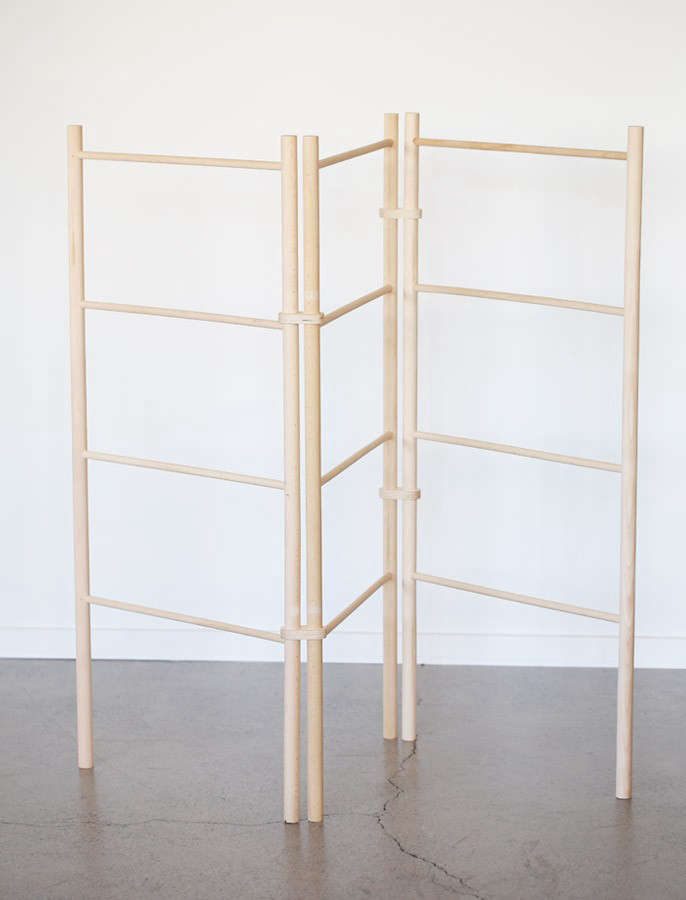
A wooden clothes dryer is a rack or frame used to dry wet laundry without electricity. Instead of tumbling clothes with heat, it holds garments in open air so moisture can evaporate. Most designs use hardwood, softwood, bamboo, or wood-composite parts arranged as rods, rails, or shelves. The classic version folds open like an accordion and offers multiple tiers for shirts, towels, socks, baby clothes, and delicates.
The phrase “wooden clothes dryer” can be slightly confusing because it does not usually mean a powered appliance made of wood. It refers to a clothes drying rack made from wood. Think of it as the quiet cousin of the electric dryer: less dramatic, less expensive to run, and far less likely to eat one sock per cycle.
Why Wooden Clothes Dryers Are Popular Again
Wooden drying racks are not new, but several modern habits have pushed them back into the spotlight. More people are buying clothing made from wool blends, athletic fabrics, linen, rayon, and other materials that dislike high heat. Many renters and apartment dwellers need laundry tools that fold away. Energy costs also make people more aware of how often they run large appliances. A wooden clothes drying rack fits neatly into all of those needs.
There is also the aesthetic factor. Metal and plastic racks can be useful, but wood brings warmth into a laundry area, bathroom, mudroom, balcony, or bedroom corner. A natural wood laundry rack can look intentional rather than temporary. It says, “I planned this,” even when the real plan was “Please dry before tomorrow morning.”
Main Benefits of a Wooden Clothes Dryer
It Helps Save Energy
One of the biggest advantages of a wooden clothes dryer is energy savings. Electric and gas dryers are convenient, but they use energy every time they heat and tumble a load. Air drying uses room temperature, airflow, and time. Even if you do not air-dry every load, using a wooden drying rack for delicates, workout wear, towels, or partial loads can reduce dryer use over the course of a year.
This is especially useful for households that do laundry frequently. Families with kids, athletes, pets, or a mysterious ability to create three baskets of laundry overnight can benefit from splitting loads: sturdy cotton items may go in the machine dryer, while delicate or quick-drying pieces go on the rack.
It Is Gentler on Clothing
Heat and tumbling can be hard on fabric. Machine drying may contribute to shrinking, fading, pilling, elastic breakdown, and general wear. A wooden clothes drying rack allows garments to dry without being tossed around. This is helpful for sweaters, bras, swimsuits, linen shirts, jeans with stretch, graphic tees, and anything with care labels that seem to whisper, “Please don’t cook me.”
Air drying is also useful when treating stains. If a stain remains after washing, dryer heat can set it more firmly into the fabric. Hanging or laying the item on a rack gives you a chance to check the stain before exposing it to heat.
It Works Well in Small Spaces
Many wooden clothes dryers are foldable, making them practical for apartments, dorm-style rooms, laundry closets, RVs, and compact homes. A folding wooden drying rack can open when needed and slide behind a door, under a bed, or beside a washing machine when not in use. Wall-mounted wooden drying racks are even more space-efficient because they fold flat against the wall.
For small-space living, a wooden clothes dryer is one of those boring purchases that becomes weirdly satisfying. Nobody throws a party for a drying rack, but when your favorite sweater dries safely without taking over the entire room, it feels like a tiny domestic victory.
It Can Be More Attractive Than Plastic
Wood has a natural charm that fits farmhouse, Scandinavian, cottage, minimalist, and traditional interiors. A wooden laundry rack can blend into a home better than a bright plastic rack or industrial metal frame. Bamboo racks, in particular, are popular because they are lightweight, renewable-looking, and visually clean.
Style is not the only reason to choose wood, of course, but it helps. Laundry is already repetitive enough. If your tools can look pleasant instead of like they escaped from a utility closet, that is a bonus.
Types of Wooden Clothes Dryers
Folding Accordion Wooden Drying Rack
The accordion rack is the classic design most people picture first. It opens into a freestanding frame with several horizontal rods. It is affordable, easy to move, and ideal for everyday items like shirts, socks, dish towels, pillowcases, and lightweight pants. The main advantage is flexibility: open it when laundry is wet, fold it when laundry is done, and pretend the pile waiting to be folded does not exist.
Wall-Mounted Wooden Drying Rack
A wall-mounted wooden clothes dryer attaches to a laundry room, bathroom, mudroom, or balcony wall. It typically folds down when in use and folds back up when not needed. This design is excellent for homes with limited floor space. Some models include multiple rods, side supports, or a small shelf for laundry supplies.
When choosing a wall-mounted rack, pay attention to installation. It should be anchored securely into studs or appropriate wall anchors, especially if you plan to dry jeans, towels, or heavier garments. Wet clothes are heavier than they look. A soggy bath towel has the personality of a small sandbag.
Ceiling-Mounted Wooden Pulley Rack
Ceiling-mounted drying racks are common in homes where vertical space is underused. Many have wooden slats suspended by cords and pulleys. You lower the rack to load laundry, then raise it closer to the ceiling where warmer air may help drying. This option is great for laundry rooms, bathrooms with good ventilation, and utility areas.
The ceiling rack has old-fashioned charm and modern practicality. It keeps laundry out of the way, which is wonderful unless you are tall and forget it is there. In that case, congratulations: you have discovered the indoor clothesline forehead test.
Bamboo Clothes Drying Rack
Bamboo is technically a grass, not wood, but bamboo drying racks are often grouped with wooden racks because they share a natural look and similar function. Bamboo is lightweight, visually warm, and frequently used in compact folding designs. It can be a good choice for people who want a natural material with a clean, spa-like appearance.
Flat Wooden Sweater Dryer
Some wooden clothes dryers include flat mesh or slatted sections for drying sweaters and delicate knits. Flat drying helps garments keep their shape. Hanging a wet sweater over a rod can stretch the shoulders or create fold marks, while laying it flat supports the whole garment.
How to Choose the Best Wooden Clothes Dryer
Consider Your Laundry Volume
Before buying a wooden clothes dryer, think about how much laundry you typically air-dry. If you only dry a few delicate pieces each week, a compact folding rack may be enough. If you wash several loads at a time, look for a larger rack with multiple tiers or a wall-mounted option that can handle heavier use.
Capacity matters, but bigger is not always better. A giant rack in a tiny apartment can quickly become a wooden obstacle course. Measure your available space before buying, especially the open footprint of folding models.
Check the Material and Finish
Good wooden clothes dryers are usually made from hardwood, bamboo, or sturdy finished wood. The rods should feel smooth to prevent snagging fabrics. Avoid racks with rough edges, splinters, sticky finishes, or loose joints. A sealed or finished surface can help resist moisture, but the finish should not transfer color or odor to clothing.
If you choose unfinished wood, be aware that repeated moisture exposure can eventually cause warping, staining, or mildew if the rack is not dried properly between uses. A smooth, sealed surface is generally easier to wipe clean.
Look at Weight Capacity
Not every wooden drying rack is designed for heavy laundry. Lightweight accordion racks may be perfect for shirts and delicates but less ideal for wet blankets or thick towels. Wall-mounted and ceiling-mounted racks often list a maximum weight capacity, and it is worth taking seriously. Overloading a rack can bend rods, loosen hardware, or create a laundry-room tragedy involving gravity and wet jeans.
Choose a Stable Design
A freestanding wooden clothes dryer should open fully and stand evenly. Wobbly racks are annoying and risky, especially in homes with pets, kids, or adults who walk into rooms while looking at their phones. Wider bases tend to be more stable, while locking hinges or firm joints help the rack stay open.
Think About Storage
If you want a folding rack, check its folded thickness. Some wooden racks collapse nearly flat, while others remain bulky. For wall-mounted racks, make sure there is enough clearance to fold down the rods without blocking doors, cabinets, or walkways.
Best Clothes to Dry on a Wooden Rack
A wooden clothes dryer is especially useful for items that dislike high heat. These include wool sweaters, cashmere blends, lingerie, swimsuits, activewear, linen garments, jeans with stretch, cotton shirts prone to shrinking, baby clothes, cloth napkins, reusable cleaning cloths, and embroidered pieces. It is also helpful for lightly damp items that only need finishing after a short machine-dryer cycle.
For heavier items like towels, hoodies, and jeans, air drying is possible but requires more spacing and better airflow. Turn thick garments once during drying so both sides get exposure. If the rack is crowded, clothes may dry slowly and develop a musty smell. Laundry needs personal space too.
How to Use a Wooden Clothes Dryer Correctly
Shake Clothes Before Hanging
After washing, shake each garment before placing it on the rack. This reduces wrinkles, separates fabric layers, and helps items dry more evenly. Button shirts can be shaped gently, pants can be smoothed at the seams, and towels can be snapped once or twice to loosen fibers.
Leave Space Between Items
The most common air-drying mistake is overcrowding. When clothes touch each other too closely, moisture gets trapped. Leave small gaps between garments so air can move. If you need to dry many pieces, use hangers on some rods or split the load between two racks.
Use Good Airflow
Airflow matters more than warmth. A laundry rack placed near a fan, open doorway, sunny window, or ventilation source will usually work better than one tucked into a stagnant corner. In humid weather, a dehumidifier can help indoor drying significantly. In bathrooms, use the exhaust fan if available.
Avoid Damp Corners
Indoor drying adds moisture to the air. That is not automatically a problem, but poor ventilation can encourage musty smells or mildew. Avoid placing a wooden clothes dryer directly against cold exterior walls or in rooms that already feel damp. If condensation appears on windows, increase airflow or reduce the amount of laundry drying indoors at one time.
Lay Knits Flat
Sweaters and heavy knits should be laid flat when possible. If your wooden rack does not have a flat drying shelf, place a clean towel over the top rods and lay the garment across it. Reshape shoulders, cuffs, and hems while damp. This helps prevent stretching and keeps the garment looking like clothing rather than a tired blanket.
How to Clean and Maintain a Wooden Clothes Dryer
A wooden clothes dryer is low-maintenance, but it still needs care. After each use, let the rack dry completely before folding or storing it. Wipe it occasionally with a dry or slightly damp cloth to remove lint, detergent residue, and dust. If the rack develops a rough spot, lightly smooth it with fine sandpaper and wipe away any dust before using it again.
Do not store a wooden rack while it is wet. Moisture trapped in folded joints can lead to odor, staining, or mildew. If the rack has metal hinges or screws, check them occasionally for rust or looseness. Tighten hardware as needed, especially on folding models that open and close often.
For bamboo or sealed wood racks, avoid harsh cleaners unless the manufacturer recommends them. A gentle wipe-down is usually enough. If a rack smells musty, place it in a dry, ventilated area until the odor clears. Persistent mold or deep staining may mean it is time to replace the rack.
Wooden vs. Metal vs. Plastic Drying Racks
Wooden drying racks are attractive, gentle on fabrics, and often sturdy enough for regular household use. Metal racks can be very strong and slim, but lower-quality metal may rust if coatings wear away. Plastic racks are lightweight and affordable, but they may bend, crack, or look less polished over time.
The best choice depends on your priorities. Choose wood if you want a natural look, fabric-friendly rods, and a traditional feel. Choose metal if you need maximum strength in a slim frame. Choose plastic if budget and lightweight handling are the top concerns. For many homes, a wooden clothes dryer offers the best balance of function and style.
Common Mistakes to Avoid
Overloading the Rack
Wet clothes can be surprisingly heavy. Overloading a wooden clothes dryer may weaken joints or cause the rack to collapse. Spread weight evenly and reserve heavy items for stronger rods or separate drying methods.
Drying Clothes Too Close Together
If garments are packed tightly, drying slows down. Worse, clothes can smell stale. Give each item enough room for air to circulate.
Ignoring Humidity
Air drying works best in dry, ventilated spaces. In humid rooms, use a fan, dehumidifier, open window, or exhaust fan. Otherwise, your laundry may stay damp long enough to make you question every life choice that led to laundry day.
Using Rough or Damaged Wood
Splinters and rough rods can snag delicate fabrics. Inspect your rack occasionally and smooth any problem areas before they attack your favorite blouse.
Practical Examples for Different Homes
In a small apartment, a folding bamboo or wooden accordion rack works well because it can be stored behind a door. In a family laundry room, a wall-mounted wooden rack above a washer or utility counter can handle delicates without stealing floor space. In a farmhouse-style mudroom, a ceiling-mounted wooden pulley rack can dry towels, socks, and outdoor layers while adding vintage charm.
For a renter, the best option may be a freestanding rack that requires no installation. For a homeowner renovating a laundry area, a built-in wall-mounted rack can be both functional and beautiful. For someone who washes workout clothes daily, a compact rack near a fan may be enough to keep synthetic fabrics out of the dryer and in better shape.
Is a Wooden Clothes Dryer Worth It?
Yes, a wooden clothes dryer is worth it for many households. It is affordable, reusable, energy-saving, and gentle on clothing. It is especially valuable if you own delicate garments, live in a small space, want to reduce dryer use, or simply prefer tools that do their job without making noise. While it will not replace a machine dryer for every household or every load, it can become one of the most useful laundry accessories you own.
The key is choosing the right size and using it correctly. A well-made wooden drying rack with smooth rods, stable construction, and enough capacity can last for years with basic care. It may not be glamorous, but neither is lint. At least the rack has charm.
Extra Experience: What Using a Wooden Clothes Dryer Is Really Like
The first thing you notice when using a wooden clothes dryer is how much calmer laundry feels. That sounds dramatic for a rack with dowels, but it is true. Instead of rushing everything from washer to dryer and hoping nothing shrinks, you start sorting with intention. Sweaters go flat. T-shirts get shaken smooth. Workout clothes hang with breathing room. The process becomes slower, but not in a bad way. More like making coffee with a French press instead of punching a vending machine.
One practical experience is that placement matters more than the rack itself. A wooden drying rack in a dead-air corner can make laundry take forever. Move the same rack near a fan or sunny window, and suddenly it performs like it went to laundry college. In winter, placing it nearbut not directly againsta heat source can help. In summer, airflow is king. A small fan on low speed can make a huge difference, especially for cotton shirts and towels.
Another lesson is that wooden racks reward good spacing. At first, it is tempting to use every inch of every rod. That turns the rack into a damp clothing sandwich. Shirts dry slower, sleeves stay wet, and everything smells less “fresh linen” and more “forgotten gym bag.” Leaving gaps feels inefficient, but it actually speeds up drying. For large loads, two smaller racks often work better than one overcrowded rack.
Wooden clothes dryers are also excellent for preserving favorite garments. A soft sweater that might shrink in a hot dryer can dry safely when laid flat across a towel. Dark jeans keep their color better when they avoid repeated high heat. Bras, swimsuits, and elastic waistbands last longer when they are not baked. Over time, this can save money because clothing replacement slows down. Your wardrobe stays wearable, and your dryer gets fewer chances to commit fabric crimes.
There are a few small annoyances. Folding wooden racks can pinch fingers if handled carelessly. Some cheaper racks wobble when loaded unevenly. Thick towels take patience. And if you forget to put the rack away, it can become a temporary furniture piece called “Laundry Mountain.” Still, these are manageable problems. The fix is simple: buy a sturdy rack, dry heavy items separately, and fold the rack as soon as clothes are dry.
The most satisfying part is the sense of control. A wooden clothes dryer lets you decide which garments deserve gentle drying, which items need reshaping, and which pieces should avoid heat. It also makes laundry visible, which can be motivating. When clothes are hanging neatly, you can see progress. When they are trapped in a dryer, you mostly hear thumping and hope for the best.
For anyone new to air drying, start small. Do not attempt five loads on one rack and declare the method impossible. Begin with delicates, sweaters, graphic tees, or workout clothes. Learn where the air moves best in your home. Notice how long different fabrics take. Cotton may need more time, while synthetics can dry quickly. Once you understand your space, a wooden clothes dryer becomes less of an old-fashioned tool and more of a smart, low-tech laundry strategy.
Conclusion
A wooden clothes dryer is simple, practical, and surprisingly useful in modern homes. It saves energy by reducing machine-dryer use, protects delicate fabrics from heat damage, fits small spaces, and adds a natural look to the laundry routine. Whether you choose a folding wooden drying rack, a wall-mounted model, a bamboo rack, or a ceiling pulley design, the best results come from good airflow, smart spacing, and proper care.
In a laundry world full of buttons, cycles, alerts, and mystery settings, the wooden clothes dryer remains refreshingly straightforward. Open it, hang clothes, let air do its thing. Sometimes the smartest household tools are not the flashiest onesthey are the ones that quietly work for years while asking for almost nothing in return.