Note: This original article is written for web publication in standard American English and is based on real location details about Abbeywood Estate Cheshire, combined with professional outdoor family photography practices.
There are some places that make a photographer feel as if the camera packed itself, buckled its own seat belt, and whispered, “Trust me, we’re going to have a good day.” Abbeywood Estate in Cheshire is one of those places. Tucked into the Delamere countryside, this 45-acre estate brings together gardens, woodland, elegant buildings, open lawns, and that wonderfully unpredictable British weather that keeps every photographer humble. One minute you are chasing soft light through a garden path; the next, you are negotiating with a cloud like it is a tiny gray art director.
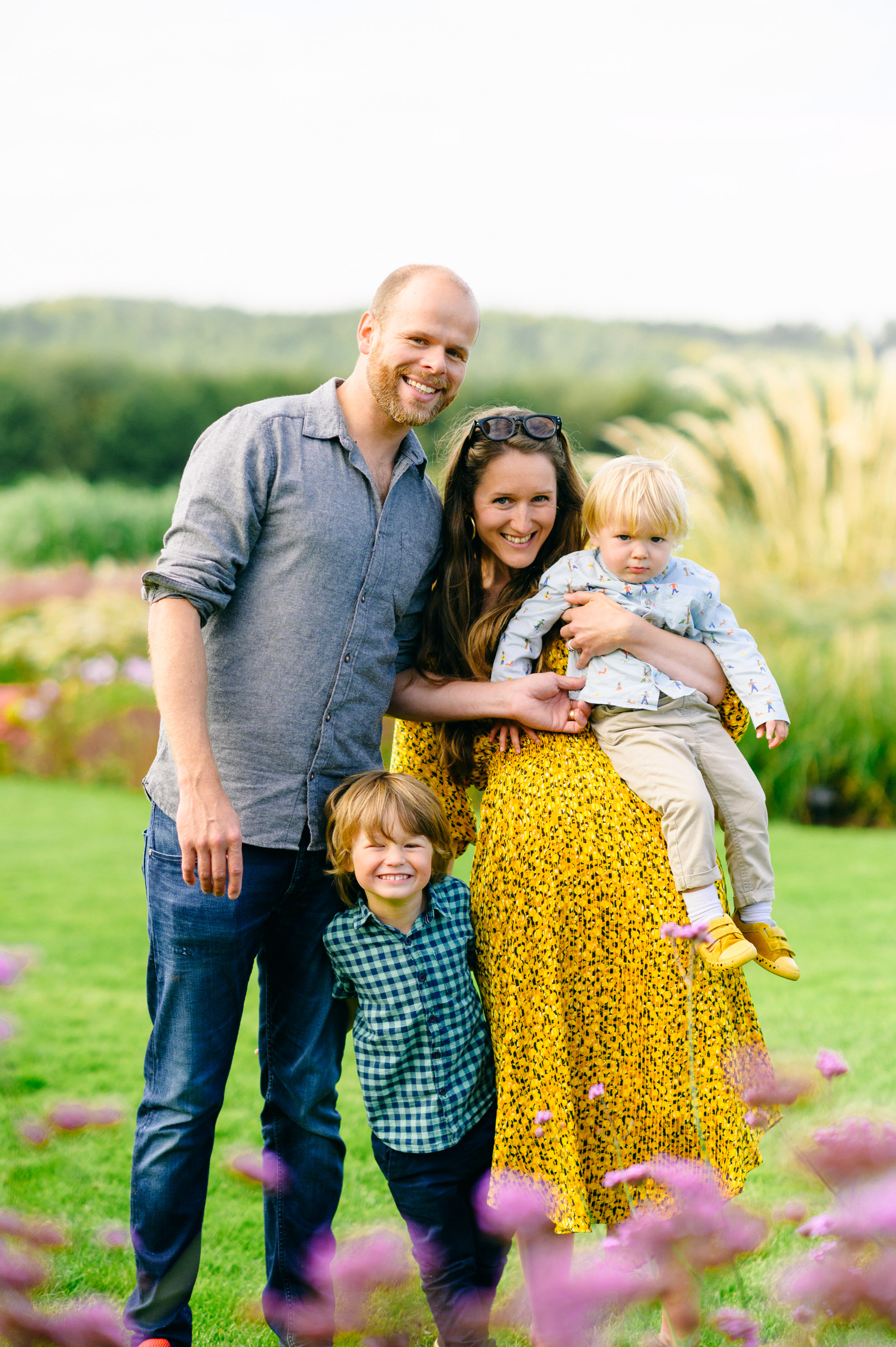
When I photographed a family session at Abbeywood Estate Cheshire, the goal was not to create stiff portraits where everyone looked like they had been politely trapped in a school yearbook. The goal was warmth, movement, connection, and real family energy. You know the kind: the hand squeeze, the half-laugh, the toddler escape attempt, the parent trying to smile while quietly wondering whether someone packed snacks. That is where family photography becomes more than a record of what people looked like. It becomes a record of how they felt together.
Abbeywood Estate is especially suited to this kind of storytelling. Its gardens offer texture, color, and depth without overwhelming the people in the frame. The setting feels refined but not fussy, spacious but not empty, polished but still natural. For a family photography session in Cheshire, that balance is gold. Actually, it is better than gold, because gold reflects too much light and makes skin tones weird. Let us call it photographer-approved magic.
Why Abbeywood Estate Works So Beautifully For Family Photography
Great family portraits need more than a pretty background. They need a place where people can relax. Abbeywood Estate gives families room to breathe, wander, play, and settle into the session without feeling like every step is being staged. That matters because the best family photos usually happen between the “official” poses. They happen while walking from one garden area to another, while a child picks a favorite path, or while parents share a quick laugh because nobody knows where to put their hands. Hands are the eternal mystery of portrait photography.
The estate’s mixture of garden spaces, lawn areas, woodland edges, and architectural features makes it easy to build variety into a gallery. A family session can begin with classic portraits near a clean garden backdrop, move into candid walking photos along a path, then shift into playful images on open grass. Instead of changing outfits or adding props, the location itself does the heavy lifting. That is the beauty of photographing families at Abbeywood Estate: the scenery creates natural chapters.
A Location With Depth, Texture, And Story
Outdoor family portraits are strongest when the environment supports the people rather than competing with them. Abbeywood’s gardens provide layers: flowers in the foreground, greenery in the background, pathways that guide the eye, and architectural details that add structure. These elements help create images that feel intentional, not random. A family standing in front of a hedge is a photo. A family framed by garden lines, soft light, and natural interaction becomes a story.
During the session, I looked for backdrops that would add atmosphere but still keep attention on the family. Natural elements like trees, flowers, stone paths, and soft foliage work especially well because they can blur gently behind the subjects. This creates that dreamy, polished portrait look without making the photo feel artificial. The family remains the star of the image; the estate becomes the supporting cast member with excellent manners.
Planning The Family Session Before The First Photo
A successful family session rarely begins when the shutter clicks. It begins with planning. Before photographing at a venue like Abbeywood Estate, I think about light direction, walking distance, group size, children’s ages, wardrobe colors, and backup options if the weather decides to develop a dramatic personality. Outdoor photography rewards preparation, but it also demands flexibility. You can plan the route, the timing, and the first few compositions, but you cannot plan whether a child suddenly decides that a leaf is the most important object in human history.
For this Abbeywood Estate family session, I wanted a relaxed flow. Families do better when the session feels like a guided walk rather than a formal appointment. I usually start with the simplest images first: everyone together, looking toward the camera, gently connected. This gives the family a safe beginning and helps parents relax because they know the “must-have” photo is already done. After that, the session can loosen up. We move into walking prompts, parent-child portraits, sibling moments, and candid frames that feel more alive.
Wardrobe Choices That Fit The Estate
For a garden setting like Abbeywood Estate Cheshire, wardrobe matters, but it does not need to become a military operation. Coordinated is better than matching. Soft neutrals, muted earth tones, gentle blues, creams, warm browns, and dusty greens tend to sit beautifully against garden backdrops. Loud logos, neon colors, and tiny busy patterns can pull attention away from faces. The goal is for clothing to feel like part of the story, not like it wandered in from a different website banner ad.
Comfort is just as important as color. Families move during outdoor sessions. Children sit, run, twirl, crouch, and occasionally become tiny philosophers examining gravel. Parents may lift children, walk through grass, or kneel for a cuddle. Clothing should allow all of that. When people feel physically comfortable, they look emotionally comfortable. And emotional comfort photographs beautifully.
Working With Light At Abbeywood Estate
Light is the boss of outdoor photography. The camera may be expensive, the lens may be fancy, and the photographer may have had coffee, but light still runs the meeting. At Abbeywood Estate, the variety of gardens and shaded areas makes it possible to work creatively throughout different parts of the day. Open shade is especially helpful for family portraits because it softens shadows and keeps people from squinting. Squinting is not a family heirloom we need to preserve.
Golden hour, the period shortly before sunset, can be wonderful at a location like Abbeywood. The light becomes warmer, shadows stretch, and skin tones often look soft and flattering. However, golden hour is not a magic button. A photographer still needs to watch the background, avoid harsh patches of dappled light, and keep the family positioned so faces remain clear. When used well, late-day light adds glow and atmosphere without turning the image into a sun flare festival.
Balancing Background And Faces
One of the challenges in outdoor family photography is balancing a beautiful background with well-lit faces. A garden may look stunning, but if the family is standing in uneven light, the portrait can feel distracting. I often look for areas where the light is consistent from head to toe. That might mean placing the family at the edge of shade, turning them slightly away from direct sun, or using the shape of trees and buildings to filter the light.
At Abbeywood, the estate’s mixture of open and sheltered spaces gives a photographer choices. If the sky is bright, shaded paths and garden edges become valuable. If clouds soften everything, the lawns and wider garden views can work beautifully. The key is not to force one specific idea. The key is to read the light, adjust quickly, and keep the family feeling as if everything is completely under control, even when the sun is behaving like it forgot the schedule.
Camera Settings And Technical Choices
For family photography, technical choices should support emotion, not interrupt it. A family session is not the time to spend five minutes fiddling with settings while a toddler slowly loses faith in the entire adult world. I prefer settings that give me enough depth of field to keep multiple people sharp while still allowing the background to fall softly away.
For individual portraits or parent-child images, a wider aperture can create separation and a soft background. For larger family groupings, stopping down is usually smarter because everyone needs to be in focus. A shutter speed fast enough to freeze movement is essential, especially with children. Kids do not move like adults. They move like ideas. One second they are standing still; the next, they are halfway to a flower bed with the confidence of an explorer.
Autofocus matters too. For moving families, I like to keep focus responsive and precise, especially when photographing children walking, hugging, spinning, or leaning into parents. Sharp eyes make portraits feel alive. Soft focus, on the other hand, is only charming when it is intentional. Otherwise, it is just the camera quietly betraying you.
Directing Without Making It Feel Directed
The best family photos often look effortless, but they usually come from gentle direction. Most people are not professional models, and families do not arrive knowing how to arrange themselves naturally in flattering light. That is the photographer’s job. The trick is to guide without turning the session into a choreography lesson.
At Abbeywood Estate, I used simple prompts rather than rigid poses. “Walk toward me slowly.” “Look at the person who makes the worst jokes.” “Hold hands and squeeze twice.” “Everyone look at the youngest.” These prompts create real reactions. They also prevent the dreaded frozen smile, which appears when people have been told to say “cheese” for too long and begin questioning all life choices.
Creating Connection In Group Portraits
Physical connection is one of the easiest ways to make a family portrait feel warm. Hands on shoulders, children tucked close, parents leaning in, siblings standing close enough to look related but not close enough to start a small argument. The goal is not perfection. The goal is closeness. When people connect physically, the portrait gains emotional structure.
For larger family groups, I build the pose gradually. I begin with the core family members, then add others in a way that creates balance. I avoid lining everyone up like a sports team unless that is the intended look. Triangles, staggered heights, seated and standing combinations, and slight angles make the composition more dynamic. The viewer’s eye moves through the frame instead of stopping at a flat row of faces.
Photographing Children At Abbeywood Estate
Children bring energy, honesty, and total unpredictability to a family session. This is both the challenge and the charm. At a place like Abbeywood Estate, children have space to move, which helps the session feel less restrictive. Instead of asking them to stand still for too long, I like to create moments that let them participate naturally.
Walking prompts work well. So do games, gentle races, looking for favorite flowers, holding a parent’s hand, or sitting together for a quick cuddle. The aim is to give children something to do. When kids are engaged, their expressions become real. When they are over-directed, their faces often say, “I have spoken with my legal team, and I object.”
Letting The Session Breathe
One of the biggest mistakes in family photography is rushing. Families need small pauses. Children need breaks. Parents need reassurance. A beautiful location like Abbeywood Estate allows the session to breathe because moving between areas naturally creates resets. If one setup does not work, there is always another path, another patch of light, another backdrop waiting quietly nearby.
Some of my favorite images from family sessions happen during these in-between moments. A child reaching for a parent’s hand. Someone laughing while walking. A grandparent watching the chaos with loving amusement. These are not always the photos people think they want before the session, but they are often the ones they treasure later.
The Role Of Abbeywood’s Gardens In The Final Gallery
A strong family gallery should have variety. It should include wide environmental portraits, medium family groupings, close-up emotional moments, individual portraits, and candid details. Abbeywood Estate makes this variety feel natural. The gardens can provide elegant wide shots that show the sense of place, while smaller corners allow for intimate portraits with soft backgrounds.
The estate’s garden features help tell a visual story without needing excessive props. A path can suggest movement. A lawn can create playfulness. Woodland edges can add calm and depth. Flowers can introduce softness and seasonal color. Architecture can bring structure and polish. Together, these elements help the gallery feel complete rather than repetitive.
Why Location Matters For SEO And Client Experience
For photographers, location-based storytelling also matters online. A blog post about an Abbeywood Estate Cheshire family session can help future clients understand what the experience feels like. It is not only about showing pretty images. It is about answering practical questions: Is the location suitable for children? Does it offer variety? Can we get natural photos there? What should we wear? How does the photographer guide the session?
When written well, a session blog becomes both a portfolio piece and a helpful guide. It supports search intent for terms like Abbeywood Estate Cheshire family session, Cheshire family photographer, outdoor family photos Cheshire, and family portrait session at Abbeywood Estate. More importantly, it gives potential clients confidence. They can picture themselves there, which is often the first step toward booking.
Editing The Abbeywood Estate Family Photos
Editing outdoor family photos requires restraint. The goal is to enhance the mood without making the final images look as if they were dipped in pumpkin spice. For an Abbeywood Estate session, I would typically keep skin tones natural, preserve the greens carefully, and maintain the softness of the setting. Garden locations can sometimes reflect green onto skin, so color correction matters. Nobody wants to look like they are slowly becoming a houseplant.
I prefer a clean, warm, timeless edit for family sessions. Trends come and go, but families usually want images that still feel beautiful years later. That means avoiding extreme filters, crushed shadows, over-bright whites, or color grading that overwhelms the real atmosphere. Abbeywood already has character. The editing should respect that character, not shout over it.
What This Session Taught Me
Photographing a family session at Abbeywood Estate Cheshire reinforced something I believe deeply: family photography works best when people feel free to be themselves. The location can be stunning, the light can be lovely, and the camera can be technically perfect, but the heart of the session is still connection. The best images come when a family stops performing and starts interacting.
Abbeywood helped create that atmosphere. The estate gave us beauty without pressure, elegance without stiffness, and enough variety to keep everyone engaged. The family could walk, pause, cuddle, laugh, and explore. As a photographer, I could move between guided portraits and natural documentary-style frames without forcing a dramatic change in mood.
That is why Abbeywood Estate is such a strong setting for family photography in Cheshire. It does not feel like a blank backdrop. It feels like a place with rhythm. Gardens, paths, trees, lawns, buildings, and seasonal details all contribute to the final story. For families who want portraits that feel polished but still personal, it is a location with real charm.
Additional Experience: Behind The Scenes Of Photographing At Abbeywood Estate Cheshire
Every family session has its own personality, and this one at Abbeywood Estate felt like a blend of calm planning and happy improvisation. I arrived with a route in mind, but as always, the location and family helped shape the final direction. That is one of the pleasures of photographing in a real outdoor estate rather than a controlled studio. You respond to what is happening in front of you: the light shifting across a path, a child discovering something interesting, a parent relaxing once they realize the session is not going to be painfully formal.
One of the first things I noticed was how useful the estate’s natural transitions were. Moving from one area to another gave the family little breaks without stopping the session. Instead of saying, “Let us pause for five minutes,” we simply walked. During those walks, I kept shooting. Some families think the camera only matters when everyone is posed, but walking images often reveal the best body language. Shoulders drop. Smiles become easier. Children forget they are being photographed. Parents stop managing every detail. The photos begin to feel less like a performance and more like a memory.
I also learned again how important it is to set expectations early. At the start of the session, I told the family that the children did not need to behave perfectly. That single idea can change the entire mood. Parents often arrive worried that their kids will not cooperate. But family photography is not about perfect cooperation. It is about creating enough structure for beautiful images while leaving room for real personalities. A child who wants to run can become a movement shot. A child who wants to hide behind a parent can become a tender portrait. A child who refuses to smile on command may still laugh two minutes later when someone says something ridiculous. Usually, I am willing to be that ridiculous person. It is a professional sacrifice.
The gardens at Abbeywood also encouraged me to slow down and think in layers. Instead of placing the family in front of the first pretty backdrop, I looked for depth: something soft in the foreground, clean light on faces, and texture behind them. This approach makes portraits feel more three-dimensional. It also gives the final gallery a more editorial quality, as though each image belongs to a larger visual story rather than a collection of separate snapshots.
Another memorable part of the experience was working with the changing light. Outdoor sessions always include small compromises. A spot that looks perfect from one angle may create uneven shadows from another. A bright background may need a slight repositioning. A child may choose the least photogenic patch of ground as their emotional headquarters. The job is to adapt without making the family aware of every technical adjustment. Confidence keeps the session relaxed. When the photographer stays calm, the family usually follows.
By the end of the session, what stood out most was not only the beauty of Abbeywood Estate but how well it supported natural family connection. The location offered enough elegance for classic portraits and enough freedom for candid storytelling. That combination is exactly what I look for in a family photography location. It gave us images that felt warm, seasonal, personal, and full of life. And yes, a few frames included the kind of spontaneous child-led chaos that no photographer could plan. Honestly, those are often the best ones.
Final Thoughts
Photographing a family session at Abbeywood Estate Cheshire was a reminder that great portraits are built from place, light, preparation, patience, and genuine connection. Abbeywood provides the scenery, but the family brings the meaning. When those two things meet in soft outdoor light, the result is a gallery that feels elegant without being stiff and emotional without being overly posed.
For families considering an outdoor portrait session in Cheshire, Abbeywood Estate offers a beautiful blend of gardens, countryside atmosphere, and visual variety. For photographers, it is the kind of location that rewards careful scouting, thoughtful composition, and relaxed direction. And for anyone worried that family photos might feel awkward, here is the good news: they do not have to. With the right setting, the right guidance, and maybe a snack hidden in someone’s pocket, a family session can feel less like a photo shoot and more like a lovely walk with proof that everyone was there, together, exactly as they were.