Love bugs sound adorable until they turn your windshield into abstract art and your front bumper into a tiny insect graveyard. These slow-flying, clingy little pests are famous across Florida, Texas, Louisiana, Mississippi, Alabama, Georgia, and other warm parts of the southern United States. They do not bite, sting, chew your house, or secretly plot against your family. Their crime is simpler: they arrive in swarms, splatter on vehicles, gather around porches, and make outdoor life feel like a low-budget disaster movie with wings.
The good news is that getting rid of love bugs is less about declaring chemical warfare and more about smart timing, quick cleanup, prevention, and making your home and car less attractive to them. You usually cannot eliminate every love bug in the neighborhood, but you can reduce the mess, protect your paint, and keep them from turning your patio into their honeymoon suite.
What Are Love Bugs?
Love bugs, often written as lovebugs, are small black flies with a reddish-orange area behind the head. Their scientific name is commonly associated with Plecia nearctica, and they belong to the March fly family. They get their romantic name because males and females are often seen attached while flying, resting, and generally making the rest of us feel awkward at gas stations.
Adult love bugs are usually most noticeable during two major seasonal flights: spring and late summer or early fall. In many Gulf Coast areas, the biggest swarms appear around May and September. The exact timing depends on temperature, moisture, and local weather. A rainy season followed by warm, bright days can make them seem to appear all at once, as if someone opened a bug confetti cannon.
Are Love Bugs Dangerous?
For people and pets, love bugs are mostly harmless. They do not bite, sting, transmit diseases, or poison your lawn. In fact, their larvae help break down decaying plant material and return nutrients to the soil. Nature gave them a useful job; unfortunately, nature also gave them terrible road manners.
The main problems are nuisance swarms, slippery or messy outdoor surfaces, clogged vehicle radiators, reduced windshield visibility, and possible vehicle paint damage. When love bugs hit your car and sit there in the sun, their remains can become harder to remove and may harm the finish. That is why the number-one rule of love bug season is simple: clean them off quickly.
Why Love Bugs Swarm Around Roads, Cars, and Homes
Love bugs are attracted to heat, light-colored surfaces, decaying plant odors, and certain compounds associated with vehicle exhaust after it has been exposed to sunlight. That explains why they seem to love highways, warm parked cars, lawn equipment, white walls, and sunny open spaces. They are not attacking your car personally. Your bumper just happens to smell like a romantic five-star restaurant to them.
They are also most active during warm daylight hours. Mid-morning through late afternoon is prime love bug traffic time. They are much less active at night, which is useful if you are planning a long drive and want fewer bug splats.
How to Get Rid of Love Bugs Around Your Home
1. Remove Yard Debris and Decaying Organic Matter
Love bug larvae develop in moist, decaying plant material such as grass clippings, leaf litter, thick thatch, and compost-like debris. You do not need to sterilize your yard like a hospital operating room, but you should keep organic buildup under control.
Rake heavy leaf piles, bag or compost grass clippings properly, clean up soggy plant debris, and avoid letting wet vegetation collect near porches, driveways, garages, and entryways. A tidy yard will not erase love bugs from the county, but it can reduce local breeding conditions and make your property less inviting.
2. Mow Regularly and Manage Lawn Thatch
Because larvae can thrive in grassy areas with decaying material, regular mowing helps reduce favorable habitat. Do not scalp the lawn, because stressed grass creates a new set of problems. Instead, mow at the recommended height for your turf type and remove excessive thatch if it becomes thick and spongy.
If love bugs are especially bad near your driveway or roadside lawn, pay extra attention to those zones. Keep edges trimmed, clear clippings from pavement, and avoid piling yard waste near areas where people park or walk.
3. Reduce Moisture Where Possible
Love bug larvae prefer damp organic matter. Fix drainage problems, avoid overwatering, and make sure gutters are not dumping water into piles of leaves or mulch. If you have low spots where wet grass clippings collect, level or drain those areas when practical.
This does not mean turning your landscape into a desert. It simply means avoiding the moist, rotting buffet that love bug larvae appreciate. If your yard smells like a compost pile after rain, love bugs may send thank-you notes.
4. Use Fans on Porches and Patios
Love bugs are not powerful flyers. A steady fan on a porch, patio, outdoor dining area, or garage workspace can make the area less comfortable for them. This is one of the easiest non-chemical tricks, especially during peak flight weeks.
Use an outdoor-rated fan and aim airflow across sitting areas or entry points. It will not stop every bug, but it can reduce the number landing on people, furniture, doors, and screens.
5. Vacuum or Rinse Outdoor Surfaces
If love bugs collect around windows, screens, garage doors, or porch lights, physical removal is often better than spraying. Use a shop vacuum for dry clusters or rinse surfaces with a garden hose. For sticky residue on siding, railings, or outdoor furniture, use mild soapy water and a soft cloth or sponge.
Avoid harsh scrubbing pads on painted surfaces. Love bugs are annoying, but scratching your own paint while removing them is like losing an argument to a fly.
6. Adjust Outdoor Lighting When Needed
Love bugs are active during the day and are not the same as moths swarming a porch light at midnight. Still, reducing unnecessary bright exterior lighting can help limit general flying insect activity around doors and windows. During love bug season, keep doors closed, repair screen tears, and use weather stripping around entry points.
If bugs are gathering on light-colored exterior walls, you may notice more activity there because love bugs are visually drawn to pale surfaces. You cannot repaint your whole house every season, but you can keep doors shut and use fans near problem areas.
How to Get Rid of Love Bugs on Your Car
1. Wash Them Off as Soon as Possible
The faster you remove love bugs from your vehicle, the easier the job becomes. Fresh bug residue usually comes off with water, car-safe soap, and a soft microfiber mitt. Dried, sun-baked residue is much more stubborn and may require repeated soaking.
After a heavy drive through love bug territory, rinse the front bumper, grille, hood edge, windshield, mirrors, and headlights the same day if possible. Think of it as brushing your car’s teeth after it eats a cloud of insects.
2. Soak Before Scrubbing
Do not attack dried love bugs with a dry towel. That can grind insect parts and road dust into your paint. Instead, wet the area thoroughly and let it soak for several minutes. Use car wash soap, warm water, or a bug-removal product designed for automotive finishes.
After soaking, wipe gently with a microfiber towel or wash mitt. Repeat the soak-and-wipe process if needed. Patience is cheaper than repainting a bumper.
3. Protect Paint With Wax, Sealant, or Ceramic Coating
A protected surface is easier to clean. Before love bug season arrives, wash your vehicle and apply a quality wax, paint sealant, or ceramic coating according to the product directions. These products create a sacrificial layer between bug residue and your clear coat.
Protection does not mean you can ignore bug splatter forever. It simply buys you time and makes cleanup easier. Even a well-protected car should be washed frequently during heavy love bug flights.
4. Use a Bug Screen or Hood Deflector
A front-end bug screen, grille screen, or hood deflector can reduce the number of insects hitting vulnerable areas. These accessories are especially useful for people who commute on highways during love bug season.
Check that any screen or deflector is installed correctly and does not block airflow. Love bugs can clog radiators during extreme swarms, so inspect your grille and cooling areas after long drives.
5. Avoid Rough Scrubbers and Random Kitchen Remedies
Some home remedies are popular, but not all are safe for modern automotive finishes. Avoid steel wool, stiff brushes, abrasive pads, strong solvents, and mystery chemicals from the back of the garage. Cooking spray, petroleum-based products, and harsh cleaners may create new problems when baked in the sun.
If you use any specialty bug remover, test it on a small area first and follow the label. For painted surfaces, microfiber and patience are your best friends. For glass, you can be slightly more aggressive, but still avoid anything that might scratch or smear.
Should You Use Insecticide for Love Bugs?
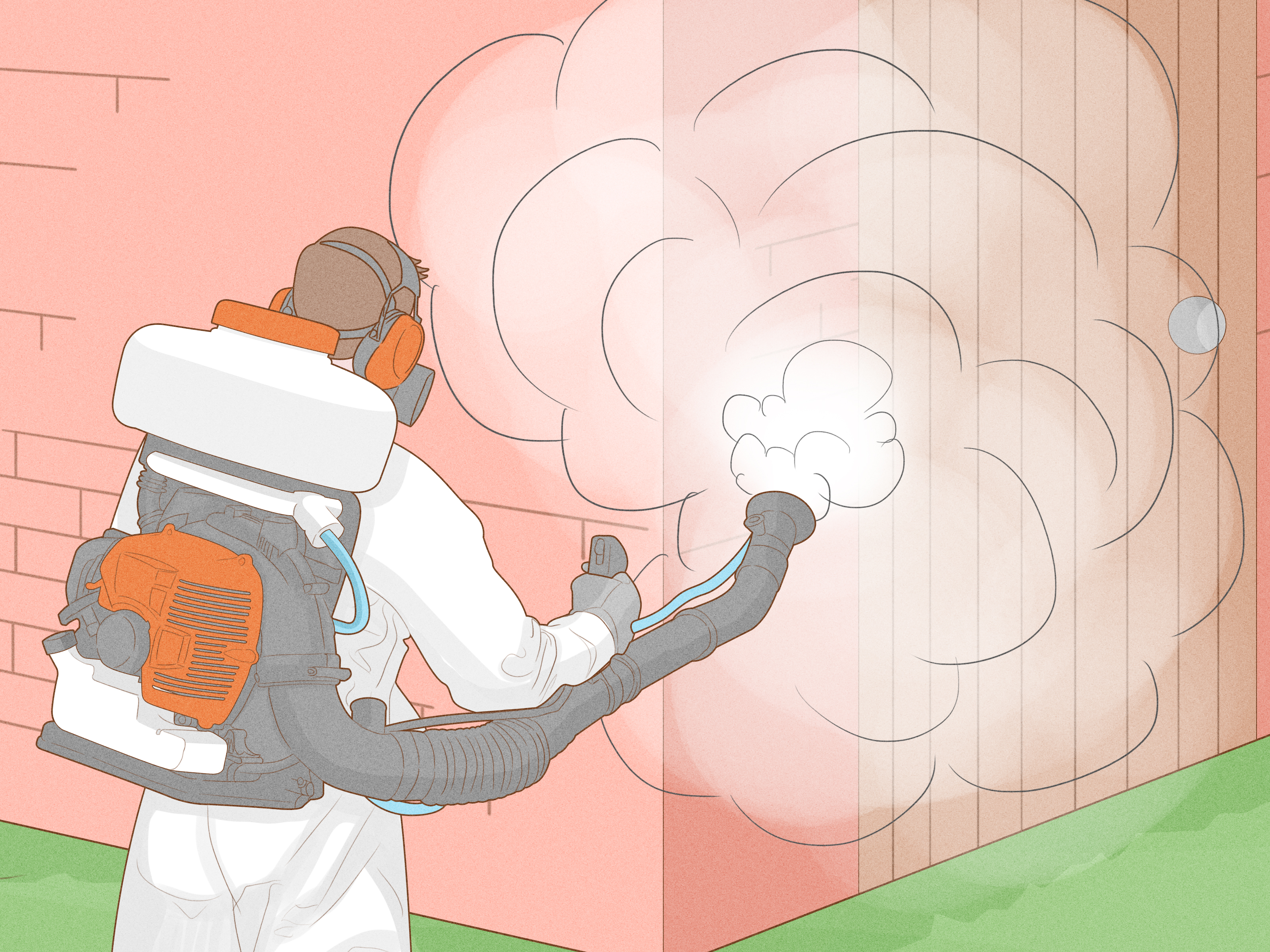
In most cases, insecticides are not the best answer. Love bug adults are short-lived, highly mobile, and spread over wide areas. Spraying may kill the insects currently sitting on a surface, but new ones can drift in soon after. During a heavy flight, that can feel like trying to empty the ocean with a coffee mug.
If you choose to use an insecticide for temporary outdoor relief, use only products labeled for the target area and follow every direction. Do not spray people, pets, cars, food-preparation areas, or flowering plants where pollinators are active unless the label specifically allows that use. More pesticide is not better; it is usually just riskier, messier, and more expensive.
Natural and Low-Chemical Ways to Repel Love Bugs
Use Air Movement
Fans are one of the simplest love bug deterrents for small outdoor spaces. They work immediately, require no pesticide, and also help humans survive humid afternoons without melting into patio furniture.
Keep Surfaces Clean
Love bugs are drawn to certain odors and conditions. Regularly rinsing porches, driveways, trash areas, and outdoor furniture can reduce residue and smells that attract flying pests. Clean surfaces also make it easier to spot new activity.
Use Mild Soap and Water for Spot Cleaning
A mild soap-and-water solution can help clean love bugs from exterior surfaces. Use it for siding, railings, outdoor tables, and non-delicate surfaces. Rinse well afterward, especially around plants.
Time Your Outdoor Activities
Since love bugs are most active during warm daylight hours, schedule mowing, car washing, porch meals, and highway driving outside peak periods when possible. Early morning, evening, or nighttime travel can reduce contact.
How to Keep Love Bugs Out of the House
Love bugs do not usually infest homes like roaches, ants, or pantry pests. If they get indoors, it is usually because a door, window, garage, or screen was open during a swarm. The solution is basic exclusion.
Repair torn screens, close garage doors promptly, add door sweeps, seal gaps around windows, and avoid leaving unscreened doors open during peak activity. If a few get inside, vacuum them up. There is no need to panic or call your house haunted.
Common Mistakes That Make Love Bug Problems Worse
Waiting Too Long to Clean the Car
This is the big one. Love bug residue becomes more difficult to remove the longer it sits, especially in hot sun. A quick rinse today beats a frustrating scrub session next weekend.
Scrubbing Dry Paint
Dry scrubbing can scratch paint. Always soak first, use lubrication from car soap, and wipe gently with microfiber.
Spraying Everything in Sight
Broad insecticide spraying rarely solves love bug flights and may harm beneficial insects. Use habitat reduction, cleaning, and prevention first.
Ignoring the Radiator and Grille
Heavy love bug buildup can block airflow. After driving through dense swarms, inspect the grille and front-end openings. Clean carefully so your engine can breathe.
Real-World Experience: What Actually Works During Love Bug Season
Anyone who has lived through a serious love bug season learns one lesson quickly: the perfect solution does not exist, but a simple routine works surprisingly well. The people who suffer the least are not necessarily the ones with the strongest sprays. They are the ones who prepare before the swarm, clean up quickly, and refuse to let bug residue bake on their vehicles like cursed barbecue sauce.
A practical routine starts before the season peaks. Wash and protect your car ahead of time. A fresh layer of wax or sealant makes a noticeable difference because love bugs have a harder time sticking tightly to the surface. Keep a small cleaning kit in the garage: car-safe soap, microfiber towels, a soft wash mitt, a bucket, and a gentle bug remover. That way, after a highway drive, you are not standing in the driveway at sunset wondering whether an old bath towel and dish detergent are “probably fine.” They are not ideal. Your car deserves better.
For daily commuters, the best habit is a quick rinse. You do not need a full showroom detail every afternoon. A careful rinse of the bumper, windshield, mirrors, grille, and hood edge can prevent the worst buildup. If the bugs are already dry, soak them first. Let water and soap do the heavy lifting. Scrubbing harder is usually less effective than waiting five minutes and wiping gently.
Homeowners often find that love bugs gather on light-colored walls, porch columns, garage doors, and warm equipment. A fan on the porch can make outdoor sitting areas much more pleasant. A shop vacuum is useful for clusters on screens or in garages. For siding and patio furniture, mild soapy water and a soft brush usually handle the mess without drama.
Yard maintenance also matters, but it is not instant magic. Raking leaves, managing grass clippings, reducing soggy thatch, and keeping compost areas away from high-traffic spaces can lower local attraction over time. You may still see swarms blowing in from nearby roadsides, fields, or neighboring properties. That does not mean your efforts failed; it means love bugs are mobile and seasonal.
The most realistic mindset is temporary tolerance plus active prevention. Love bug flights usually last only a few weeks. During that window, wash more often, drive at lower-risk times when possible, use fans outdoors, keep doors closed, and postpone outdoor painting projects. Once the season fades, clean everything thoroughly and reapply vehicle protection. Love bugs may be persistent, but they are not unbeatable. They are mostly a seasonal mess with wings, and with the right routine, you can keep them from winning.
Final Thoughts: The Best Way to Get Rid of Love Bugs
The best way to get rid of love bugs is to stop thinking of them as a traditional infestation. You are not dealing with a nest hidden inside your wall. You are dealing with short seasonal flights of highly mobile insects that gather around roads, warm surfaces, light colors, and decaying organic matter.
Focus on the steps that work: clean your car quickly, protect the paint before peak season, reduce yard debris, manage moisture, use fans on patios, keep screens repaired, and avoid unnecessary insecticide use. Love bugs may arrive in dramatic swarms, but they do not have to take over your home, your car, or your sanity.
Note: This article is for general educational use. When using any cleaner, automotive product, or pesticide, always read and follow the product label, test delicate surfaces first, and choose the least risky method that solves the problem.