Getting a massage sounds simple: you show up, lie down, and let someone knead the stress out of your shoulders like they are trying to rescue a biscuit from overworked dough. But if you have ever booked a massage and then spent the day wondering what to wear, what to eat, whether to talk, whether to shave, or whether “medium pressure” means “pleasantly firm” or “why am I seeing my ancestors,” you are not alone.
The truth is, knowing how to prepare for a massage can make the difference between a good appointment and a truly great one. A little planning helps your body relax faster, helps your massage therapist understand your goals, and helps you avoid common mistakes like arriving late, eating a giant burrito beforehand, or forgetting to mention that your lower back has been cranky since last Tuesday.
This guide breaks down the best massage preparation tips in a practical, human way. Whether you are booking your first massage, trying deep tissue for sore muscles, planning a Swedish massage for relaxation, or simply looking for a better spa experience, these tips will help you walk in prepared and walk out feeling like your shoulders finally signed a peace treaty.
Why Preparing for a Massage Matters
A massage is not just a luxury appointment with calming music and a suspiciously perfect stack of towels. It is a hands-on wellness session that may support relaxation, ease muscle tension, improve comfort, and help you feel more aware of your body. But the session works best when your therapist has accurate information and your body is ready to relax.
Good preparation helps with three things: comfort, safety, and results. Comfort means you are not lying face down with a full stomach, worrying about your phone buzzing, or silently suffering through too much pressure. Safety means your therapist knows about medical conditions, injuries, medications, pregnancy, recent surgery, skin irritation, or anything else that may require a lighter touch or a different approach. Results mean the session can be tailored to your actual goal, not a mystery goal your therapist has to guess like a game show contestant.
Massage therapists are trained professionals, not mind readers. The more clearly you communicate, the better they can adjust the session. Preparing well is not about being fancy. It is about showing up ready, informed, and relaxed enough to let the work actually help.
Before You Book: Choose the Right Type of Massage
One of the biggest mistakes people make is booking a massage based only on the name. “Deep tissue” sounds impressive, but it may not be ideal if you are new to massage or sensitive to pressure. “Swedish massage” may sound gentle, but it can still be effective for general tension and stress relief. “Sports massage” is not only for athletes; it can help active people with tight muscles, repetitive strain, or workout recovery.
Swedish Massage
A Swedish massage is usually a great choice for beginners. It often uses lighter to moderate pressure, flowing strokes, and a relaxing rhythm. Choose this if your main goals are stress relief, general relaxation, better sleep, or simply feeling less like a laptop-shaped human.
Deep Tissue Massage
Deep tissue massage uses more focused pressure to address deeper layers of muscle and connective tissue. It may be helpful for chronic tightness, stubborn knots, or specific muscle tension. However, deeper does not always mean better. Pain is not a badge of honor. If the pressure makes you clench your jaw, hold your breath, or mentally draft your last will and testament, speak up.
Sports Massage
Sports massage may be useful before or after physical activity, during training cycles, or when you have overused muscles. It may include stretching, compression, targeted pressure, and movement-based techniques. You do not need to be a marathon runner to benefit from it. Carrying groceries, sitting at a desk, and sleeping in a weird position also count as modern athletics.
Prenatal Massage
Prenatal massage is designed for pregnant clients and should be performed by someone trained in pregnancy-safe positioning and techniques. If you are pregnant, have a high-risk pregnancy, or have swelling, blood pressure concerns, or other complications, talk with your healthcare provider before booking.
Check Your Health Before the Appointment
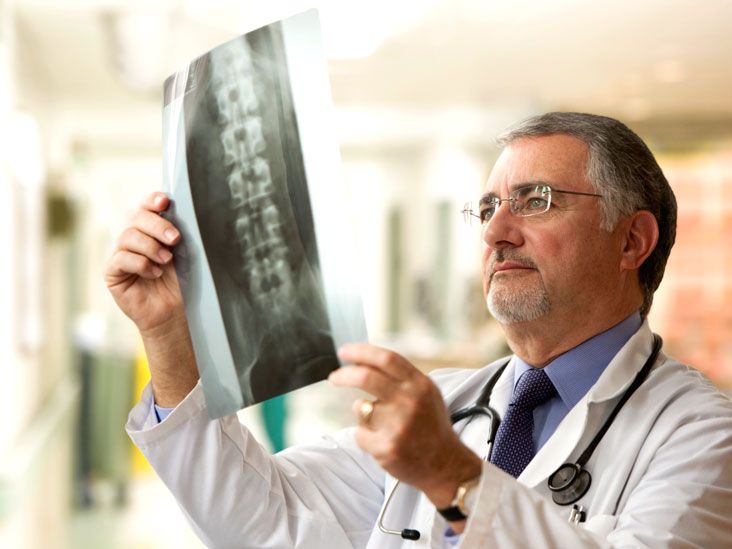
Massage is generally low risk for many people, but it is not automatically right for everyone in every situation. Before your appointment, think honestly about your health. Tell your therapist about any recent injuries, surgeries, blood clots, cancer treatment, osteoporosis, fever, contagious illness, skin infections, open wounds, uncontrolled high blood pressure, implanted medical devices, or medications such as blood thinners.
This does not mean you will always have to cancel. Sometimes the therapist can modify the session, avoid a certain area, use lighter pressure, or recommend medical clearance first. But hiding important health details is like handing someone a map with half the roads missing. The route may not go well.
You should reschedule if you have a fever, flu-like symptoms, a contagious skin condition, active infection, or a fresh injury that has not been evaluated. You should also avoid massage over open wounds, burns, unexplained swelling, severe bruising, or areas with sharp pain. When in doubt, ask your healthcare provider. A good massage therapist will appreciate your caution.
What to Do the Day Before a Massage
The day before your massage is not the time to run your personal “how much chaos can one body handle?” experiment. You do not need a complicated wellness ritual, but a few smart choices can help you feel better during the session.
Hydrate Normally
Drink water throughout the day, especially if you are active or live in a warm climate. You do not need to drink gallons of water like you are preparing to become a houseplant. Just avoid showing up dehydrated, lightheaded, or loaded with caffeine and no actual fluids.
Avoid Extreme Workouts
A hard workout the day before a massage is not always a problem, but if you are trying a deeper session, extreme soreness may make the experience less pleasant. If your muscles are already begging for legal representation, choose a lighter workout, stretching, or a gentle walk instead.
Get Decent Sleep
Massage can be deeply relaxing, but it is not magic. If you arrive after three hours of sleep, four coffees, and a stressful morning, your body may need extra time to settle. Getting enough rest helps your nervous system relax more easily during the appointment.
What to Eat Before a Massage
Eat lightly before your massage. A small meal or snack one to two hours before the appointment is usually a smart idea. You do not want to be so hungry that your stomach performs a dramatic soundtrack in the quiet treatment room, but you also do not want to be so full that lying face down feels like a poor life decision.
Good pre-massage options include oatmeal, yogurt, fruit, toast, soup, a smoothie, eggs, or a small sandwich. Try to avoid heavy, greasy meals right before the session. Spicy food can also be risky if your stomach is sensitive. A massage table is not the place to discover that your lunch had unresolved issues.
Limit alcohol before a massage. Alcohol can affect hydration, circulation, judgment, and how your body responds to pressure. It is also harder to give clear feedback if you are not fully alert. Save the celebratory drink for another time, preferably after you have eaten and rehydrated.
What to Wear to a Massage
Wear loose, comfortable clothing to your appointment. Think soft pants, a relaxed shirt, easy shoes, and layers if the weather is unpredictable. You may be asked to undress to your comfort level, depending on the type of massage and the setting. That phrase is important: your comfort level.
Many people leave underwear on. Some undress more fully. Some remain clothed for certain styles of bodywork. A professional therapist will leave the room while you undress and get under the sheet or towel. During the session, only the area being worked on should be uncovered, and the rest of your body should stay properly draped.
You do not need special underwear. You do not need to shave. You do not need to apologize for normal human things like body hair, dry skin, stretch marks, scars, or not looking like a wellness magazine cover. Massage therapists work with real bodies all day. Yours is not a surprise plot twist.
Should You Shower Before a Massage?
A quick shower before a massage is a great idea when possible. It helps you feel fresh, removes sweat or lotions, and can relax your muscles before the session. This is especially helpful if you are coming from work, the gym, hot weather, or a long commute.
Skip heavy perfumes, strong colognes, and thick body products right before the appointment. Many treatment rooms use oils or lotions, and strong fragrances can compete with the calm environment. Also, your therapist may have scent sensitivities or other clients who do. Clean and simple is the winning formula.
Arrive Early, Not Breathless
Plan to arrive 10 to 15 minutes early, or even earlier if it is your first visit. New clients often need to fill out an intake form, discuss goals, and review health history. Arriving early also gives your nervous system time to downshift. If you sprint in late, throw your keys across the room, and dive onto the table like a spy escaping lasers, your body may need half the session just to calm down.
Check parking, directions, and traffic before you leave. If the spa or clinic is inside a larger building, give yourself time to find the entrance. Being early is not just polite; it protects the time you paid for.
What to Tell Your Massage Therapist
Your pre-session conversation is one of the most important parts of the appointment. Be clear about what you want. Do you want relaxation? Neck and shoulder work? Lower back relief? Post-workout recovery? Help with stress? Do you want to avoid a painful area? Are your feet ticklish enough to launch you into orbit?
Share your pressure preference, but stay flexible. You might say, “I usually like medium pressure, but please start lighter around my neck,” or “My calves are very sore, so gentle work there would be better.” Mention areas you do not want touched. A professional therapist should respect those boundaries without making it awkward.
Also mention allergies or sensitivities to oils, lotions, scents, heat, or topical products. If you prefer unscented lotion, ask. If you get cold easily, ask for an extra blanket. If you are uncomfortable lying face down, say so. The session should be collaborative, not a silent endurance test.
During the Massage: Speak Up Early
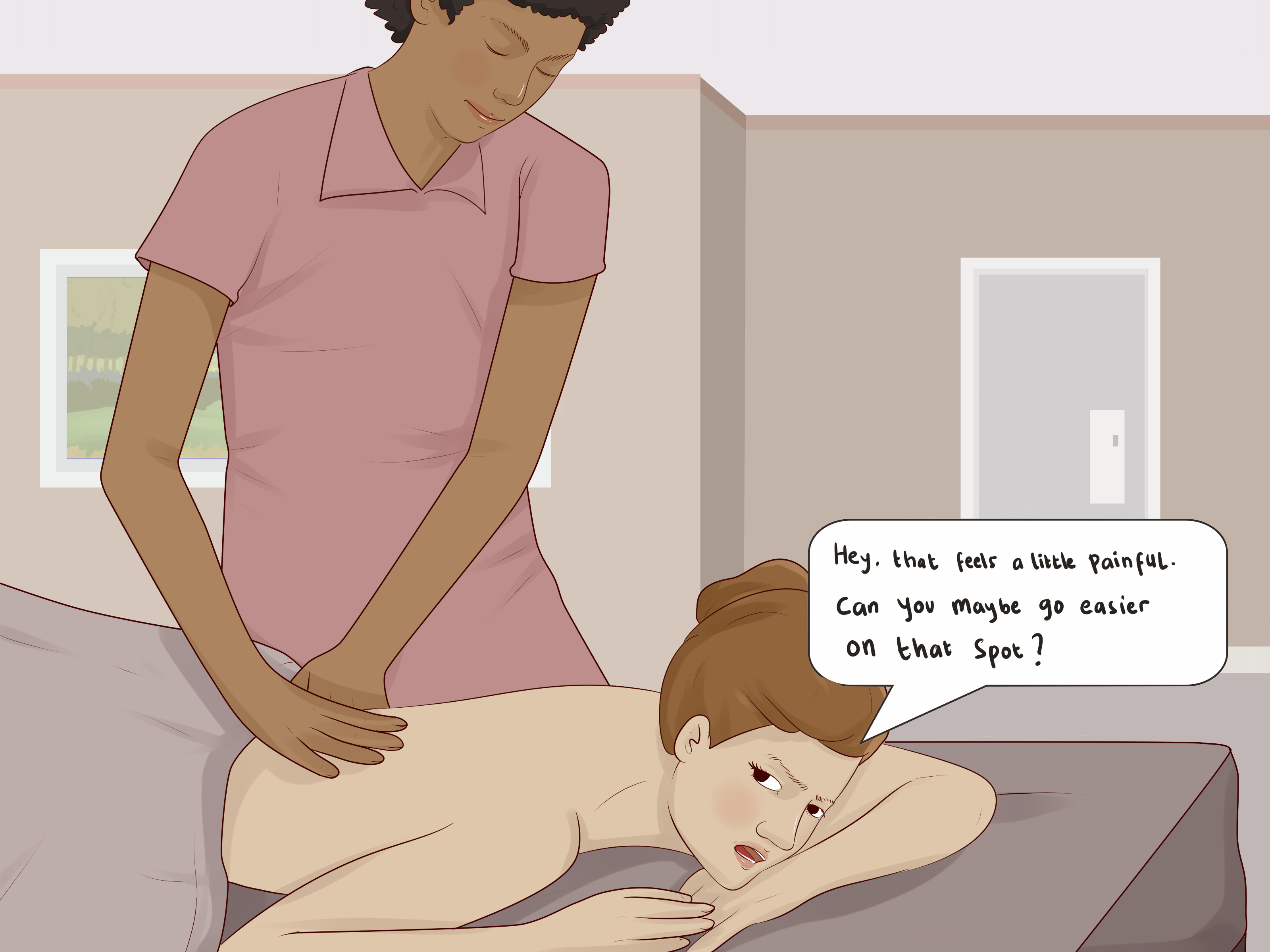
Many clients stay quiet because they do not want to interrupt the relaxing mood. But massage therapists actually want feedback. If the pressure is too strong, too light, too fast, too ticklish, or focused in the wrong place, say something early. A simple “Could we go a little lighter?” or “That spot is tender” is enough.
Good pressure should feel productive, not punishing. Some discomfort may happen when working on tight areas, but sharp pain, numbness, tingling, dizziness, nausea, or emotional distress are signs to stop or adjust. You are allowed to ask for changes at any time. You are also allowed to end the session if you feel unsafe or uncomfortable.
Breathing helps. Slow, steady breaths can tell your nervous system that it is safe to relax. Try not to help the therapist by lifting your arm or holding your leg unless they ask. Let your body be heavy. Your only job is to breathe and not mentally reorganize your entire inbox.
Phone, Talking, and Massage Etiquette
Silence your phone before the session. Not vibrate. Not “I swear it will only buzz once.” Silent. A buzzing phone can pull you out of relaxation faster than a smoke alarm in a yoga class.
As for talking, follow your own comfort. Some people chat a little at the beginning and then get quiet. Others prefer silence from the start. You can say, “I may be quiet so I can relax,” and your therapist will understand. The therapist may check in about pressure or positioning, and you should respond honestly.
Tipping depends on the setting. In many spas, a gratuity is customary if you are happy with the service. In medical or clinical settings, tipping may not be expected or allowed. When unsure, ask the front desk about the policy.
After the Massage: What to Do Next
After the session, take your time getting up. You may feel relaxed, sleepy, or slightly lightheaded. Sit for a moment before standing. Drink water, eat if you are hungry, and avoid rushing straight into a stressful task if possible.
Some mild soreness can happen after deeper bodywork, especially if you had tight muscles or requested firm pressure. Gentle movement, a warm shower, and normal hydration may help. However, severe pain, unusual swelling, bruising that concerns you, numbness, or symptoms that persist should be discussed with a healthcare professional.
Pay attention to how you feel over the next day or two. Did your neck move better? Did you sleep more deeply? Did the pressure feel right? Did a certain area need more or less attention? Use that information for your next appointment. A great massage routine is built through communication, not guesswork.
Best Tips for First-Time Massage Clients
If this is your first massage, keep it simple. Choose a beginner-friendly style such as Swedish massage or a customized relaxation massage. Avoid booking the most intense deep tissue session on the menu just because you want to “get your money’s worth.” Your nervous system is not a coupon.
Bring any questions you have. Ask how much clothing to remove, how draping works, whether you should talk, and what to expect afterward. A professional therapist will answer clearly and respectfully. If someone dismisses your questions, pressures you, ignores your boundaries, or makes you feel uncomfortable, that is not the right therapist for you.
Remember: you are in control of your body. You can request changes, decline work on certain areas, ask for more coverage, or stop the session. Professional massage is built on consent, communication, and trust.
Common Mistakes to Avoid Before a Massage
Eating Too Much
A heavy meal right before a massage can make lying down uncomfortable. Keep it light and give yourself time to digest.
Arriving Late
Late arrival can shorten your session and increase stress. Plan ahead so you can start relaxed instead of apologizing while removing your shoes at record speed.
Not Sharing Health Information
Your therapist needs to know about injuries, medications, pregnancy, surgeries, and medical conditions. This helps them keep the session safe and effective.
Trying to Tolerate Pain
A massage should not feel like a wrestling match with lavender oil. Speak up if the pressure is too much.
Scheduling Poorly
Try not to book your massage between two high-stress obligations. Give yourself a buffer afterward so the relaxation does not vanish in the parking lot.
A Simple Massage Preparation Checklist
- Choose the right massage style for your goal.
- Complete intake forms honestly.
- Drink water normally before the session.
- Eat a light meal or snack one to two hours beforehand.
- Shower if possible and avoid strong fragrances.
- Wear loose, comfortable clothing.
- Arrive 10 to 15 minutes early.
- Tell your therapist about injuries, pain, allergies, medications, and pressure preferences.
- Speak up during the session if anything feels uncomfortable.
- Take your time afterward and notice how your body responds.
Real-Life Experiences: What Massage Preparation Actually Feels Like
Many people learn massage preparation the funny way: by doing one tiny thing wrong and remembering it forever. One first-time client booked a lunchtime massage after eating a huge burger and fries. The massage was technically excellent, but lying face down afterward felt like trying to nap on top of a bowling ball. Lesson learned: eat, yes; feast, no.
Another common experience is the “I should have spoken up” massage. A client asks for firm pressure, then realizes ten minutes in that firm pressure feels more like a geological excavation. Instead of saying anything, they lie there politely, hoping the therapist will somehow receive a psychic message. The next day, they are sore and annoyed. The better move would have been simple: “Can we lighten the pressure a bit?” Massage therapists hear this all the time. It is not rude. It is useful.
Then there is the person who arrives late, stressed, and still mentally trapped in traffic. Their body stays tense for half the session because their mind is replaying every red light. When they book again, they arrive early, sit quietly for a few minutes, breathe, and notice the massage feels completely different. Same therapist. Same room. Better preparation.
Some clients discover that the best preparation is emotional, not physical. They turn off their phone, stop trying to be “productive,” and allow themselves one hour without solving anything. This can feel surprisingly difficult. Many people are used to multitasking through everything, including relaxation. But massage works better when you stop managing the moment and let yourself be present in it.
There are also people who feel nervous about body image before a massage. They worry about scars, weight, body hair, acne, or dry skin. Then they realize the therapist is focused on muscle tension, comfort, and professional carenot judging normal human bodies. That realization alone can make the session more relaxing. You do not have to look perfect to deserve care. You simply have to show up clean, respectful, and honest about what you need.
Another helpful experience comes from people who keep notes after each massage. They write down what pressure worked, which areas felt better, what felt too intense, and whether they preferred music, silence, heat, or extra blankets. Over time, this turns each appointment into a better customized session. The first massage is an introduction. The next ones become a conversation with your body.
People who receive massage regularly often say the biggest trick is not a trick at all: consistency. Waiting until your shoulders feel like concrete may still bring relief, but regular sessions can help you understand your tension patterns earlier. Maybe your jaw tightens when work gets stressful. Maybe your hips complain after long drives. Maybe your upper back files a formal complaint every Monday. Noticing these patterns helps you communicate better and choose the right session type.
Finally, the best massage experiences usually come from a mix of preparation and permission: permission to rest, permission to ask questions, permission to set boundaries, and permission to receive care without earning it first. You do not need to be in crisis to book a massage. You do not need to justify wanting less stress, looser shoulders, or one quiet hour where nobody asks you where the charger is.
Conclusion
Preparing for a massage does not require a complicated ritual, a wellness influencer starter kit, or a personality transplant. It comes down to practical choices: choose the right massage type, check your health, eat lightly, hydrate normally, shower if possible, arrive early, wear comfortable clothes, communicate clearly, and speak up during the session.
The best massage is not the one where you silently endure whatever happens. It is the one where you and your therapist work together to create a session that feels safe, effective, and genuinely restorative. Whether you are booking your first appointment or improving your regular routine, good preparation helps you get more from every minute on the table.
Note: This article is for general wellness education only and is not a substitute for medical advice. If you have a medical condition, recent surgery, pregnancy concerns, blood clots, fever, infection, open wounds, severe pain, or any health uncertainty, consult a qualified healthcare professional before booking massage therapy.