Some kitchens are built to survive breakfast. A Riva 1920 kitchen feels like it was built to survive breakfast, birthday parties, holiday chaos, midnight snacks, and possibly a small family legend involving someone burning garlic bread in 2037. Known for solid wood furniture, Italian craftsmanship, and a serious love affair with natural materials, Riva 1920 brings a rare kind of warmth to kitchen design: luxurious, yes, but not cold; refined, but not fussy; dramatic, but not the kind that throws plates.
The phrase Kitchen: Riva 1920 is more than a product label. It points to a design philosophy where the kitchen becomes the emotional center of the home. Instead of treating cabinetry as a background object, Riva 1920 makes wood the star of the room. The grain, texture, knots, color shifts, and natural movement of the material are not hidden. They are celebrated. In an age of glossy white boxes and overly perfect showroom kitchens, that feels refreshingly human.
Riva 1920 was founded in Cantù, Italy, in 1920, in the heart of Brianza, a region famous for furniture-making. The brand has built its reputation on solid wood, artisanal skill, sustainable sourcing, and collaborations with respected designers. Its kitchen work, especially the well-known La Cucina designed by Matteo Thun, translates that heritage into a modern culinary space where function and soul sit at the same table.
What Makes a Riva 1920 Kitchen Different?
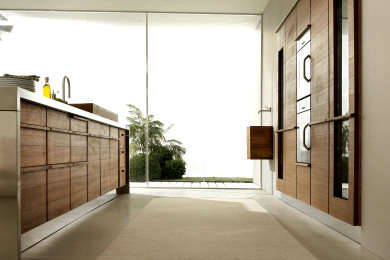
A Riva 1920 kitchen does not try to impress by shouting. It impresses by being impossible to ignore once you notice the details. The first thing most people see is the wood grain. In models such as La Cucina, the cabinetry is designed with a continuous grain effect across bases, wall units, tall units, and islands. This gives the kitchen a calm, architectural flow. Instead of looking like separate boxes screwed together, the room feels composed, almost like a single large piece of furniture.
The second difference is material honesty. Riva 1920 is strongly associated with solid wood and veneered plywood rather than disposable-looking surfaces. The brand uses natural finishes, including vegetable-origin oils with pine extracts, so the wood keeps its tactile, organic character. That matters in a kitchen because people touch everything: drawers, counters, handles, stools, pantry doors, and the island edge everyone leans on while pretending to help cook.
The third difference is longevity. A Riva 1920 kitchen is not designed around a trend that will look tired once social media moves on. It leans into timeless design, careful proportions, and authentic materials. That does not mean it looks old-fashioned. In fact, its best kitchens feel very modern. The difference is that the modernity comes from restraint, craftsmanship, and material intelligence rather than gimmicks.
La Cucina: The Signature Riva 1920 Kitchen Concept
La Cucina, designed by Matteo Thun and introduced in 2011, is one of the clearest examples of the Riva 1920 kitchen language. It is modular, customizable, and made with parts in solid wood and veneered plywood. The system can include base cabinets, open wall cabinets, wall units with lift-up or hinged doors, tall pantry cabinets, integrated appliance columns, a working island, pull-out elements, and drawers with dovetail joints on metal runners.
That may sound technical, but the effect is simple: everything has a place, and everything looks intentional. The working island becomes the anchor of the room. Tall units can house appliances without visually cluttering the space. Drawers and pull-out elements add practicality without compromising the clean front surfaces. The bronzed brass handles set into the thickness of the fronts create a detail that is elegant without begging for applause.
Countertop choices can shift the mood of the kitchen dramatically. Dekton gives a crisp contemporary look. Stainless steel brings professional energy, perfect for people who cook seriously or at least own enough pans to look convincing. Marble adds classic luxury. Handcrafted stone introduces a more earthy, tactile feeling. Because the cabinetry already carries strong natural character, the countertop should be chosen as a partner, not a competitor.
Solid Wood in the Kitchen: Beautiful, Practical, and Surprisingly Emotional
Wood in the kitchen has a special kind of magnetism. Stainless steel says, “Let’s get to work.” Stone says, “Please admire my veins.” Wood says, “Come in, sit down, and tell me why you bought twelve lemons.” It softens the room. It makes a large kitchen feel approachable and a small kitchen feel warmer. In Riva 1920’s hands, wood becomes both structure and storytelling.
The brand’s use of oak, walnut, maple, cherry, and other traditional woods allows homeowners and designers to tune the atmosphere. Walnut can feel rich and sophisticated, especially in an open-plan kitchen connected to a dining or living area. Oak can feel lighter, more architectural, and easier to pair with stone, plaster, or neutral walls. Cherry and maple can introduce warmth without making the room feel heavy.
For homeowners in the United States who are used to factory-painted cabinets or standard shaker doors, a Riva 1920 kitchen offers a different mindset. It asks you to appreciate variation. No two boards are identical. Grain lines shift. Natural color changes over time. The kitchen slowly develops personality, which is exactly the point. This is furniture-grade cabinetry for a room that works hard every day.
Sustainability Is Not a Decorative Buzzword Here
Many brands use the word “sustainable” the way restaurants use the word “artisan” on sandwiches. Riva 1920 has a deeper claim because sustainability is tied directly to its material choices and production philosophy. The company emphasizes FSC-certified wood, responsibly managed forests, reclaimed materials, natural finishes, and formaldehyde-free glues. It also gives new life to special woods such as ancient Kauri, Venetian Briccole, Lebanese cedar, and oak from repurposed wine barrels.
In kitchen design, this matters because cabinetry represents a large material investment. A cheap kitchen replaced every decade is not truly economical if it creates waste and frustration. A durable kitchen made with long-lasting materials can be the greener choice over time. Riva 1920’s approach encourages homeowners to buy less often, choose better, and treat the kitchen as a permanent part of the home rather than a fashion accessory with hinges.
The environmental story also gives the kitchen emotional depth. Reclaimed Briccole wood, for example, comes from the wooden poles historically used in the Venetian Lagoon. The material carries marks shaped by water, time, and marine life. Ancient Kauri wood tells an even older story, with some pieces carbon-dated and transformed into extraordinary tables. These materials may not appear in every Riva 1920 kitchen installation, but they define the brand’s design imagination.
How to Design a Kitchen Inspired by Riva 1920
Start With the Wood, Not the Wall Color
If you want a Riva 1920-inspired kitchen, begin with the wood species and finish. The cabinetry is the visual foundation. Choose walnut for depth and drama, oak for natural brightness, or a lighter veneer if your space needs airiness. Once the wood tone is clear, wall colors, floors, lighting, and countertops become easier to select.
Let the Island Do More Than Look Pretty
A Riva 1920 kitchen island should feel like a working sculpture. It can include storage, seating, prep space, and visual weight. In a large open-plan home, the island can create a bridge between cooking and living. In a smaller space, it can replace a formal dining table. The key is proportion. Too small and it looks apologetic; too big and your family may need a map.
Use Stone and Metal With Restraint
Because the wood is expressive, stone and metal should support the composition. A marble countertop can elevate the kitchen, but a heavily patterned slab may fight with strong wood grain. Stainless steel works beautifully when used for a professional-style worktop or backsplash. Bronzed brass, blackened metal, or matte hardware can add quiet contrast without turning the room into a hardware catalog.
Choose Lighting That Loves Texture
Flat lighting is the enemy of good wood. Riva 1920-style kitchens benefit from layered illumination: recessed task lights, warm pendants over the island, under-cabinet lighting, and perhaps a sculptural fixture over the dining table. The goal is to reveal grain, shadow, and depth. Wood deserves lighting that makes it look alive, not fluorescent lighting that makes everyone look like they are waiting at the DMV.
Riva 1920 for U.S. Homes: Where It Fits Best
In the American market, Riva 1920 fits especially well in luxury homes, architect-designed renovations, mountain retreats, modern farmhouses, city penthouses, and high-end open-plan kitchens. Its warm minimalism works in many settings because it is not tied to one narrow style. It can look urban with stainless steel and concrete. It can feel organic with limestone and plaster. It can become quietly grand with marble, walnut, and sculptural lighting.
U.S. homeowners who appreciate brands such as Boffi, Poliform, Molteni&C, Henrybuilt, or custom millwork studios may find Riva 1920 appealing for a different reason: the wood itself feels more central. It is less about sleek cabinetry as a system and more about the kitchen as crafted furniture. That makes it particularly attractive for people who want modern design without losing warmth.
There are also practical considerations. A Riva 1920 kitchen is not an impulse purchase made between errands. It typically requires planning with a dealer, designer, or architect. Measurements, appliance integration, finishes, countertop selection, lead times, shipping, installation, and maintenance should all be discussed early. This is a custom-level decision, not a “click add to cart and hope the fridge fits” situation.
Maintenance: How to Keep a Wood Kitchen Looking Its Best
A high-end wood kitchen is not difficult to maintain, but it does appreciate good manners. Wipe spills promptly, especially around sinks, coffee machines, dishwashers, and prep zones. Use mild cleaners instead of harsh chemicals. Avoid abrasive pads. Keep humidity reasonably stable, because wood reacts to extreme dryness and moisture. Use cutting boards, trivets, and common sense. In other words, do not treat a luxury wood island like a garage workbench unless you enjoy expensive conversations.
Natural oil finishes may need occasional care depending on use, climate, and the exact finish selected. This is part of the charm. Unlike synthetic surfaces that simply wear out, well-made wood can often be refreshed. Small signs of life can make the kitchen more beautiful over time. A tiny mark from a family dinner is not always a disaster; sometimes it is just the kitchen collecting memories.
Best Pairings for a Riva 1920 Kitchen
A Riva 1920 kitchen pairs beautifully with natural materials. Think limestone floors, wide-plank oak, honed marble, handmade ceramic tile, plaster walls, linen seating, and leather accents. The goal is to create a space that feels layered rather than decorated. Avoid too many shiny finishes. The wood already has enough personality to carry the room.
For seating, solid wood stools or leather-upholstered counter stools work well. Riva 1920’s broader furniture collection includes dining tables, stools, benches, and storage pieces that can extend the same material language beyond the kitchen. A Kauri dining table near a Riva-inspired kitchen would be dramatic in the best possible way. It would also immediately become the object every guest touches while saying, “Wow, is this real wood?”
For appliances, panel-ready refrigeration and dishwashers help preserve the furniture-like appearance. A stainless range or cooktop can remain visible as a functional centerpiece. The best appliance strategy is balance: hide what creates clutter, showcase what supports the kitchen’s professional function, and make sure everything is easy to use.
Common Mistakes to Avoid
The first mistake is overloading the space with competing wood tones. If the cabinetry has a strong grain, be careful with floors, beams, stools, and furniture. They do not all need to match, but they should speak the same design language. Too many unrelated woods can make the kitchen look like a furniture showroom after a windstorm.
The second mistake is ignoring scale. Riva 1920-style kitchens often have generous proportions and strong horizontal lines. In a smaller kitchen, the design can still work, but details must be edited carefully. Choose fewer materials, simpler lines, and smart storage. Let one element shine instead of forcing every luxury detail into the room.
The third mistake is choosing the wrong countertop. A busy stone can clash with expressive wood. A very cold white surface can make the cabinetry feel disconnected. The best counter choice should either calmly contrast or naturally complement the wood. Bring samples together in real light before committing.
Experience Notes: Living With a Riva 1920-Style Kitchen
The experience of a Riva 1920-style kitchen begins before anyone cooks. It starts when you walk into the room and notice that it does not feel like a standard kitchen. The surfaces have depth. The island feels substantial. The cabinet fronts look less like doors and more like carefully selected panels from a living material. Even the quiet parts of the room seem intentional.
In daily life, this kind of kitchen changes how people gather. Guests naturally move toward the island because wood feels welcoming. Children do homework there. Friends lean against it with glasses of sparkling water, coffee, or whatever the host is pretending is “just a casual little drink.” Someone chops herbs while another person tells a story. The room works because it is not only beautiful; it is social.
Cooking in a wood-centered kitchen also feels different. Stainless steel and stone are practical, but wood adds warmth to repetitive rituals: opening a drawer, setting down a bowl, reaching for olive oil, pulling out a cutting board, or arranging bread on the counter. These small actions become more pleasant when the surrounding materials feel good to touch. A kitchen should not only photograph well; it should reward the person making Tuesday dinner after a long day.
There is also a slower kind of satisfaction. A Riva 1920-inspired kitchen does not need constant styling. You do not have to place a giant vase of branches on the island just to make the room interesting. The material does much of the work. Morning light across walnut grain, a shadow under a brass handle, the soft reflection from a stone topthese details create atmosphere without clutter.
For homeowners who love hosting, the kitchen becomes a stage without feeling theatrical. A large island can handle appetizers, prep, conversation, and dessert plates. Tall cabinets hide the less glamorous machinery of life: cereal boxes, blenders, baking sheets, and the mysterious collection of mugs nobody admits buying. The beauty of the room remains visible because the storage works hard behind the scenes.
Of course, living with a premium wood kitchen also teaches respect. You become quicker with a dish towel. You stop dragging ceramic pots across the island. You learn which cleaner is safe and which one belongs far, far away. This is not a burden; it is part of owning something made from real material. Like a leather jacket or a solid wood dining table, the kitchen develops character when it is used well.
The best experience is emotional durability. Trends come and go: waterfall islands, all-white kitchens, black hardware, green cabinets, open shelves, closed shelves, and whatever design trend decides to shout next year. A Riva 1920 kitchen remains grounded because its appeal comes from wood, proportion, craft, and usefulness. Those qualities age better than trend-driven decoration.
Conclusion: Is a Riva 1920 Kitchen Worth It?
A Riva 1920 kitchen is best for homeowners who want more than cabinets. It is for people who see the kitchen as the heart of the home and believe materials should have meaning. With solid wood, refined modular design, natural finishes, sustainable thinking, and Italian craftsmanship, Riva 1920 creates kitchens that feel warm, luxurious, and deeply personal.
It is not the right choice for someone seeking the cheapest renovation or a quick cosmetic update. But for a long-term home, a design-focused remodel, or a kitchen meant to become part of family life for decades, Riva 1920 offers something rare: a modern kitchen with a soul. And honestly, in a world full of cabinets trying to look perfect, a kitchen with soul is a very good thing.