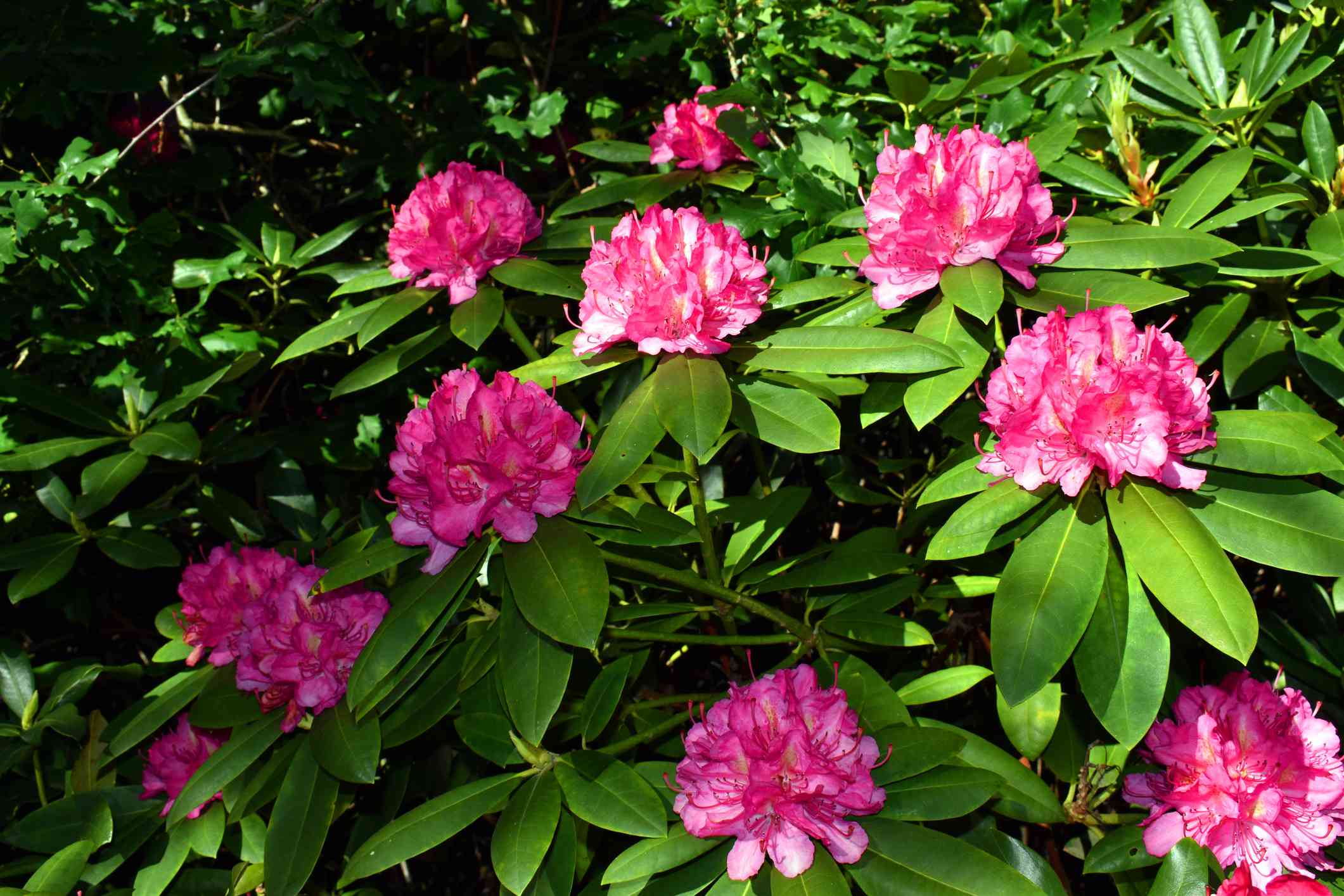
If your garden needs a shrub that can show up in spring looking like it got dressed for a very fancy garden party, Rhododendron ‘English Roseum’ is a strong contender. This evergreen rhododendron is loved for its generous clusters of rosy lilac-pink flowers, handsome dark green leaves, and sturdy, rounded form. In other words, it brings color, structure, and just enough drama to make the rest of the yard look like it tried harder than it actually did.
But like many beautiful plants, this one has preferences. It is not wildly difficult, yet it is definitely not a “plant it anywhere and hope for the best” kind of shrub. If you give it the right light, acidic soil, steady moisture, and a little restraint with pruning and fertilizer, English Roseum rhododendron can become one of the most reliable stars in a woodland border, foundation bed, or shaded landscape.
In this guide, you will learn how to grow Rhododendron English Roseum, how to avoid common mistakes, and how to keep it blooming and looking lush for years.
What Is Rhododendron ‘English Roseum’?
English Roseum is a hardy evergreen rhododendron cultivar often praised for its cold tolerance, dense mound-like habit, and large spring flower trusses. Mature plants can grow into substantial shrubs, which makes them excellent for privacy-softening, foundation planting, or anchoring a partly shaded border. The leaves stay on through winter, so even when it is not in bloom, it still earns its keep.
The flowers are usually a soft rose-lilac or pinkish lavender shade, gathered in rounded clusters that can make the entire shrub look dusted in pastel clouds. Bloom time varies by region, but it generally flowers in spring to early summer, depending on climate. In cooler areas, that display can feel like the garden’s official announcement that winter has finally packed its bags.
Why Gardeners Love English Roseum
There are plenty of rhododendrons out there, but English Roseum gets attention for a few practical reasons. First, it is more cold-hardy than many flashy rhododendron varieties. Second, it tolerates some sun better than fussier types, especially in cool climates. Third, it develops into a broad, handsome shrub that looks substantial without becoming unruly overnight.
It also fits beautifully into classic American landscape styles. It works with ferns, hostas, heucheras, hydrangeas, mountain laurels, and woodland perennials. If your garden vibe is somewhere between “quiet woodland retreat” and “I’d like the neighbors to be impressed but not suspicious,” this shrub fits right in.
Best Growing Conditions for Rhododendron English Roseum
Light: Bright Shade Is the Sweet Spot
The best location for Rhododendron ‘English Roseum’ is partial shade. Morning sun with afternoon shade is often ideal. In cooler northern regions, it may tolerate more sun, but in warmer climates, hot afternoon rays can scorch foliage, stress the roots, and shorten the bloom show.
A spot beneath tall trees with filtered light often works well, as long as the tree roots are not so competitive that your rhododendron ends up fighting for every sip of water. Deep, dense shade is not perfect either, because too little light can reduce flowering and make growth looser over time.
Soil: Acidic, Loose, and Well Drained
If there is one thing this shrub really insists on, it is soil quality. Rhododendrons prefer acidic soil, typically around pH 4.5 to 6.0, and they do best in loose, organic-rich, well-drained ground. Heavy clay, compacted soil, or sites that stay soggy after rain can lead to root decline and rot.
Before planting, mix in organic matter such as pine bark fines, leaf mold, or composted material suited for acid-loving plants. If your yard has dense clay, consider building a raised bed or planting on a slight mound. Rhododendrons have shallow roots, so they benefit far more from improved upper soil conditions than from a deep hole dug into bad soil like a decorative apology.
Moisture: Evenly Moist, Never Swampy
English Roseum care includes keeping the soil consistently moist, especially while the shrub is becoming established. That said, “moist” does not mean “standing in a puddle plotting its own funeral.” Rhododendrons dislike drought, but they also hate waterlogged roots.
Water deeply when rainfall is lacking, particularly during the first growing season, during summer heat, and in autumn before the ground freezes in colder climates. Winter damage often begins with dry roots going into cold weather, so fall watering matters more than many gardeners realize.
How to Plant Rhododendron ‘English Roseum’
The best times to plant are usually spring or fall, when temperatures are moderate and the shrub has time to establish before weather extremes hit.
Planting Steps
Start by choosing a site with partial shade and excellent drainage. Dig a hole that is no deeper than the root ball but at least twice as wide. Set the plant slightly high, so the top of the root ball sits a bit above the surrounding soil level. This helps protect shallow roots from staying too wet.
Backfill with amended soil, water thoroughly, and apply a 2- to 3-inch layer of mulch such as pine straw, shredded leaves, or bark. Keep mulch a few inches away from the main stem. Mulch is one of the quiet heroes of rhododendron care because it helps conserve moisture, cool the roots, and reduce weed competition.
Watering, Feeding, and Mulching Tips
Watering Schedule
Newly planted shrubs need regular watering until they settle in. During dry spells, a deep soaking once or twice a week is usually more helpful than frequent light sprinkles. Shallow sprinkling encourages shallow rooting, which is rather unhelpful for a plant already famous for having shallow roots.
Watch the foliage for clues. Drooping leaves, curling, or dull-looking growth can signal water stress. However, similar symptoms may also appear when roots are staying too wet, so always check soil moisture before reacting dramatically with a hose.
Fertilizer: Less Is More
One of the easiest mistakes with rhododendrons is overfeeding them. In rich, properly prepared soil, English Roseum rhododendron usually needs only light fertilization, if any. Too much fertilizer can burn roots, push weak growth, and reduce overall plant health.
If your plant seems pale or slow-growing, use a fertilizer intended for acid-loving shrubs, but apply lightly and only when needed. Early spring or right after flowering is often the best window. Avoid fertilizing late in the season, because tender new growth may not harden off before winter.
Mulch Matters More Than You Think
For rhododendrons, mulch is not cosmetic fluff. It keeps the root zone cool, helps maintain soil moisture, adds organic matter as it breaks down, and limits weeds that compete with the plant’s shallow root system. Refresh the mulch each year, but do not pile it against the trunk like a tiny volcano. That look belongs in neither gardens nor geology class.
Pruning and Deadheading
The good news is that Rhododendron ‘English Roseum’ generally does not require heavy pruning to stay attractive. Its natural form is part of its charm.
When to Prune
If you need to shape the plant, remove damaged branches, or reduce size, prune right after flowering. Rhododendrons set next year’s flower buds not long after bloom season ends, so late pruning can remove future flowers. That is a painful discovery best avoided.
Should You Deadhead?
Yes, if you have the patience. Removing spent flower trusses can improve appearance and may help the plant direct energy into new growth rather than seed production. Snap off faded blooms carefully without damaging the buds just beneath them. Think gentle, not enthusiastic.
Common Problems and How to Prevent Them
Yellow Leaves
Yellowing leaves often point to poor soil pH, nutrient imbalance, or drainage trouble. If the soil is too alkaline, rhododendrons may struggle to take up iron properly, leading to chlorosis. A soil test is the smartest first step before adding amendments at random and hoping chemistry becomes emotional support.
Leaf Scorch and Winter Burn
Brown leaf edges or scorched foliage may result from intense sun, drying winds, winter burn, salt damage, or inconsistent moisture. Shelter from strong winter wind, adequate fall watering, and proper mulching can all help prevent this problem.
Root Rot
This is one of the most serious rhododendron problems. Poor drainage is the major risk factor. If the shrub looks wilted even when the soil is wet, root rot may be involved. Prevention is far easier than cure, which is why site selection matters so much.
Lace Bugs and Other Pests
Rhododendron lace bugs can cause pale stippling on leaves and leave dark specks on the undersides. Plants grown in stressful hot, sunny sites are often more vulnerable. Check the undersides of leaves regularly and respond early if infestations appear. Healthy plants in suitable conditions usually handle pest pressure better than stressed plants.
Seasonal Care Calendar
Spring
Check winter damage, water as needed, refresh mulch, and enjoy the bloom show. Prune or deadhead soon after flowering if necessary.
Summer
Monitor for drought stress and pests. Keep soil evenly moist and protect the plant from prolonged heat stress, especially if it gets stronger afternoon sun than it prefers.
Fall
Water well during dry autumn weather so the shrub goes into winter hydrated. Avoid heavy fertilizer or late pruning. Add mulch if needed before cold weather arrives.
Winter
In exposed sites, winter wind protection can help prevent leaf burn. Brush off heavy snow gently if branches are bending, but do not panic over every frosty leaf. Evergreen rhododendrons often look slightly dramatic in cold weather and then recover just fine.
Landscape Design Ideas for English Roseum
Because it grows into a broad evergreen mass, Rhododendron English Roseum works especially well as:
- a foundation shrub on the north or east side of the house,
- a woodland border anchor,
- a specimen near patios with filtered light,
- a backdrop for shade perennials,
- or part of a layered privacy screen in cool-climate gardens.
Pair it with plants that enjoy similar soil and moisture conditions, such as ferns, hostas, pieris, mountain laurel, camellias in suitable regions, and hydrangeas that appreciate rich soil and partial shade. Just avoid crowding it too tightly. This shrub likes company, but not shoulder-to-shoulder subway conditions.
Is English Roseum Right for Your Yard?
If your landscape offers acidic soil, decent drainage, and partial shade, then yes, this shrub is a strong choice. It is especially useful in regions with cooler winters where many broadleaf evergreens struggle. Gardeners who enjoy spring flowers but want year-round structure often find it a great long-term investment.
However, if your site is blazing hot, bone-dry, or built mostly on compacted alkaline clay, growing Rhododendron ‘English Roseum’ may require enough soil correction to feel like a side job. In that case, it is still possible, but success will depend on how much preparation you are willing to do.
Experiences and Real-World Lessons From Growing English Roseum
Gardeners often describe English Roseum rhododendron as one of those plants that teaches patience first and rewards second. The first year after planting is not always glamorous. The shrub may sit there quietly, doing very little above ground while establishing roots. Some people mistake this for failure. It is not. It is more like the plant is unpacking, evaluating the neighborhood, and deciding whether your mulch situation is acceptable.
One of the most common experiences is the difference between a shrub planted in the right place and one planted in a merely convenient place. A rhododendron tucked into partial shade with cool soil often develops glossy leaves, steady growth, and fuller bloom clusters. The same cultivar planted against a hot reflective wall may survive, but it can look stressed, thin, and unimpressed. That contrast alone convinces many gardeners that location matters more than fancy fertilizer.
Another real-world lesson involves watering. New growers sometimes assume that because rhododendrons like moisture, extra watering must be a kindness. Unfortunately, roots disagree. Many gardeners learn that soggy soil leads to a droopy, unhappy shrub that looks thirsty and overwatered at the same time. Once they improve drainage and water deeply but less often, the plant usually responds with healthier foliage.
Mulch also turns out to be one of those boring recommendations that becomes exciting only after you ignore it and regret everything. Gardeners who skip mulch often notice faster drying, more weeds, and a plant that struggles in summer heat. Those who keep a light organic mulch layer in place tend to report steadier moisture and better overall vigor. It is not glamorous, but neither is replacing a struggling shrub.
Experienced growers also talk about bloom expectations. Some years are spectacular, with flower trusses covering the shrub so heavily that the leaves nearly disappear. Other years may be lighter, especially after weather swings, late frosts, stress, or poorly timed pruning. That does not necessarily mean the plant is declining. Rhododendrons have moods, and weather is often the one setting them.
There is also a practical lesson in restraint. Many gardeners discover that English Roseum care is easier when they stop trying to “fix” the plant every weekend. Constant pruning, overfeeding, or piling on products usually creates more trouble than it solves. Rhododendrons respond best to good fundamentals: proper siting, correct soil, mulch, water, and patience.
In mature landscapes, this cultivar often becomes a sentimental plant. Homeowners remember it blooming beside a porch every spring, framing family photos, or signaling the start of garden season year after year. That is part of its appeal. It is not just a flowering shrub. It becomes a seasonal landmark, one that quietly builds presence over time. And honestly, any plant that can look elegant while surviving winter, spring rain, and our occasional bad decisions deserves some respect.
Conclusion
Rhododendron ‘English Roseum’ is a classic evergreen shrub with showy spring flowers, dependable structure, and strong landscape value. Its secret is simple: give it partial shade, acidic well-drained soil, regular moisture, and a light hand with fertilizer and pruning. Do that, and this rhododendron can reward you with years of beautiful bloom and evergreen texture.
It is not the right plant for every site, but where conditions suit it, English Roseum is a standout. Think of it as a shrub with standards. Meet them, and it will absolutely perform.